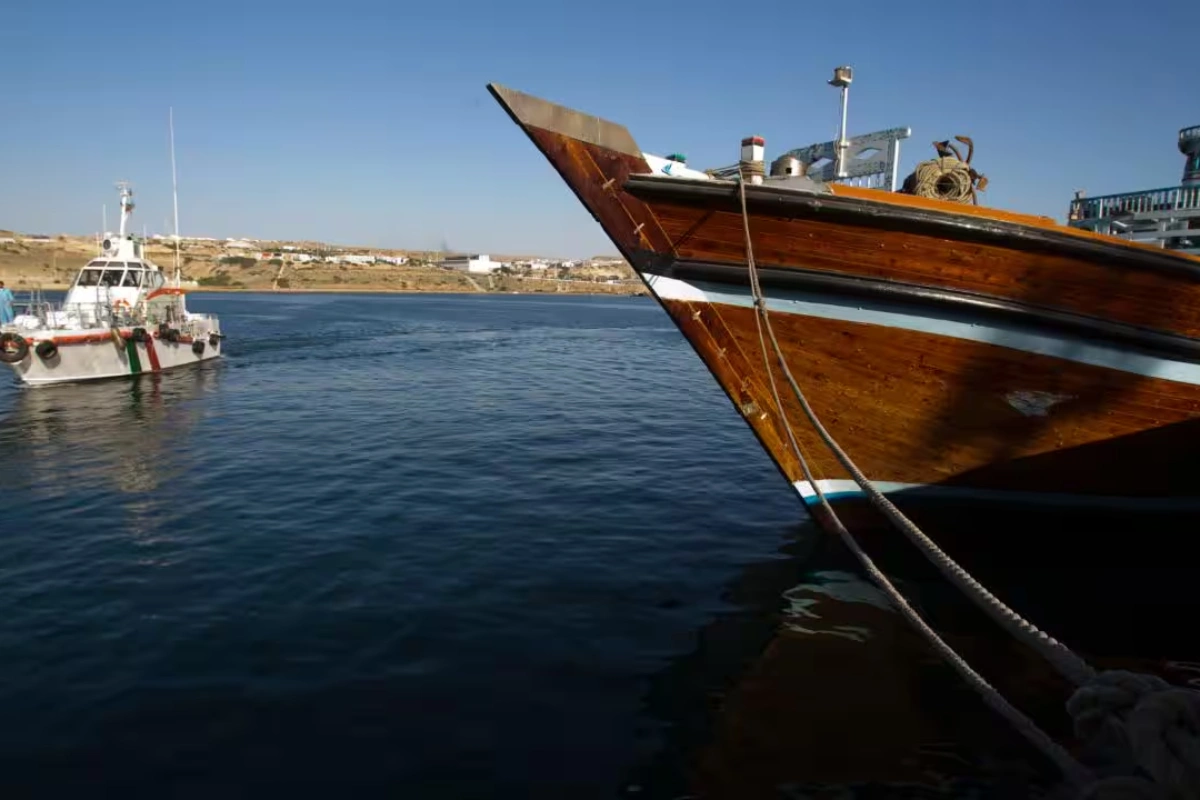
Chabahar Port: Many political experts have remarked that the strategic foothold of India at the Chabahar Port in Iran hangs by a thread. However, this is far from the truth.
The stance of India is likely influenced by escalating tariff threats by the United States and sanction pressures. India has decided to liquidate its investment of $120 million, limiting exposure and transferring funds to Iran.
https://x.com/TheReal_RX/status/2012170092495487443?s=20
Chabahar Port-Clarification From Indian MEA
MEA Spokesperson Randhir Jaiswal has remarked that India received a sanctions waiver for Chabahar Port on 28 October 2025 from the US Treasury. Jaiswal added that the waiver is valid till 26 April 2026 and India would continue to retain full control on the Iranian port.
India can continue development at the Chabahar port while protecting its strategic gateway to Central Asia and Afghanistan while bypassing Pakistan. Jaiswal added that India is undertaking talks with the United States to operationalize and extend the arrangement.
India’s Heavy Losses
Chabahar represented the masterstroke of India to bypass the terror-state Pakistan, offering direct access to Central Asia and Afghanistan via the International North-South Transport Corridor (INSTC). Since 2021, India has facilitated tea, wheat and pharma exports to Kabul while it eyes energy and minerals from landlocked neighbours.
The withdrawal of India from the Chabahar port weakens anti-China Gwadar counter-strategy of India and dents regional clout, forcing reliance on volatile Pakistani routes.
Hidden Benefits for India-Way Forward
For many, the exit from Chabahar port seems to be a loss-loss situation for India. But, stepping back shields the country from the tariff hammer of United States President Donald Trump. This helps in preserving $50 billion annual US trade ties while avoiding secondary sanctions that have crippled past deals.
Interestingly, no physical assets of India at the Chabahar Port means zero losses beyond sunk manpower costs. It would free India for possible alternatives such as Armenia routes or Duqm Port in Oman. This truly underscores “multi-alignment” maturity, prioritizing US partnerships amid Iran’s unrest.