

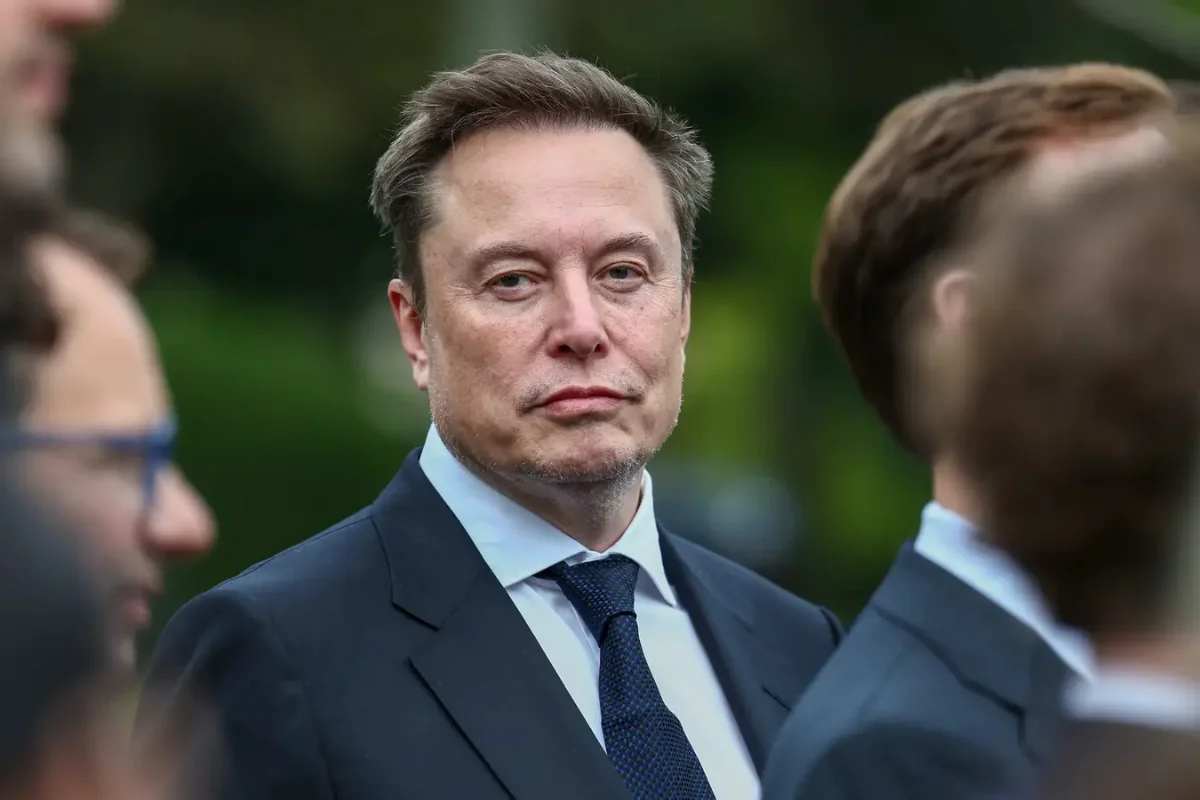
The standoff between Elon Musk and the Indian government intensified after Union Communications Minister Jyotiraditya Scindia and actor-politician Kamal Haasan responded to the billionaire’s comments, wherein he sarcastically referred to Reliance Industries chairman Mukesh Ambani as “Prime Minister Ambani.”Musk questioned on X about why Starlink had not yet received all the clearances to initiate commercial satellite internet services in India.
Elon Musk Targets Mukesh Ambani Over Starlink’s India Launch
Musk made these comments after a few posts in which he claimed some unidentified business conglomerates were preventing Starlink from entering the Indian market. Later, he directly mentioned Ambani, asking if the latter was the “real boss of India”.In his latest post, Musk wrote “Dear Prime Minister Ambani” as a sarcastic note and asked to make Starlink compete. He said satellite-based internet would be necessary to connect the unconnected, offer more learning options for children, and allow small businesses to participate in global markets.
DON'T MISS
Jyotiraditya Scindia Rejects Monopoly Allegations
Communications minister Jyotiraditya Scindia, who participated in the debate at India Mobile Congress 2026, has said that ‘there are no monopolies’ in India. Those licenses had been issued to several companies planning to operate satellite communication services like Starlink, Reliance Jio Satcom and Bharti Airtel-backed Eutelsat One Web, Scindia said. He explained that acquiring a licence does not imply that a company is immediately authorized to commence commercial operations. Companies have to fulfill security standards and adhere to the spectrum assignment and pricing regime. The government said that all of the licensed operators were at approximately the same point in the regulatory process.
Kamal Haasan Says India Will Decide Its Own Future
Actor and Rajya Sabha MP Kamal Haasan, too, hit back at Musk and said, “No billionaire should say anything about a country, whether Indian or American.” Haasan said India should embrace competition for satellite internet while ensuring access was “reasonable and real.” He cautioned that the cost of subscriptions and gear would exclude many households from access to satellite internet. He also emphasized spectrum and telecommunications networks as strategic infrastructure,, making national security safeguards necessary.
What does the Starlink dispute mean for India’s satellite internet market?
The India spat illustrates the hurdles faced by satellite internet firms looking to enter the country’s telecoms market. Though Starlink may have the power to connect otherwise unreachable places, commercial rollout hinges on approvals, security, and spectrum determinations. Reliance Jio Satcom and Eutelsat OneWeb, and the market as a whole, are watched closely by Amazon’s Project Kuiper.


