


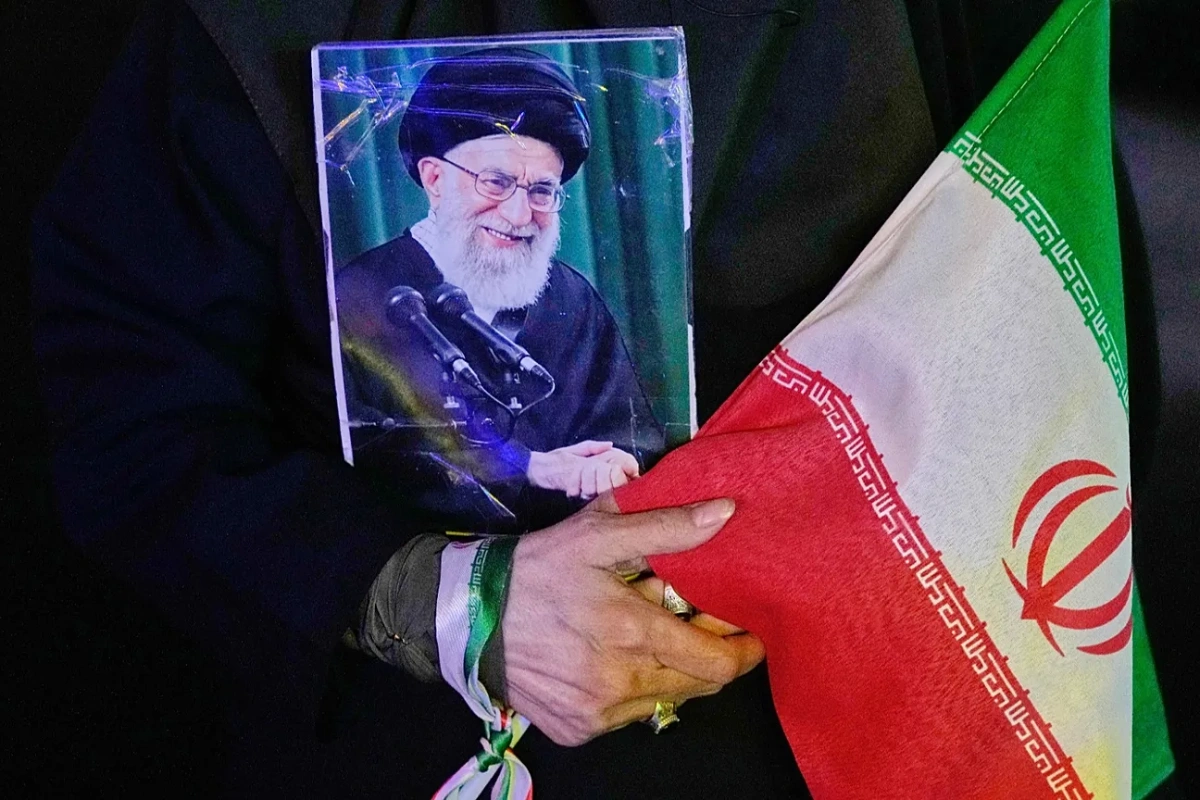
Iran has concluded a six-day state funeral for Ayatollah Ali Khamenei, its Supreme Leader for over three decades, with burial taking place at the Imam Reza shrine in Mashhad. Khamenei was killed in a joint US-Israeli strike on his Tehran compound on February 28, the opening act of a war that has since reshaped the region. The procession moved through Tehran, Qom, Najaf and Karbala before the final rites, drawing what Iranian authorities estimated could be up to 10 million mourners, with delegations from over 30 countries, including Pakistan, in attendance.
DON'T MISS
A Region Still At War After Ayatollah Ali Khamenei’s Demise
Even as Iran mourned Ayatollah Ali Khamenei, hostilities resumed in the south. The US launched fresh strikes on military targets along Iran’s coastline, including areas near Bushehr, Bandar Abbas and Chabahar, after accusing Tehran of attacking commercial vessels in the Strait of Hormuz. Iran’s IRGC responded with strikes of its own, and air raid sirens sounded as far away as Kuwait and Bahrain.
Ceasefire On The Brink
The exchange has raised fresh doubts over the durability of the June memorandum of understanding meant to end the war. Iranian officials have called the renewed sanctions and strikes clear violations of that agreement, while US officials maintain the response was necessary after Iran attacked shipping.
Wider Fallout For The Region Continues
The dual developments, a historic burial of Ayatollah Ali Khamenei and a resumption of fighting, capture how unresolved this conflict remains. With Khamenei’s son Mojtaba now leading Iran from near-total seclusion, questions persist over who truly controls the country’s response as tensions in the Gulf remain dangerously live.
With the interim deal’s 60-day negotiating window still active, all eyes now turn to whether renewed diplomacy in Doha can hold before the next flashpoint emerges in geopolitics.