


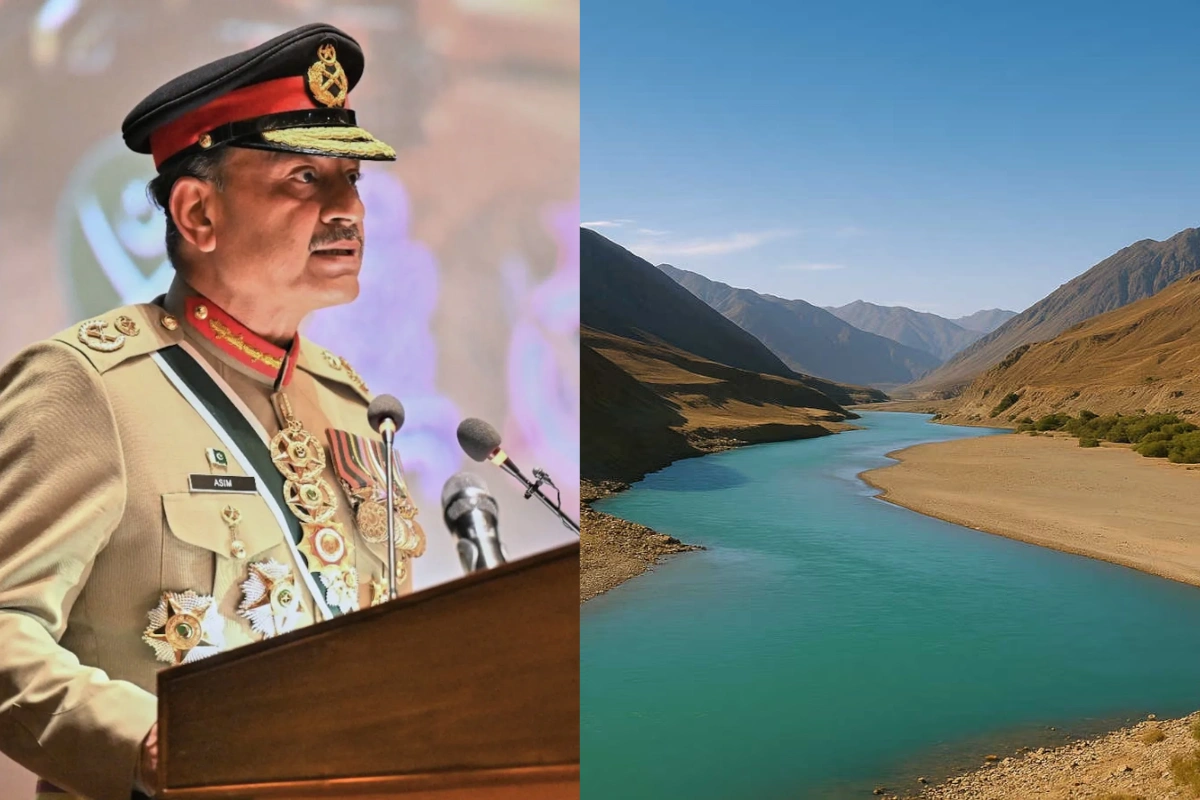
The decades-old dispute over the Indus Waters Treaty has entered a fresh phase after tensions between India and Pakistan intensified.
Indus Waters Treaty Dispute Takes Centre Stage
Signed in 1960 with the support of the World Bank, the Indus Waters Treaty governs the distribution of six major rivers between India and Pakistan. Under the agreement, India received control over the eastern rivers Ravi, Beas, and Sutlej, while Pakistan received rights over the western rivers Indus, Jhelum, and Chenab.
DON'T MISS
Pakistan Army Reacts to India’s Stand
Pakistan’s military leadership has responded strongly to India’s decision, stating that water security remains a critical national issue. The Pakistan Army highlighted that any attempt to restrict water access would be viewed as a serious concern.The statement comes amid rising tensions between the two countries, where issues related to national security, terrorism, and cross-border conflicts have already affected diplomatic ties.
India Raises Concerns Over Treaty Implementation
India has repeatedly raised concerns about certain provisions of the Indus Waters Treaty, especially regarding the use of western river waters for hydropower projects. New Delhi has maintained that its projects comply with treaty guidelines and has sought changes to address practical challenges. India’s position has been that water resources must be managed fairly while ensuring its own development needs are not restricted.
Operation Sindoor and Rising India-Pakistan Tensions
The latest water dispute comes after heightened tensions following security-related developments, including India’s military response under Operation Sindoor. The operation became a major point of discussion in India-Pakistan relations, with New Delhi emphasising its commitment to countering security threat.
Why Does the Indus Waters Treaty Matter?
The Indus River system is extremely important for Pakistan’s agriculture and economy. Millions of farmers depend on these rivers for irrigation, making water security a major national priority.