


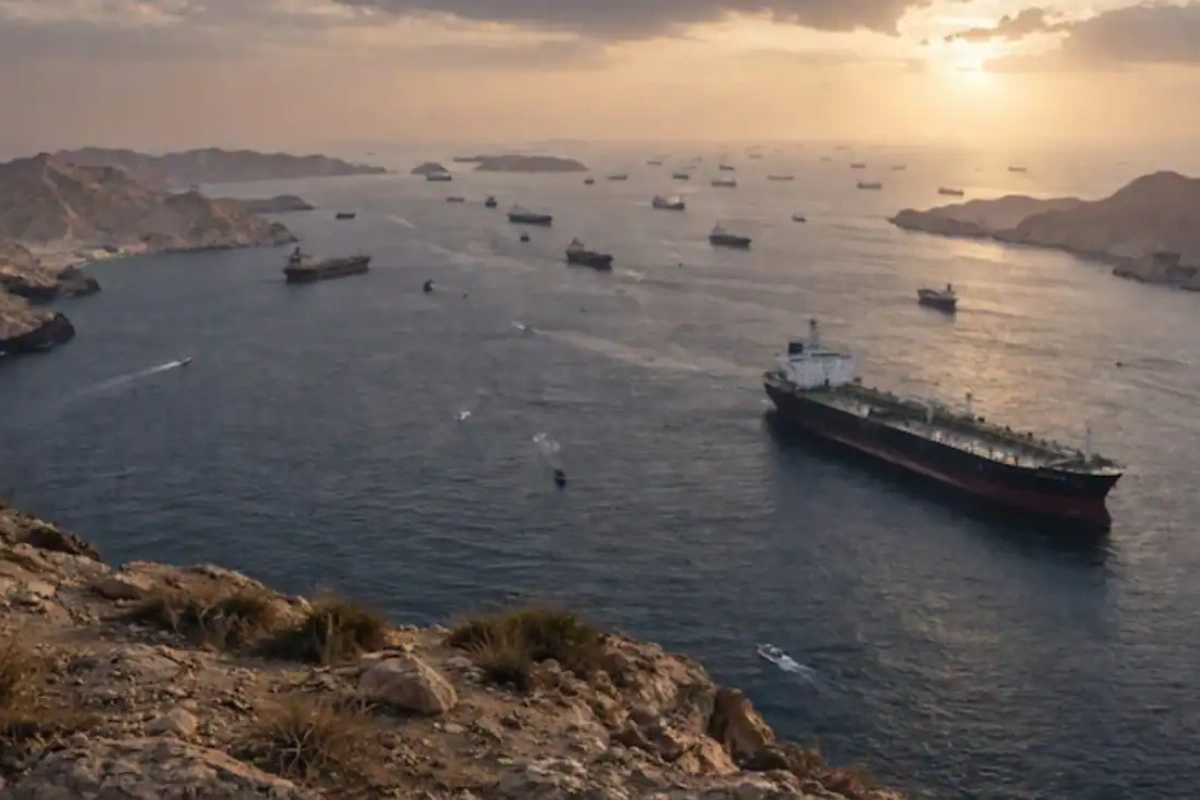
Strait of Hormuz: Iran has shut the Strait of Hormuz again, blaming US blockade policies for the move. This has raised global concerns as the route is vital for oil transport. The disruption is increasing market uncertainty, affecting shipping, oil prices, and overall global economic stability.
DON'T MISS
Sudden Closure Shocks Global Trade
Iran has once again closed the Strait of Hormuz, creating fresh panic in global oil markets. The move came shortly after a brief reopening, showing how unstable the situation remains. This critical route carries a major share of the world’s oil, so even short disruptions can affect fuel prices and global trade instantly.
Iran Blames US Blockade
Iran has directly accused the United States of continuing blockade policies despite ongoing talks. According to Iranian officials, US naval pressure and restrictions violated earlier understandings, forcing them to take control of the route again. Tehran has made it clear that until these actions stop, strict control over the strait will continue.
Shipping Faces Uncertainty
The closure has created confusion for global shipping companies. Many vessels are either stuck or waiting for permission, while some routes are being controlled by Iranian forces. Even when partial access is allowed, ships need approval, making normal trade slow and risky.
Impact on Oil & Economy
Strait of Hormuz: Every closure or restriction of the Strait of Hormuz directly impacts oil prices and global markets. Prices tend to rise with tension and fall when the route reopens, showing how sensitive the world economy is to this single chokepoint. Experts warn that repeated disruptions could lead to long-term economic pressure worldwide.