

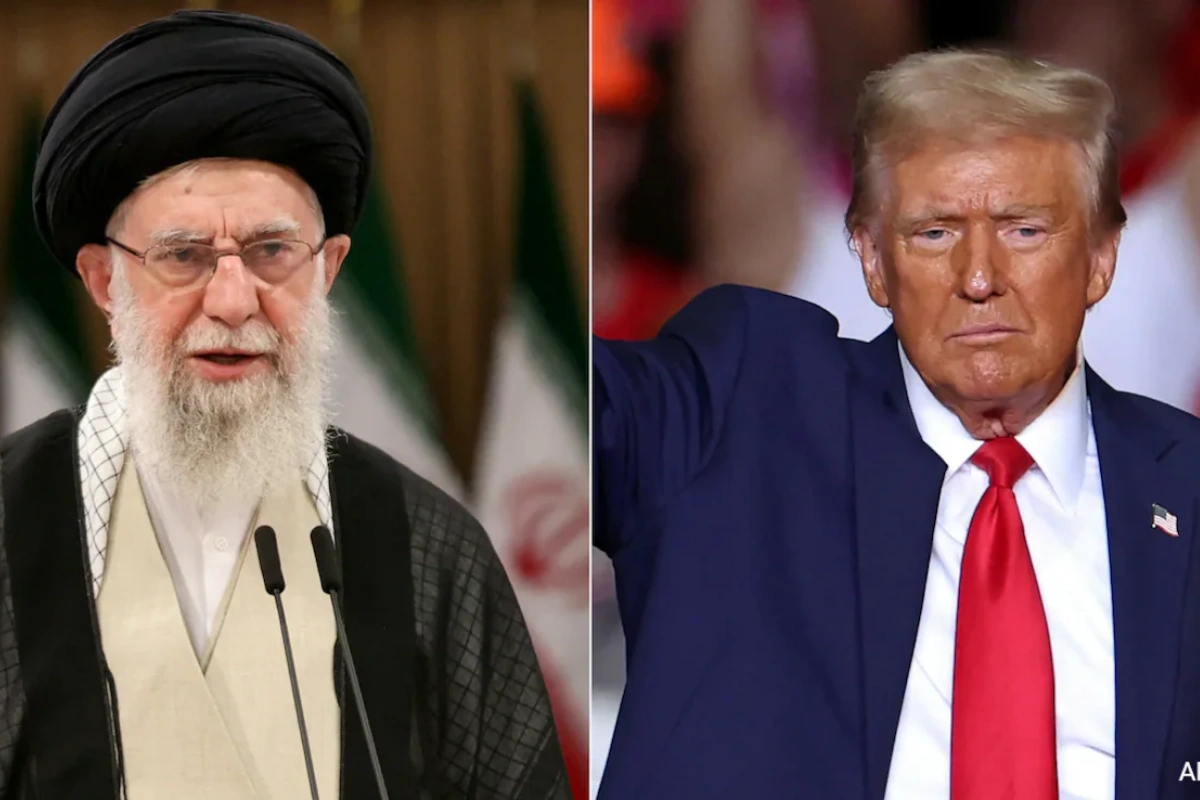
Iran US Tensions: The tension between Iran and the United States has escalated significantly in recent days. With Donald Trump taking a firm stance, the world is on high alert, questioning whether the crisis could spiral into war or if diplomacy still has a chance to prevent conflict.
DON'T MISS
What’s Happening Now?
Iran US Tensions: The situation has become increasingly dangerous. Iran has partially closed the Strait of Hormuz, a vital route for global oil shipments, signaling strong resistance to external pressure.
Reasons Behind the Conflict
1️. Nuclear Program Dispute
One of the main sources of tension is Iran’s nuclear program. The US fears that Iran may be developing nuclear weapons, while Iran insists that its nuclear activities are for peaceful purposes only.
2️. Economic Sanctions
Economic sanctions imposed by the US have severely affected Iran’s economy. These sanctions target key industries, financial systems, and trade routes, causing economic pressure that heightens political tension
3. Military Presence
The US has increased its military footprint in the Middle East, which Iran sees as a direct threat to its sovereignty. Military exercises, naval deployments, and strategic movements on both sides contribute to a tense atmosphere, with the risk that small incidents could escalate into larger conflicts.
Donald Trump’s Role
Donald Trump has played a crucial role in shaping the current dynamics. He has sent a massive naval armada to the region and issued warnings to Iran, demanding compliance or facing consequences. At the same time, he has expressed openness to negotiations, creating a complicated mix of pressure and diplomacy.
Is War the Only Option?
While the situation is serious, war is not inevitable. Diplomatic channels, backdoor negotiations, and international pressure provide opportunities to avoid armed conflict. Iran has indicated willingness for fair discussions, and global leaders are urging restraint on both sides. However, the risk remains real.


