


US Iran War: US-Iran confrontation is moving to yet another critical stage with the outbreak of clashes in the Strait of Hormuz coming amid the deadly bombings carried out by Israel in southern Lebanon.
DON'T MISS
Strait of Hormuz Becomes Another Serious Flashpoint
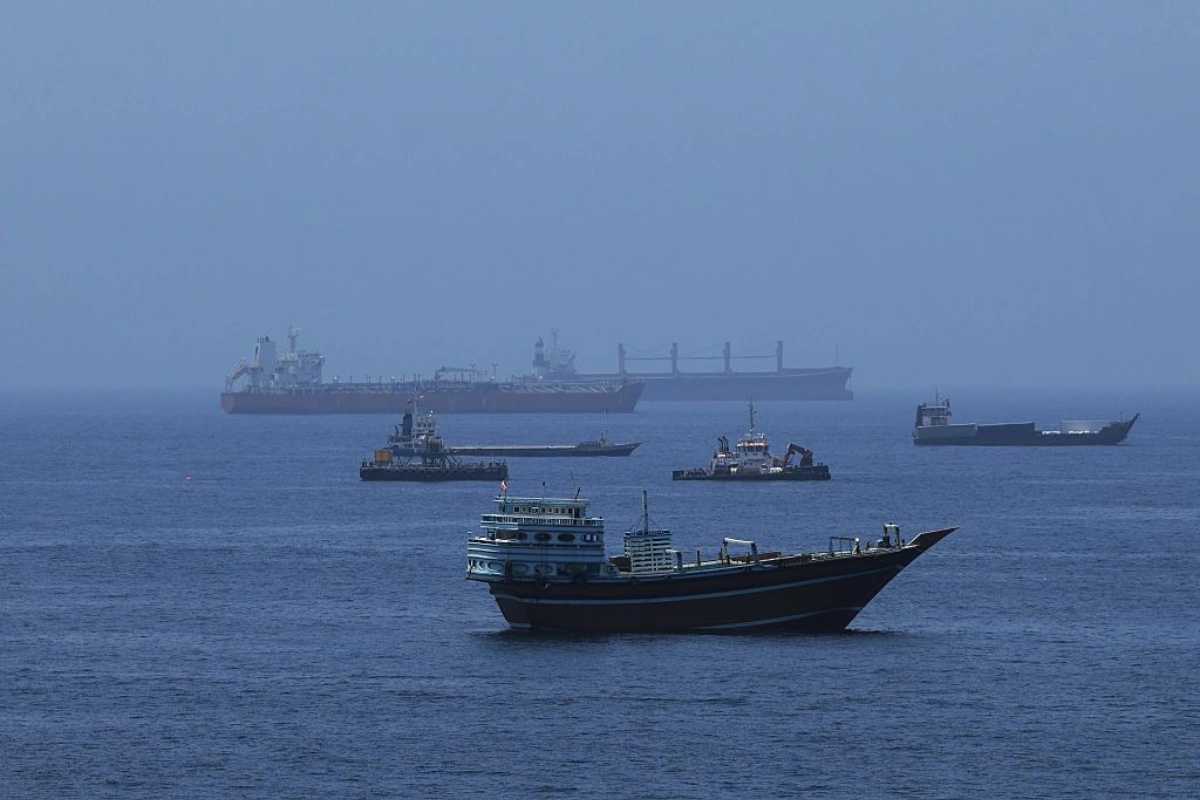
Military tension at sea has grown significantly following US strikes against three Iranian tankers near the Strait of Hormuz. As a reaction to these strikes, Iran has launched attacks against vessels and issued threats of closing the vital waterway by imposing a restricted zone. The Strait of Hormuz is a key link in global energy market due to the fact that much of the world’s crude oil transit goes through this waterway. Hence, any protracted disruption of shipping in this area can cause the rise in oil prices. Iranian threats have introduced another element of risk for commercial shipping.
Southern Lebanon Brings Yet More Instability
However, at the same time, fighting in southern Lebanon has been escalating. Israeli attacks on civilians and infrastructure in the wake of Hezbollah attacks has resulted in casualties, reports out of the region suggest.What makes the situation especially volatile is that Hezbollah is supported by Iran. Any continuing fighting in Lebanon may, therefore, provide yet another avenue for the broader US-Iran confrontation to spill over beyond the Gulf.
Why These Two Hotspots Matter?
The Strait of Hormuz and southern Lebanon are two very distinct battlegrounds, but each carries wider implications. While the maritime confrontation affects energy and global trade, continued fighting in Lebanon could lead to an escalation of the confrontation between Israel, Hezbollah, and Iranian-backed factions. Furthermore, the diplomatic effort faces increasing challenges due to continued military tension, as Reuters has reported a rise in oil prices due to concerns of extended supply disruptions, with Brent crude crossing above $97 per barrel on September 7.