


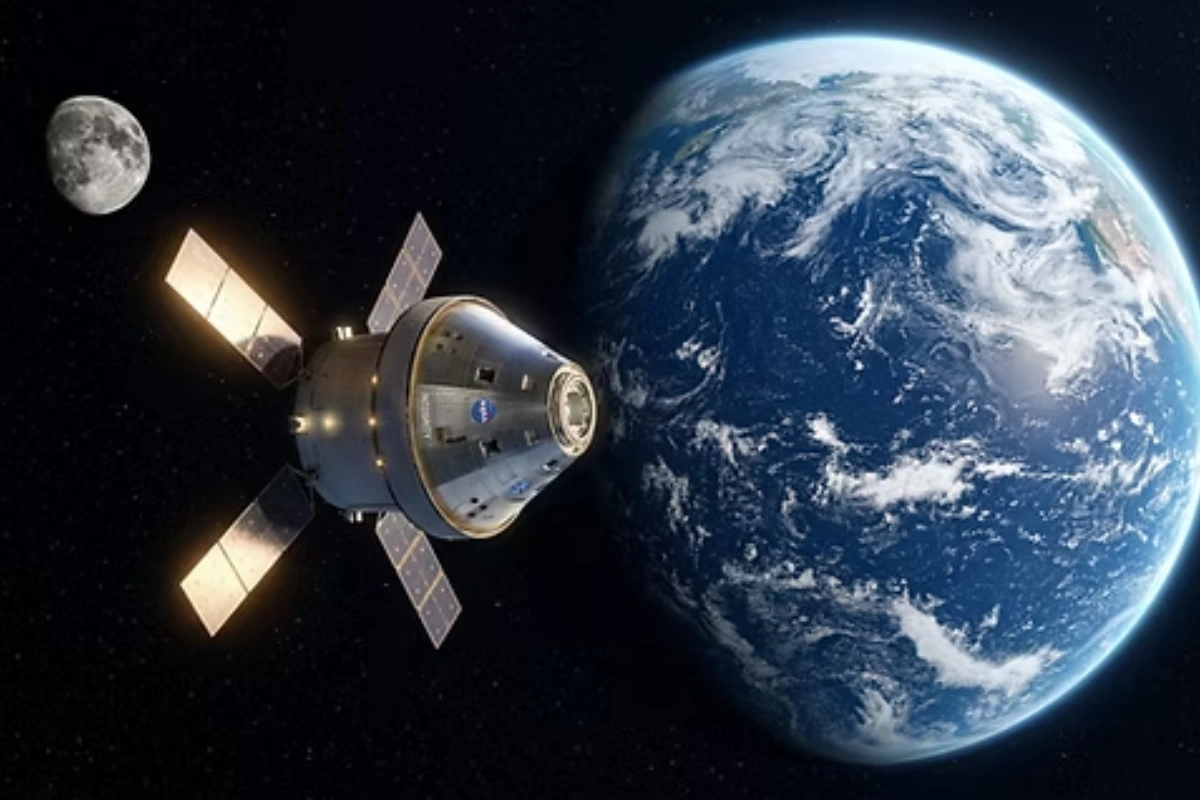
NASA Artemis II: NASA’s Artemis II project has turned out to be a huge technological success, even though it was behind schedule. The mission, which was meant to be the first crewed test flight of the Artemis program, went very smoothly and confirmed key systems needed for exploring deep space.
DON'T MISS
From launch to execution of the mission’s trajectory, it proved that human-rated systems can work consistently beyond low Earth orbit. This is an important step forward for future missions to the moon and Mars.
Reusable systems show how useful they are.
One of the most important things Artemis II did was prove that space travel systems can be used again and again. The Orion capsule and its supporting systems showed that they were strong and efficient enough to go on many flights.
This success makes people more optimistic about NASA’s long-term goal of putting people on the Moon permanently. It also sets the stage for bigger and more complicated journeys, like those that will go to Mars in the next few decades.
The world is interested in real-time tracking
The real-time tracking system was one of the best parts of the project. It let people all over the world follow Orion’s path to the Moon. This openness not only got more people involved, but it also showed how important digital tools are becoming in modern space research.
What It Means for Artemis III
The success of Artemis II is a key step toward the goal of Artemis III, which is to put astronauts on the moon’s surface. The landing is now expected to happen around 2028, but the mission has proven that the main systems are ready.
A Big Change for Exploration of Deep Space
In the end, Artemis II is more than just a test flight; it marks the change from theoretical potential to real-world use. NASA has taken a big step toward sending people back to the Moon and eventually to Mars by balancing engineering goals with real-world performance.