

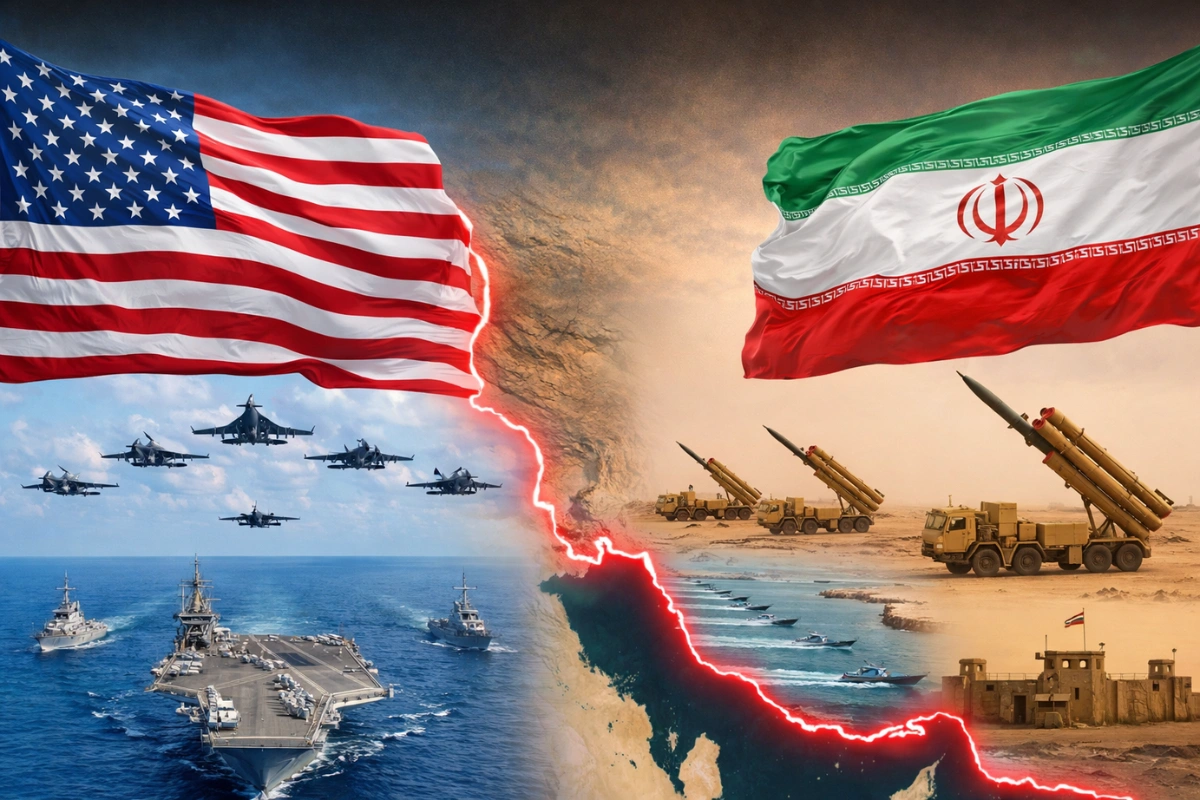
US Iran War: The US and Iran face off as President Donald Trump increases pressure on Iran while declaring the Strait of Hormuz to be U.S. territory. The tension has come following the US’ readiness to impose new sanctions against Iran. The United States Treasury Secretary, Scott Bessent, is expected to announce the toughest U.S. sanctions to date against Iran. Meanwhile, President Trump has also warned nations supporting Iran of economic implications.
DON'T MISS
Hormuz is the new point of conflict
The Strait of Hormuz has become an important aspect of the ongoing tension due to the strait’s strategic role in the shipment of energy resources. Tensions in the Strait have also affected the flow of energy in the market. President Donald Trump insists that the U.S. controls the region and continues to demand changes from Tehran, which has refused to give into the demands. Iran insists that the strait will not reopen under U.S. terms.
Iran threatens forceful retaliation
Iran has shown no signs of softening its stance in the face of the recent U.S. pressures. Iranian military authorities have threatened that any new provocations would lead to a devastating retaliation. The threat is being issued amid a state of uncertainty in the diplomatic arena and continued tensions impacting the shipping traffic of the area. The Iranian side has even denounced the sanctions as an act of economic war.
Global Energy Markets Remain Under Pressure
The continuing confrontation around Hormuz has implications beyond the US and Iran. The waterway is a crucial route for international oil shipments, meaning prolonged disruption could affect energy supplies and prices worldwide. With Washington increasing economic pressure and Tehran refusing to back down, the Strait of Hormuz remains one of the most sensitive flashpoints in the ongoing US-Iran War.


