

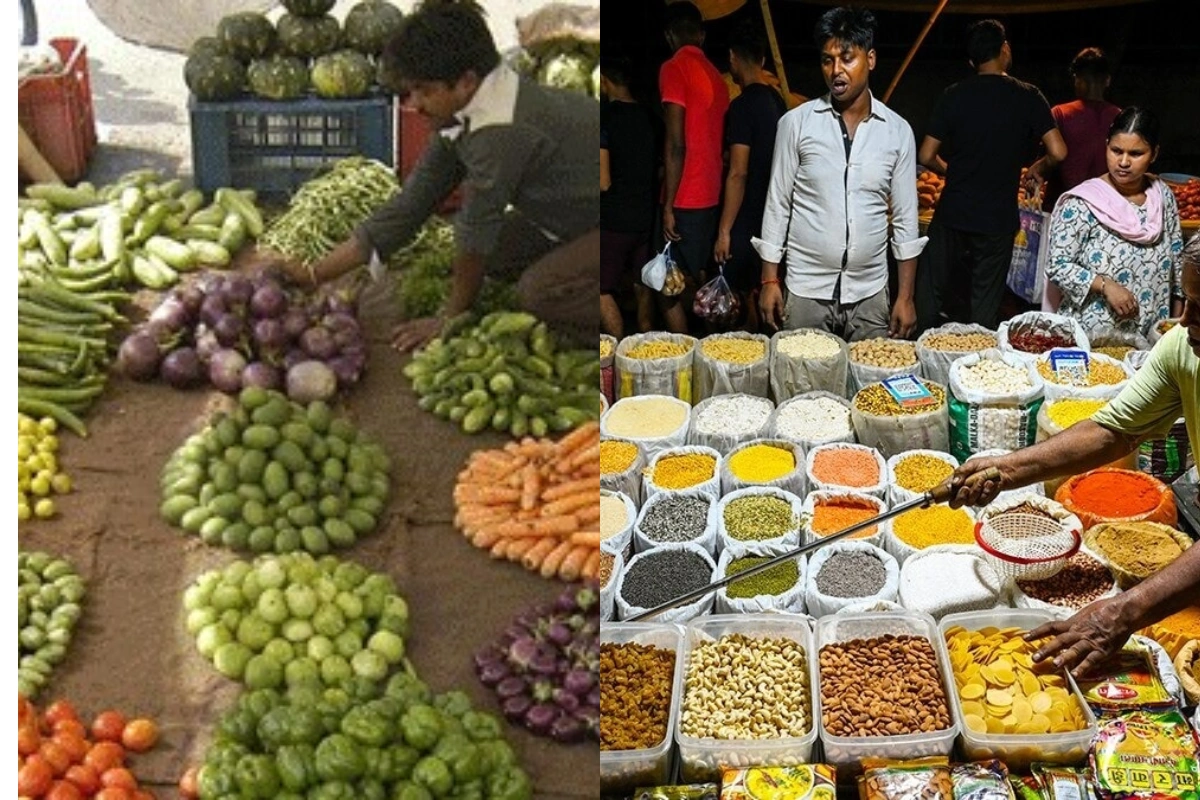
The ongoing US-Israel-Iran war is affecting kitchens around the world. Vegetables, pulses, and cereals are driving up retail inflation. Disruptions in the Strait of Hormuz, which is crucial for 30% of global oil and trade, have raised freight and energy costs. This increase is pushing up the prices of everyday staples. As crude oil approaches $100 per barrel due to Israeli strikes on Iranian facilities, farming and shipping costs are rising, which is directly inflating food prices.
DON'T MISS
Supply Chain Chaos Explained
Picture the Strait of Hormuz as a busy highway for grains, fertilizers, and produce. War-related blockades stop ships, delaying imports like India’s pulses (tur, urad from Myanmar, Canada) and basmati rice. One-third of global urea fertilizer, which is essential for vegetable and cereal crops, moves through this route. Shortages lead to lower yields and more expensive harvests. Traders warn that pulse prices could rise by 30% if the conflict continues, making affordable dal become a luxury.
Retail Inflation Breakdown
Retail inflation tracks price increases in consumer goods. Higher diesel prices for trucks and fertilizers raise the cost of transporting vegetables from farms to markets by 10-20%. Cereal exports, like rice, experience delays, while vegetable transportation costs increase for items like onions and potatoes. In India, this translates to an additional Rs 200-500 on your weekly grocery bill, putting pressure on middle-class budgets in the face of global impacts. President Trump’s comment about the “war nearly complete” provided a short-term drop in oil prices, but analysts expect ongoing effects without peace.
What It Means
Stock up smartly. Choose local produce to avoid rising import costs. Ongoing war threatens food shortages not seen in decades, according to Dow Jones, impacting vulnerable countries the most. Keep an eye on government subsidies, but expect dal-chawal dinners to be more expensive soon.