


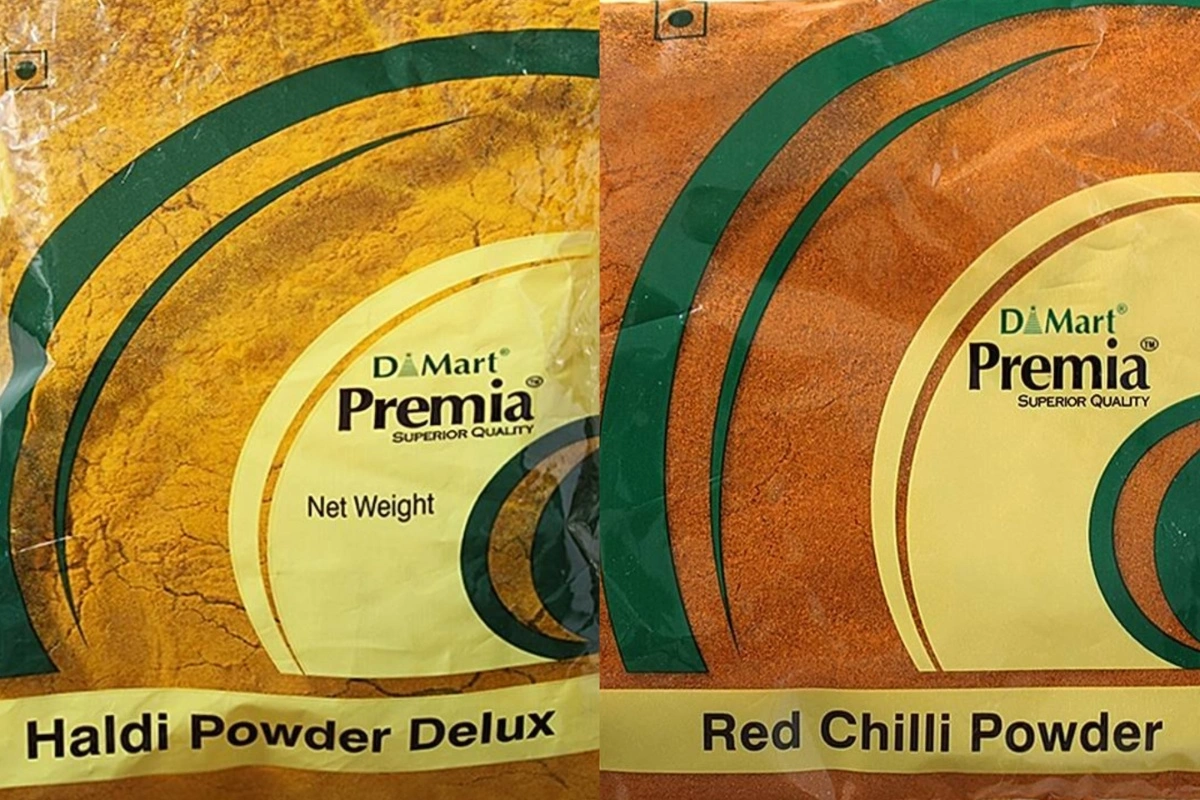
Spices are a daily part of every Indian kitchen. From dal to sabzi, we use haldi and mirchi almost every day. But have you ever wondered what is actually inside these basic ingredients? A recent DMart Spices Test has raised serious questions about quality and safety.
Trustified, India’s first 100% blind testing certification programme, recently started testing spices. Earlier, they tested products from a leading brand and found that most failed. Now, the focus has shifted to DMart’s private-label spices that many people buy because of their low price.
The DMart Spices Test aimed to find out whether cheaper products maintain quality or hide something concerning.
DMart Spices Test Results Raise Serious Concerns
To understand the truth, two commonly used products were tested:
- DMart turmeric powder
- DMart red chilli powder
These were purchased directly from a DMart store and tested in multiple stages.
Turmeric powder results:
- Heavy metals: Below limit
- Aflatoxins: Safe
- Synthetic dyes: Not found
- Pesticides: Within safe limits
- Microbiological test: Failed
Key findings:
DON'T MISS
- Enterobacteriaceae: 2.3 times higher than FSSAI limit
- Total Plate Count: 8.7 times higher
- Yeast and mould: 36 times higher
Red chilli powder results:
- Heavy metals: Within limit
- Aflatoxins: Safe
- Synthetic dyes: Not found
- Pesticides: Detected but within safe range
- Microbiological test: Failed
Key findings:
- Enterobacteriaceae: 21 times higher
- Total Plate Count: 1.5 times higher
- Yeast and mould: 27 times higher
The DMart Spices Test clearly shows that while initial safety checks passed, the final stage revealed major issues.
What This Test Concludes
The results point towards serious contamination concerns. These include:
- Possible faecal contamination (Enterobacteriaceae)
- Environmental contamination (high total plate count)
- Fungal contamination (yeast and mould)
Such findings may indicate poor hygiene, improper storage, or handling issues.
Health risks include:
- Short-term: Vomiting, diarrhoea, food poisoning
- Long-term: Gut issues and toxin-related damage
The biggest concern is that these spices are used daily. Even small risks can add up over time.