


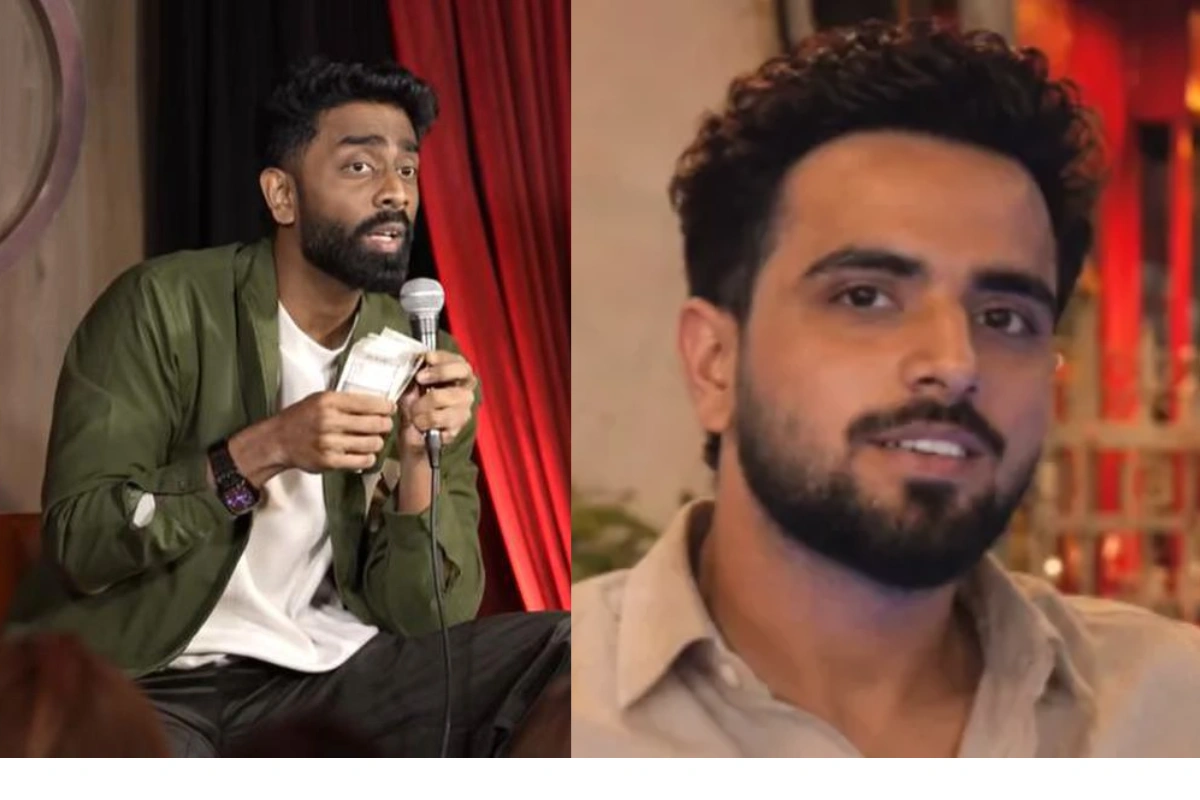
A viral clip from comedian Pranit More’s stand-up show has become one of the biggest talking points on Indian social media. What started as an interaction with the audience quickly turned into a nationwide debate about consent, accountability, and the boundaries of comedy. The controversy began when audience member Himanshu Jangra suggested that spending money on a date creates expectations in return. These comments, now referred to as the “₹370 Biryani” controversy, faced widespread criticism for promoting a transactional and problematic view of relationships. The clip spread rapidly on social media, sparking public outrage and legal scrutiny.
DON'T MISS
Why Netizens Are Calling It More Than Just Dark Comedy
Many social media users say it’s more than just a bad joke. Critics said the comments seemed to trivialise consent and encourage unhealthy attitudes towards women and dating. The comments on the show were met with laughter and were shared online and reached a wider audience and the backlash grew stronger. But free speech advocates say comedy is often a way to test boundaries. They are of the opinion that offensive jokes should be criticized, not prosecuted. The argument has sparked a larger debate about where to draw the line on humor and harm in society.
What This Says About Gen Z Culture
The controversy has also led to broader discussions about Gen Z. Some commentators say it is evidence of growing insensitivity online. Others say the strong response has the opposite effect. Millions of young people condemned the comments. This shows that consent, respect and accountability are really important to today’s generation.
How Gen Z Is Reacting Differently to Online Controversies
The Pranit More, Himanshu Jangra controversy is not just a single viral clip. It demonstrates how fast social media can disseminate controversial content and ignite conversations about values, accountability and current humor. Whether you see this as a dark comedy gone off the rails or a reflection of deeper social attitudes, this incident is a textbook example of how internet culture is changing in 2026.