

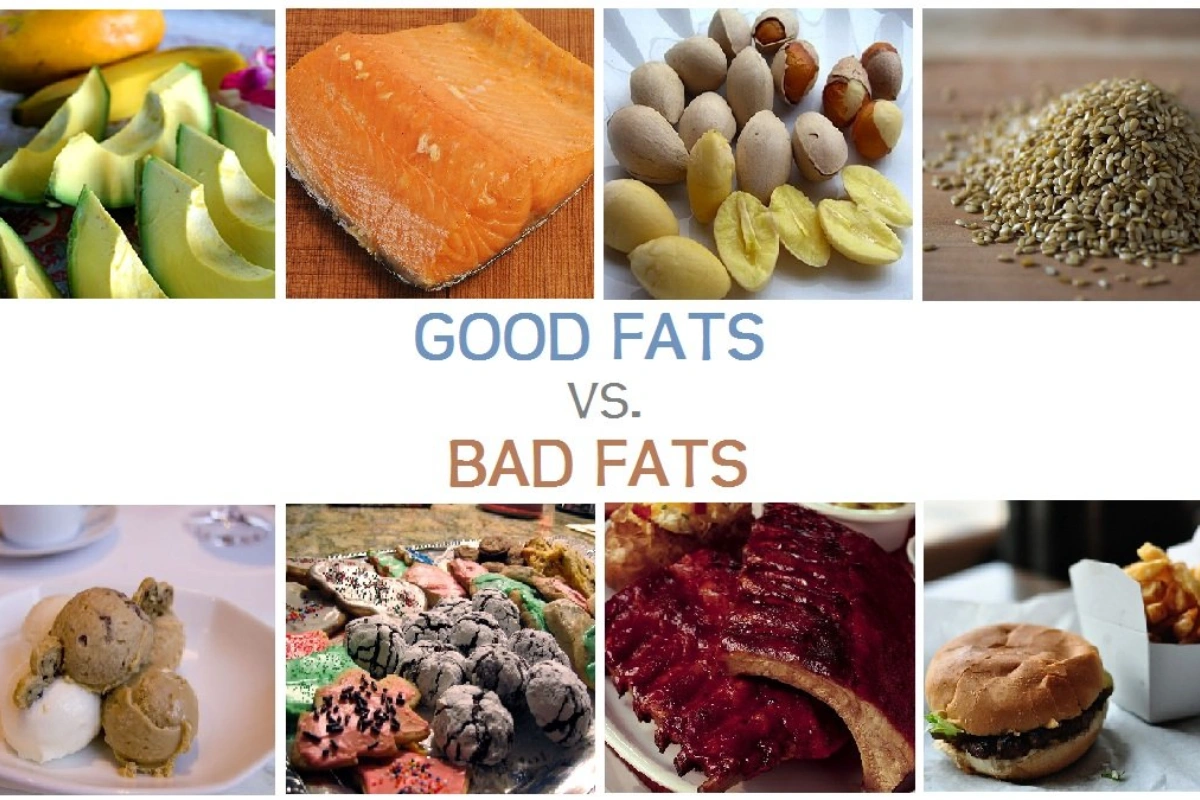
Heart Health: Do you know that your heart works relentlessly day after day, beating over 100,000 times a day, to sustain your body’s daily operations. Surprisingly, many of us unknowingly sabotage this vital organ through our daily dietary choices, especially when it comes to fats.
Before we read any further, it’s important for us to differentiate between good fats and bad fats and how they affect your cardiovascular system.
Heart Health-Understanding Good Fats And Bad Fats
Unsaturated Fats (The “Good” Fats)
These include monounsaturated and polyunsaturated fats that improve cholesterol levels, support overall heart function and reduce inflammation. These fats are commonly found in avocados, nuts and olive oil. They are helpful in reducing LDL (low-density lipoprotein), often referred to as “bad cholesterol” while maintaining or even increasing HDL (high-density lipoprotein), the “good cholesterol.”
DON'T MISS
Saturated Fats (The “Grey Area”)
They are found in animal products such as cheese, red meat and butter, as well as in certain plant oils like coconut oil. Saturated fats are safe in moderation but excessive consumption could possibly raise LDL cholesterol levels, increasing the risk of plaque buildup in arteries.
Trans Fats (The “Bad” Fats)
They are commonly found in processed foods, baked goods, fried items and margarine. Trans fats increase LDL cholesterol and reduce HDL cholesterol to accelerate artery damage. Moreover, they can promote inflammation, endothelial dysfunction (damage to blood vessel lining) and plaque formation, all of which significantly increase the risk of heart attacks and strokes.
How to Increase Good Fats in Your Diet?
- Switch to oils rich in monounsaturated fats, such as olive oil, mustard oil, or groundnut oil.
- Avoid repeatedly reheating oils, as this can create harmful compounds.
- Include fish (rich in omega-3 fatty acids) like salmon, mackerel and sardines at least twice a week.
- Almonds, walnuts, flaxseeds and chia seeds are excellent sources of healthy fats, fibre and antioxidants.
How to Reduce Bad Fats?
- Look out for terms like “partially hydrogenated oils,” which indicate the presence of trans fats.
- Fast food, packaged snacks and deep-fried items are often loaded with trans fats and unhealthy oils.
- Replace fatty cuts of meat with leaner options like skinless chicken, fish or plant-based proteins such as lentils and beans.
- Prefer grilling, steaming or baking over frying to reduce the need for excessive oil and preserve nutrient quality.
Disclaimer: This content, including advice, provides general information only. It is not a substitute for a qualified medical opinion in any way. The methods and claims mentioned in this article should be considered as suggestions only; DNP India neither confirms nor denies them. Always consult a doctor before following any such suggestions/treatments/medications/diets.


