

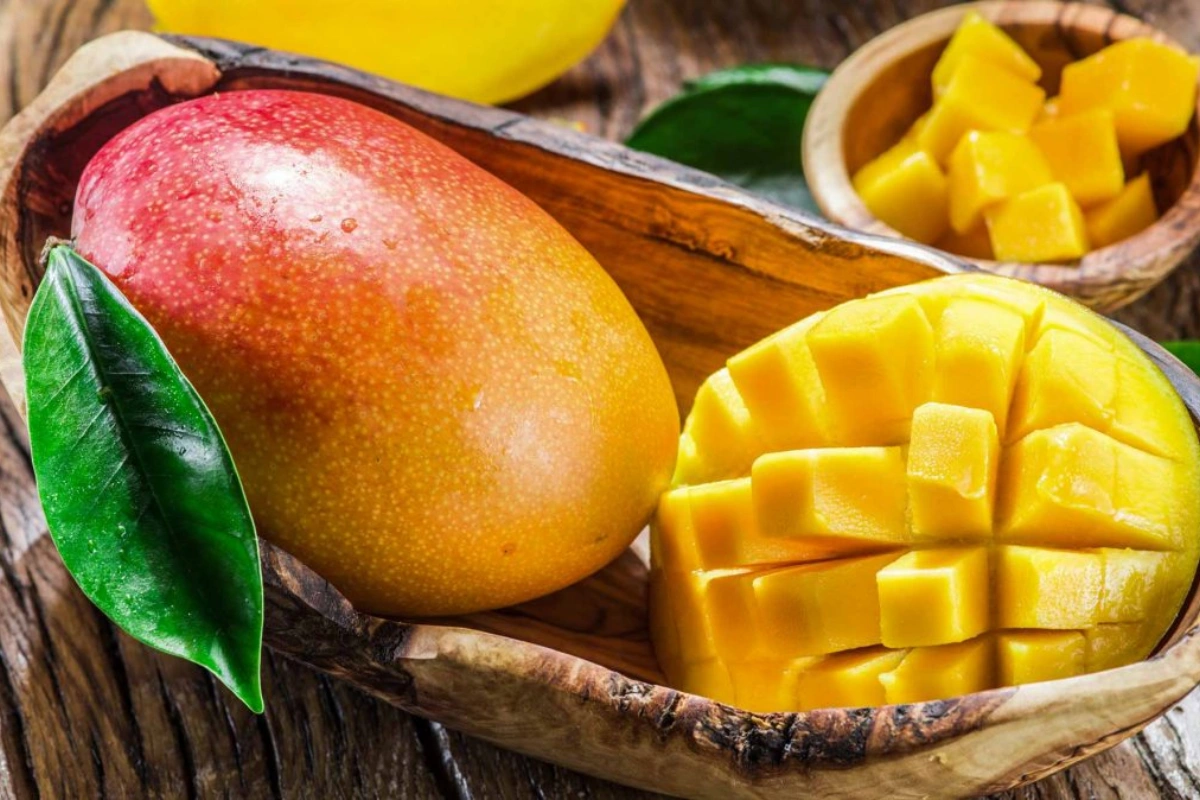

Mango Adulteration: Mangoes have long been celebrated as the “king of fruits,” a title earned through their rich taste, vibrant colour and deep cultural significance. From childhood memories of summer afternoons to festive dishes and refreshing drinks, mangoes are woven into the fabric of everyday life in India.
However, in recent years, this beloved fruit has come under scrutiny due to increasing cases of adulteration and artificial ripening practices.
DON'T MISS
Mango Adulteration-Growing Number Of Cases
For several years now, the use of harmful chemicals such as calcium carbide and ethylene gas to artificially ripen mangoes has transformed a natural delight into a potential health hazard. These substances, when improperly used, can lead to toxicity, digestive issues and long-term health complications.
Why Is Mango So Popular?
- Rich, sweet and unique flavour profile
- Cultural and traditional significance
- Versatility in culinary uses
- Seasonal exclusivity creates demand
- Appealing aroma and vibrant colour
- Used in beverages, desserts, and savoury dishes
- Associated with summer and refreshment
- Easily accessible and widely cultivated
How to Identify Adulterated Mangoes: Practical Tips
- Naturally ripened mangoes typically have a mix of green, yellow and sometimes red shades, whereas chemically ripened ones often appear uniformly bright yellow or artificially coloured.
- Artificially ripened mangoes may feel soft on the outside but remain hard or raw inside. When cut open, they may show uneven ripening, with patches of white or overly firm flesh.
- Chemically treated ones may have little to no smell or sometimes an unusual, pungent odour.
- Check for powdery residue on the skin. Calcium carbide-treated mangoes may have a whitish or greyish powder on their surface.
- Place the mango in a bucket of water; naturally ripened mangoes usually sink, while adulterated ones may float due to internal chemical changes.
Ideal Quantity To Consume And Precautions To Follow
For a healthy adult, consuming one medium-sized mango or about 150–200 grams per day is generally considered appropriate. Before consuming mangoes, always wash them thoroughly under running water. Soaking them in water for 20–30 minutes can help remove surface contaminants and reduce heat-producing properties often associated with the fruit.
Disclaimer: This content, including advice, provides general information only. It is not a substitute for a qualified medical opinion in any way. The methods and claims mentioned in this article should be considered as suggestions only; DNP India neither confirms nor denies them. Always consult a doctor before following any such suggestions/treatments/medications/diets.