

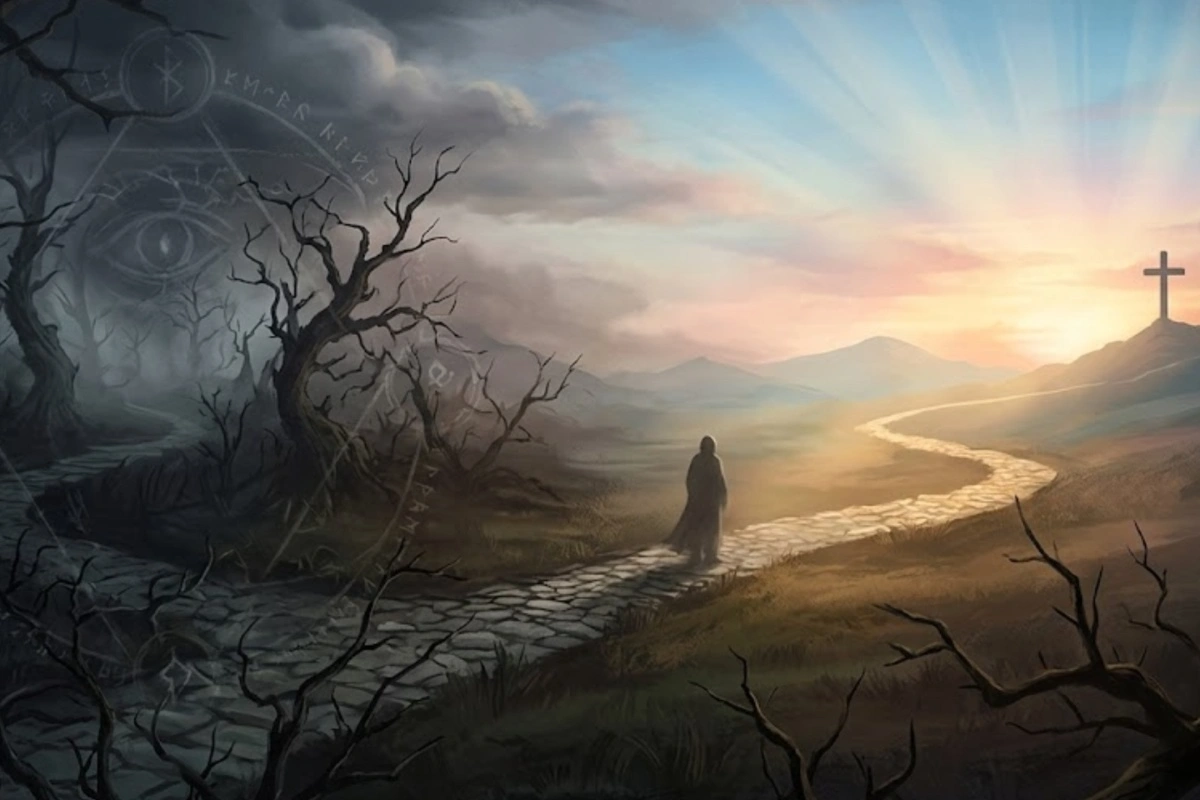
Good Friday is one of the most important days in Christianity. It marks the crucifixion of Jesus Christ. People observe it with prayer, fasting and silence. However, a strange belief has grown over time. Many people wonder: Is Good Friday unlucky?
This idea does not come from religion alone. It comes from a mix of tradition, fear and human psychology. In simple terms, it may be what experts call a “fear loop” – when people expect something negative and start believing it is true.
Why Good Friday Feels Unlucky To Many
The belief that Good Friday is unlucky starts with its meaning. The day is linked to suffering, death, and mourning. Because of this, it naturally feels heavy and emotional.
DON'T MISS
Over time, this feeling turned into fear in some cultures. People began to treat the day as one where things could go wrong.
There are other reasons too:
- Friday itself has long been seen as unlucky in some traditions
- Events like the crucifixion are believed to have happened on a Friday
- The fear of “Friday the 13th” adds to this idea
When these beliefs mix together, they create a pattern. People start expecting bad luck on Good Friday even without proof.
Fear Loop: The Truth Behind Beliefs
This is where the “fear loop” begins. When people believe a day is unlucky, they become more alert to negative events. If something small goes wrong, they connect it to the day.
This creates a cycle:
- Expect bad luck
- Notice negative things more
- Believe the day is unlucky
In reality, there is no evidence that this day brings more bad luck than any other day.
From a religious point of view, Good Friday is not about fear at all. It is about sacrifice, faith and hope. The word “Good” reflects the belief that something meaningful came from a tragic event.
Modern psychology also explains this clearly. It is called confirmation bias—people notice what they already believe.
So, Is Good Friday Unlucky?
No. It is not an unlucky day. It only feels that way because of cultural beliefs and mental patterns. In reality, the day is meant for reflection and understanding. It reminds people to pause, think and find meaning.
The fear may still exist, but it is not real. It is just a loop created by belief, not by fact.


