

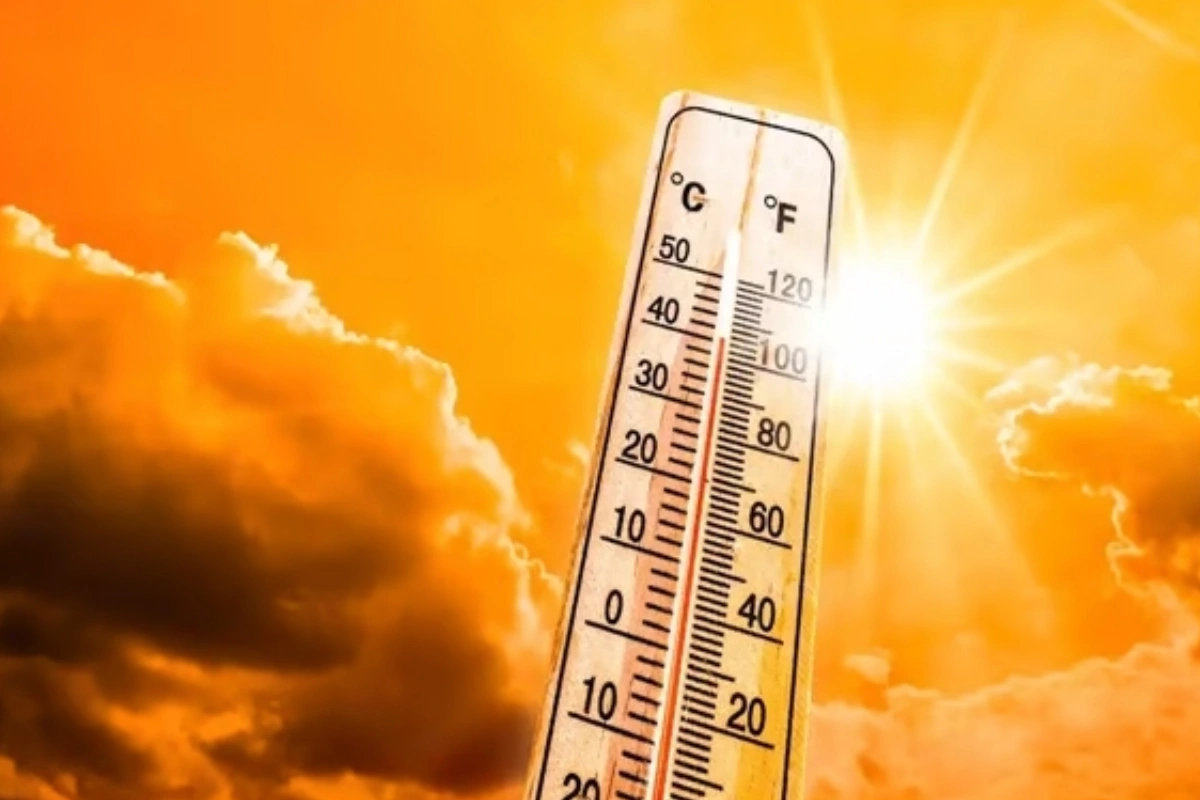
Heatwave Alert: The first heatwave of 2026 has occurred in India, which creates climate pattern monitoring problems for meteorologists and environmental scientists. The quick temperature increase that affected multiple areas of the country has caused authorities to issue heatwave warnings because summer weather patterns have started to develop earlier than normal.
DON'T MISS
Temperatures Rise Earlier Than Expected
The temperatures in India have increased beyond normal limits for several days now. The mercury has exceeded the normal seasonal temperature range in some areas,, which now experience heatwave conditions. Indian heatwaves typically occur during the months of April and May, but weather observers did not expect this intense hot weather to arrive during early spring.
Why Are Heatwaves Becoming More Frequent?
Scientists believe that climate change and global warming cause more frequent heatwaves, which we now experience. The rising global temperatures have disrupted natural weather patterns, which have resulted in more frequent and intense extreme heat events. Urbanization and deforestation, together with increasing greenhouse gas emissions, create environmental problems.
Health and Environmental Concerns
Heatwaves create dangerous conditions that exceed their typical effects of discomforting people. Extreme heat results in dehydration, together with heat exhaustion and heatstroke after people spend extended time in extreme temperatures. The elderly outdoor workers and children who are vulnerable groups face elevated health risks. Extreme heat creates health problems, which also disrupt agricultural activities and limit water resources and increase electricity usage.
What are experts saying?
Heatwave Alert: Weather experts, together with climate researchers, call on both authorities and citizens to treat heatwave warnings as urgent matters. People can protect themselves from heat-related dangers through preventive measures, which include staying hydrated and avoiding direct sunlight during peak hours and wearing light clothing.