

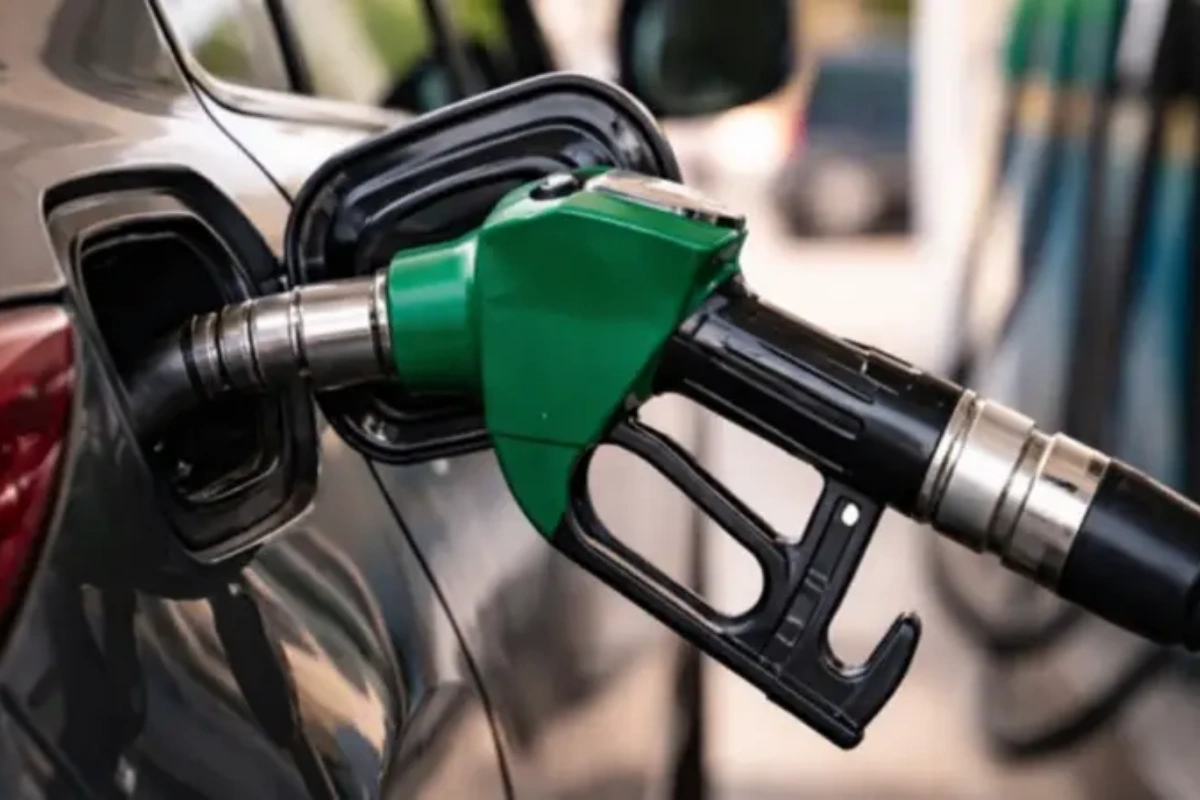
Petrol Diesel Price Hike: The latest petrol and diesel price hike in India has turned daily commuting into a growing financial burden for millions of households. As global crude oil prices surge due to the ongoing Iran war and tensions in the Middle East, Indian consumers are now paying significantly more at fuel stations. Reports suggest fuel prices have increased by nearly ₹3 per liter across major cities, marking the first major revision in years.
Why Petrol and Diesel Prices Are Rising?
The Iran war has disrupted global oil supply chains and increased fears around the Strait of Hormuz, a major route for crude oil transportation. Since India imports a large portion of its crude oil requirements, any increase in international oil prices directly affects domestic fuel rates. Global crude prices recently surpassed $100 per barrel, prompting oil companies to increase retail fuel prices to offset mounting losses.
DON'T MISS
How the Fuel Price Hike Is Affecting Daily Life?
The fuel price increase is putting pressure on monthly household budgets. Office commuters are spending more on daily travel, while businesses that depend on transportation are facing higher operational costs. Cab fares, delivery charges, and logistics expenses are also expected to rise gradually. In cities like Mumbai, petrol prices have crossed ₹106 per liter after the latest hike.
1. Shift to Carpooling or Ride Sharing
Carpooling can help commuters divide fuel expenses and reduce monthly travel costs. Sharing rides with colleagues or neighbors is becoming an effective way to manage rising petrol prices.
2. Use Public Transport More Often
Metro trains, buses, and local rail services are more economical than private vehicles for long daily commutes. Even partial use of public transport can reduce monthly fuel expenses significantly.
3. Improve Your Vehicle’s Fuel Efficiency
Maintaining tyre pressure, servicing vehicles regularly, and avoiding sudden braking can improve mileage. Small driving habit changes can help save fuel over time.
4. Consider Electric Vehicles or Hybrid Options
Rising petrol and diesel costs are encouraging more consumers to switch to electric scooters and hybrid vehicles. EVs offer lower running costs and can help reduce dependence on expensive fuel.
5. Plan Trips and Travel Smarter
Combining errands into one trip, avoiding peak traffic hours, and using navigation apps to find shorter routes can help reduce unnecessary fuel consumption and save money.
Could Fuel Prices Rise Further?
Experts believe fuel prices may continue rising if geopolitical tensions remain unresolved and crude oil prices stay elevated. Higher fuel costs could also increase inflation and raise prices of essential goods across the country.