Home Blog Page 102

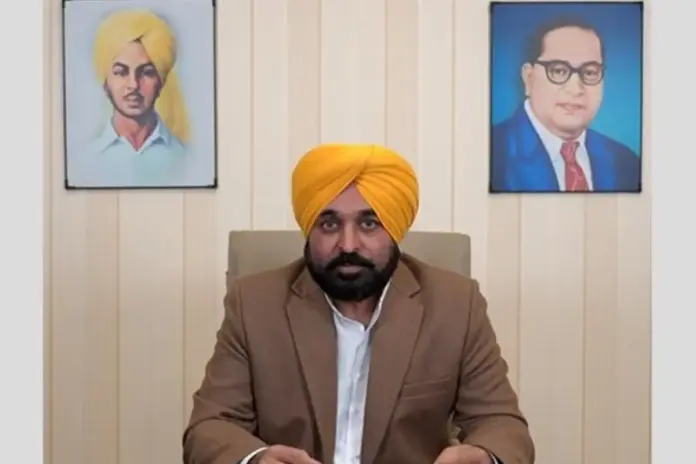
Bhagwant Mann Intensifies Anti-Gangster Drive, Conducts 646 Raids and Arrests 326 in Statewide Crackdown

Bhagwant- Mann
Google

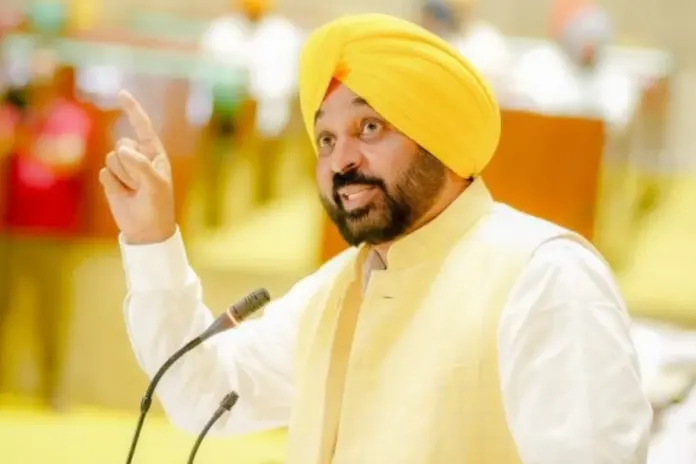
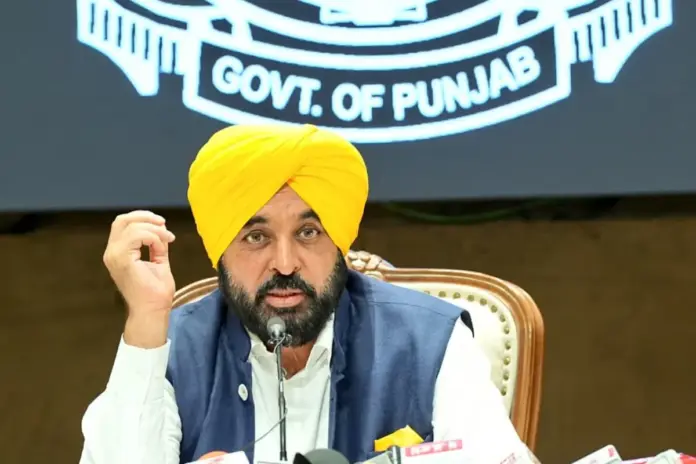
Punjab Police, in coordination with the Anti-Gangster Task Force (AGTF), continued its statewide anti-gangster campaign under the “Gangstran Te Vaar” initiative, carrying out extensive raids across the state to curb organized crime and strengthen public safety.

Bhagwant Mann Intensifies Anti-Gangster Drive

According to an official update shared by Punjab Police, the operation marked Day 182 of the ongoing campaign and involved 646 targeted raids at identified and mapped locations linked to gangster networks.

Conducts 646 Raids and Arrests 326 in Statewide Crackdown

During the latest crackdown, police arrested 326 individuals, including eight proclaimed offenders who had been evading law enforcement. Officials stated that the coordinated action reflects the state’s continued focus on dismantling criminal gangs and preventing organized crime.

Since the launch of the “Gangstran Te Vaar” campaign, Punjab Police has made a total of 51,256 arrests, highlighting the scale of the ongoing enforcement drive against gang-related activities across Punjab.

Punjab Police reiterated its commitment to maintaining law and order and ensuring a safer environment for residents by taking sustained action against gangster networks.

The department has also appealed to the public to support its efforts by sharing information related to criminal activities through the Anti-Gangster Helpline (93946-93946). Authorities said all information provided through the helpline will be treated confidentially.

The anti-gangster campaign remains one of Punjab Police’s major law enforcement initiatives aimed at disrupting organized crime, apprehending wanted criminals, and enhancing public security across the state.

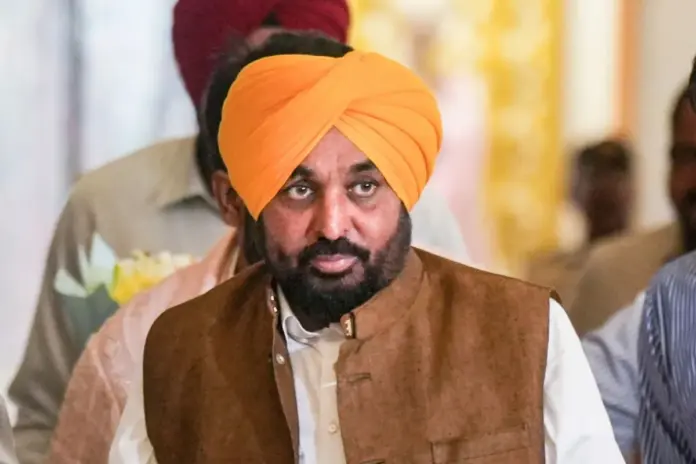
Bhagwant Mann Says Punjab Becomes First State to Introduce Artificial Intelligence as Core Subject from Class 1 to 12 in PSEB Schools

Bhagwant- Mann
Google

Punjab has become the first state in India to introduce Artificial Intelligence (AI) as a core subject for students from Class 1 to Class 12 in all Punjab School Education Board (PSEB) schools, according to Punjab Education Minister Harjot Singh Bains.

Bhagwant Mann Says Punjab Becomes First State to Introduce Artificial Intelligence

Announcing the initiative, Bains said that from now on, every child studying in a government school under the PSEB system—whether from an urban or rural area—will receive education in Artificial Intelligence, equipping students with skills that are increasingly in demand across the world.

The minister described the move as a landmark step

The minister described the move as a landmark step in modernizing Punjab’s education system and preparing students for emerging technologies and future careers. He said the initiative aims to bridge the digital divide by ensuring equal access to AI education for children across the state.

Bains also credited AAP National Convenor Arvind Kejriwal for envisioning the education reforms and said that Punjab Chief Minister Bhagwant Mann is implementing them through policy measures focused on innovation and quality education.

The introduction of AI as a mainstream subject is expected to strengthen digital literacy, promote technological awareness, and help students develop future-ready skills from an early age. The Punjab government believes the initiative will enhance learning opportunities and better prepare students for higher education and careers in the rapidly evolving technology sector.

The announcement marks another significant education reform by the Punjab government, positioning the state at the forefront of integrating emerging technologies into school education.

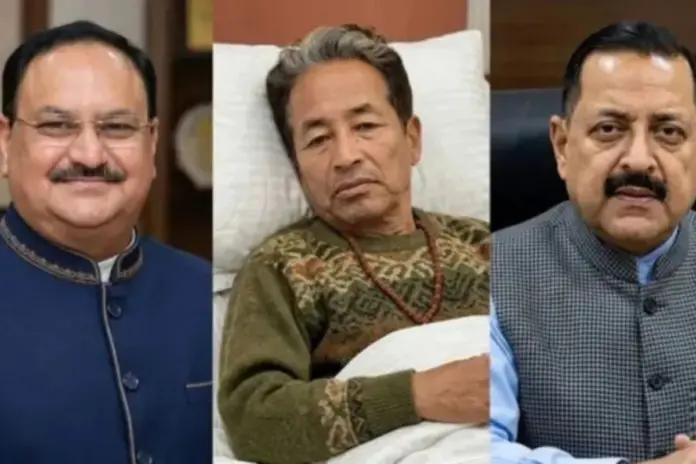
Delhi High Court Intervenes in Sonam Wangchuk’s Health Case, JP Nadda, Jitendra Singh At Hospital

Sonam- Wangchuk
Google

Sonam Wangchuk: The health condition of activist Sonam Wangchuk took center stage on Tuesday, drawing judicial intervention and a late-night hospital visit from two senior Union Ministers, as the fallout from the NEET-UG protests continued to widen.

Delhi High Court Orders Transfer

The Delhi High Court, acting on a plea filed by Wangchuk’s wife Gitanjali Angmo, directed his immediate transfer from Safdarjung Hospital to Medanta Hospital in Gurugram. A Division Bench comprising Chief Justice Devendra Kumar Upadhyaya and Justice Tejas Karia accepted the plea seeking access to advanced medical facilities. Safdarjung Hospital confirmed Wangchuk was discharged at 6:40 pm and handed over to the Medanta team, noting that while his vital parameters were stable at the time, pancytopenia persisted.

Admitted to ICU Under Tight Security

Wangchuk arrived at Medanta in an ambulance around 7:30 pm under heavy security and was admitted to ICU 8 under the supervision of Dr Sushila Kataria, an internal medicine specialist. Security around the hospital was significantly tightened, with a Vajra anti-riot vehicle stationed on the premises and strict identification checks in place. Despite the transfer, Wangchuk has continued his fast, now in its fourth week, in solidarity with students allegedly injured during Monday’s police action.

Nadda and Jitendra Singh Visit the Hospital

Union Health Minister JP Nadda and Minister of State for the PMO Jitendra Singh visited Wangchuk at Medanta on Tuesday night, spending over an hour enquiring about his health. Sources said the ministers also briefed him on the government’s readiness to hold a Parliament debate on the NEET paper leak issue and assured him that steps toward broader educational reforms were being considered.

Protests Continue at Jantar Mantar

Even as Wangchuk remained hospitalised, more than 5,000 protesters returned to Jantar Mantar to resume the agitation, a day after violent clashes during the Sansad Chalo march. Organisers said the protest would continue indefinitely, though further marches toward Parliament have been suspended for now.

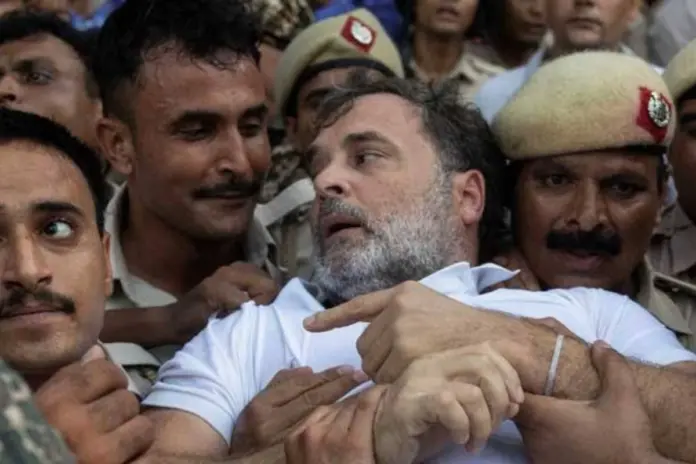
Delhi on Boil! Rahul Gandhi Demands Resignation of PM Modi and Home Minister After Alleged Atrocities On Student, BJP Hits Back Hard

Rahul- Gandhi
Google

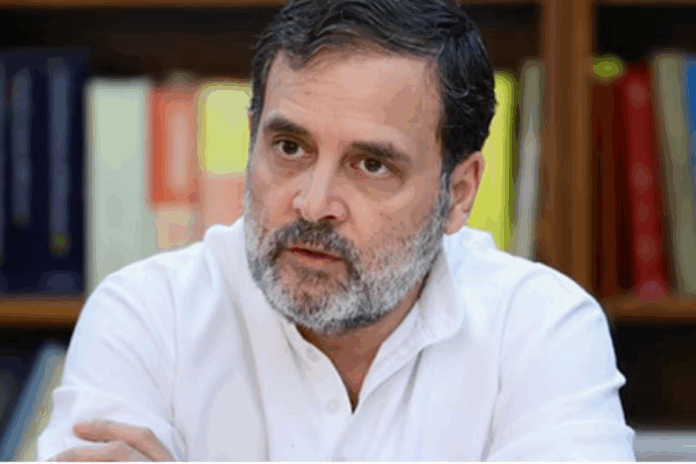
The national capital turned into a political battlefield on Tuesday as Leader of Opposition Rahul Gandhi marched with senior Congress leaders toward PM Narendra Modi’s residence at 7, Lok Kalyan Marg, demanding accountability over the alleged police crackdown on student protesters.

What Triggered the Congress Protest

The confrontation stems from Monday’s Sansad Chalo march, organised by the Cockroach Janta Party along with activist Sonam Wangchuk, demanding Education Minister Dharmendra Pradhan’s resignation over NEET-UG paper leak irregularities. Delhi Police used lathi-charge and tear gas on the marchers, leaving over 60 protesters injured, including one woman reportedly on ventilator support.

Rahul Gandhi Leads the Charge

Rahul Gandhi, joined by Priyanka Gandhi Vadra, Kharge, Karnataka CM DK Shivakumar and other party leaders, staged a sit-in demanding both Modi and Shah step down for “destroying the future of India’s youth.” “An attack on students is an attack on every Indian family,” Gandhi said, accusing the government of dodging accountability. Talks with Union Minister Jitendra Singh failed to defuse the standoff, and Delhi Police later detained Gandhi along with several other Congress leaders.

BJP Pushback: Pradhan’s Viral Facebook Post 

The BJP hit back sharply, with Dharmendra Pradhan breaking his silence in a pointed Facebook post. He accused Rahul Gandhi and the Congress. Pradhan claimed the government had already offered a comprehensive discussion on NEET, but Congress chose “political spectacle.

Parliament Disrupted Amid Standoff

The row has spilt into the Monsoon Session, with both Houses seeing early adjournments as the Opposition pushes for a debate on the NEET paper leak and the alleged police action. With neither side backing down, the standoff over accountability for Monday’s crackdown shows no signs of easing.

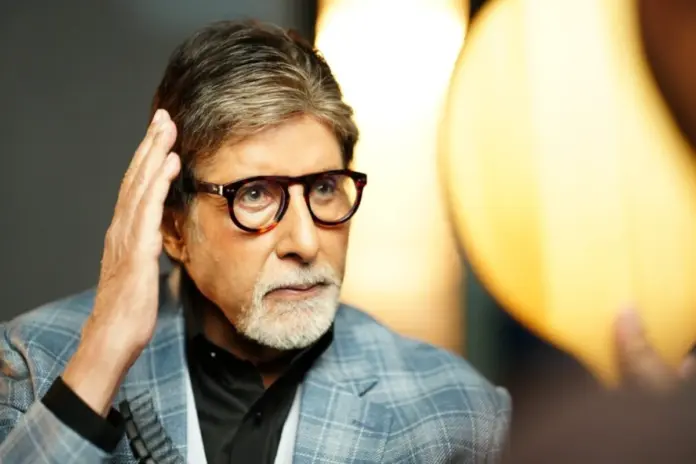
BREAKING: “I Am Fine” Amitabh Bachchan Debunks Hospitalisation Reports After Cryptic ICU Blog Post Triggers Nationwide Health Scare

Amitabh- Bachchan
Google

A single blog post was enough to send millions of fans into a state of alarm. On Tuesday, Amitabh Bachchan shared a reflective note describing time spent “in Hospital in a surgery and in the ICU,” followed by a homecoming he called “the most difficult phase” of life, physically, psychologically and practically. Within hours, the post was being read as a confession about his own health, and speculation intensified further after he posted a separate cryptic line on X: “The game has ended! But the work is still going on.”

Amitabh Bachchan Sets the Record Straight

By Wednesday, the actor moved quickly to end the confusion. “I am fine. I did not undergo surgery. It is a misunderstood post,” he wrote, explaining that his words were never about himself.

The Real Context: Messi and Argentina’s Defeat

Bachchan clarified that his post was drawing an analogy to Lionel Messi’s experience after Argentina’s World Cup final loss. He explained that the hardest period for any “Champion” is not the defeat itself, but the aftermath, when they must reconcile with someone else taking their place. “Every Champion must know that in time there shall be another Champion,” he added, noting that fans had “assumed incorrectly” that the post referred to him.

A Pattern of Health Speculation

This is not the first time Amitabh Bachchan’s health has dominated headlines. He has previously been hospitalised for COVID-19, eye surgery, and an angioplasty, which may explain why fans reacted so swiftly this time. For now, the actor has reassured his massive fanbase that all is well, closing his clarification with a simple message: “Be well, be happy.”

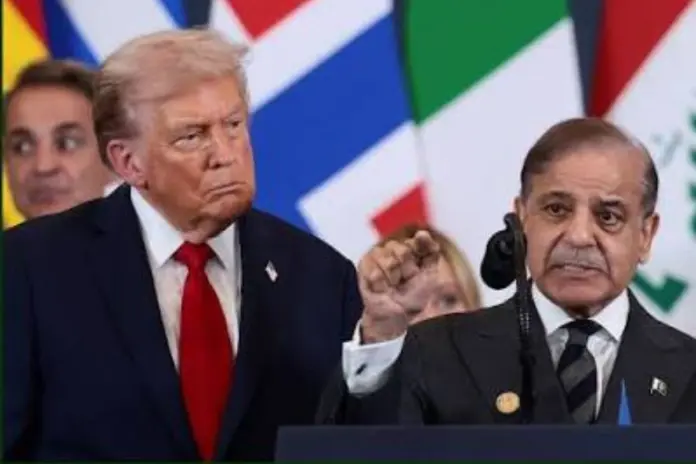
Beggars Can Be Choosers! Pakistan Seeks $10 bn Commission For Unsuccessfully Mediating US Iran Peace Deal?

Pakistan
Google

Pakistan sought an exchange stabilization facility of up to USD 10 billion from the US following its success in reducing the tension between the US and Iran. The reason behind the report has raised a lot of discussion since the part played by Pakistan in helping in reducing the tension between the US and Iran is still unclear as there is no peace accord yet officially signed. 

Pakistan’s Reported Reques

Pakistan has asked the US for a USD 10 billion exchange stabilisation facility to support its struggling economy.The proposed assistance is aimed at strengthening Pakistan’s foreign exchange reserves, stabilising its currency, and improving investor confidence as the country continues to face economic challenges.

The Mediation Claim

Pakistani officials have highlighted their diplomatic engagement with both Washington and Tehran during the recent period of heightened tensions. However, there has been no officially announced US-Iran peace agreement or confirmation that Pakistan successfully mediated a formal settlement between the two countries.

Why the Request Is Making Headlines?

The timing of Pakistan’s financial request has drawn significant attention. Critics argue that seeking large-scale economic assistance immediately after claiming a diplomatic role creates the impression that Islamabad is expecting strategic or financial rewards despite the absence of a formal peace breakthrough.

What Is an Exchange Stabilization Facility?

An exchange stabilisation facility is a financial arrangement designed to help a country maintain stability in its currency and foreign exchange reserves.

If approved, the funding could:

  • Support Pakistan’s foreign currency reserves.
  • Reduce pressure on the Pakistani rupee.
  • Improve market confidence.
  • Strengthen the country’s financial position during economic uncertainty.

Could the US Approve the Request?

There has been no official confirmation from Washington that the request has been approved. Any decision is expected to depend on broader strategic, economic, and diplomatic considerations, including US foreign policy objectives and Pakistan’s economic reform commitments.

West Asia On Boil! Donald Trump Threatens Heavy Strikes on Iran’s Pickaxe Mountain Nuclear Facility, US Iran War Enter Dangerous Zone

Donald- Trump
Google

Donald Trump: New tensions have arisen in the Middle East after the warning by the United States‘ President, Donald Trump, of potential major military attacks against the nuclear facility of Iran at Pickaxe Mountain. 

Why Has Pickaxe Mountain Come Under Scrutiny?

The Pickaxe Mountain facility in Iran is said to be one of the best-protected nuclear facilities in the country. The underground nuclear facility is made in such a way that it can survive normal air attacks. Militarily, any operation against such a secure installation will have to be carried out using special bunker-busting munitions.

Trump’s Statement Increases Tension

The US president has stated that America would use military force should the country continue with the acts that pose a security risk to America. From his statement, he clearly means that military power could be used if diplomacy does not solve the issues relating to the nuclear program of Iran.

Iran’s Reaction to the US Threat

Iran has denied the threat issued by the US and has said that their nuclear program is peaceful. They have threatened to respond decisively should there be any attacks on their nuclear sites, and that the country is fully prepared for such an eventuality.

Why This Is Important?

This new move has raised the threat of full-blown war in West Asia. It is expected that any use of force may result in:

  • Disturbance of the oil flow around the world
  • Tensions increase in the Middle East region.
  • Assaults against military bases in the region
  • International shipping routes being endangered

Global Figures Appeal for Reconciliation

Some countries have called on both the US and Iran to go back to diplomatic negotiations rather than engaging in a military operation. It is believed that even a small attack will be enough to trigger a much bigger regional war, including many other nations and armed groups.

Bhagwant Mann Govt’s Sikhya Kranti Helps Punjab Students Start Their Own Businesses; Over 20,000 Student Ventures Generate ₹90 Crore in First Year

CM Mann

Punjab’s ‘Sikhya Kranti’ (education revolution) under the leadership of Chief Minister Bhagwant Singh Mann has delivered encouraging results through the Business Class programme introduced in Higher and Technical Education institutions across the state. Introduced as a mandatory subject for students pursuing B.Com., BBA, B.Tech. and B.Voc. courses, and students studying in ITIs and Polytechnics the programme covered nearly 95,000 students across Punjab during its first year. As part of the programme, 25,693 students started their own businesses, while 20,241 of these ventures have already generated nearly ₹90 crore in revenue.

On this achievement, Punjab Higher and Technical Education Minister Harjot Singh Bains said, “Punjab’s Business Class programme is redefining the purpose of education. Our objective is not merely to award degrees but to nurture a generation of young innovators, entrepreneurs and job creators. The fact that nearly 95,000 students have worked on their own business ideas and that more than 25,000 of them have started businesses, collectively generating nearly ₹90 crore in revenue within the very first year, demonstrates that when young people are provided with the right opportunities, they can build businesses, create employment and contribute meaningfully to the state’s economy.”

The Education Minister added, “Under the leadership of Chief Minister Bhagwant Singh Mann, Punjab’s Sikhya Kranti is preparing our youth not just for the jobs of tomorrow, but to create tomorrow’s opportunities.”

The Business Class programme was launched with a clear vision of ensuring that Punjab’s youth do not merely aspire to secure jobs but become creators of employment and contributors to economic growth. The two-credit compulsory course was introduced during the Academic Session 2025-26 for students pursuing B.Com., BBA, B.Tech. and B.Voc. programmes across 20 universities, 494 colleges, 320 ITIs and 91 polytechnics, covering 925 Higher and Technical Education institutions across Punjab.

Unlike conventional education that remains confined to textbooks and examinations, Business Class equips students with practical entrepreneurial skills such as identifying business opportunities, customer discovery, market validation, business setup, digital presence, pricing strategies, customer acquisition, financial planning, communication and problem-solving. As a result, around 57,000 students, nearly 60% of all participants, actively engaged in practical business activities during the academic session itself.

The programme has encouraged students across Punjab to start businesses in a wide range of sectors, including e-commerce, bakery and food services, digital content creation, coding and professional services, graphic designing, fitness and wellness, retail, beauty and personal care, agriculture-based enterprises, handicrafts and several local service businesses. The impact of the initiative is visible across the state.

Sourav, a Computer Engineering student at Guru Nanak Dev University, Amritsar, started Mock, in Matcha, a Matcha beverage venture that has generated around ₹90,000 in revenue by selling at college festivals and events. The venture gained popularity because of its unique flavours and freshness.

Sharanveer Singh of Maharaja Ranjit Singh Punjab Technical University, Bathinda, developed Skillexus, a digital career guidance platform that has already attracted more than 2.5 lakh users, demonstrating how students are building scalable technology ventures through the programme.

Pankaj, a B.Com. student from Sant Baba Bhag Singh University, Jalandhar, launched Zaria Jewellery, an online artificial jewellery business through Instagram and YouTube, serving around 150 customers and generating approximately ₹30,000 in revenue.

Kamaljeet Singh of Government ITI, Patiala, established KML Mushroom, supplying button mushrooms to local markets and restaurants. His venture has generated nearly ₹1.5 lakh in revenue and developed its own brand packaging.

Gaganpreet Kaur Rangi from Government ITI (Women), Mohali, started Nail Studio by Gagan, a home-based nail art business that has expanded through Instagram and collaborations with local salons, earning around ₹55,000.

Ramandeep Singh of Government ITI, Mohali, launched Quality Electronic Store, an online electronics business that has developed its own website and expanded sales through social media outreach.

These examples demonstrate that the Business Class programme is creating entrepreneurial opportunities for young people across Punjab.

Encouraged by the response and the results achieved during the first year, Vice Chancellors of universities across Punjab have unanimously recommended expanding Business Class to all undergraduate degree programmes from the Academic Session 2026-27. While the programme was initially introduced for students pursuing B.Com., BBA, B.Tech. and B.Voc. courses, it will now be extended to students enrolled in BA, B.Sc. and other undergraduate degree programmes, enabling many more young people to acquire practical entrepreneurial skills alongside their regular education.

The success of Business Class is another significant achievement of Punjab’s ongoing Sikhya Kranti under the leadership of Chief Minister Bhagwant Singh Mann. By integrating entrepreneurship into higher education, the Bhagwant Singh Mann Government is equipping students with practical skills that enable them to start businesses while pursuing their studies and emerge as job creators in the years ahead.

“Punjab Government’s focus on entrepreneurship gave students like me the confidence to build. Skillexus is my attempt to turn that mindset into a digital career guidance ecosystem that helps students make informed career choices,” said Sharanveer Singh, B.Tech (Computer Science & Engineering), Maharaja Ranjit Singh Punjab Technical University, Bathinda.

“Before the ‘Business Class’ program, I thought a job was the only option. This program changed my mindset and gave me the confidence to believe in my ideas. Today I don’t just look for a job, I’m motivated to build my own business and create opportunities for others,” said Gaganpreet Kaur Rangi, Govt ITI (Women), Mohali.


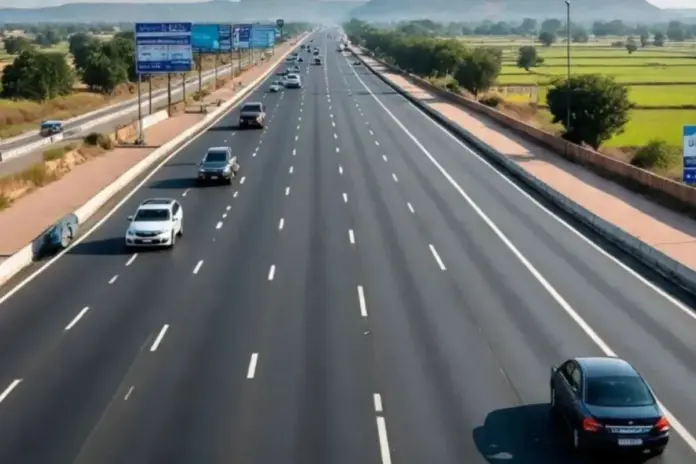
Delhi Mumbai Expressway Travel Gets Costlier as NHAI Raises Toll Rates From July 21

Beawar Bharatpur Greenfield Expressway
Image Credit: Google

Travelling on the Delhi Mumbai Expressway has become more expensive after the National Highways Authority of India (NHAI) implemented revised toll charges from July 21. The latest increase affects commuters using the Vadodara–Bharuch section of the expressway, with toll rates rising by around 5% for most categories of vehicles.

The revised charges apply to cars, vans, light commercial vehicles (LCVs), buses, trucks, and heavy axle vehicles passing through the four toll plazas located in Vadodara district. The toll revision comes just three months after motorists received temporary relief through reduced toll rates.

Delhi Mumbai Expressway Revised Toll Charges on Vadodara–Bharuch Route

Under the new tariff, cars and vans will now pay ₹210 at Dodka toll plaza instead of ₹205, while the toll at Fazalpur has increased from ₹195 to ₹200. At Samiyala, the rate has gone up from ₹125 to ₹130, whereas the toll at Sampa remains unchanged at ₹90.

Light commercial vehicles will also pay higher charges, with revised tolls ranging from ₹115 to ₹340 depending on the toll plaza. Bus and truck operators will see toll fees increase to as much as ₹715 at Dodka and ₹690 at Fazalpur. Heavy axle vehicles will now pay up to ₹935 at Fazalpur, making them the most affected category.

Four Toll Plazas Covered Under New Rates

The revised toll rates are applicable at four major toll plazas in Vadodara district—Dodka, Fazalpur, Samiyala, and Sampa in Karjan taluka. These toll points serve thousands of vehicles travelling towards Bharuch and South Gujarat every day.

Expressway Witnessing Growing Traffic

The Delhi-Mumbai Expressway, developed under the Bharatmala infrastructure programme, has witnessed a steady rise in traffic since its opening. The Vadodara–Bharuch corridor has also been extended towards Ena village near Bardoli, improving regional connectivity and increasing vehicle movement.

Rahul Gandhi Protests Outside PM Narendra Modi’s Residence; Government Sends Minister for Talks

Rahul Gandhi
Google

Congress leader and Leader of the Opposition Rahul Gandhi led a protest outside Prime Minister Narendra Modi’s official residence on Tuesday, accompanied by several Congress MPs and senior party leaders. The demonstration was held to raise concerns over recent developments affecting students and to demand accountability from the central government.

Rahul Gandhi Protests Outside PM Narendra Modi’s Residence

As the protest gained momentum, the Union government deputed a senior minister, Jitendra Singh, to meet Rahul Gandhi and initiate discussions. According to government officials, the meeting was aimed at finding a peaceful resolution and addressing the concerns raised by the Opposition.

Government Sends Minister for Talks

Following the talks, Jitendra Singh stated that the government had agreed to discuss the NEET-related issue in Parliament. However, he alleged that Rahul Gandhi later expanded his demands, leading to a deadlock in the negotiations. Congress leaders maintained that stronger action and greater accountability were necessary.

The protest witnessed a heavy deployment of Delhi Police and security personnel around the Prime Minister’s residence. Reports indicated that several Opposition leaders, including Rahul Gandhi, were later detained while attempting to continue the demonstration. Congress accused the authorities of suppressing democratic protests, while the government defended the security measures taken during the event.

The incident has intensified the political confrontation between the ruling BJP and the Congress. The Opposition has vowed to continue raising issues related to students and governance, while the government has reiterated its willingness to engage in parliamentary discussion on the matter.

CM Bhagwant Singh Mann Announces Major Relief: 10 Lakh New Ration Cards to Be Issued in Punjab

CM Mann

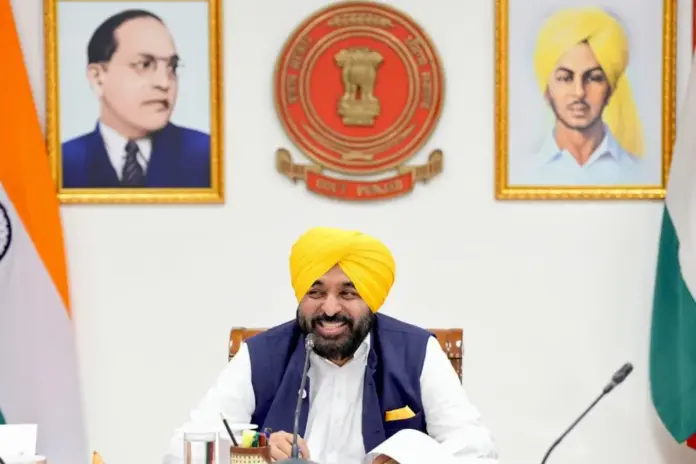
In a major push to strengthen food security and ensure welfare reaches every deserving household without corruption or favouritism, Punjab Chief Minister Bhagwant Singh Mann on Tuesday announced that the state government will issue 10 lakh new ration cards under a transparent, technology-driven system based on the principle of ‘No Cash, No Farmaish’.

Applications for new ration cards and inclusion of new family members will begin from July 22, with priority being given to vulnerable sections of society. Of the total beneficiaries, 7 lakh ration cards will be issued to newly eligible families, while 3 lakh e-Shram and migrant workers will be brought under the National Food Security Act (NFSA). Every new beneficiary will receive 5 kg of wheat along with the Meri Rasoi Nutrition Kit, further strengthening food and nutritional security across the state.

Addressing a press conference, CM Bhagwant Singh Mann said that the Transparent Ration Card Inclusion Drive is being conducted on the twin principles of ‘No Cash, No Farmaish’. “Punjab is adding 10 lakh new eligible beneficiaries to the ration card system, making this one of the largest food security inclusion drives in recent years. Of these, around 3 lakh e-Shram and migrant workers will be covered under the National Food Security Act, while another 7 lakh eligible beneficiaries will be brought under the scheme through fresh applications and inclusion of new members in existing ration cards,” he said.

The Chief Minister said that the state government has ensured that the process remains free from corruption and political influence. “Everyone knows that government jobs in Punjab are no longer given on the basis of cash or recommendations. Likewise, ration cards will no longer depend on recommendations, middlemen or bribes. Every applicant will be assessed through the same transparent and digital process, ensuring that every deserving family gets a fair opportunity,” he said.

The Chief Minister said that the application process has been made simple and citizen-friendly. “People can apply online, at Seva Kendras, Common Service Centres (CSCs) or District Food Offices. Every applicant will receive an SMS acknowledgement and will be able to track the status of the application. The application link is also available on the homepage of the Food Department’s website,” said CM Bhagwant Singh Mann.

The Chief Minister said that the entire system has been overhauled to ensure complete transparency in the issuance of ration cards. “Earlier, manual verification and discretionary decision-making often resulted in corruption and genuine beneficiaries being left out. Now, digital verification, online tracking, a points-based assessment system and complete transparency will ensure that only deserving families are included,” he affirmed.

CM Bhagwant Singh Mann stated, “Technology will play a key role in ensuring accountability. Every application will undergo physical household verification, geo-tagged and time-stamped inspections, along with API-based verification through government databases. Every approval or rejection will have a complete digital audit trail, making the entire process transparent and accountable.”

The Chief Minister said that the state government has adopted an objective system to prioritise the most vulnerable sections of society. “Eligible applicants will be prioritised through a transparent points-based system. Greater weightage will be given to widows, persons with disabilities, senior citizens, families living below the poverty line, families with serious illnesses, poor housing conditions and low incomes,” said CM Bhagwant Singh Mann.

The Chief Minister said that the initiative will strengthen both food security and nutrition for beneficiaries. “Every newly eligible beneficiary will receive 5 kg of wheat along with the Meri Rasoi Nutrition Kit. As many as 32 lakh families are already benefiting under the Meri Rasoi Scheme. Our commitment is simple: every deserving family should receive its rightful entitlement without paying money or seeking recommendations,” he said.

Taking a dig at previous governments, CM Bhagwant Singh Mann stated that the welfare system had earlier been driven by political patronage instead of public interest. “Previous governments issued ration cards only to their own supporters. Our government has replaced favouritism with transparency. Technology will ensure that welfare reaches the right people fairly, honestly and without discrimination,” said CM Bhagwant Singh Mann.

Led by CM, Punjab Cabinet Gives Nod to Convene 13th Session of Punjab Vidhan Sabha From August 3–10

CM Mann

The Punjab Cabinet led by the Chief Minister Bhagwant Singh Mann on Tuesday gave approval for summoning of the 13th Session of 16th Punjab Vidhan Sabha from August 3rd to August 10th.

A decision to this effect was taken by the Council of Ministers in its meeting held under the chairmanship of the Chief Minister here today.

Disclosing this here today a spokesperson of the Chief Minister’s Office said that the 12th session of the 16th Punjab Vidhan Sabha had concluded on May 1, 2026. According to clause (1) of Article 174 of the Constitution of India, the Governor is authorized to summon the State Legislature to meet at such time and place, as he thinks fit. So the Cabinet has recommended the convening of 13th Session of 16th Punjab Vidhan Sabha from August 3-10.

GIVES NOD TO AMEND PUNJAB POLICE RULES, 1934 FOR DOING AWAY WITH DIRECT RECRUITMENT AT SI RANK

In another significant decision, the Cabinet also gave nod to amend Punjab Police Rules, 1934 for doing away with direct recruitment at Sub Inspector (SI) rank in Punjab Police. It was also decided that direct recruitment will take place at ASI rank for 30% in District, Intelligence, Investigation and TSS cadres, and 10% in the Armed Cadre. Earlier Sub-Inspectors were recruited by way of Direct recruitment upto 50% of the Posts. Pertinently, ASIs, are the IOs of most cases and are the backbone of investigation so direct recruitment at ASI rank will bring fresh, highly educated talent as IOs to the Police Station.

NOD FOR CONSTITUTING A CABINET SUB COMMITTEE FOR IMPLEMENTATION OF VB-G RAM G SCHEME

In a major pro-people initiative, the Cabinet also gave nod for constituting a Cabinet Sub Committee for Implementation of Viksit Bharat Guarantee for Rozgar and Ajeevika Mission (Gramin) Scheme in Punjab from July 1, 2026 under the provisions of the Viksit Bharat – Guarantee for Rozgar and Ajeevika Mission (Gramin) Act, 2025. The Rural Development Department has been authorized to issue the Scheme Notification and operational guidelines from time to time. The VB-G RAM G Scheme will be implemented as a Centrally Sponsored Scheme in Punjab. The cost sharing pattern is 60:40 between the Central and State Governments.

APPROVAL TO SET UP INTEGRATED INNOVATION AND STARTUP CENTRE AT KALKAT BHAWAN

In another initiative aimed at giving impetus to the industry, the Cabinet also gave nod for establishment of “Integrated Innovation and Startup Centre”. Based on the Korea’s Pangyo Techno Valley model, which integrates incubation, research, startup acceleration and industry collaboration under one ecosystem, an Integrated Innovation and Startup Centre will be established at Kalkat Bhawan, Mohali. This centre will cater to Agri tech Start-ups, and Startups in other sectors.

GIVES NOD TO EXTEND TIME FOR ALLOWING DESILTING RIVERS AND DRAINS

The Cabinet also gave nod to extend time for allowing desilting rivers and drains by the NHAI for utilization of excavated material for National Highway projects. The Cabinet had earlier taken this decision to allow NHAI but the implementation, desilting operations were adversely affected due to delayed operationalization of sites, forest clearance issues, local issues and others. As substantial quantities of recoverable material are still available at approved desilting sites and are required for ongoing National Highway projects in the State, so Cabinet has accorded its consent in larger public interest.

Anurag Dhanda Alleges Delhi Police Ignored AAP Leaders Waiting at Parliament Street Police Station

Anurag- Dhanda
Google

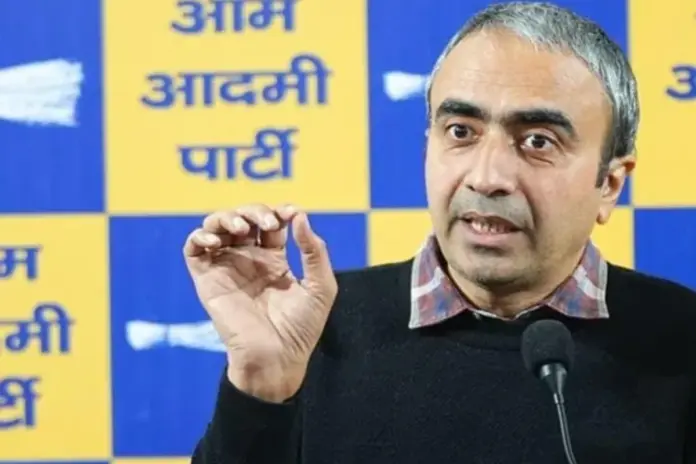
Aam Aadmi Party (AAP) leader Anurag Dhanda has criticized the Central Government and the Delhi Police, alleging that senior party leaders were kept waiting for over an hour at the Parliament Street Police Station without being granted a meeting with officials.

Anurag Dhanda Alleges Delhi Police Ignored AAP Leaders

In a statement shared on social media, Dhanda claimed that two former chief ministers, one Member of Parliament, and two MLAs waited at the police station to meet the Deputy Commissioner of Police (DCP). He alleged that despite their presence, the officials did not make time to meet them.

AAP leader also accused the Modi government of displaying arrogance

The AAP leader also accused the Modi government of displaying arrogance and questioned the authorities’ handling of an incident involving students. Dhanda alleged that officials who, according to the party, had ample time to act against children the previous day were unavailable for a meeting with elected representatives.

The remarks come amid continuing political exchanges between the Aam Aadmi Party and the Bharatiya Janata Party (BJP), with both sides frequently accusing each other over administrative decisions and law-and-order issues in the national capital.

The Delhi Police had not publicly responded to Dhanda’s allegations at the time of writing.

Bhagwant Mann Government Inaugurates ₹36.5 Crore Lift Irrigation Scheme to Improve Canal Water Supply in Punjab

Bhagwant- Mann
Google

The Punjab Government, led by Chief Minister Bhagwant Mann, has inaugurated a new ₹36.5 crore Lift Irrigation Scheme at Noorpur Bedi in Rupnagar district to improve canal water supply for agricultural fields and strengthen irrigation infrastructure.

Bhagwant Mann Government Inaugurates ₹36.5 Crore Lift Irrigation Scheme

Punjab Cabinet Minister Barinder Kumar Goyal inaugurated the project, which is expected to ensure the supply of canal water to several villages in the region. The initiative aims to provide farmers with reliable irrigation facilities, reduce dependence on groundwater, and support sustainable agriculture.

Residents and farmers from the surrounding villages welcomed the inauguration of the scheme

According to the government, the Lift Irrigation Scheme has been developed at a cost of ₹36.5 crore and will significantly improve access to canal water in rural areas. The project is expected to make farming easier by ensuring a steady water supply for cultivation.

Residents and farmers from the surrounding villages welcomed the inauguration of the scheme and expressed appreciation for the Bhagwant Mann-led government’s efforts to strengthen irrigation infrastructure and address the water needs of the agricultural community.

The Punjab Government has been focusing on expanding irrigation facilities and improving water management to enhance agricultural productivity while ensuring long-term water conservation across the state.

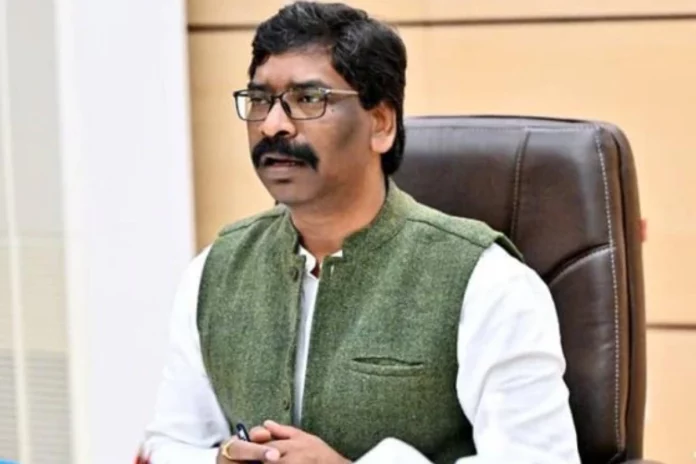
Hemant Soren Directs Creation of Jharkhand Digital Forest Record Within a Month

Jharkhand Chief Minister Hemant Soren has directed officials to prepare a comprehensive digital record of the state’s forests within one month, marking a major step towards technology-driven forest management and conservation.

Hemant Soren Directs Creation of Jharkhand Digital Forest Record Within a Month

During a high-level review meeting of the Forest, Environment and Climate Change Department, the Chief Minister instructed officials to develop a digital system that would provide real-time information about Jharkhand’s forests with a single click. The platform will include details such as forest area, present condition, historical changes, and other key data to support scientific planning and conservation efforts.

Soren said the state has witnessed significant changes in forest landscapes

Hemant Soren said the state has witnessed significant changes in forest landscapes since its formation. While some areas have seen forest expansion, others have been altered due to mining activities, eco-tourism projects, and infrastructure development. He also noted that the boundaries of wildlife sanctuaries and national parks have changed over time, making an updated digital forest database essential.

The Chief Minister emphasized that forest protection should remain a top priority. He directed the department to prepare an action plan for large-scale plantation drives, scientific removal of dry and unusable trees, and explore the use of helicopters to disperse seeds for expanding forest cover in remote areas.

Soren also stressed the need to increase green cover in urban areas by planting more shade-giving trees. He called for wider awareness of the state government’s “Plant One Tree, Get Five Units of Free Electricity” initiative to encourage public participation in environmental conservation.

The meeting also focused on speeding up the disposal of pending forest land lease (forest patta) cases to ensure eligible beneficiaries receive timely approvals. In addition, the Chief Minister asked officials to identify large tracts of land for commercial cultivation of cashew and bamboo, aiming to boost farmers’ incomes while promoting bamboo-based industries and handicrafts.