Home Blog Page 17

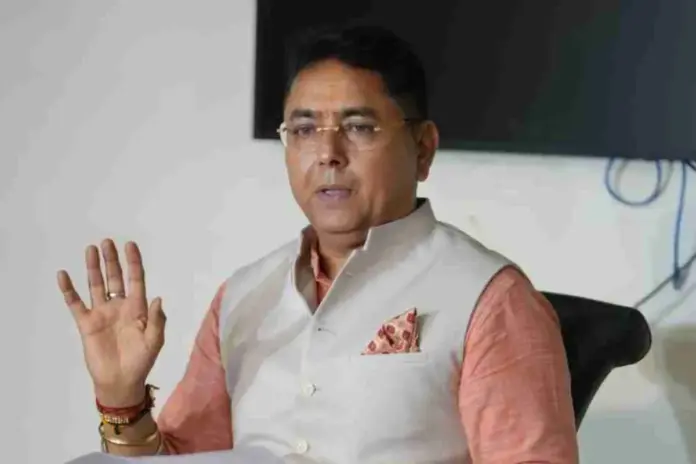
Punjab Police Calls Uniform Advisory Fake; Anurag Dhanda Slams Circulating Audio-Video

Anurag- Dhanda
Google

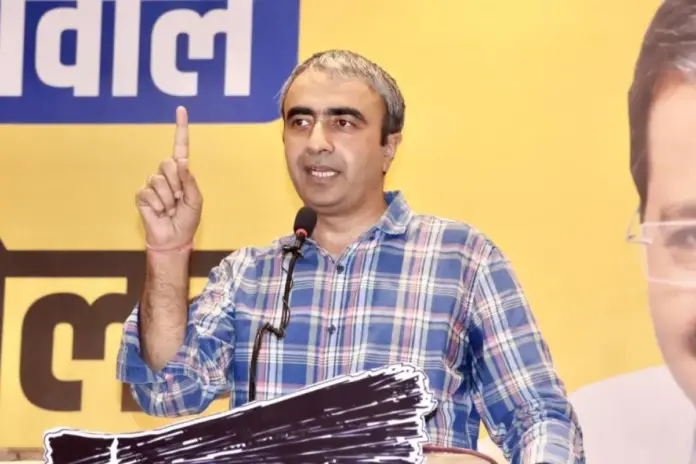
Anurag Dhanda: Punjab Police has dismissed as fake social media messages claiming that police personnel had been directed to avoid wearing uniforms while travelling to and from duty.

The clarification came after an alleged advisory circulated on social media, purportedly instructing personnel to wear civilian clothes while commuting. Punjab Police said neither its headquarters nor any office under it had issued such an advisory.

Punjab Police Issues Fact Check

According to the police clarification, there is no directive asking personnel to avoid wearing uniforms while travelling to or from duty or to wear civilian clothes during their commute.

Police urged both personnel and members of the public to rely on official communication channels for authentic information and to ignore such messages circulating on social media.

The alleged circular had reportedly been presented as an internal communication from the Border Range Police in Amritsar. It was said to contain instructions related to the safety of police personnel while travelling, including avoiding displaying police identity in public. Punjab Police, however, rejected the document as unauthorised and fake.

Anurag Dhanda Reacts to Fake Content

AAP Punjab leader Anurag Dhanda also reacted to the controversy, sharing the Punjab Police fact-check and describing the circulating audio and video content as fake.

In his post, Dhanda urged those responsible for creating such content to stop circulating fabricated audio and videos. He also challenged political opponents to contest elections directly rather than relying on such material.

His remarks came in response to the controversy surrounding the alleged police advisory, which had triggered political reactions in Punjab.

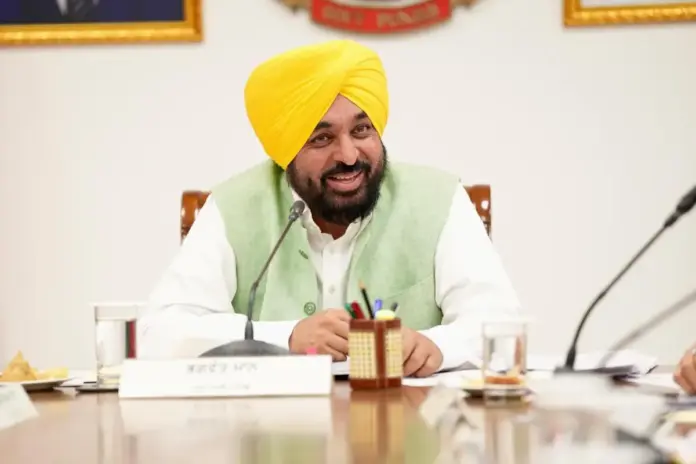
Bhagwant Mann Marks 569 Days of Yudh Nashian Virudh Anti-Drug Campaign

Bhagwant- Mann
Google

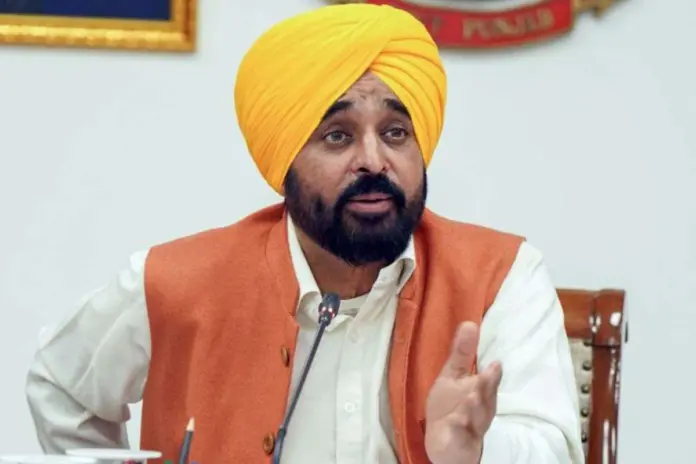
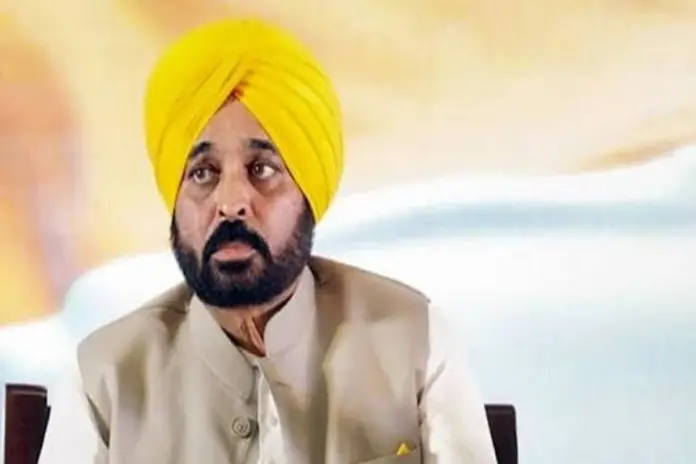
The Bhagwant Mann has marked 569 days of its ‘Yudh Nashian Virudh’ anti-drug campaign, reiterating its focus on tackling drug-related activities through enforcement, search operations and public awareness initiatives across the state.

The police said the campaign is aimed at supporting the broader goal of building a safer, healthier and drug-free Punjab.

Targeted Action Against Drug Networks: Bhagwant Mann

The Punjab Police has been conducting targeted operations against alleged drug smugglers and suppliers as part of the ongoing campaign. Recent operations have included searches, arrests and seizures of suspected narcotics.

According to police data reported on September 19, the campaign had entered its 567th day, with 73 alleged drug smugglers arrested during that day’s operations. Police reported recovering 17.1 kg of heroin, 780 grams of opium, 1,085 intoxicant pills and ₹1,650 in alleged drug money. The cumulative number of arrests under the campaign had reached 78,233 at that point.

Focus on Awareness and Prevention

The anti-drug campaign has also expanded beyond enforcement, with authorities focusing on prevention and awareness among communities and young people.

Recent initiatives include training government school teachers to identify early signs of substance use among students. The programme is being conducted with medical experts and initially targets districts where concerns over drug use among young people have been highlighted.

The broader campaign has also incorporated community participation, with the government emphasising reporting mechanisms and greater involvement of local stakeholders in efforts against drug abuse.

Rehabilitation Remains Part of Campaign

Alongside arrests and seizures, Punjab Police has said that rehabilitation and de-addiction are important components of its anti-drug strategy.

CM Yogi Adityanath to Distribute Appointment Letters to 3,567 Teachers and School Heads in Lucknow

CM- Yogi -Adityanath
Google

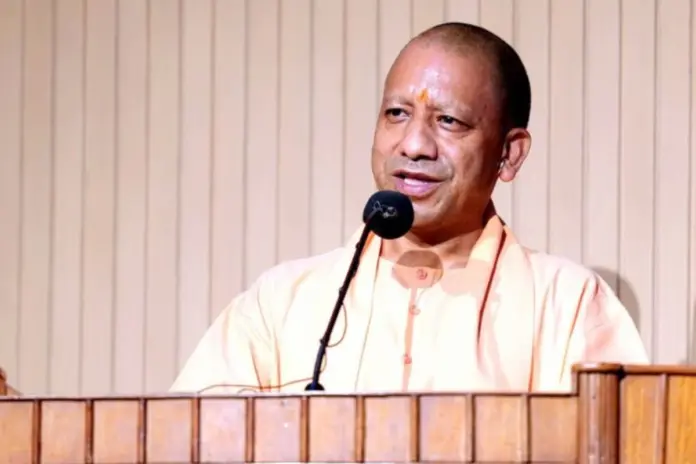
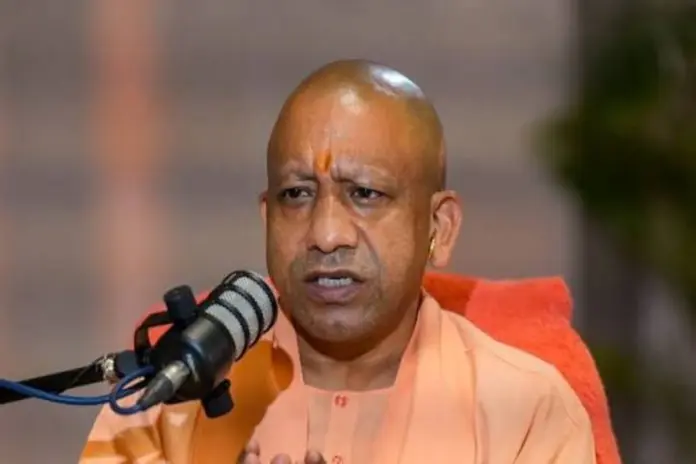
Uttar Pradesh CM Yogi Adityanath will distribute appointment letters to 3,567 selected candidates for teaching and administrative positions in aided secondary schools in Lucknow on Tuesday, September 22.

According to the chief minister’s announcement, the appointments have been made through a selection process described as fair and transparent. The selected candidates include principals, headmasters, postgraduate teachers (PGTs) and trained graduate teachers (TGTs).

3,567 Candidates Selected for Secondary Schools

The appointment letters are being issued to candidates selected for various posts in non-government aided secondary schools across Uttar Pradesh.

The selected candidates include:

  • 319 Principals
  • 258 Headmasters
  • 618 PGTs
  • 2,372 TGTs

The selection process was conducted by the Uttar Pradesh Education Service Selection Commission (UPESSC) for previously advertised vacancies.

Appointment Ceremony in Lucknow

The appointment letter distribution programme is being held at the Indira Gandhi Pratishthan in Lucknow as part of the state’s employment-focused initiatives. The ceremony is intended to formally induct the selected candidates into their respective positions in aided secondary schools.

The development comes as the Uttar Pradesh government continues its employment-related recruitment and appointment drives across different departments.

CM Yogi Adityanath Highlights Education and Youth Opportunities

Announcing the programme, Yogi Adityanath said the opportunity would help fulfil the aspirations of young people while providing fresh momentum to the state’s education system.

Punjab Stubble Management: AAP Highlights Environmental Protection, Income and Employment: Bhagwant Mann

Bhagwant- Mann
Google

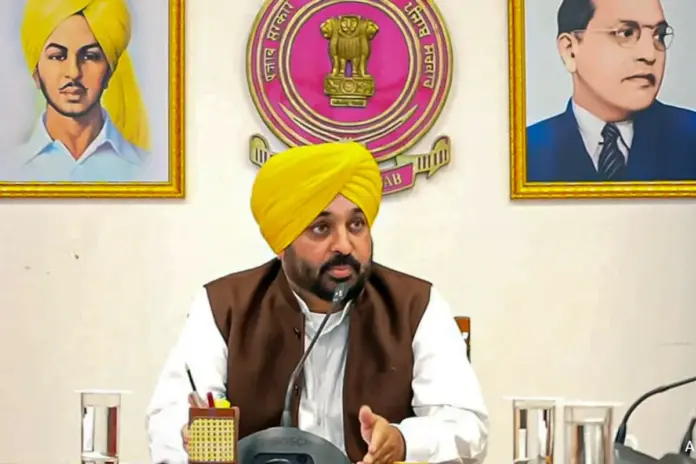
Bhagwant Mann: The Aam Aadmi Party (AAP) Punjab has highlighted crop-residue management as an approach that can address stubble burning while also creating economic opportunities for farmers and other stakeholders.

In a recent social media post, AAP Punjab said proper management of paddy stubble can contribute to environmental protection as well as income and employment opportunities in the state. The party attributed these developments to the policies of the Bhagwant Mann-led Punjab government.

Focus on Stubble Management in Punjab: Bhagwant Mann

Stubble management remains a major issue in Punjab ahead of the paddy harvesting season. The state government has been promoting both in-situ and ex-situ management of crop residue as alternatives to open-field burning.

The Agriculture Department has continued to advise farmers to manage paddy residue through scientific methods instead of burning it.

Crop Residue as a Resource

Crop residue can be collected and used for various purposes, including biomass-based energy, compressed biogas, ethanol and pellet production.

The Centre’s 2026 crop-residue management strategy also emphasises strengthening such ex-situ uses and developing stubble supply chains, with the stated objective of converting agricultural residue into a usable resource.

These activities can create opportunities around residue collection, transportation, processing and utilisation, although the scale of income and employment generated depends on local infrastructure and market demand.

Punjab Expands Crop Residue Management Machinery

Punjab is preparing for the 2026 stubble-management season with around 1.25 lakh operational Crop Residue Management (CRM) machines, according to recent reporting. The state is also adding new machinery under a ₹600-crore scheme jointly funded by the Centre and state.

The machinery includes equipment used for both in-situ management and collection of crop residue for further utilisation.

CM Yogi Government Expands Health Security Coverage to PRD Volunteers, Anganwadi Workers and Others

The Uttar Pradesh CM Yogi Adityanath government has highlighted the expansion of health security coverage to several categories of workers and personnel, including government department employees, Home Guards, Provincial Rakshak Dal (PRD) volunteers, Anganwadi workers and helpers, and active advocates.

The state government said the initiative is aimed at bringing more service personnel and workers under health protection schemes.

Health Coverage Expanded to Multiple Groups: CM Yogi Adityanath

According to the Uttar Pradesh government, health security is being extended to various groups working in public services and community-level programmes.

The categories mentioned include personnel from different government departments, Home Guards, PRD volunteers, Anganwadi workers and helpers, and active advocates.

The move is part of the state’s broader expansion of healthcare access and financial protection for eligible beneficiaries.

Cashless Healthcare for PRD Volunteers

The expansion comes after the state Cabinet approved the Chief Minister PRD Cashless Medical Scheme for registered PRD volunteers and their eligible dependents.

Under the decision approved in September 2026, PRD volunteers and their dependents will be eligible for cashless medical treatment during the period of service. The scheme is proposed to be implemented through the State Agency for Comprehensive Health Integrated Services (SACHIS).

Those already covered under Ayushman Bharat-PMJAY or the Chief Minister Jan Arogya Abhiyan will not be eligible for the separate PRD scheme, according to the cabinet decision.

Anganwadi Workers and Helpers Also Included

The government has also announced health-security benefits for Anganwadi workers and helpers, who are involved in maternal and child health, nutrition and other community-level services.

Harpal Cheema Conducts Door-to-Door Outreach in Ghanaur Jattan, Highlights Bhagwant Mann Government Benefits

Bhagwant Mann: Punjab Finance Minister Harpal Singh Cheema visited households in Ghanaur Jattan village as part of the Aam Aadmi Party’s ongoing door-to-door public outreach campaign in Punjab.

According to AAP Punjab, Cheema interacted with villagers and discussed various facilities being provided under the Bhagwant Mann-led Punjab government, including initiatives related to education, healthcare, electricity and canal water.

Harpal Cheema Meets Residents in Ghanaur Jattan

During the door-to-door campaign, Cheema visited residents at their homes and interacted with families about government schemes and services.

AAP Punjab said the discussions focused on the benefits being provided to people across different sectors and the financial savings that the party claims families are receiving through these initiatives.

Education, Healthcare and Electricity Among Key Topics: Bhagwant Mann

According to the party’s statement, Cheema spoke with residents about facilities related to education, health, electricity and canal water.

The outreach is aimed at explaining the government’s programmes directly to households and discussing how residents are accessing various public services.

AAP leaders have previously said the statewide campaign would take the government’s work and achievements directly to people through booth-level teams.

AAP’s Statewide Door-to-Door Campaign

The Ghanaur Jattan visit is part of AAP Punjab’s statewide door-to-door campaign that began on September 20, 2026.

The party had announced that around 2.68 lakh booth committee members would participate in the campaign across Punjab, covering households and communicating information about the government’s work.

The campaign also includes direct interaction with residents, with party workers expected to discuss government initiatives and gather feedback from people.

Jamui Harassment Case Sparks Outrage: JD(U) Leader’s ‘Isolated Incident’ Remark Draws Fierce Backlash

Jamui-Harassment-Case

Jamui Harassment Case: A disturbing video from Jamui, Bihar, has taken social media by storm, showing two Class 10 students, a 15-year-old girl and her male friend, allegedly harassed and molested by a group of men on a dark road as they returned from coaching class. The boy stayed with the girl and helped both of them get away when a group of men surrounded them, an act of courage that many online are now praising. Police have since arrested three people, registered a POCSO case, and formed a Special Investigation Team to track down the remaining suspects. 

The Controversial Remark That Fueled the Fire

While the video sparked widespread public anger, it was a comment from a top political leader that turned the story into a full-blown controversy. JD(U) state president Umesh Kushwaha described the case as an “isolated incident,” and defended the state’s law-and-order record by comparing it to conditions before 2005. Chief Minister Nitish Kumar echoed a similar sentiment, saying isolated incidents do occur and that crime has not ended anywhere in the world. Facing backlash, Kushwaha later called his choice of words a slip of the tongue and clarified that the incident was “shameful and inhuman” and unacceptable in a civilised society. 

Opposition Reacts Sharply

The remark gave opposition leaders fresh ammunition. RJD’s Tejashwi Yadav accused the government of showing no shame and questioned whether officials would react the same way if the victims were from their own families. Congress president Mallikarjun Kharge also weighed in, using the incident to criticize the BJP-led state government’s record on crimes against women. Congress leader Rahul Gandhi called the video deeply disturbing on social media, drawing attention to how the girl pleaded to be let go before being harassed.

Why the Jamui Case Is a Wake-Up Call for Bihar

Beyond the political point-scoring, the case has reignited a larger conversation about women’s safety in Bihar and how public figures talk about crimes against minors. Critics argue that dismissive language from leaders can trivialize serious crimes and discourage victims from coming forward. With an SIT now investigating and more arrests expected, the case is likely to remain a flashpoint in Bihar’s political discourse in the days ahead.

CSK Breaks Barriers! 16-Year Fleming Era Ends, Zaheer Khan Gets Full Control Ahead of IPL 2027

zaheer-khan

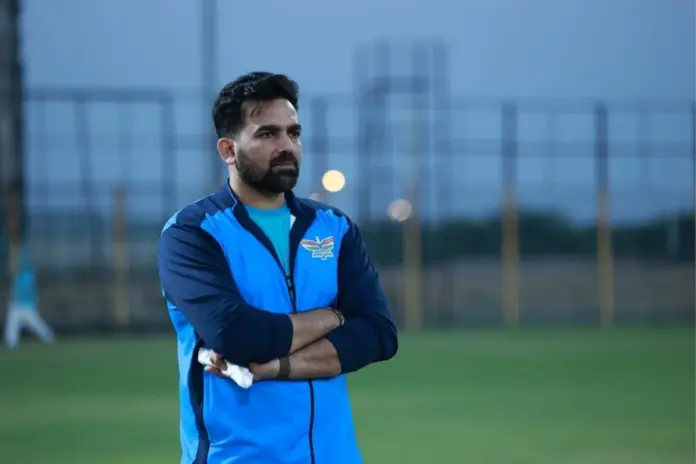
Chennai Super Kings (CSK) have officially appointed former India pacer Zaheer Khan as their new head coach for the Indian Premier League (IPL) 2027 season. The announcement, shared on CSK’s social media with the message “Left Arm ‘Taking’ Over,” marks the end of one of IPL’s most successful coaching partnerships. 

Why Stephen Fleming Is Stepping Away

Zaheer succeeds Stephen Fleming, who had been in the role for 16 years and helped deliver five IPL titles. Fleming’s journey with CSK began as a player in the league’s very first season, before he moved into coaching. Under him, the team reached ten IPL finals and won trophies in 2010, 2011, 2018, 2021, and 2023. 

However, Fleming’s departure isn’t a surprise. He moved to England cricket after being appointed as the head coach of England Men’s Test team in July. His exit also comes after a rough patch for CSK, who finished at the bottom of the table in both 2025 and 2026. 

How Zaheer Khan Was Chosen

According to CSK managing director Kasi Viswanathan, the decision wasn’t made lightly. The team wanted views from its cricket leadership, including MS Dhoni, Ruturaj Gaikwad, and Sanju Samson, along with detailed discussions involving the owners. Interestingly, Zaheer did not go through a formal interview and readily agreed to take up the role. He has also been given full authority to select his own coaching staff, signaling real control over the team’s direction. 

Zaheer Khan’s Cricketing Background

Zaheer is a familiar face in Indian cricket, having finished his international career with 610 wickets across all formats and been part of India’s 2011 World Cup-winning squad. Post-retirement, he built coaching experience with Mumbai Indians as director of cricket operations, and more recently as mentor for Lucknow SuperGiants until September 2025. This, however, marks his first assignment as a full head coach. 

What This Means for CSK Fans

For a franchise associated so closely with stability, this is a major shift. CSK’s management reportedly leaned toward an Indian coach to lead the rebuild, and Zaheer now carries the responsibility of reviving a team that has missed the playoffs for three straight seasons. With the IPL 2027 auction approaching, all eyes will be on how he reshapes CSK’s roster and coaching setup.

Bank Strike Count Down, September 28-30 Strike Creates Stress for Banking Operations, Govt Asks for Talks

bank strike

Bank customers may face disruption due to a planned strike from 28th September to 30th September, 2026, by the United Forum of Bank Unions (UFBU). This proposed plan arises from a dispute over the implementation of a five-day banking week. 

Why are the bank workers planning the strike?

The only issue pending between the unions and the authorities is the implementation of the five-day banking week. The union was also against the scheme of Performance Linked Incentive (PLI). However, the Finance Ministry claimed that the government has put the PLI scheme on hold after consultation with the workers. Earlier, the UFBU had called for a one-day strike on September 11. This three-day strike forms a part of their overall plan, wherein an indefinite strike is also planned from 26th October, 2026.

The government urges unions to solve the problems via dialogue.

The Ministry of Finance has requested bank staff members not to go on strike and to carry on with talks in order to solve any issues. It was mentioned that a number of issues brought up by the unions had already been sorted out by the government and that dialogue is the preferred path to sort out any issues left, such as the working day. Ministry has been in constant communication with public sector banks, regional rural banks, the Indian Banks’ Association, and NABARD in order to draw up contingency plans to ensure minimal interference with essential banking services.

Customers will face a five-day disruption period.

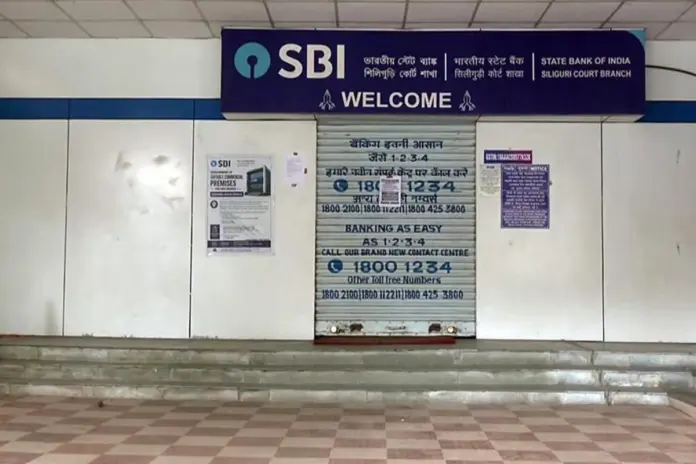
The effects of the strike will only come to affect branch-based services from September 28-30, after the weekend holiday on September 26-27. SBI has requested its customers to do their important banking transactions prior to this strike period and make use of Internet Banking facilities where possible.

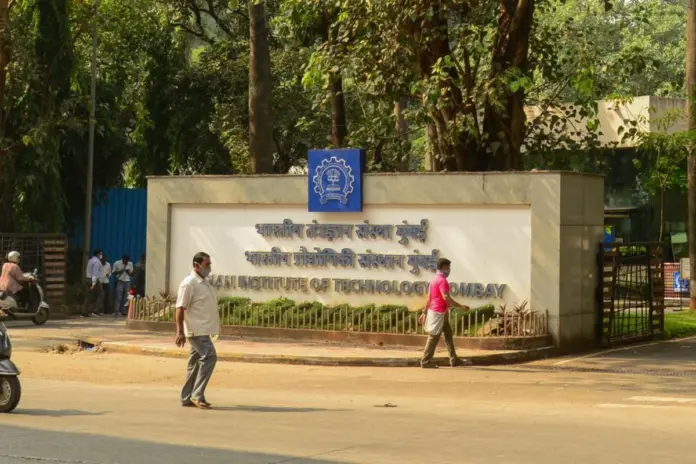
IIT Bombay Students Turn Grief Into a Call for Change, Raise Questions About Campus Support Following Students’ Tragic Death, Check Details

iit bombay

The passing of a second-year B.Tech student, Sahil Wakode of IIT Bombay, has resulted in campus protests and raised various concerns regarding the welfare of the students of the institute, mental health care, and handling of academic affairs in such institutions.

What happened at IIT Bombay?

 IIT Bombay has clarified that Wakode was seen using a mobile phone during the exam period and had uploaded the test’s question paper of the test to ChatGPT in search of solutions. According to the report, no disciplinary action was taken against him. However, it is reported that the instructor and head of the department had counseled him and assured him that the matter would not hamper his future academic career, and then he returned to his hostel room only to be found dead later in the evening. 

Mental health support became a significant issue.e

Mental health support was one of the key issues that were raised by students during their discussions. They wanted to know if the counseling services offered are readily available and if students who feel distressed can go for counseling without being judged. This issue has led to increased focus on how schools will react when there is any academic stress or some other kind of distress among the students. 

Broader demands from students

Students drafted an 18-point charter, which was aimed at holding people accountable, providing mental health care support, and making some modifications to the campus procedures. Among other things, the demands included an external investigation of the situation in which the student died.

The investigation and the institutional response

While the investigation is still going on, the student’s family accused the institution of caste-based discrimination. IIT Bombay stated that the student was not under any disciplinary proceedings after the exam episode.

Record Before Roar! Allu Arjun and Atlee’s Raaka Make Guinness World Records With 37 Performers in Motion-Capture Sequence

raaka

The upcoming movie – Raaka that features Allu Arjun and is directed by Atlee has secured itself a place in the Guinness World Records for a motion capture feat that was executed using 37 performers. 

Motion capture technology to make a record

With the development of technology and the introduction of computer-generated imagery in filmmaking, motion capture technology is becoming more important today. Motion capture helps not to fully entirely on filming when making digital characters and scenes but allows physical performance to serve as a base for digital work. Movements of actors are captured and then used when processing the visual effects. Raaka demonstrates a record sequence made thanks to the involvement of 37 performers. 

Allu Arjun and Atlee’s collaboration enters a new phase

This Guinness World Record takes the anticipation about the collaboration between Allu Arjun & Atlee to a whole new level. Whereas Allu Arjun has an army of fans behind him along with his vast experience in making commercially successful movies, Atlee has made his mark in the industry by way of making visually stunning movies. The partnership between the two personalities has garnered plenty of attention, and the record involving motion capture serves as yet another topic of discussion before the movie’s release.

The importance of filmmaking technology

Motion capture, virtual production, and CGI are increasingly becoming vital in the production of big budget Indian films. They offer more room for creative freedom but entail coordination among the performers, directors, and visual effects teams.

A record before the release of the movie

Guinness World Records certification gives Raaka a unique record before the actual release of the movie. Apart from the cast and the director, the technology used to make the movie is highlighted in the pre-release discussion of the movie.

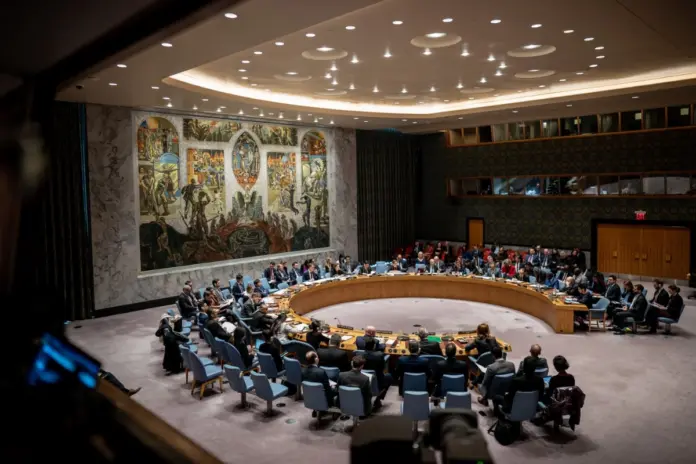
Fresh UNSC Push For India: Visegrad Four Formally Throw Weight Behind Permanent Security Council Seat

unsc

India’s long-running campaign for a permanent seat on the United Nations Security Council (UNSC) has gained fresh backing from Central Europe. The four members of the Visegrad Group, known as V4, threw their collective weight behind New Delhi’s bid during their first-ever foreign ministers’ meeting with India on the sidelines of the 81st UN General Assembly in New York.

What Was Said

Slovak Foreign Minister Juraj Blanar confirmed that Hungary, Poland, Slovakia and the Czech Republic were united in their support. “We all agree as V4 countries that India, as a part of the Global South, an upcoming superpower in the Indo-Pacific region, must be at the table as a permanent member of the UN Security Council,” Blanar said after the meeting.

External Affairs Minister S Jaishankar shared details of the talks on social media, calling it a landmark first engagement between the bloc and India.

More Than Just The UNSC

Beyond the Security Council question, the meeting set the stage for annual ministerial-level talks between India and the V4 nations, with both sides agreeing to widen cooperation in defence, technology, and education.

Why This Support Matters

The Visegrad Group’s backing adds to a growing list of countries supporting India’s UNSC bid, including the United States, Russia, France, and the United Kingdom among the current permanent members. India has argued that the Council, formed in 1945, no longer reflects today’s geopolitical realities and needs to include rising powers from Asia, Africa, and Latin America.

India has served as an elected, non-permanent member of the Security Council eight times, most recently in 2021-22, but has never held a permanent seat.

Why Did Ravneet Singh Bittu, Partap Bajwa & Bikram Majithia Rush To Defend Drug Peddler?

Aman Arora

The Aam Aadmi Party (AAP) on Monday questioned why opposition leaders Ravneet Singh Bittu, Partap Bajwa and Bikram Majithia are rushing to defend a person facing nine cases since 2018, including NDPS National Drugs and Psychotropic Substances) Act, Excise and rape cases, with convictions in four cases, while the opposition remained silent on the ground reality of Namol, where two panchayats, gurdwara committees, farmers’ organisations and villagers have united against drug sales.

The AAP said the previous Akali Dal, Congress and BJP governments had protected drug peddlers in exchange for money and pushed Punjab’s youth into drugs, while the Bhagwant Mann Government has broken that political protection nexus and disrupted the supply lines and money flow of drug peddlers through its Yudh Nashean Virudh. The party affirmed the opposition’s reaction reflected its discomfort with the crackdown and challenged its leaders to come to Namol and repeat their claims on the ground, instead of doing politics over a dead body.

Addressing a press conference, AAP Punjab President and Cabinet Minister Aman Arora said, “Over the past 10-12 days, you must have seen, and your channels must also have shown, the kind of incidents that have taken place in the villages of Punjab, particularly in our district, and the kind of political controversy that has emerged around drugs.”

The AAP Punjab President affirmed, “We fully agree that whenever a person loses their life, it is not only a loss for that individual’s house or family, but a loss for the entire society, and even more than that. But when people from political parties, political leaders, disregard the truth and engage in low-level politics merely to serve their own political interests, then society also suffers, Punjab also suffers and Punjab’s name also gets defamed. This is exactly what we are seeing.”

Referring to the Namol incident, he said, “You must have noticed that yesterday, in Sangrur district itself, a young man from Namol village, Jagga Singh, consumed some poisonous substance outside the DC (District Commissioner) office and was subsequently hospitalised. But look at the kind of dirty politics that has been taking place from yesterday evening until today. This is the latest example of how an incident is being used merely to defame the Punjab Government and the Aam Aadmi Party.”

Aman Arora said, “This village of Namol is in my constituency of Sunam and is situated close to Sunam. There is one village, but there are two panchayats here. Both panchayats, the entire village, all the gurdwara committees and all the farmers’ organisations came together and took a decision that drugs would not be allowed to be sold in the village. Everyone decided that we have to show courage collectively and work together on this issue.”

“Both panchayats jointly passed a resolution that they would not allow drugs to be sold in the village. This was a collective decision of the entire village, the panchayats, the gurdwara committees and the farmers’ organisations,” he said.

Explaining the events of September 7, the Minister said, “On the 7th, the panchayat members and the sarpanch were sitting together. As I have been informed, Jagga Singh came there and said, ‘Search me.’ They told him, ‘Brother, go ahead. There is no need to search you. The entire village already knows.’ After going a short distance, he abused them using extremely objectionable language concerning their mothers and sisters. There was then a minor altercation between the two sides.”

“Complaints were subsequently filed by both sides, by Jagga Singh as well as by the panchayat, at Cheema police station. That matter is currently under investigation,” he said.

Referring to the events of September 12, Aman Arora noted, “On the 12th, he came holding a bottle and threatened that if action was not taken on his complaint against the sarpanch and the panchayat, he would commit suicide and they would be responsible. Putting pressure on someone in this manner is itself a way of pressurising them.”

“A sarpanch is an elected representative. To pressure an elected representative by saying that you will commit suicide and that their name will be mentioned is, in my view, not justified,” he said.

On the incident outside the DC office, Aman Arora said, “After that, yesterday’s incident took place when he consumed some poisonous substance outside the DC office. No member of his family was accompanying him. Police personnel were present outside the DC office at the spot. The police first took him to the Civil Hospital. He was then shifted from the Civil Hospital, perhaps because all the doctors and facilities were not available on Sunday, to the private Ummed Hospital. There he was stabilised and treated. Once he was out of danger, he was shifted to Rajindra Hospital.”

Aman Arora then questioned the political narrative being built around the incident. “Now look at the politics that has been going on since yesterday. There are nine cases against Jagga Singh. Nine cases. What are these cases? Drug-related cases. And these are not cases registered today. They go back to 2018. There are cases from 6 April 2018, 2019-20, 2017-18, then 2020, 2021, and even this year, in January, a case was registered.”

“What are these nine cases? Out of these nine cases, convictions have already taken place in four cases. These include drug cases and liquor-related cases. There is even a rape case registered against this person,” he said.

Aman Arora questioned the social media statements being issued by political leaders. “And now look at the tweets that have been coming since yesterday evening. Tweets are coming from political leaders. I have come before you today only because I want to show how far these political parties and their leaders have descended into low-level politics.”

“Initially, our local political leaders put out statements. They informed their leaders, including leaders at the state and national levels. Then came a tweet from Amarinder Singh Raja Warring in support of alleged drug peddler and against the panchayat. Tarun Chugh tweeted that the alleged drug peddler was raising his voice against drugs,” he said.

The AAP Punjab President pointed out, “Sachin Pilot tweeted that Jagga Singh was raising his voice against drugs and that Punjab Police was doing nothing. Amarinder Singh Raja Warring, Partap Singh Bajwa, Kewal Singh Dhillon, Ravneet Singh Bittu and Vijay Inder Singla all said that Jagga Singh was working to stop drugs while the panchayat and the police were facilitating the drug trade. After that, Bikram Majithia also made the same argument. Normally, it does not look good when Bikram Majithia talks about drugs, but he does so.

“Your Akali Dal halqa in-charge is Winnerjit Singh Goldy. What is he saying? He says that Jagga Singh, who is known in the village as ‘Jagga Blackiya’, sells drugs and that he stands with the village,” Aman Arora said.

Aman Arora appealed to opposition leaders to exercise responsibility. “My only request to these leaders and these parties is that merely to serve your political interests, do not descend to such a low level of politics that the same fire on which you are cooking your political bread ends up setting Punjab on fire,” he said.

“It is extremely shameful for all these parties and all these leaders that without finding out the ground reality, they simply put out tweets to defame the Punjab Government, and us, while the ground reality is completely different,” Aman Arora said.

Challenging the leaders who had posted statements, the Cabinet Minister said, “I request all these leaders, all those whose names I have taken, that if you stand by your tweets, then come to Namol village and say exactly the same thing in front of the people. Come and say that Jagga Singh is stopping the sale of drugs and that the village and the panchayat are facilitating it. If you have the courage, come and say this.”

“The villagers will strongly reject such a narrative. So I request them to do responsible politics. This low-level politics is shameful and condemnable,” he said.

Aman Arora said political leaders should either substantiate their claims or acknowledge that they had misled people. “In the strongest possible words, I condemn this approach. Either these people should prove that their tweets are correct, or they should accept their mistake and apologise to Punjab for misleading people in the manner in which they are doing,” he said.

Turning to the government’s broader anti-drug strategy, Aman Arora said, “Now look at the situation in the villages. The government has decided that we will establish Village Defence Committees (VDC) in every village and every ward. We have launched the Yudh Nashean Virudh campaign to save Punjab from drugs. I am not saying that we have eliminated drugs completely. But where is the deficiency in our efforts? Which political party’s government constituted Village Defence Committees? Which political party’s government launched a war against drugs? Which political party conducted awareness campaigns?” he asked.

“Those who sold drugs are questioning us today. The government decided that Village Defence Committees would be formed because if anyone can work with the greatest responsibility in a village, it is the panchayat. The panchayat is the government of the people at the grassroots level,” Aman Arora said.

Explaining the structure of the VDCs, he said, “The sarpanch will be the chairman of the VDC. That sarpanch can belong to the Akali Dal, Congress, BJP, Aam Aadmi Party, the Left parties or can be an independent. There is no discrimination on the basis of political affiliation.”

Aman Arora said the scale of the challenge required political leaders to understand the responsibilities placed on village representatives. “Now look at the situation. There are 13,500 villages. Wherever such a situation arises, on one side there is someone allegedly involved in selling drugs and on the other side there is the panchayat. Political leaders immediately start tweeting. What should the sarpanch and panchayat do? Should they give information about drug sales to the police or not? Should they take action or not? I want to ask these people this question,” he added.

“The government has made them the chairman of the VDC by default, irrespective of which party they belong to. We tell them: you have to conduct thikri pehras in the village. You have to create awareness among people. If someone is selling or facilitating the sale of drugs, you have to submit a complaint to the police,” Aman Arora said.

He said this responsibility could expose elected village representatives to pressure from drug sellers. “When sarpanches submit complaints to the police, those involved in selling drugs will naturally become their enemies. Then someone consumes something or does something, makes a video and there are political leaders who immediately put that video on Twitter. Suddenly, the whole country is told that the government in Punjab itself is selling drugs. This is ridiculous. Ridiculous. These leaders should be ashamed,” Aman Arora said.

Aman Arora said the government, Aam Aadmi Party and police were clear about their objective. “Today, in very clear words, on behalf of the government, on behalf of the Aam Aadmi Party and as a part of the government, I want to say that our intention is absolutely clear. We want everyone to come together and eliminate drugs from Punjab,” affirmed Aman Arora.

“But what does this kind of low-level politics mean? I am not saying that everyone will think this way, but suppose someone starts thinking that there are cases against me, the police are pressurising me, the sarpanch is pressurising me. If I consume something and then all the Akali, Congress and BJP leaderships come behind me, I will become a hero and receive praise. Then what do we do? How will the government function? How will we eliminate drugs?” Aman Arora said.

Aman Arora once again appealed to all political parties to refrain from such politics. “Therefore, my appeal and request to everyone is to refrain from this low-level politics. And if you are truthful about what you have said, then all those who have tweeted should come to Namol village and say the same thing there. Come and say it in front of the people. Then you will see how the people respond to you. That will be a completely different sight,” he said.

“The fight against drugs is a collective responsibility. We must not allow political considerations to weaken the resolve of villages, panchayats, police and society to fight the drug menace. Punjab needs responsible politics and collective action, not political exploitation of sensitive incidents,” Aman Arora asserted.

Meanwhile, Cabinet Minister Harpal Singh Cheema stated, “Before turning a tragedy into a political spectacle, opposition leaders should have the courage to face the ground reality in Namol village. The person whom they are defending is himself alleged by the villagers to be a drug dealer, with around 9 FIRs reportedly registered against him at police stations in Cheema and Patiala. The entire village is united against drugs and standing together in the fight to make Namol drug-free. So the question for the opposition leaders is simple: Whose side are you on? The villagers standing united against the drug menace? Or an alleged drug dealer?”

Cabinet Minister Ravjot Singh stated, “The Namol village matter needs to be understood through facts, leaving politics aside. The villagers say that they have already passed a joint resolution to boycott those involved in selling drugs, are conducting Thikri Pehra (village night patrols), and are supporting the Mann government’s campaign against drugs. On the other hand, it is also important to present the facts regarding the cases registered against the person in whose support statements and videos are being released by the opposition. This is because nearly a dozen FIRs have reportedly been registered against this individual in cases related to drugs. The question is: Will the united voice of the entire village be heard, or will politics be done by focusing only on one side of the story? The video of the Namol residents’ press conference is also available. Listen to the ground reality first, and then present your views.”

Cabinet Minister Hardeep Singh Mundian said, “Instead of doing politics over a dead body, the opposition parties need to understand and listen to the ground reality. The residents of Namol village claim that the person whom the opposition is presenting as a ‘whistleblower’ has several FIRs registered against him and has been named in cases related to drugs. So the question to these opposition parties is straightforward: Whose side do you stand with — the claims of a drug trafficker and drug addict, or the entire village of Namol, which has united against drugs? According to the villagers, they passed a joint resolution, organised Thikri Pehra (village night patrols), and decided to stand with the government in its efforts to prevent the spread of drugs. Before making political statements, the ground reality and the side of the villagers should also be heard.”


Asian Hockey Federation Invites CM Bhagwant Singh Mann To Witness Asian Games Hockey Semi-Finals & Finals In Japan

CM Mann

In a recognition of Punjab’s growing prominence on the international hockey map, the Asian Hockey Federation (AHF) has invited Chief Minister Bhagwant Singh Mann and a delegation of the Punjab Government to Japan to witness the semi-finals and finals of the Women’s and Men’s Hockey competitions at the XX Asian Games Aichi-Nagoya 2026. The invitation comes at a significant juncture as Punjab, under the leadership of CM Bhagwant Singh Mann, prepares to host the Men’s Asian Champions Trophy 2026 for the first time.

The invitation, extended by Asian Hockey Federation President Fumio Ogura, is for the Women’s and Men’s Hockey semi-finals scheduled for September 30 and October 1, followed by the finals on October 2 and 3. The AHF has specifically stated that the presence of the Punjab Government delegation would provide first-hand experience of the organisation and conduct of a major international sporting event.

The exposure assumes particular significance as Punjab prepares to welcome the continent’s leading hockey teams for the Men’s Asian Champions Trophy 2026 from October 27 to November 5. The tournament will be jointly hosted by Jalandhar and Mohali, with Jalandhar hosting the opening ceremony and league-stage matches, while Mohali will host the semi-finals and final.

The Asian Champions Trophy will mark the first time Punjab is hosting the prestigious international hockey tournament. CM Bhagwant Singh Mann has described the event as an emotional homecoming of hockey to the land that has nurtured generations of Indian hockey heroes.

The invitation to CM Bhagwant Singh Mann and the Punjab Government delegation comes as the state is taking an active role in bringing international hockey back to Punjab and strengthening its identity as one of the country’s foremost hockey centres. The upcoming tournament will see India, Japan, South Korea, Malaysia, China and others countries compete with each other in Punjab.

The AHF has conveyed that the experience gained by the Punjab Government delegation in Aichi-Nagoya could be utilised for the upcoming Asian Champions Trophy in Jalandhar and Mohali and for hosting similar mega sporting events in Punjab in the future.

The invitation also reflects the importance being attached to Punjab’s preparations for the Asian Champions Trophy, as the state seeks to combine its deep-rooted hockey culture with the infrastructure, organisation and international standards required to host a major continental sporting event.

The Asian Hockey Federation has requested confirmation of CM Bhagwant Singh Mann’s delegation and its details so that the necessary arrangements for the visit can be made.

Badal Family Has Reduced Akali Dal to Family-Owned Party, Used Sikh Institutions for Personal Agenda: Baltej Pannu

Baltej Pannu

Aam Aadmi Party (AAP) Punjab Media In-charge Baltej Pannu on Monday tore into the Badal family for reducing the historic Akali Dal from a Panthic movement built on sacrifice into a family-owned political party, pointing out that its leadership had systematically sought to capture Sikh institutions and use them for personal and political interests. Referring to the controversy surrounding Amarjit Singh Chawla and the woman who was accommodated for months at an SGPC-run sarai in Sri Anandpur Sahib, Baltej Pannu questioned how such powers were granted, why the woman was brought there by Virsa Singh Valtoha and Sarabjit Singh Jhinjer, and what action Shiromani Gurudwara Prabandhak Committee (SGPC) president Harjinder Singh Dhami took on her complaint.

Addressing a press conference, AAP Punjab Media In-charge Baltej Pannu said the history of the Akali Morchas was a history of sacrifice, in which ordinary Akalis went to jail with nothing but a parna on their shoulders and earned the word ‘Jathedar’ through their sacrifices. “That word was earned; it was not something that could simply be attached to one’s name,” Baltej Pannu said, adding that the tradition had now disappeared because a certain family had captured this front. He said even Parkash Singh Badal could not add ‘Jathedar’ to his name throughout his political career because that status required a much greater contribution.

The AAP Punjab Media In-charge said the Badal family could no longer claim that the Shiromani Akali Dal (Badal) was genuinely a regional or representative Panthic party. “The name, Akali Dal Badal, itself makes it clear that it has become a party of one family,” Baltej Pannu said, questioning what agenda the Badal-led Akali Dal had actually set for the Sikh community.

Referring to the recent FIR against former Shiromani Akali Dal leader and Shiromani Gurudwara Prabandhak Committee (SGPC) member Amarjit Singh Chawla, he said the allegations made by a woman at a sarai in Sri Anandpur Sahib had raised serious questions about the functioning of Sikh institutions. “The FIR contains allegations by a woman that she was held captive at a sarai in Sri Anandpur Sahib. How could a woman remain accommodated at an SGPC-run sarai for months? Who provided her accommodation, vehicle and other facilities and who bore the expenses? He questioned.

Baltej Pannu specifically questioned the role of SGPC president Harjinder Singh Dhami and demanded that Harjinder Singh Dhami explain what action was taken when the woman approached him with her complaint. “You say there is no need for the police and that you would handle everything yourself. Then why did you remain silent for weeks and months?” he asked.

Baltej Pannu also questioned the political and organisational links surrounding Amarjit Singh Chawla, asking why Youth Akali Dal President Sarabjit Singh Jhinjer arranged the woman’s ticket from Bahrain, why Virsa Singh Valtoha was involved and for what purpose the press conference was originally organised. He said these questions must be answered by Sukhbir Singh Badal and Harjinder Singh Dhami.

Baltej Pannu further questioned why Amarjit Singh Chawla continued to use the word ‘Bhai’ with his name despite the gravity of the allegations, saying that such titles in Sikh tradition were earned through conduct and contribution.

Baltej Pannu also referred to the subsequent action by the Sri Akal Takht Sahib, which on September 20 excommunicated Amarjit Singh Chawla and SGPC employee Malkit Singh from the Khalsa Panth following the controversy. “This episode is not an isolated issue but part of the Badal family’s wider pattern of controlling and using Sikh institutions,” he affirmed.

Referring to the 2015 beadbi controversy, Baltej Pannu said, “The Guru Granth Sahib bir was stolen from Burj Jawahar Singh Wala and that posters challenging the authorities were put up for months without effective action. When the Sikh sangat came onto the roads in protest following subsequent incidents of sacrilege, water cannons, tear gas and firing were used against protesters.”

Baltej Pannu also referred to the Kotkapura and Behbal Kalan firing cases, saying that the Badal government’s handling of the situation resulted in hurting the faith of Sikh sangat. “Two Sikh youths were subjected to severe torture in an attempt to shift blame for sacrilege onto Sikhs themselves. The people of Punjab have not forgotten what happened between 2015 and 2017,” he said.

Baltej Pannu said that another part of the Badal agenda was to capture Sikh institutions and then use those institutions for political and personal benefits.

Referring to statements made in the Punjab Vidhan Sabha concerning the use of SGPC resources for a langar at someone’s bhog, Baltej Pannu said, “Even religious institutions were made to serve the interests of the Badal family. Why were individuals facing serious controversy repeatedly given prominence by the Badal leadership?”

Referring to a recent event at Gurdwara Kandh Sahib in Batala, Baltej Pannu said that Sucha Singh Langah was given a stage despite opposition from Sikh sangat. He contrasted this with the action taken against others and asked what message such decisions sent about the functioning of Sikh institutions.

Baltej Pannu said the central question was why individuals such as Amarjit Singh Chawla were given such extensive powers within institutions that were supposed to serve the Sikh community. “How could two permanent rooms be given? How could a woman be kept there for months? How were a vehicle and sewadars provided? Who paid for all this?” he asked.

Baltej Pannu also directly questioned SGPC president Harjinder Singh Dhami’s repeated political positioning, saying that Harjinder Singh Dhami had described himself as a “soldier of Sukhbir Singh Badal”. “He must now tell the Sikh community whether he is acting as a soldier of the Badal family or as a servant of the Guru Sahib,” he asserted.

Baltej Pannu demanded that the SGPC put up boards and photographs of individuals who had now been excommunicated from the Sikh Panth outside gurdwaras and sarais so that the sangat could remain vigilant. “The community has a right to know why the action had been taken against those expelled from the Panth,” he added.

Questioning the silence of Badal family leaders, Baltej Pannu asked why Harsimrat Kaur Badal had not spoken even a single word on the allegations concerning the woman, and why Bikram Majithia and other leaders who frequently go live on every issue had remained silent. “Sukhbir Badal must answer who gave Amarjit Chawla such powers, why those powers were given and how the institutions under the SGPC were allowed to reach such a situation. The Badal family had already caused immense damage to Punjab during its years in government and alleged that the drug and gangster problems that emerged during that period had caused deep damage to the state,” he affirmed.

Baltej Pannu said, “The Bhagwant Mann government is working to bring Punjab back on the right track, but the damage being done to Sikh institutions by the Badal group has created another serious challenge.”

The AAP Punjab Media In-charge appealed to Sikh intellectuals and the wider Sikh community across the world to speak up. “If the Sikh intellectuals and Punjabis remained silent, the Badal family and its ‘coterie’ would cause further damage to Sikh institutions and Punjab. The time has come to remove Sukhbir Badal and the people he has placed in control of Sikh institutions from Punjab’s politics and from these institutions,” Baltej Pannu said, urging Punjabis and the Sikh community to raise their voice before any further damage was done.