Home Blog Page 18

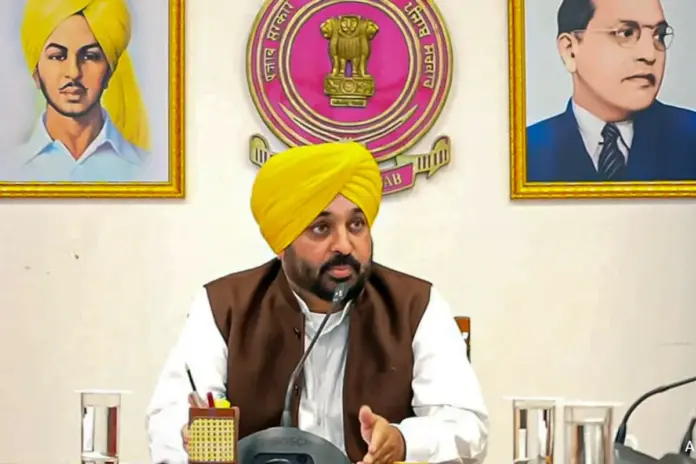
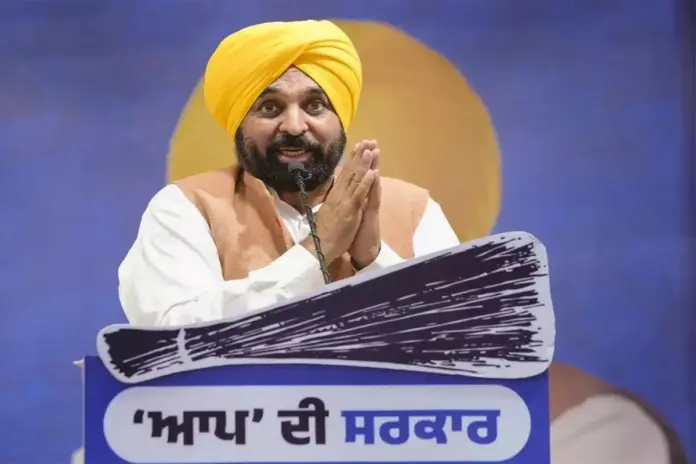
5 Priorities, One Mission: CM Bhagwant Singh Mann’s Big 5 Push To Make Punjab Drug-Free

CM Mann

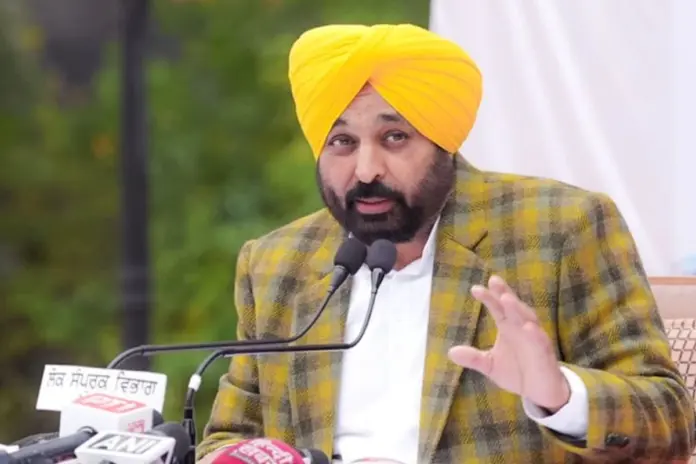
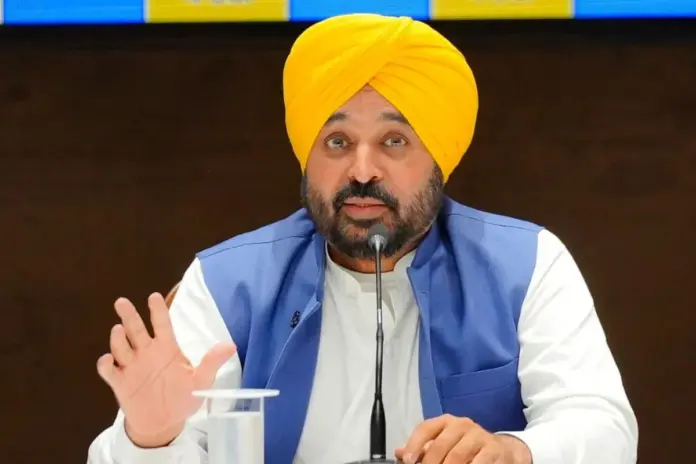
Under the leadership of CM Bhagwant Singh Mann, Punjab’s ‘Yudh Nashean Virudh’ (war against drugs) has moved beyond a conventional police crackdown to build a comprehensive five-point battle against drugs, bringing together the police, teachers, community volunteers, youth and health workers to attack the supply network, prevent addiction, strengthen reporting and ensure timely treatment for those struggling with substance abuse.

The message is clear: Punjab will not fight the drug menace from police stations alone. The fight is being taken into villages, schools, colleges, communities and health facilities. While the police dismantle supply networks and take action against peddlers, community representatives strengthen grassroots vigilance, teachers identify vulnerability before it turns into addiction, and the youth promote awareness against drugs, resilience and healthy choices among teenagers and young people, and health workers provide a pathway to recovery.

The objective is to make it harder to sell drugs, easier to report drug peddling, harder to lure young people into addiction and easier for those battling addiction to seek treatment. This five-point framework puts enforcement and prevention on the same footing as rehabilitation, recognising that sustained action against drugs requires every layer of society to participate.

Police Action: Breaking The Supply Chain

The police remain the enforcement backbone of Yudh Nashean Virudh. Between March 2025 and September 2026, Punjab’s Anti-Narcotics Task Force (ANTF) registered 61,824 FIRs and arrested 81,433.

Unprecedented recoveries have been made since the launch of the initiative, including 3918kg heroin, 991kg opium, 47 tons of poppy husk, 1416kg ganja and 65 lakh tablets and capsules.

During the same period, 79,293 public meetings were conducted by Punjab Police, taking the anti-drug campaign directly to communities and strengthening public participation in the fight against narcotics.

Teachers: Stopping Addiction Before It Takes Root

The second pillar of the Big 5 focuses on prevention, because the fight against drugs cannot begin only after a young person has fallen into addiction.

A 14-week anti-drug curriculum is being taught to 7.5 lakh students across 3,600 schools by trained teachers. The government is also sensitising all high-school and senior secondary teachers in a phase-wise manner to identify early signs of mental-health distress, vulnerability to substance abuse and methods of intervention.

In the first phase, the government plans to train nearly 25,000 teachers from 13 districts, with 7,000 teachers already sensitised in Amritsar, Tarn Taran and Fazilka.

The approach is designed to ensure that teachers are not merely educators inside classrooms but become an additional line of defence against addiction, capable of identifying warning signs and connecting vulnerable students with appropriate support.

Youth & Peer Networks: Changing The Social Environment Around Drugs

The third pillar addresses one of the most difficult aspects of drug abuse: peer influence and social acceptance.

The initiative’s school and college programmes are increasingly using peer engagement, recovered persons and youth-led activities to make refusing drugs socially easier and recovery less stigmatised.

Year-long activity calendars have been prepared for schools to keep students engaged, while cultural festivals, mental-health clubs and sporting activities are encouraging college students to choose healthier lifestyles.

The strategy is straightforward: the fight against drugs cannot be won only by telling young people what not to do. Punjab is creating stronger alternatives through sports, culture, peer engagement and community participation.

Community Vigilance: Taking The Fight To The Ground

The fourth layer strengthens the role of ordinary citizens in the anti-drug campaign.

The campaign has also created a formidable grassroots defence network. By September 2026, around 1.25 lakh members had joined nearly 15,000 Village and Ward Defence Committees, taking vigilance against drugs deep into Punjab’s villages and urban wards.

More than 50,000 VDC members have been trained in the use of the Nasha Mukti App, while community representatives are providing information not only about drug peddling but also about victims seeking help, enabling government officials to intervene at the right time.

Since its launch on March 1, 2025, more than 51,000 tip-offs from citizens through the Safe Punjab WhatsApp Helpline (97791-00200) have helped the police make over 25,000 drug-related arrests.

The objective is to ensure that drug peddlers cannot operate in the shadows while families struggling with addiction do not remain without a route to government assistance.

Health And Rehabilitation: A Route Back From Addiction

The fifth pillar recognises that enforcement alone cannot address addiction. Punjab has therefore expanded its treatment infrastructure to provide people battling substance abuse with an accessible route towards recovery.

Punjab currently has 547 OOAT centres, 219 de-addiction centres and 91 rehabilitation centres.

Since the launch of Yudh Nashean Virudh, government health facilities have been revamped, health workers trained, and skilling and creative activities introduced at treatment centres to keep patients engaged during recovery.

The increased focus on treatment and destigmatisation has resulted in a substantial rise in people seeking institutional care.

Admissions to government de-addiction and rehabilitation centres increased from over 12,200 in 2024 to close to 34,000 in 2025, representing an increase of over 170%.

The numbers underline a significant shift: people who had been suffering from addiction for years are increasingly coming forward to seek treatment at government facilities.

Big 5: One Coordinated Fight Against Drugs

That is the thinking behind Punjab’s Big 5: enforcement cannot operate in isolation, and prevention cannot succeed without accessible treatment.

Under CM Bhagwant Singh Mann, Yudh Nashean Virudh is creating a system in which police stations, villages, schools, colleges and health facilities are no longer separate fronts but interconnected parts of one anti-drug campaign.

The mission is simple: crush the drug supply, strengthen reporting, protect young people from addiction, mobilise communities and provide a credible path to recovery.

For the Bhagwant Mann government, the fight against drugs is therefore not confined to slogans or statements. It is about building the enforcement machinery, grassroots networks, preventive systems and healthcare capacity required to take the battle against drugs to the ground and sustain it.

Jamui Viral Video: Jungle Raj ? Girl Groped, Inappropriately Lifted, Boy Beaten By Goons, Whats Wrong With Bihar

Jamui- Viral- Video
Google

There is a shocking Jamui viral video in which a teenage girl and boy are seen to be surrounded and harassed by a group of men. The girl can be seen pleading with the group, while the boy was said to be slapped by a group member and prevented from coming to the aid of the girl. This incident has raised a lot of safety issues and mob behavior in Bihar.

What really happened?

It has been reported that the two teenagers were going back home from coaching classes on September 19 when they got stopped by a group. The video uploaded on social media showed how the girl got grabbed and lifted while the boy was harassed and physically attacked by the group members. The Jamui police registered the case and started an investigation based on the video. Reportedly, three people have been arrested, but investigations are still ongoing. This incident also raised a question of why the group didn’t approach the police rather than taking things into their own hands. According to Hindustan Times, in an earlier update, the place where the incident occurred, as well as the circumstances, had not yet been verified yet.

Police investigation puts the incident under scrutiny

Authorities are examining the viral footage and gathering information about what happened. Three people have reportedly been arrested, while police continue to investigate the involvement of others seen in the video.

People’s Opinion 

There is a lot of reaction regarding the video being circulated online. People are expressing their opinions on whether the harassment and the beating that took place are true. Many discussions are taking place on the safety of children and also regarding mob mentality and the need for the police to deal with those involved. Some people are wondering if it is right for vigilantism to take place even when there may have been an actual crime committed.

Note: This Article has been done on the information provided in this viral video/ post. DNP India doesn’t endorse, subscribe or verify the claims.

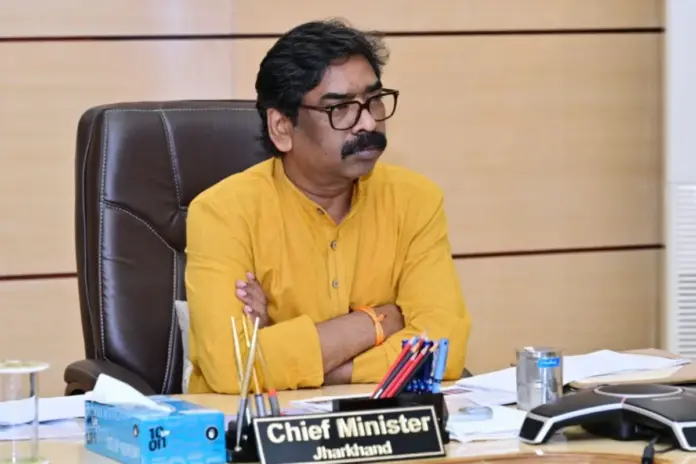
Hemant Soren Government’s Sarvajan Pension Yojana Offers ₹1,000 Monthly Support to Eligible Beneficiaries

Hemant- Soren
Google

The Sarvajan Pension Yojana is a social security initiative of the Jharkhand government aimed at extending monthly financial assistance to eligible elderly people, widows, destitute women, differently-abled persons and other vulnerable groups.

The scheme was introduced under the Department of Women, Child Development and Social Security, Government of Jharkhand, with the objective of expanding pension coverage to eligible beneficiaries. The state government has described the initiative as a universal pension approach.

₹1,000 Monthly Pension Under Sarvajan Pension Yojana

Eligible beneficiaries under the scheme receive ₹1,000 per month as pension assistance. The scheme covers categories including elderly persons, widows, destitute women, differently-abled people, primitive tribal communities and people living with HIV/AIDS, subject to applicable eligibility conditions.

The Jharkhand government has stated that the initiative was designed to remove limitations that had previously kept many eligible people outside the pension system.

Hemant Soren Government Focuses on Universal Pension Coverage

Chief Minister Hemant Soren has repeatedly highlighted the Sarvajan Pension Yojana as part of the state’s social security measures.

In a government programme, Soren said the state had moved towards ensuring pension coverage for eligible elderly, widows and differently-abled beneficiaries. The government has also said that the earlier age restrictions for widows and differently-abled beneficiaries were removed to expand coverage.

Pension Coverage for Senior Citizens

The scheme has also been associated with the government’s policy of providing pension support to eligible residents aged 60 years and above. In later announcements, the government said the eligibility age for old-age pension for women had been reduced to 50 years, indicating that the applicable eligibility can differ by beneficiary category.

Bhagwant Mann Conducts 548 Raids, Arrests 262 in Gangster Crackdown

Bhagwant Mann, in coordination with the Anti-Gangster Task Force (AGTF) Punjab, conducted 548 targeted raids across the state as part of its ongoing ‘Gangstran Te Vaar’ campaign.

According to Punjab Police, the Day 243 operation resulted in the arrest of 262 individuals, while four proclaimed offenders were also apprehended.

72,311 Arrests Since Campaign Launch: Bhagwant Mann

With the latest arrests, the total number of people arrested under the campaign has reached 72,311, according to Punjab Police.

The campaign was launched on January 20, 2026, with police teams conducting raids at identified locations linked to gangsters and their associates. The Punjab government said that around 1.34 lakh raids had been conducted during the first eight months of the campaign.

Preventive Action and Proclaimed Offenders

Punjab Police said preventive action had also been taken against individuals during the wider campaign. The Punjab government reported that 37,652 people had faced preventive action, while 1,858 proclaimed offenders had been arrested since the campaign began.

On Day 243 specifically, police reported four proclaimed offenders among the arrests.

Punjab Police Continues Gangster Crackdown

The police said the statewide operation is focused on locations identified and mapped as being linked to gangster networks and their associates.

Authorities have also urged members of the public to share information about wanted criminals and gangster-related activities through the Anti-Gangster Helpline: 93946-93946. Punjab Police said information can be provided anonymously.

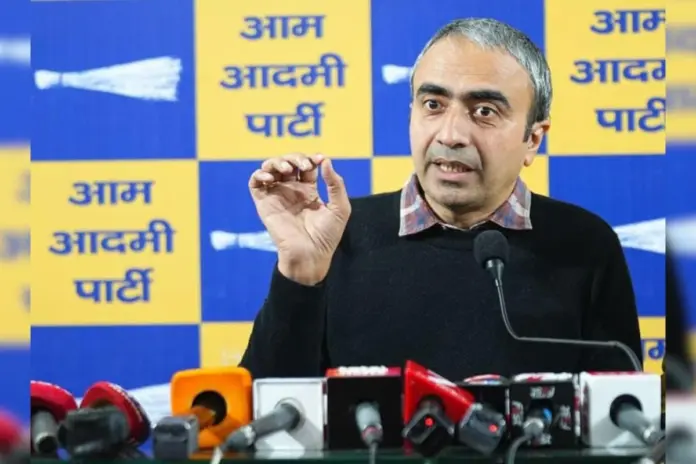
Anurag Dhanda Raises Drug Abuse Concerns Over Sonipat Civil Hospital Claim

Anurag- Dhanda
Google

Aam Aadmi Party (AAP) leader Anurag Dhanda has raised concerns over an alleged drug-use incident at the Sonipat Civil Hospital, citing a social media post that claimed empty vials of intoxicating medicines and used syringes were found in a public toilet at the hospital.

Dhanda shared the post by Atul Agrawal, which claimed that a toilet at the hospital had allegedly become a place for drug use. The post attributed the findings to a report by Living India News.

Anurag Dhanda Targets Haryana Government

Reacting to the allegation, Dhanda criticised the Haryana government led by Chief Minister Nayab Singh Saini and used the hashtag #UdtaHaryana in his post.

Dhanda wrote, “जहाँ बीजेपी, वहाँ नशा,” while alleging that Haryana had been turned into “Udta Haryana”. His remarks represent a political criticism of the state government’s handling of the drug issue.

Allegations About Empty Vials and Used Syringes

The social media post shared by Dhanda claimed that empty vials of potentially addictive medicines and used syringes were found in an accessible toilet at Sonipat Civil Hospital.

However, these specific claims could not be independently verified from the official Sonipat district administration or Haryana Health Department sources reviewed for this report.

The official Sonipat district website lists the Civil Hospital among the district’s public healthcare facilities and states that the Haryana Health Department is responsible for providing accessible and quality healthcare services.

Sonipat Civil Hospital Faces Other Recent Issues

The hospital has recently been in the news for other incidents. On September 15, a 23-year-old woman died hours after giving birth at the facility, following which her family alleged medical negligence. Hospital authorities denied negligence and said an inquiry had been ordered to determine the circumstances of her death.

Bhagwant Mann Distributes Health Cards in Mohali, Highlights ₹10 Lakh Treatment Cover

Bhagwant- Mann
Google

Punjab Chief Minister Bhagwant Mann addressed beneficiaries at a Mukh Mantri Sehat Yojana health card distribution ceremony in Mohali, highlighting the state government’s focus on expanding access to healthcare.

Mann said providing quality healthcare facilities to Punjabis remains a major priority of his government and highlighted the health cards being distributed to beneficiaries.

₹10 Lakh Health Cover Under Mukh Mantri Sehat Yojana: Bhagwant Mann

According to Mann’s statement, the health cards will provide families with access to free treatment of up to ₹10 lakh under the Mukh Mantri Sehat Yojana.

The scheme was launched in January 2026 as a universal health coverage programme providing cashless medical treatment of up to ₹10 lakh per family. Reports on the scheme said it covers around 65 lakh families across Punjab.

The scheme covers a range of medical procedures through empanelled government and private hospitals. Reports at the time of launch said around 2,300 treatment packages were included under the programme.

Health Cards Distributed to Beneficiaries

During the Mohali event, Mann said beneficiaries were handed their health cards, allowing them to access the benefits of the scheme.

The health card system has also been expanded digitally. A September 2026 report said beneficiaries can download their health cards through the official platform, providing another way to access the scheme’s documentation.

Punjab Government’s Healthcare Focus

Mann said healthcare remains one of the key priorities of his administration and linked the health scheme to the broader objective of improving access to medical services for residents.

Ayushman Bharat Scheme Expands in Uttar Pradesh, Government Highlights Cashless Healthcare: CM Yogi Adityanath

CM- Yogi- Adityanath
Google

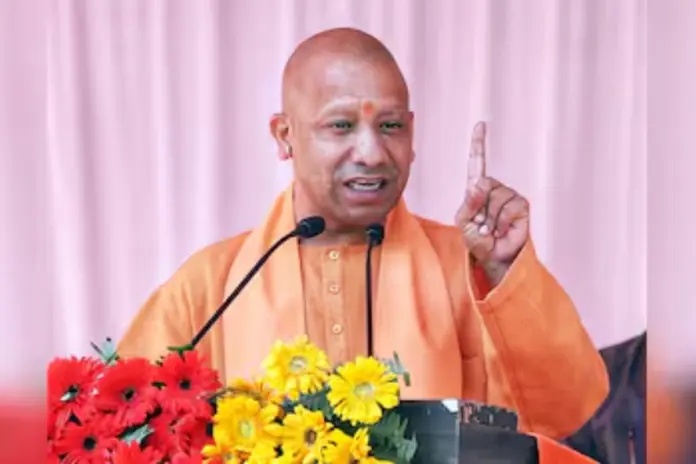
CM Yogi Adityanath: The Uttar Pradesh government has highlighted the continued expansion of the Ayushman Bharat scheme in the state, saying the initiative is helping provide accessible and cashless healthcare services to millions of beneficiaries.

The state government, in a recent social media post, credited the expansion to the leadership of Chief Minister Yogi Adityanath and highlighted the growing reach of the health protection programme.

Ayushman Bharat Coverage in Uttar Pradesh: CM Yogi Adityanath

According to Uttar Pradesh government information, more than 5.32 crore Ayushman cards had been issued in the state under the Pradhan Mantri Jan Arogya Yojana (PM-JAY) and the Mukhyamantri Jan Arogya Abhiyan as of June 2025. The state government said Uttar Pradesh ranked first nationally in the number of Ayushman cards issued at that time.

A later state government publication said Ayushman Bharat was providing free treatment of up to ₹5 lakh to more than 9 crore people in Uttar Pradesh.

Focus on Cashless Treatment

The Ayushman Bharat-PMJAY framework is designed to provide eligible beneficiaries with cashless hospitalisation for covered treatments at empanelled healthcare facilities.

The Uttar Pradesh health department lists Pradhan Mantri Jan Arogya Yojana (PM-JAY) among its major health programmes, alongside initiatives such as the Ayushman Bharat Digital Mission.

Government Highlights Wider Healthcare Expansion

The state government has also highlighted the expansion of healthcare infrastructure alongside Ayushman Bharat coverage. Its published health-related data includes Ayushman Arogya Mandirs, medical colleges and other public health facilities as part of the broader healthcare system in Uttar Pradesh.

Bhagwant Mann Highlights Aam Aadmi Clinics and Free Treatment as Punjab Health Priorities

Punjab Chief Minister Bhagwant Mann has highlighted healthcare and education as key priorities of his government, pointing to Aam Aadmi Clinics and free treatment facilities as initiatives aimed at improving access to healthcare in the state.

Mann shared the remarks as part of his “Satauj to Sansad” series, in which he discussed his political and public journey and the work of his government.

Bhagwant Mann Highlights Aam Aadmi Clinics

Mann said that Aam Aadmi Clinics have helped strengthen access to healthcare services for people across Punjab.

The Punjab government’s health system currently lists 990 Aam Aadmi Clinics among the public healthcare facilities supported through the Punjab Health Systems Corporation.

The state has also continued work related to establishing and expanding Aam Aadmi Clinics. Government procurement records from 2026 show projects for new clinics in locations including Patiala and Ludhiana.

Free Treatment Facility Mentioned as Key Initiative

In his statement, Mann also referred to free treatment facilities as part of the government’s healthcare approach.

According to the chief minister, these measures are intended to make healthcare more accessible to residents and contribute to improving health outcomes in Punjab.

The government’s broader health initiatives also include programmes such as CM Di Yogshala, which provides free yoga classes through certified instructors as part of a public-health and wellness initiative.

Health and Education Among Government Priorities

Mann said that health and education have consistently remained priorities for his government.

His latest remarks place the expansion of primary healthcare and access to public services within the broader narrative of the government’s work since taking office.

The comments were made as part of the “Satauj to Sansad” series, with Mann reflecting on the policies and initiatives associated with his administration.

UP International Trade Show 4.0 to Showcase Culture, Traditional Art and Industry in Greater Noida: CM Yogi Adityanath

CM- Yogi- Adityanath
Google

CM Yogi Adityanath: The UP International Trade Show 4.0 is set to be held in Greater Noida from September 25 to 29, 2026, bringing together Uttar Pradesh’s traditional art, cultural heritage, emerging businesses and modern industrial capabilities.

The Uttar Pradesh government said the upcoming trade show will present a new picture of the state’s cultural and industrial landscape while creating opportunities for businesses, startups and buyers.

UP CM Yogi Adityanath International Trade Show 4.0 to Highlight State’s Diverse Strengths

According to the Uttar Pradesh government, the event will showcase the state’s rich culture, traditional crafts and modern industries on a common platform.

The trade show is expected to provide visibility to a range of products and enterprises from Uttar Pradesh, while highlighting the state’s evolving industrial and business ecosystem.

Focus on Products, Startups and Business Opportunities

The event will also feature innovative products, startups and business opportunities, with the aim of connecting enterprises with wider markets.

The government has described the trade show as a platform that can help expand Uttar Pradesh’s global trade outreach and provide businesses with opportunities to engage with potential buyers and partners.

Official government records confirm that arrangements are underway for the 2026 edition at the India Expo Centre & Mart in Greater Noida.

UP’s Global Trade Vision

The UP government said the fourth edition of the trade show will support its broader vision of strengthening the state’s presence in global trade.

The event will bring together traditional sectors alongside startups and modern industries, reflecting the government’s focus on combining Uttar Pradesh’s cultural heritage with its emerging economic and industrial opportunities.

With the trade show scheduled for five days, the event is expected to provide a platform for businesses and entrepreneurs to showcase their products and explore new commercial opportunities.

Under Leadership Of Bhagwant Mann; Aman Arora Leads Door-to-Door Outreach in Sunam, Highlights Punjab Government Schemes

Bhagwant- Mann
Google

Bhagwant Mann: Punjab Cabinet Minister and Aam Aadmi Party (AAP) Punjab president Aman Arora visited households in Sunam as part of the party’s ongoing door-to-door outreach campaign.

According to a post shared by AAP Punjab, Arora met residents and discussed the facilities and financial benefits that the party says have been provided to people under the Bhagwant Mann-led Punjab government.

Aman Arora Meets Sunam Residents: Bhagwant Mann

During the door-to-door outreach, Arora interacted directly with residents of Sunam and shared information about various government initiatives and benefits.

The AAP Punjab post said the campaign is aimed at taking information about the government’s work and the benefits claimed by the party directly to households.

AAP’s Statewide Door-to-Door Campaign

The Sunam outreach is part of AAP Punjab’s broader statewide door-to-door campaign that began on September 20.

The party had announced that 2.68 lakh booth committee members would participate in the campaign across Punjab, covering households through booth-level organisations. The initiative is focused on communicating the Mann government’s work and claimed benefits to residents.

Punjab Chief Minister Bhagwant Mann also launched the campaign from Dhuri under the “Mann Da Munafa” theme, linking the outreach to the government’s welfare and development work since 2022.

Focus on Government Benefits

In Sunam, Arora’s interaction with residents centred on explaining the facilities and economic benefits that AAP says people have received through government initiatives.

The campaign comes ahead of the 2027 Punjab Assembly elections, with AAP using direct household-level outreach to communicate its record and engage with residents across the state.

Sahil Wakode Death: IIT Bombay Signs 18-Point Charter, Paves Way for Major Mental Health and Disciplinary Reforms

IIT- Bombay
Google

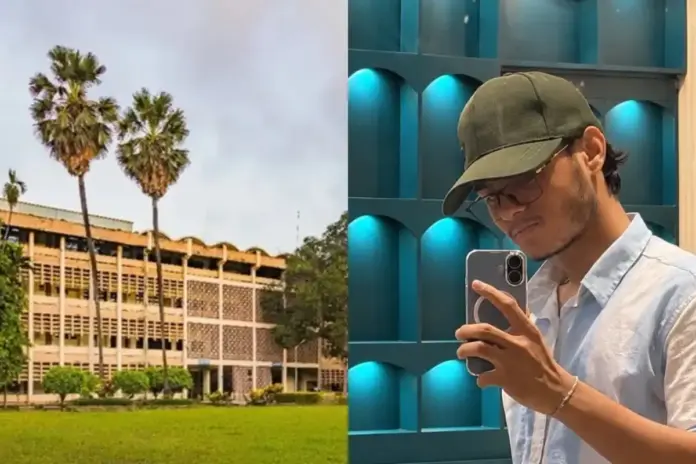
IIT Bombay: IIT Bombay has agreed to a sweeping set of reforms after days of student protests over the death of Sahil Wakode, a second-year BTech student who died by suicide on campus on September 18. Director Prof Shireesh Kedare signed an 18-point charter late Sunday night, following nearly three hours of talks with students who had been staging a sit-in near the institute’s main gate.

What Led To The Protests

Wakode, a student of the Department of Energy Science and Engineering, was allegedly found using a mobile phone during a mid-semester examination on the day he died. The institute said he had uploaded the exam question paper to an AI platform to seek answers, but maintained that he had only been counselled and no formal disciplinary action was taken against him. Wakode’s parents have since filed an FIR against Professor Suryanarayana Doolla, who was invigilating the exam, alleging abetment to suicide and caste-based harassment, a claim the institute denies. Mumbai Police have registered a case of abetment of suicide based on the complaint.

Key Demands In The Charter

The 18-point charter calls for an independent inquiry into Wakode’s death, with student representatives and external members involved in the process. It also demands action against Professor Doolla and a public apology over what students describe as the defamation of Wakode following the exam incident.

Mental Health And Disciplinary Reforms

IIT Bombay: A major part of the charter focuses on strengthening student welfare systems. It proposes a task force made up of students, faculty, mental health professionals, and outside experts to study student distress and recommend preventive measures. Other demands include a 24-hour on-call psychiatrist at the institute hospital, improved in-person counselling, mental-health sensitisation training for faculty and staff, and changes to how the Disciplinary Action Committee functions.

’Blow The Entire Nation Up…’ Donald Trump Sets 3 Scenarios for US Iran War After Tehran Demands 7 Pre-requisites, Check

US- Iran- War
Google

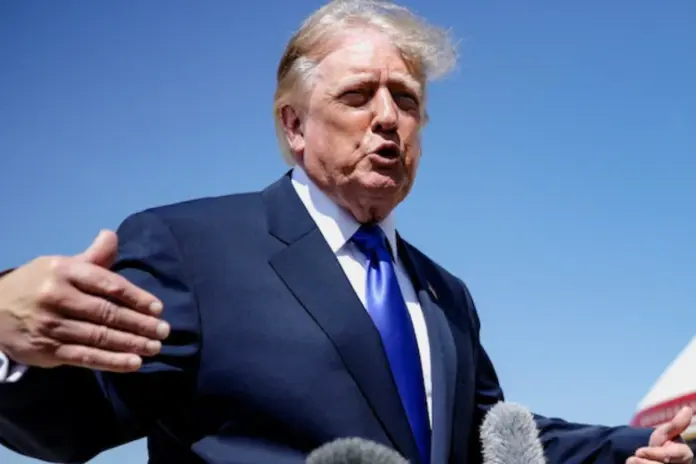
US Iran War: The US-Iran War moves into a new stage following signals from U.S. President Donald Trump that Washington is contemplating its next steps towards Tehran. Trump revealed that he is in “deciding mode” and noted that “very big things” will happen soon if Tehran does not reconsider its stance. 

Trump considers three alternatives in the conflict with Iran

Trump set out three scenarios for the US-Iranian conflict: military action, economic pressure, and negotiations. Additionally, Trump sent a clear message to Iran while still leaving the door open for negotiations.

Seven preconditions offered by Iran through Qatar

Iran has offered the US seven conditions for talks through Qatar. The conditions include stopping the war, unfreezing Iranian assets, and lifting the US navy blockade on Iran. Tehran has threatened that it is ready for decisive war in case of rejection of the demands.

The Strait of Hormuz takes on more importance in the disputes

The strategic Strait of Hormuz continues to be a key factor in the disputes. Iranian Parliament Speaker Mohammad Bagher Ghalibaf declared that his country will not allow the opening of the Strait until the conditions have been fulfilled.

Iran warns against another U.S. attack

At the same time, Iranian military authorities have warned that another major U.S. operation could trigger retaliation against American interests and bases in the region. Iran has also accused several regional countries of supporting Washington. Its military has said countries assisting a new US operation could be treated as participants in the conflict.

Trump open to meeting Pezeshkian

Despite the escalating rhetoric, a potential diplomatic channel could emerge at the United Nations General Assembly in New York. Trump has said he would “probably be open” to meeting Iranian President Masoud Pezeshkian, who is expected to travel to New York for the UN gathering.

Leadership Row Intensifies! Noel Tata Raises Strong Objection Over N Chandrashekharan’s Reappointment at Tata Sons, What Next

N- Chandrashekharan
Google

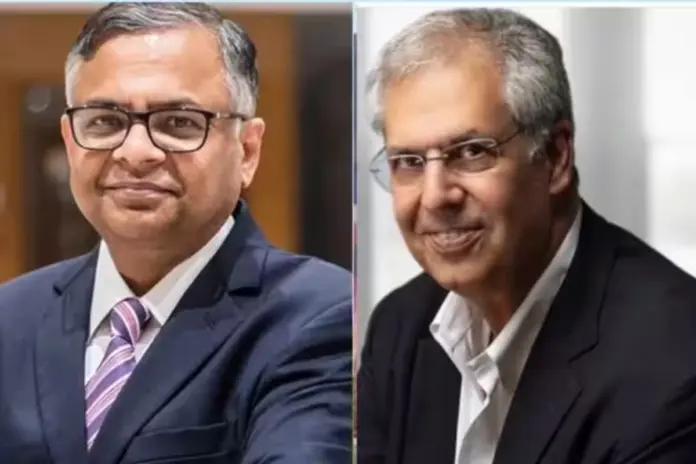
N Chandrashekharan: A significant leadership conflict has erupted at Tata Sons after the chairman of Tata Trusts, Noel Tata, heavily criticized the process involved in the reappointment of N Chandrasekaran as the company’s chairman for another five years. 

How did the leadership dispute between Tata Sons started?

At the Tata Sons board meeting held on September 17, the board decided to continue the reappointment of N. Chandrasekaran as the chairman of the company for another five years. Nevertheless, Noel Tata, who is the chairman of Tata Trusts, opposes this decision. 

Why has Noel Tata objected?

Noel Tata believes that the process by which voting for the reappointment took place did not conform to the company’s Articles of Association. In the letters written subsequent to the board meeting, he mentioned that the voting process was not in line with the provisions of the company and termed the resolution as one without any legal force. 

Dispute over the casting vote

Another major point of disagreement is whether Harish Manwani’s casting vote could settle the split among the directors. Tata Trusts has argued that the required affirmative support from its nominee directors was not obtained and that a casting vote could not overcome that condition. The Trusts have therefore challenged the validity of the resolution. Noel Tata has also said the board had agreed to obtain a legal opinion on key questions surrounding the appointment before the matter was finalized.

Tata Trusts’ objection to the decision

N Chandrashekharan: The conflict has crossed the boardroom and gone public. Tata Trusts’ position is that the September 17 decision was not valid since the condition mentioned in the Articles had not been met. Tata Trusts objected to the use of the casting vote to settle the disagreement between their two nominee directors on the question of whether Mr. Chandrasekaran will serve his third term as chairman. Under the Reserve Bank of India regulations, Tata Sons is listed as an upper-layer non-banking financial company, which brings some requirements regarding the listing process. 

Daayra Box Office Collection Day 3: Kareena Kapoor Starrer Stays Flat, Can It Successfully Overcome Monday Blues

Daayra- Box- Office- Collection- Day- 3
Google

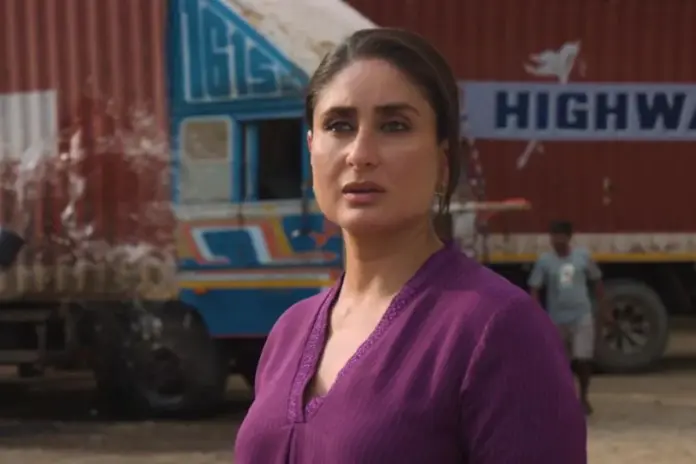
Daayra Box Office Collection Day 3: Daayra, the investigative crime thriller starring Kareena Kapoor and Prithviraj Sukumaran, has pushed its three-day total past the Rs 4 crore mark at the domestic box office. Directed by Meghna Gulzar, the film released on September 18 alongside Kunal Kemmu’s Vibe, splitting opening weekend footfalls between the two releases.

A Flat Day 3 Signals Caution

Rather than the usual Sunday bump films look for, Daayra’s Day 3 collection stayed largely level with its Day 2 numbers. For a film built around word of mouth and a police procedural plot rather than star-driven mass appeal, a flat weekend is a mixed signal. It shows the film has found a steady base audience, but it has not managed the kind of jump that turns a modest opener into a sleeper hit.

Clash With Vibe Continues to Split Screens

The film’s box office run cannot be read in isolation from its clash with Vibe. Kareena had earlier said she hoped both films would do well, noting there was room in cinemas for two good releases. Three days in, both films appear to be sharing a limited pool of screens and footfalls rather than either one pulling decisively ahead.

Can Daayra Beat the Monday Blues

The bigger question now is how Daayra performs once the weekend cushion disappears. Weekday collections for mid-budget thrillers without a franchise pull typically see a sharp drop on the first Monday, often 40 to 50 percent lower than Friday numbers. Given that Daayra’s Day 3 numbers already showed no real growth, trade watchers will be looking closely at Monday’s figures to gauge whether the film can sustain a respectable theatrical run or fade quickly against stronger competition.

What It Means for the Film’s Final Run

With word of mouth still building and reviews mixed to positive, Daayra’s fate over the coming week will likely decide whether it closes as a modest performer or manages a longer tail at the box office.

ECI Mapping Glitch Sparks SIR Data Discrepancy, Leaves 88-Year-Old Voter Missing From Delhi And Bihar Rolls, Big Names Notices in Question

SIR- Data- Discrepancy
Google

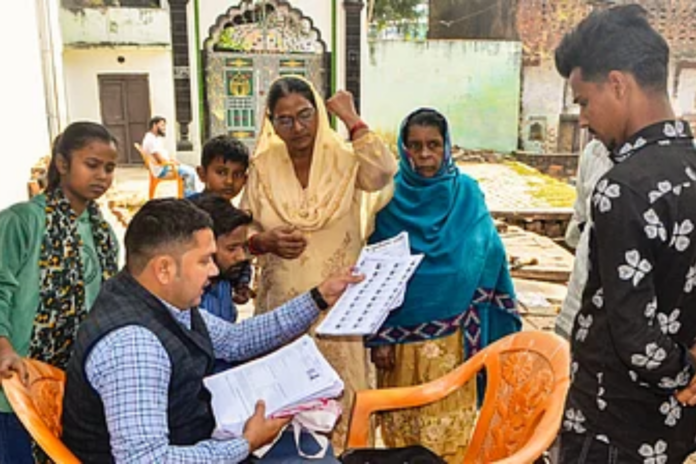
SIR Data Discrepancy: The Election Commission of India is facing renewed criticism after a technical glitch in its Special Intensive Revision process led to a data discrepancy affecting voter records across states. The issue reportedly stems from an error in how addresses were mapped between constituencies during the SIR exercise, an initiative meant to clean up and update the electoral database.

Elderly Voter Left Off Both Rolls

Among the most striking cases to emerge is that of an 88-year-old voter whose name appears on neither the Delhi nor the Bihar electoral rolls, despite having voted in previous elections. Family members reportedly discovered the omission while checking the voter’s status online, raising questions about how the mapping system handled long-registered voters during the update.

Prominent Names Also Under Question

Beyond individual cases, reports suggest that several well-known names have also come under scrutiny during the SIR process, with their entries flagged for further verification. This has added to concerns that the glitch may not be an isolated incident but part of a wider pattern affecting the accuracy of the revised rolls.

What Happens Next

Election officials have not yet issued a detailed public explanation for the mapping error. Voters affected by such discrepancies are typically advised to file corrections through the ECI’s designated portal or local electoral offices before the rolls are finalised.

Wider Concerns Over SIR Accuracy

SIR Data Discrepancy: The episode adds to ongoing debate around the Special Intensive Revision, with opposition parties and civil society groups previously questioning the exercise’s transparency. As the revision continues, cases like this are likely to keep pressure on the Commission to address systemic errors before final rolls are published.