
Home Blog Page 195

Yogi government’s “Yaksh App” giving an edge to smart policing

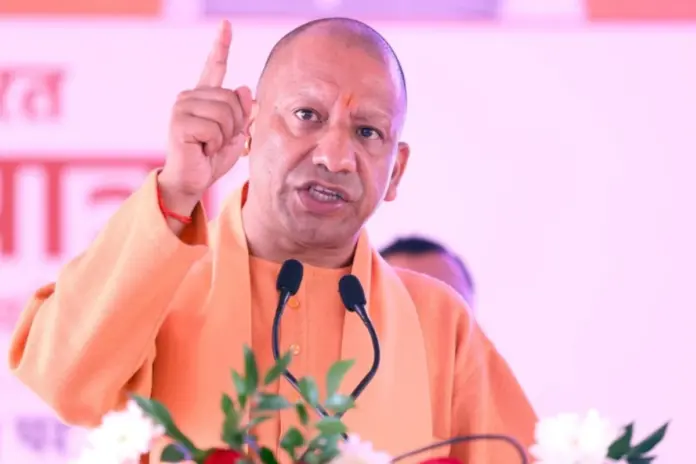
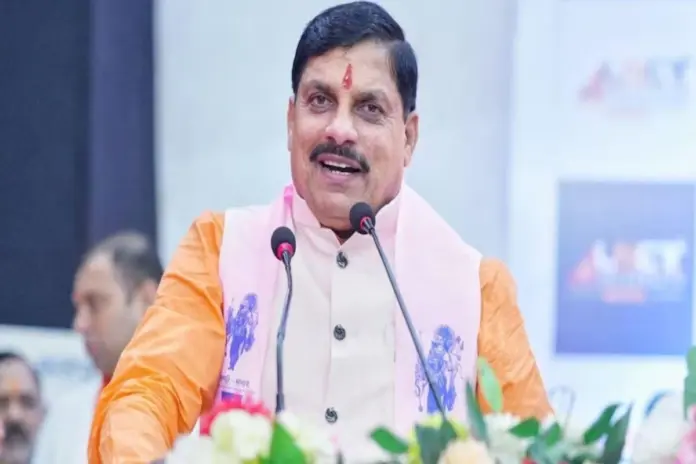
CM Yogi

The Yaksh App of UP Police is playing a crucial role in putting criminals behind bars. Within just 90 days, the Yaksh App has helped solve more than a dozen criminal incidents, giving a new dimension to smart policing and strengthening crime control.

Through this app, serious crimes such as kidnapping, murder, robbery and theft have been solved. With the help of the Yaksh App, police are not only reaching suspects quickly but have also significantly reduced the time taken to crack cases. It may be noted that Chief Minister Yogi Adityanath launched the Yaksh App during the “Police Manthan” program to give a new direction to smart policing in Uttar Pradesh.

DGP Rajeev Krishna said, “The Yaksh App was launched under the concept of smart policing in line with the vision of Chief Minister Yogi Adityanath.” The Yaksh App provides features such as a digital database of criminals in the state, location-based mapping of CCTV cameras, and analytical tools.

Earlier, investigators had to rely on traditional registers like the “Village Crime Notebook,” but now the entire criminal history can be accessed within minutes.

DGP Rajeev Krishna further said, “In a kidnapping case registered in Hardoi, the Yaksh App revealed a shocking truth during the investigation. It was found that the person who was allegedly kidnapped had actually been in jail for the past two and a half years. Similarly, the robbery of a public service center operator in Jaunpur on March 11, 2026, was solved within hours. Police analyzed footage from 42-43 CCTV cameras through the Yaksh App, which helped identify suspects and track their location. Following this, three accused were arrested in an encounter and about ₹1.30 lakh in cash was recovered.”

In addition, two robbery incidents that occurred within an hour in the Kakori area of Lucknow were solved within 48 hours. By analyzing the suspects’ identities, mobile locations, and activities through the Yaksh App, police arrested both criminals.

Furthermore, in Raebareli, the app helped expose an eight-member interstate vehicle theft gang. Through the app’s database and geo-tagging, police obtained the criminal history of the accused and arrested them through a planned operation.

The Yaksh App also played a key role in arresting an accused involved in the murder of his mother-in-law and brother-in-law in Bareilly. As soon as the suspect’s photo and record were obtained from the app, police arrested him.

In Agra, the app helped save an elderly man from false molestation allegations. Through CCTV footage and facial recognition, the real accused were identified and arrested.

In districts such as Meerut, Hathras, Farrukhabad, Kanpur and Gonda, several theft and pickpocketing gangs have been exposed with the help of the Yaksh App.

In Meerut, four members of a pickpocket gang were arrested; in Hathras, a jewelry theft accused was traced; in Kanpur, a gang involved in stealing from a jewelry shop was busted; and in Gonda, thefts taking place in schools were uncovered through the app.

Key features of the app

  • Statewide digital database of criminals accessible to police units
  • Location-based mapping of CCTV cameras for rapid evidence collection
  • Each criminal assigned a unique Criminal ID, enabling smooth information sharing between districts
  • Multi-angle photographic records of criminals for accurate identification

Big relief for farmers; Special trains to be run to lift 155 lakh metric tonnes of rice & wheat lying in FCI godowns in Punjab: CM Bhagwant Singh Mann

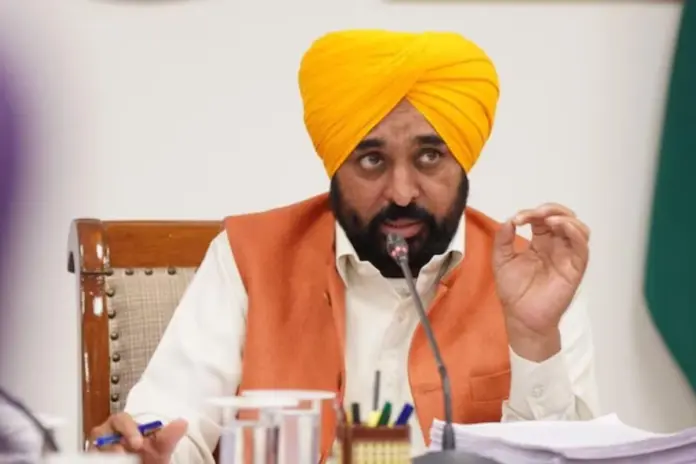
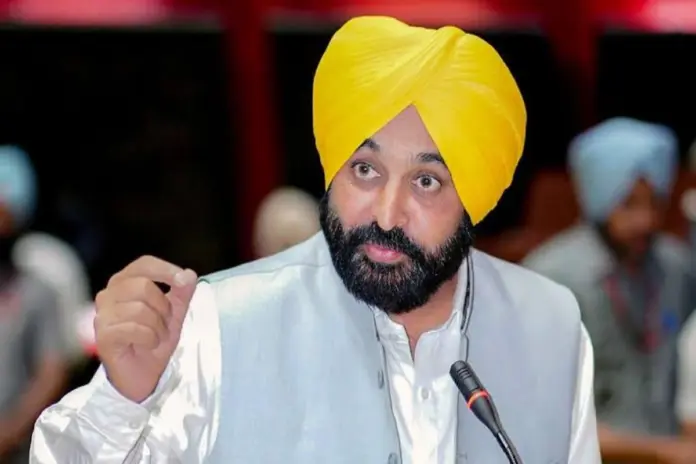
CM Bhagwant Mann

Punjab Chief Minister Bhagwant Singh Mann on Friday met Union Food and Public Distribution Minister Pralhad Joshi in New Delhi and secured key relief measures for farmers and mandis, with the Centre agreeing to run special trains to lift 155 lakh metric tonnes of foodgrains lying in Punjab and ease the state’s acute storage crisis ahead of the Rabi Marketing Season.

Alongside this immediate intervention, CM Bhagwant Singh Mann pressed for resolution of structural issues burdening Punjab, including higher Cash Credit interest rates, ₹9,000 crore pending under the Rural Development Fund, compensation for hailstorm-hit crops, and long-pending demands of arhtiyas, with the Union Minister responding positively and assuring concrete follow-up, including a Secretary-level mechanism to address pending dues.

Sharing a few snippets from the meeting on X, CM Bhagwant Singh Mann stated: “Today, in Delhi, I held an important meeting with Union Food Minister Pralhad Joshi ji. During this time, we discussed in detail several key issues related to Punjab, including the demands of the arhtiyas.”

The Chief Minister further wrote: “During the meeting, critical matters were raised before the Centre, such as the swift lifting of 15.5 million metric tonnes of wheat and rice lying in Punjab, and the immediate payment of the outstanding ₹9,000 crore under RDF. At the same time, a demand was made to reduce the high interest rates imposed on states under the Cash Credit Limit and to consider the arhtiyas’ demands related to the Centre on a priority basis. In addition, an appeal was made to promptly resolve issues concerning the EPF of mandi laborers, and a demand was also raised to provide farmers with the due compensation for losses caused by unseasonal rains.”

“I am pleased that the Union Minister ji has responded very positively to all these issues. We remain continuously committed to safeguarding the interests of Punjab,” the post concluded.

Flagging the acute shortage of storage space, CM Bhagwant Singh Mann said, “180.88 LMT of food grains (151.20 LMT rice and 29.67 LMT wheat) are already stored in the state’s covered godowns, whereas the total available covered storage capacity is approximately 183 LMT (173 LMT covered godowns + 10 LMT wheat silos). As a result, only 0.50 LMT covered space is available for rice and 1.75 LMT silo space for wheat.”

He added, “The Rabi Marketing Season (RMS) 2026–27 has begun in the state from April 1, 2026, during which procurement of 130–132 LMT of wheat is expected.”

Highlighting the existing stock burden, the Chief Minister stated, “Out of the previous year’s wheat stock of 38 LMT, about 8.71 LMT is already lying in CAP or open storage in the state, which has led to a shortage of scientific storage space, and approximately 40 LMT of wheat will have to be stored in suboptimal conditions.”

Raising the issue of slow movement of food grains, CM Bhagwant Singh Mann said, “Our government has been consistently requesting adequate movement of wheat and rice to create the necessary storage space for rice procurement and storage. However, over the past several months, the average movement from the state has been only about 5 lakh metric tonnes per month for both wheat and rice.”

He urged, “At least 12 lakh metric tonnes each of wheat and rice be moved every month, or alternatively, arrangements such as enhanced distribution of food grains under the Pradhan Mantri Garib Kalyan Anna Yojana (PMGKAY) be made, as was done during the COVID-19 pandemic, especially considering the hardships faced by the general public amid the ongoing conflict in West Asia.” He added, “This will help ensure smooth procurement operations during RMS 2026–27 and expedite the milling of paddy for KMS 2025–26.”

Raising another issue, CM Bhagwant Singh Mann noted, “Funds for procurement are arranged through a consortium of banks led by the State Bank of India, as authorized by the Reserve Bank of India.” He added, “The State Bank of India is charging an interest rate that is 0.5% higher than the recovery rate applicable to the Food Corporation of India, and is levying interest on a monthly compounding basis.”

He further said, “However, in the provisional cost sheets issued by the Government of India for each season, the state is allowed only simple interest at Food Corporation of India (FCI)’s interest rate. As a result, the State of Punjab is incurring an avoidable loss of approximately ₹500 crore every season.

He added, “We have raised this issue with the Union Finance Minister as well. The third issue is related to the Rural Development Fund. We have repeatedly said that the roads leading to our mandis need to be constructed, and we even passed a Bill in the Vidhan Sabha stating that this money will be used solely for repairing mandis, modernising mandis, and improving mandi roads. However, the previous government led by Captain Amrinder Singh misused these funds, due to which the money has been withheld.”

He further said, “We have already approached the Supreme Court of India on this issue and the matter is currently sub judice. Instead of prolonging litigation, the Union Government should release Punjab’s rightful dues. This is Punjab’s share and Punjab’s right, and we are only demanding what legitimately belongs to it.”

He added that if there is any constraint on the Centre’s budget, the funds can be released in installments, in any manner deemed appropriate, but the amount has now reached ₹9000 crore and continues to be withheld.

The Chief Minister added, “We strongly raised this issue as well, and they assured us that in the coming days, a meeting at the Secretary level will be convened to create a mechanism through which these funds will start being released.”

He urged, “Punjab be allowed to claim interest charges on a monthly compounding basis as per the interest rate levied by the State Bank of India on Cash Credit Limit (CCL), instead of the interest rate of the Food Corporation of India.”

Speaking on the issue of arhtiyas, he said, “The main issue was that the arhtiyas are demanding 2.5% commission, whereas the Government of India has fixed their commission at the current rates.”

Dwelling on the issue of arhtiya commission, Bhagwant Singh Mann said, “Department of Food and Public Distribution (DFPD), Government of India, had fixed the arhtiya (commission agent) commission at ₹45.88 per quintal for paddy for the Kharif Marketing Season (KMS) 2020–21 and ₹46.00 per quintal for wheat for the Rabi Marketing Season (RMS) 2021–22.”

He added, “Since then, the same fixed commission has been continued every year for both paddy and wheat, which has led to considerable dissatisfaction among arhtiyas, and the State Government has been consistently writing to the Central Government to increase the arhtiya commission.”

The Chief Minister added, “The Ministry of Food, Government of India has made a marginal increase in the commission of ₹4.75 per quintal for wheat (from ₹46 to ₹50.75) and ₹4.73 per quintal for paddy (from ₹45.88 to ₹50.61), which will be applicable from RMS 2026–27.” He added, “However, this nominal increase has not been accepted by the arhtiyas, and they have demanded that, as per the Punjab Agricultural Produce Markets Act, 1961 and the rules framed thereunder, the arhtiya commission should be fixed at 2.5% of MSP.”

He urged, “The Government of India, through DFPD, should review this negligible increase in arhtiya commission and approve commission at the rate of 2.5% of MSP in accordance with the Punjab Agricultural Produce Markets Act, 1961.”

Highlighting another concern, CM Bhagwant Singh Mann said, “For the past several years, the Food Corporation of India has been withholding 30% of the mandi labour charges payable for the crops procured by it each season due to issues related to EPF.” He added, “As a result, approximately ₹50 crore belonging to arhtiyas is lying with FCI, which has further increased their financial burden.”

The Chief Minister stated, “Meanwhile, the state agencies are making payments to arhtiyas after obtaining undertakings or affidavits from them, stating that if any liability is determined by the EPF authorities, the arhtiyas will fulfill the same.” He asserted, “Therefore, there is no justification for withholding 30% of the labour charges on account of EPF,” and urged the Union Minister to direct FCI to release the payments by obtaining affidavits, similar to the practice followed by the state agencies.

Reiterating Punjab’s key role in the national food procurement system, CM Bhagwant Singh Mann emphasised that timely intervention by the Centre on these issues is essential to ensure smooth procurement, protect farmers’ interests, and prevent further financial strain on the state.

Akali Dal, which has already lost in people’s court, will also lose in court of God: CM Bhagwant Singh Mann

CM Mann

Drawing a sharp contrast between public faith and political conduct, CM Bhagwant Singh Mann said the Shiromani Akali Dal (SAD), which has already been rejected in the people’s court, now stands exposed before the court of God as well. He criticised Sukhbir Singh Badal for contradictory conduct, noting that while seeking forgiveness at Sri Akal Takht Sahib, he later attempted to downplay his statements. CM Bhagwant Singh Mann asserted that the people of Punjab clearly recognise these actions as a deliberate attempt to mislead and undermine the sanctity of Sri Akal Takht Sahib.

On the issue of religious authority and sacrilege, CM Bhagwant Singh Mann reaffirmed the primacy of Sri Akal Takht Sahib, while also announcing decisive legislative action to ensure the strictest punishment against any act of desecration.

Replying to a query, CM Bhagwant Singh Mann said that Sri Akal Takht Sahib is the supreme body of the Sikh community, asserting, “Every Punjabi in general and Sikhs in particular bow head before Sri Akal Takht Sahib and obey every order from it as the final authority.” He added, “If Akali leader Sukhbir Singh Badal has committed any mistake, he must admit it before Sri Akal Takht Sahib, as per the established religious traditions and principles, instead of undermining its authority.”

On legislative measures, CM Bhagwant Singh Mann asserted that on the solemn occasion of Vaisakhi, a special Assembly session has been convened to amend the Jagat Jot Sri Guru Granth Sahib Satkar Act, 2008. He stated, “Anyone daring to attempt sacrilege will face the strictest punishment with a minimum of 10 years and up to life imprisonment.”

He further added that consultations are ongoing with the Sant Samaj and legal luminaries regarding the proposed amendments to be introduced during the session.

Fatty Liver: Dirty Secret Revealed! Metabolic Health Expert Shares Tips To Improve Gut Health

Gut Health
Image Credit: Google

Fatty Liver: If you’ve been gaining stubborn weight around your mid-section, battling food cravings, feeling persistently fatigue or riding the rollercoaster of blood sugar crashes, you aren’t alone. However, things get worse when you’re being told that you need to eat healthy as your liver enzymes are a little high. This may be a classic sign of early-stage fatty liver, also known as non-alcoholic fatty liver disease (NAFLD).

Now comes the good news! Early-stage fatty liver is manageable and highly reversible. However, it would require a high level of precision and not guesswork.

Why Fatty Liver Happens?

Fatty Liver develops when there is accumulation of excess fat in liver cells, primarily because of metabolic dysfunction and not just due to dietary fat intake. The real culprit could be chronically-elevated insulin levels.

When you start consuming high amounts of sugars, refined carbs and ultra-processed foods, your body starts producing insulin to regulate blood glucose. Over time, frequent bouts of insulin spikes may result in insulin resistance. This forces the body to churn out even more insulin, creating a vicious cycle that promotes fat storage, especially in the liver region.

Due to this, the liver becomes overwhelmed and starts converting excess glucose into fat. The accumulated fat then goes on to impair liver function and trigger inflammation.

How To Treat Fatty Liver?

  • Your primary goal should be to reduce insulin levels and restore insulin sensitivity. For this, you need to include healthy fats like nuts, seeds, fatty fish and olive oil so metabolic balance gets supported.
  • Include cruciferous vegetables like broccoli, cauliflower and cabbage as they enhance liver enzyme activity.
  • Focus on evidence-based, hepatoprotective (liver-protecting) foods and natural supports such as green tea, ginger, coffee (in moderation) and turmeric. You can even include herbal teas made from dandelion root, milk thistle and peppermint.
  • You need to cut down on or eliminate refined sugar, white flour products ultra-processed snacks and excess alcohol. Also, say goodbye to Granola bars, flavoured yogurts and even certain smoothies.

Disclaimer: This content, including advice, provides general information only. It is not a substitute for a qualified medical opinion in any way. The methods and claims mentioned in this article should be considered as suggestions only; DNP India neither confirms nor denies them. Always consult a doctor before following any such suggestions/treatments/medications/diets.

Bhagwant Mann Govt Issues Strong Warning to Anti-Social Elements, Harpal Singh Cheema Highlights Crackdown

Bhagwant Mann: Punjab Finance Minister Harpal Singh Cheema has issued a strong warning to anti-social elements, stating that there is no place for those attempting to disturb peace in the state. He emphasized that the government remains committed to maintaining law and order and ensuring a secure environment for citizens.

Bhagwant Mann: Focus on tackling cross-border criminal networks

Cheema highlighted that conspiracies being planned by gangsters and shooters from other states and even abroad are being actively monitored. He said authorities are taking strict measures to neutralize such threats.

The government is working in coordination with central agencies to track and prevent organized criminal activities.

Coordination with central ministries

The minister stated that the Punjab government is in continuous contact with the Ministry of Home Affairs and the Ministry of External Affairs to address security challenges. This coordination has helped in taking action against criminals operating from outside the country. Officials said such collaboration is crucial in dealing with transnational crime.

Arrests of criminals from abroad

According to Cheema, several accused individuals have already been apprehended from foreign locations. Efforts are ongoing to bring more offenders to justice. Law enforcement agencies are using intelligence inputs and international cooperation to track fugitives.

Strict action to continue

The minister reiterated that strict action will continue against anyone attempting to disrupt peace. He stressed that law enforcement agencies are fully prepared to act against offenders. Authorities noted that maintaining peace and stability remains a top priority for the government.

Government’s zero-tolerance stance

The Punjab government, under Chief Minister Bhagwant Mann, has consistently maintained a zero-tolerance policy against crime. Officials said that decisive action is being taken to curb organized crime and ensure public safety.

Ensuring safety and stability in Punjab

The government aims to strengthen internal security through proactive measures and coordination. Efforts are being made to prevent criminal networks from operating within the state.

Experts believe that strong enforcement and coordination are key to maintaining long-term peace.

Continued efforts to safeguard law and order

Authorities indicated that operations against anti-social elements will continue. The focus remains on safeguarding citizens and upholding the rule of law.

Anurag Dhanda Raises Concerns Over Manipur Situation, Questions Government Response

Anurag- Dhanda
Google

AAP leader Anurag Dhanda has raised serious concerns regarding the situation in Manipur, alleging that unrest and violence continue to affect normal life in the state. In a social media post, Dhanda claimed that the situation remains tense, with reports of recent incidents adding to public anxiety.

Anurag Dhanda: Reference to recent incident and viral video

Dhanda referred to a video circulating online, which reportedly mentions an incident dated April 7 involving a fire that led to casualties, including children, and injuries to a woman.

The video also shows a young girl voicing concern and raising questions over the situation. However, the claims in the video remain unverified by official sources.

Allegations over handling of the situation

The AAP leader questioned the response of the central government, suggesting that more attention should be given to addressing the situation in Manipur.

He also raised concerns regarding internet restrictions, alleging that shutdowns may limit the flow of information from affected areas.

Political remarks and criticism

Dhanda criticized the government, stating that issues of public safety should be prioritized. He contrasted the situation with ongoing political activities elsewhere, raising questions about governance priorities.

Political observers note that such statements are part of ongoing debates between opposition leaders and the government over handling of sensitive issues.

Background of prolonged unrest

Manipur has witnessed periods of unrest since 2023, with law and order challenges impacting communities. The situation has drawn attention from multiple political stakeholders.

Experts emphasize that restoring peace requires coordinated efforts, dialogue, and sustained administrative action.

Need for verified information and official response

Authorities have not issued any immediate statement regarding the specific claims mentioned in the video. Verification of such incidents is crucial to avoid misinformation.

Observers stress the importance of relying on confirmed updates. Official clarification is expected to provide more clarity on the situation.

Call for peace and stability

Amid the concerns raised, there is a growing call for restoring normalcy in Manipur. Ensuring safety and rebuilding trust among communities remains a priority.

Experts believe that long-term solutions will depend on effective governance and continued engagement with local stakeholders.

Ongoing political and public discourse

The issue continues to remain part of national political discourse. Leaders across parties are expected to respond as developments unfold.

Punjab CM Bhagwant Mann Focuses on Safer Travel with Tarn Taran–Amritsar Road Widening

Punjab Chief Minister Bhagwant Mann has emphasized the government’s commitment to improving road infrastructure, highlighting the widening of the Tarn Taran–Amritsar road. The project aims to enhance travel convenience for residents and ensure smoother connectivity between key areas.

Bhagwant Mann: Reduced traffic congestion and accident risks

According to officials, the widened road is expected to significantly reduce traffic congestion. It will also lower the risk of road accidents, which has been a concern in the region. Improved road conditions are likely to make daily commuting safer and more efficient. Authorities believe the project will benefit a large number of travelers.

Focus on public safety and convenience

The state government has reiterated its focus on making road travel safe and hassle-free. Infrastructure upgrades are being carried out to address long-standing issues faced by commuters. Officials noted that such initiatives reflect a citizen-centric approach. Enhancing road quality remains a priority.

Boost to regional development

Better road connectivity is expected to contribute to economic growth in the region. It can improve access to markets, services, and employment opportunities. Experts say that strong transport networks are essential for regional development. They help in boosting trade and mobility.

Modern roads transforming travel experience

The Mann government highlighted that newly developed and widened roads are changing the travel experience across Punjab. The focus is on building durable and high-quality infrastructure. Residents are likely to experience improved travel times and greater comfort. The initiative aligns with broader development goals.

Government’s continued infrastructure push

The Punjab government continues to invest in road development projects across the state. Authorities indicated that more such initiatives are underway. The aim is to create a modern and efficient road network. This will support long-term growth and public welfare.

Towards safer and better transportation

The Tarn Taran–Amritsar road project reflects the state’s vision for safer transportation. It underscores the importance of infrastructure in improving daily life.

Officials believe that sustained efforts in this direction will strengthen connectivity and enhance overall development in Punjab.

Oral Health: Are Bleeding Gums Secretly Damaging Your Gut? Doctor Warns Of Dangerous Mouth–Stomach Link, Check

Oral Health Are Bleeding Gums Secretly Damaging Your Gut
Photo Credit: Created with Gemini

Many people ignore early signs like bleeding gums or bad breath, thinking they are minor issues. But new discussions around Oral Health suggest that your mouth may be more closely linked to your stomach than you think. Experts now say that poor oral hygiene could play a role in digestion problems, acidity and even fatigue. This growing awareness is making people rethink daily dental care habits.

Oral Health: The Hidden Connection Between Mouth And Gut

In a video shared on Doctor Agravat’s wellness YouTube channel, it is explained that symptoms like bleeding gums, foul breath, gas, and acidity may be connected to poor Oral Health.

The video highlights a surprising fact:

  • A person may swallow over 1 trillion bacteria every day through the mouth
  • These bacteria include both good and harmful types
  • The mouth acts like a “gateway” to the digestive system

According to the explanation, if the mouth is unhealthy, it can affect the stomach and overall body balance. The concept is described as a “bio bridge,” where gum inflammation may release substances that travel deeper into the body.

The doctor in the video also claims that gum disease like gingivitis can trigger chemical reactions that may influence digestion. This is why Oral Health is being linked more closely with gut health in recent discussions.

Daily Care Practices For Better Balance

The video also discusses traditional and modern practices that may support better Oral Health. These include both basic hygiene and Ayurvedic routines.

Some commonly suggested practices are:

  1. Brushing with herbal toothpaste
    Gentle, fluoride-free options are often recommended for daily use.
  2. Kavala (gargling)
    Rinsing the mouth with water or herbal liquids helps clean the oral cavity.
  3. Gandusha (oil pulling)
    Holding sesame or coconut oil in the mouth for a short time may help remove bacteria.
  4. Tongue cleaning
    Copper tongue cleaners are traditionally used to improve cleanliness.
  5. Herbal support products
    Ingredients like turmeric, basil, and liquorice are sometimes used in controlled forms to support mouth health.

Experts also caution that while these practices may support Oral Health, they should be done correctly and in moderation.

Why Oral Health Matters More Than You Think

According to the video discussion, the mouth is not just for chewing food—it plays a key role in overall wellness. When Oral Health is neglected, it may lead to discomfort such as bad breath, gum bleeding, and digestive imbalance.

Taking care of your mouth is not just about teeth, but about supporting the entire body. A clean and healthy mouth may contribute to better digestion, reduced acidity and improved daily energy levels.

Maintaining good habits, regular cleaning and awareness can make a big difference in long-term health.

Gut Health: Good Bacteria Genocide! How Antibiotics Leave Your Immunity In Ruins By Destroying Good Flora?

Fatty Liver
Image Credit: Google

Fatty Liver: If you’ve been gaining stubborn weight around your mid-section, battling food cravings, feeling persistently fatigue or riding the rollercoaster of blood sugar crashes, you aren’t alone. However, things get worse when you’re being told that you need to eat healthy as your liver enzymes are a little high. This may be a classic sign of early-stage fatty liver, also known as non-alcoholic fatty liver disease (NAFLD).

Now comes the good news! Early-stage fatty liver is manageable and highly reversible. However, it would require a high level of precision and not guesswork.

Why Fatty Liver Happens?

Fatty Liver develops when there is accumulation of excess fat in liver cells, primarily because of metabolic dysfunction and not just due to dietary fat intake. The real culprit could be chronically-elevated insulin levels.

When you start consuming high amounts of sugars, refined carbs and ultra-processed foods, your body starts producing insulin to regulate blood glucose. Over time, frequent bouts of insulin spikes may result in insulin resistance. This forces the body to churn out even more insulin, creating a vicious cycle that promotes fat storage, especially in the liver region.

Due to this, the liver becomes overwhelmed and starts converting excess glucose into fat. The accumulated fat then goes on to impair liver function and trigger inflammation.

How To Treat Fatty Liver?

  • Your primary goal should be to reduce insulin levels and restore insulin sensitivity. For this, you need to include healthy fats like nuts, seeds, fatty fish and olive oil so metabolic balance gets supported.
  • Include cruciferous vegetables like broccoli, cauliflower and cabbage as they enhance liver enzyme activity.
  • Focus on evidence-based, hepatoprotective (liver-protecting) foods and natural supports such as green tea, ginger, coffee (in moderation) and turmeric. You can even include herbal teas made from dandelion root, milk thistle and peppermint.
  • You need to cut down on or eliminate refined sugar, white flour products ultra-processed snacks and excess alcohol. Also, say goodbye to Granola bars, flavoured yogurts and even certain smoothies.

Disclaimer: This content, including advice, provides general information only. It is not a substitute for a qualified medical opinion in any way. The methods and claims mentioned in this article should be considered as suggestions only; DNP India neither confirms nor denies them. Always consult a doctor before following any such suggestions/treatments/medications/diets.

Cancer: Can You Really Starve Cancer Cells To Death? Doctor Breaks Silence On Viral Claim, Check Video

Can You Really Starve Cancer Cells To Death Doctor Breaks Silence On Viral Claim
Photo Credit: Google Images

A new viral video is creating confusion online by claiming that cancer can be cured simply by fasting for a few days. The video suggests that stopping food intake can “starve” cancer cells and make them die naturally. However, medical experts strongly disagree with this idea and are warning people about dangerous misinformation spreading on social media.

Cancer: Viral Claim About Fasting and ‘Starving Cancer Cells’

In a video shared on the YouTube channel Dr Education, an influencer claims that if she ever develops cancer, she would stop eating completely for 15 days. She explains this using the idea of “survival of the fittest.”

According to her, the body is self-healing, and healthy cells survive while cancer cells get “eaten up” when food is stopped.

She says:

  • Cancer cells are weak and low in oxygen
  • Without food, they supposedly die naturally
  • Medical treatments harm both healthy and cancer cells
  • Hospitals charge high costs for treatments that are unnecessary

She also claims that fasting for 15 days can cure it and that chemotherapy is not needed. These claims have raised serious concerns among doctors.

Doctor Explains The Truth

Medical experts strongly reject this idea and say there is no scientific proof that fasting alone can cure it.

A doctor responding to the viral claim explained:

  • The correct term is carcinogenic, not “cancerogenic”
  • No clinical study supports fasting as a cure
  • No verified patient case proves cancer is cured by not eating
  • Stopping food can weaken the body instead of healing it

Doctors also warn that fasting during cancer can be dangerous because the body may enter a “survival mode” and start breaking down its own muscles and healthy tissues for energy.

Why Delaying Cancer Treatment Can Be Dangerous

Experts say misinformation like this can mislead patients into avoiding proper medical care. In real treatment settings, its management is complex and often requires multiple medical approaches such as chemotherapy, surgery or targeted therapy.

Key risks of following viral claims include:

  • Delayed diagnosis and treatment
  • Weakening of the immune system
  • Faster progression of disease
  • Increased health complications

Doctors stress that cancer is not a lifestyle challenge or a fasting experiment. It is a serious medical condition that requires proper diagnosis and treatment under specialist supervision.

Health professionals strongly advise people not to believe unverified social media advice. While fasting may have benefits in certain controlled situations, it is never a cure.

Experts conclude that relying on such claims can be life-threatening. Proper medical guidance remains the only safe path for treatment.

Indian Railways: Summer Travel Just Got affordable! Superfast Charges Eliminated For THESE Routes, Is Cheaper Summer For Masses On Cards?

Indian Railways
Image Credit: Google

Indian Railways: In a significant move that is focused on easing the financial burden on passengers in the country, Indian Railways has announced that it would be scrapping the superfast charges for all trains departing from Patna.

Announced on April 10, the decision would help in minimizing the overall cost of train travel for the region’s commuters that would made tickets more affordable for both long and short-distance journeys.

Indian Railways-What Would This Change Mean?

The measure would help in significantly impacting millions of passengers who were made to pay an additional superfast service fee in the past. Indian Railways now has decided to make rail travel more affordable for the passengers in the state of Bihar, especially since the common man is struggling against rising transportation costs and the ongoing Middle East crisis.

Rejoice Among Passengers

Patna commuters have greeted the price cut with happiness. Traditionally, passengers were forced to pay an extra surcharge as superfast train service fee, which could lead to a significant increase in rail ticket prices. For instance, a journey from Patna to Amritsar that usually cost around Rs. 1100 could cost Rs. 1300 with the superfast fee. Now, the superfast fee would be removed and this would ensure that superfast trains would stay within the easy reach of passengers in Bihar.

It was remarked by railway officials that the decision to scrap the superfast surcharge was done in alignment with the Union Government’s broader agenda to promote affordable travel options while enhancing passenger comfort and convenience. The official statement by Indian Railways confirmed that the move would not hurt the punctuality or speed of these services to reassure passengers that the scrapping of the superfast surcharge would not result in the superfast trains.

Going forward, commuters travelling on long-distance routes from Patna such as the Patna-New Delhi Rajdhani Express would now witness a reduction of about Rs. 200-Rs. 500, depending on the travel class.

Oppo Find X9 Ultra Leak Reveals a Radical Shift in Smartphone Design Language Focused on Ultra Clean Visual Engineering

Oppo- Find-X9- Ultra
Google

Recent leaks surrounding the upcoming flagship from Oppo suggest that the brand is preparing a major redesign with the Find X9 Ultra. 

A New Design Direction for Oppo

The leaked information hints that Oppo is rethinking its flagship identity. Instead of overly complex design elements, the Find X9 Ultra may focus on smooth surfaces, subtle curves, and a cleaner rear panel layout. The goal appears to be creating a device that feels modern, elegant, and visually balanced.

Ultra Clean Visual Engineering Concept

The biggest highlight of the leak is the focus on “ultra clean visual engineering.” This means the phone may reduce unnecessary design distractions and focus on symmetry and minimalism. Camera placement, frame structure, and back panel design are expected to be more streamlined, giving the device a premium and futuristic appearance.

Display and Front Design

The Find X9 Ultra is expected to feature an edge-to-edge display with extremely thin bezels. The front camera system may be more discreet, possibly using improved punch-hole integration or advanced under-display technology concepts. This will help deliver a more immersive viewing experience, especially for gaming and multimedia consumption.

Camera System Upgrades

Leaks suggest that the camera module will remain powerful but more refined in design. Instead of bulky and heavily protruding camera islands, Oppo may adopt a cleaner layout with better alignment and improved aesthetics. The focus will likely remain on high-end photography performance combined with a more elegant physical design.

Performance and Hardware Expectations

The Find X9 Ultra is expected to be a flagship-grade device with a powerful processor, improved AI capabilities, and enhanced thermal management. These upgrades aim to support heavy multitasking, high-end gaming, and advanced photography processing without compromising efficiency.

Indian Railways: No More Helpless Scream On Tracks! Would Lifesaving Button Set Help Transform Journeys?

Indian Railways
Image Credit: Google

Indian Railways: On Thursday, the Indian Railways announced that panic buttons would soon be installed at all stations under East Central Railway (ECR)’s Samastipur division. The passenger safety initiative would be covering A, B and C category stations across the Samastipur division to create and nurture the highest standards of passenger safety.

Jyoti Prakash Mishra, the Samastipur divisional railway manager (DRM), remarked that a designated agency has been assigned with clear instructions so that work gets completed on a priority basis. The passenger safety system would help ensure quick response during emergencies and strengthen safety for railway staff and passengers.

Indian Railways-Rollout Details

The rollout for the passenger safety initiative would be implemented in different phases. In the first phase, panic siren buttons would be installed on the Saharsa-Mansi section. In subsequent phases, the passenger safety initiatives would be extended to other important stations, including but not limited to Darbhanga, Bettiah, Samastipur, Sitamarhi and Bapudham Motihari.

The DRM highlighted on the significance of the passenger safety system amid rising passenger footfall and a surge in passenger trains, including semi high-speed services. It was also added by the DRM that panic buttons would also be installed near ticket booking counters and every platform. The DRM remarked that this system would be helpful to handle medical emergencies within station premises.

How Would It Ensure Passenger Safety?

RK Singh, Samastipur public relations officer (PRO), remarked that railway personnel or passengers can press the panic button so that a loud siren gets activated in case of a perceived threat or emergency. The panic alert would simultaneously be sent to the station authorities and control room, enabling coordinated and swift action. Singh also added that the passenger safety system would act as a rapid-response mechanism and deterrent, marking a vital step towards improving the safety of passengers and others in the Samastipur division.

From Thump to Silence as Royal Enfield Electric Bike Launches Bold New Riding Experience, Check Details

royal- enfield- electric -bike
Google

royal enfield electric bike: Royal Enfield is entering a new era with its electric bike development, marking a major shift from traditional petrol-powered motorcycles to modern electric mobility. 

A New Chapter for Royal Enfield

The move towards electric motorcycles represents a historic change for Royal Enfield, a brand deeply rooted in tradition and heritage. For decades, its bikes have been loved for their strong engines, rugged build, and signature exhaust note. Now, the company is adapting to global EV trends by introducing electric models that maintain its legacy while embracing future technology. 

Design and Style

The upcoming electric bike is expected to blend Royal Enfield’s classic retro design with modern futuristic elements. While the overall structure may still reflect its traditional cruiser DNA, new updates like LED lighting, a fully digital instrument cluster, and aerodynamic enhancements are likely to be included. 

Performance and Riding Feel

One of the biggest changes in the electric version will be the riding experience itself. Instead of the familiar engine roar, riders will experience near-silent performance with smooth and instant acceleration. The electric motor is expected to deliver strong torque without vibrations, making city rides more comfortable and highway cruising more refined. 

Smart Features

The electric motorcycle is expected to come equipped with advanced smart features that enhance convenience and control. These may include smartphone connectivity, turn-by-turn navigation, ride statistics, and real-time battery status updates. 

Battery and Range

Battery performance will be one of the key highlights of the new electric bike. It is expected to offer a competitive riding range suitable for both daily commuting and longer journeys. Fast-charging capability may also be included to reduce downtime and improve usability.

The Power of Words to Upend a War

Donald Trump
Image Credit: Google

Seldom in the history of mankind has a single word caused more upheaval than Donald Trump’s post of April 7, 2026 on Truth Social: “A whole civilization will die tonight, never to be brought back again…” Words can be impactful. But the circumstance in which they are uttered can cause them to be more powerful than any missile or bomb. 

The civilization word transformed what might have been a military ultimatum to Iran into something far more toxic — a threat of collective extermination – with unmistakable echoes of genocide and cultural erasure, going beyond the scope of war. Days earlier, one of Trump’s tweets had been laden with expletives – leading to general consternation about the direction in which things were headed. A civilian bridge had been targeted and destroyed in Karaj. A bomb on a school had earlier killed over a hundred school girls. The use of the word civilization was the last straw – transforming what might have been bluster into something that felt unhinged and inexcusable. Most critically, akin to the Chipko Andolan that had spurred an environment movement in India, it motivated the Iranian nation to rally and form human chains around civilian infrastructure – something that the Iranian regime had itself failed to manufacture.

In Indian mythology and scriptures it is believed that a single word can represent the power of creation, whence the phrase shabd brahm. In the story of the Mahabharata, the phrase “Andhe ka putra andha” is said to have been the seed that led to the war between the Pandavas and the Kauravas. When the Pandavas hosted the Kauravas in the opulent Maya Sabha (palace of illusions) in Indraprastha, Duryodhana mistook a pool of water for a crystal floor  and fell in, embarrassing himself. Draupadi laughed at the sight, taunting Duryodhana with this line – mocking his father Dhritarashtra’s blindness and implying Duryodhana inherited that ‘blindness.’ This public humiliation deeply wounded Duryodhana’s pride and fuelled his resentment. He later complained to Dhritarashtra about the laughter piercing his heart “like an arrow,” which contributed to his resolve for revenge – leading to the rigged dice game, the humiliation and attempted disrobing of Draupadi, the Pandavas’ exile, and ultimately the Kurukshetra war.

Not surprisingly, Trump’s post provoked widespread condemnation from Democrats and Republicans alike. Pope Leo XIV called it “truly unacceptable,” saying attacks on civilian infrastructure violate international law, and urged Americans to contact their representatives to reject war. Human rights experts analysed it as openly threatening collective punishment – a violation of the Fourth Geneva Convention – and noted that even threatening war crimes can itself constitute a war crime under international humanitarian law. France warned the threats would trigger a vicious circle of reprisals dragging the global economy into a deeply damaging spiral.

Stepping back in time, days after 9/11, George Bush had referred to the War on Terror as a “Crusade.” That single word, with echoes of medieval history, caused a firestorm across the entire Muslim world, handing Al-Qaeda a propaganda gift of incalculable value. To Muslims and much of the Middle East/Europe, that word directly evoked the bloody Crusades – centuries of holy wars between Christian and Islamic societies, with massacres, sieges, and cultural erasure. It instantly framed the War on Terror as a religious clash rather than a targeted response to al-Qaeda, risking and perhaps causing the alienation of moderate Muslim allies and leading to their playing into Osama bin Laden’s narrative of a West-vs-Islam conflict. Muslim scholars and officials condemned it; Arab media highlighted the historical baggage. It dominated global coverage and threatened coalition-building for the Afghanistan campaign. It forced intense rhetorical damage control and shaped how the U.S. messaged the entire post-9/11 strategy to avoid perceptions of a civilizational war.

It is ironic that in the current war in which Israel is one of the key protagonists, one should be compelled to recall the Nazi phrase Endlösung (Final Solution) that gradually degenerated from removal and relocation of Jews to the most chilling and damning phrase in modern history. Its  blandness made it more, not less, horrifying and to date the holocaust and killing of Jews and the mass civilian rampage in Europe all fit into the frame of this single phrase. Later, in the Yogoslav wars of the nineties, when Serbian political leaders began using the phrase ethnic cleansing, it compelled Western governments to feel regretful. The language precipitated NATO intervention.

Iranian President Mahmoud Ahmadinejad’s “elimination of the Zionist regime” remark and its global condemnation have perhaps caused them to be more restrained with words.  Other world leaders too have issued apocalyptic threats before, but the specific word choice here—combined with real-time global media, social platforms, and domestic calls for the 25th Amendment – amplified the sensitivity for Trump in a way that older incidents could not. It also led to a natural upsurge of popular sympathy for the Iranian people.

What makes Trump’s use of “civilization” particularly poignant is that it sits at the precise intersection of several fault lines simultaneously: Legally, its threat to destroy a civilization invokes the UN Convention on the Prevention and Punishment of the Crime of Genocide of 1948, which defines as genocide acts “intended to destroy, in whole or in part, a national, ethnical, racial or religious group.”

Morally, it echoes the language of a holy war and total destruction. Strategically, it eliminates Iran’s ability to back down quietly —- any capitulation after such a threat would become a national humiliation rather than pragmatic diplomacy. Politically, it  hands US Senate Democrats a rare bipartisan-sounding rallying point and gives military lawyers a playground to challenge illegal orders. Unlike the phrase “Stone Age” which is somewhat hyperbolic, civilization carries a specific, loaded, legal and historical weight. It implies not just destruction of infrastructure but erasure of a people and their cultural identity.

Diplomacy is full of rhetorical missteps, but civilization-ending phrasing, however inadvertent,  is bound to face backlash. This is especially so when the world values and strives to preserve societal culture and heritage – not just the tangible, but also the intangible. Not surprisingly, barely hours later, Trump announced a two-week ceasefire pulling back from strikes on civilian infrastructure.

Author Bio: Raghav Chandra is a former Secretary to the Government of India and former civil servant who has held key positions such as that of Chairman of the National Highways Authority of India at the national level, Principal Secretary Urban Development and Managing Director of the State Industrial Development.