Home Blog Page 21

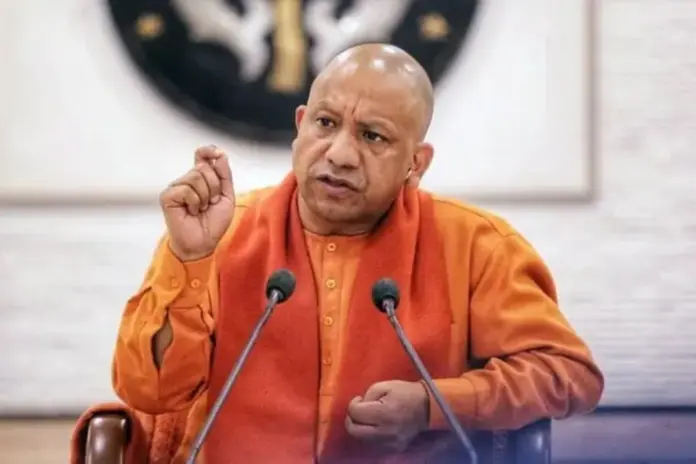
UP Expands Medical Education and Healthcare Infrastructure Under CM Yogi Government

Uttar Pradesh has expanded its medical education and healthcare infrastructure since 2017, with the CM Yogi Adityanath government highlighting the establishment of new medical colleges, an increase in MBBS seats and growth in healthcare facilities across the state.

According to the Uttar Pradesh government, 49 new medical colleges have been established in the state since 2017. The number of MBBS seats has also increased from 4,690 to 13,600, representing nearly a threefold rise.

49 New Medical Colleges Established: CM Yogi Adityanath

The state government said the expansion of medical colleges has strengthened medical education infrastructure and increased opportunities for students pursuing careers in healthcare.

The increase in MBBS seats is also aimed at creating a larger pool of trained medical professionals to meet the state’s healthcare requirements.

Healthcare Infrastructure Expanded

The government has also highlighted an increase in healthcare facilities at different levels.

According to the figures released by the state government, the number of district-level and specialised hospitals increased from 109 to 234. Community Health Centres rose from 821 to 977, while Primary Health Centres increased from 3,353 to 3,756.

The number of Health Sub-Centres also increased from 20,573 to 28,845, according to the government.

Over 23,000 Ayushman Arogya Mandirs Operational

The Uttar Pradesh government said 23,556 Ayushman Arogya Mandirs are currently operational across the state.

These facilities are part of the state’s efforts to expand access to primary healthcare and bring health services closer to communities.

Focus on Medical Education and Healthcare Access

The state government said the expansion of medical education and healthcare infrastructure is being accompanied by efforts to strengthen specialised care, disease-control systems and digital health solutions.

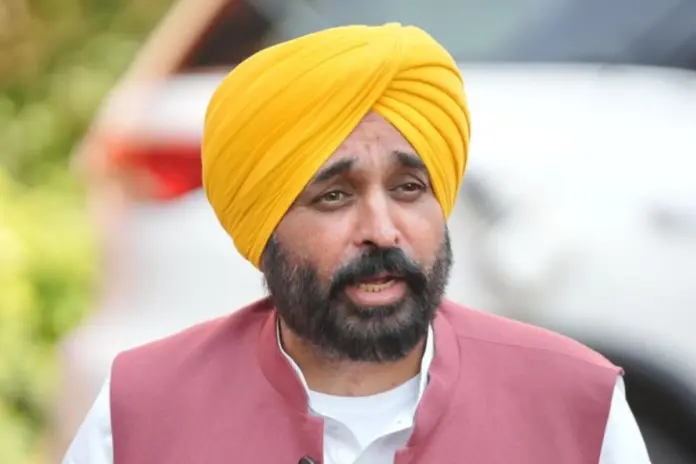
AAP CM Bhagwant Mann Highlights Canal Water Revival and Daytime Power for Farmers

Bhagwant- Mann
Google

The Aam Aadmi Party (AAP) Punjab has highlighted the state government’s initiatives related to irrigation and electricity supply for farmers, saying these measures have addressed key challenges facing the agricultural sector.

In a post titled “From Satoj to Parliament – Part 5,” AAP Punjab said Punjab’s agricultural prosperity played a major role in making India self-sufficient in food production, but claimed that the state also faced the consequences of intensive farming, including declining groundwater levels and other agricultural challenges.

AAP Bhagwant Mann Highlights Canal Irrigation Infrastructure

The party said the Bhagwant Mann-led Punjab government has worked to revive the state’s canal irrigation infrastructure during its four-year tenure.

According to AAP Punjab, the restoration of the canal system has helped provide farmers with canal water containing nutrients required for agricultural activities. The party presented canal irrigation as an important measure to reduce pressure on groundwater resources.

Daytime Electricity Supply for Farmers

AAP Punjab also highlighted the provision of daytime electricity for agricultural operations, saying it has made farming-related work more convenient for farmers.

The party said the combination of improved canal infrastructure and daytime power supply is aimed at addressing some of the practical difficulties faced by Punjab’s farming community.

Focus on Punjab’s Agricultural Challenges

Punjab’s agricultural sector has long faced concerns related to groundwater depletion, irrigation and the sustainability of intensive farming. In its latest statement, AAP Punjab linked the government’s irrigation and power initiatives to efforts to address these challenges while supporting farmers.

The claims regarding the impact of these measures were made by AAP Punjab in its social media post.

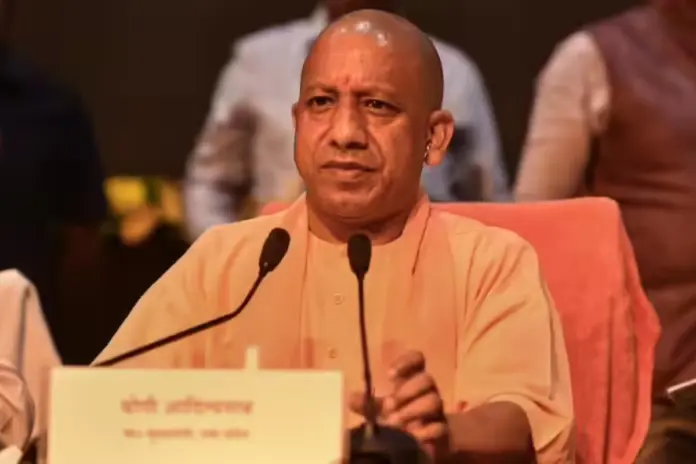
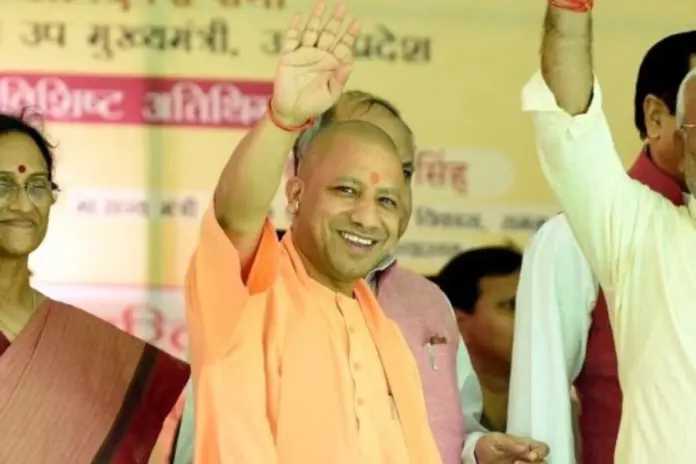
UP CM Yogi Adityanath Government Distributes Appointment Letters to 818 Selected Candidates Across Departments

CM- Yogi -Adityanath
Google

The Uttar Pradesh CM Yogi Adityanath government distributed appointment letters to 818 candidates selected for various government posts through recruitment conducted by the Uttar Pradesh Public Service Commission (UPPSC) and the Uttar Pradesh Subordinate Services Selection Commission (UPSSSC).

The appointment letter distribution programme was held at Lok Bhawan in Lucknow on September 19, 2026, with Chief Minister Yogi Adityanath handing over appointment letters to selected candidates. The recruitment covers several departments, including Ayush, medical and health services, skill development and MSME.

404 Candidates Selected for Ayush Department: CM Yogi Adityanath

The Ayush Department accounted for the largest share, with 404 candidates receiving appointments. The selected candidates include those appointed to teaching and other positions associated with Ayurveda, Unani and Homeopathy services, including pharmacists.

The state government said the recruitment is intended to provide employment opportunities to candidates according to their qualifications and professional skills.

357 X-Ray Technicians Appointed

The Medical, Health and Family Welfare Department selected 357 candidates for the post of X-Ray Technician. Their appointments will strengthen the technical workforce associated with healthcare services across the state.

Meanwhile, 48 candidates were selected as instructors under the Vocational Education and Skill Development and Entrepreneurship Department. The instructors will be associated with different technical trades and vocational training.

The MSME Department also selected nine candidates for the post of Assistant Statistical Officer.

Focus on Transparent Recruitment

The Uttar Pradesh government said the appointments were made through the recruitment processes of UPPSC and UPSSSC, with an emphasis on transparent and merit-based selection.

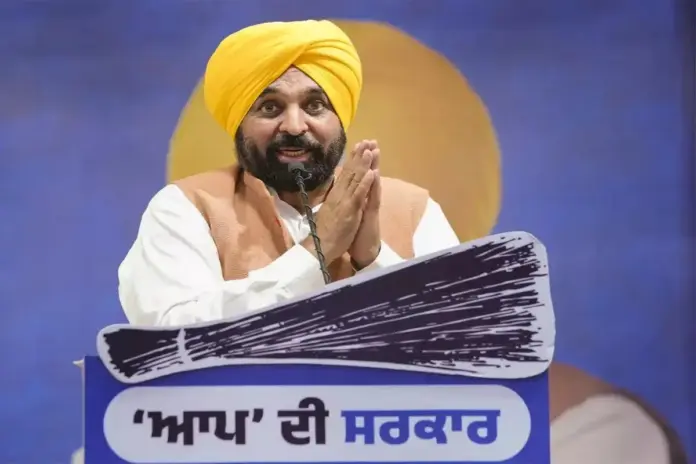
Bhagwant Mann Arrest 71 Drug Smugglers, Recover 10.3 Kg Heroin in Anti-Drug Drive

Bhagwant Mann arrested 71 alleged drug smugglers and recovered 10.3 kg of heroin as part of its ongoing crackdown on drug trafficking across the state, officials said.

The police action was carried out under the ongoing #YudhNashianVirudh campaign, which focuses on disrupting drug networks and taking action against those involved in the illegal trade.

Heroin, Intoxicant Pills Recovered

According to Punjab Police, the latest operations resulted in the seizure of 10.3 kg of heroin and 3,628 intoxicant pills from the arrested suspects.

Police also recovered ₹1,900 in suspected drug money during the operations.

The arrests and recoveries form part of the state’s continued efforts to target drug suppliers and dismantle networks involved in the distribution of narcotic substances.

11 People Counselled for De-Addiction

Alongside enforcement action, Punjab Police said that 11 individuals were counselled and encouraged to undergo de-addiction and rehabilitation treatment.

The initiative combines action against drug trafficking with efforts to connect people struggling with substance use to rehabilitation services.

Bhagwant Mann Continues Anti-Drug Crackdown

Punjab Police said its anti-drug campaign is continuing across the state, with enforcement agencies focusing on identifying and disrupting drug networks.

The latest action highlights the dual approach of the campaign, involving both strict action against drug trafficking and support for rehabilitation and de-addiction.

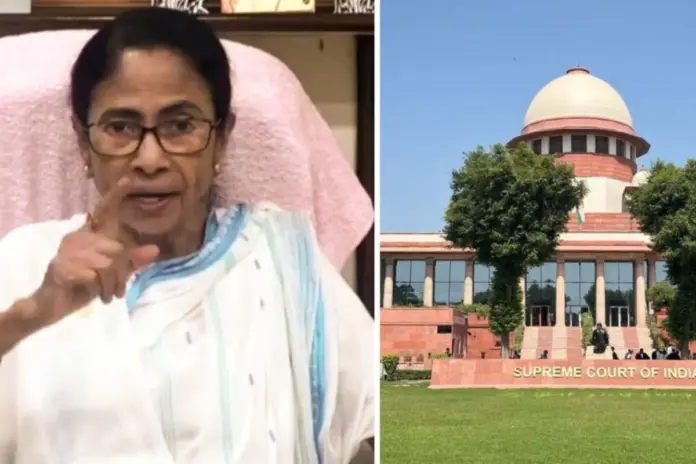
28 Years, One Name, One Symbol: Mamata Banerjee Takes TMC Identity Battle From EC Chambers to Supreme Court, What Next

Mamata- Banerjee
Google

The battle for the identity of the Trinamool Congress has reached the Supreme Court. Mamata Banerjee, who founded the party in 1998, has filed a writ petition challenging the Election Commission of India’s order that froze the AITC name and its reserved twin flower symbol amid a bitter split within the party.

How The Dispute Started

The rift within the TMC widened after the 2026 West Bengal Assembly election, when the party lost significant ground. Around 60 of its 80 MLAs shifted to a rebel faction led by Ritabrata Banerjee, now the Leader of Opposition in the West Bengal Assembly. Twenty of the party’s 28 Lok Sabha MPs also moved away from Mamata Banerjee, leaving her with just eight loyal MPs.

Both camps then approached the Election Commission, each claiming to be the legitimate Trinamool Congress and demanding rights over the party’s name, symbol and funds.

What The Election Commission Decided

On September 17, the Election Commission passed an interim order recognising two rival groups within the AITC and barring both from using the original name and symbol for the upcoming bypolls in Nandigram and Rejinagar, scheduled for October 6.

As a temporary arrangement, the Mamata Banerjee faction was given the name ‘Mamata All India Trinamool Congress’ along with a ‘Football Player’ symbol. The Ritabrata Banerjee faction received the name ‘Democratic Trinamool Congress’ and an ‘Envelope’ symbol. She described the order as a “black day” in the country’s democratic history and said she would not treat the interim arrangement as final.

Why The Case Now Goes To The Top Court

Hours after the EC order, Mamata’s faction filed its Supreme Court petition on September 18, naming the Election Commission and Ritabrata Banerjee as respondents. The plea argues that the freeze on the original name and symbol is premature and unfair to a party she has led for nearly three decades.

Daayra Box Office Collection Day 1: Kareena Kapoor-Prithviraj Pair Opens on a Surprisingly Quiet Note, Check Numbers

Daayra- Box- Office- Collection- Day- 1
Google

Daayra, the crime thriller pairing Kareena Kapoor Khan and Prithviraj Sukumaran for the first time, has opened on a surprisingly quiet note at the box office. Directed by Meghna Gulzar, the film released in theatres on September 18, 2026, in both Hindi and Malayalam.

Day 1 Collection Numbers

According to industry tracker Sacnilk, Daayra collected close to Rs 1 crore nett in India on its opening day, with the worldwide gross reaching around Rs 1.08 crore. The film ran across more than 2,200 shows, but overall occupancy stayed low at roughly 11.65 per cent, with night shows performing comparatively better at over 16 per cent.

The Hindi version carried most of the business, while the Malayalam release contributed only a small amount to the overall total.

Lowest Opener Of Kareena’s Career

The numbers place Daayra below The Buckingham Murders, which had collected Rs 1.15 crore net on its first day in 2024 and previously stood as Kareena’s weakest opener. With this release, Daayra has now taken that spot, recording the lowest opening day collection of her career so far.

Losing Out To Vibe

Daayra also released alongside Kunal Kemmu’s action comedy Vibe, starring Preity Zinta and Sparsh Shrivastava. Vibe opened stronger, earning between Rs 1.29 crore and Rs 1.75 crore on day one, putting Daayra behind its clash competitor right from the first day.

What Lies Ahead

Centred on two police officers caught on opposing sides of a controversial encounter case, Daayra has received a mixed but largely appreciative critical response, with reviewers praising its handling of moral complexity. However, the film will need a strong jump over the weekend to recover from its subdued start. Early reactions suggest word of mouth could still work in its favour, but the coming two days will be crucial in deciding whether Daayra can turn its fortunes around.

ED Takes Legal Action Against Sukriti Foods Promoter, Ghee Adulteration Used for Tirupati Laddu Prasad Turns Murkier

Sukriti- Foods
Google

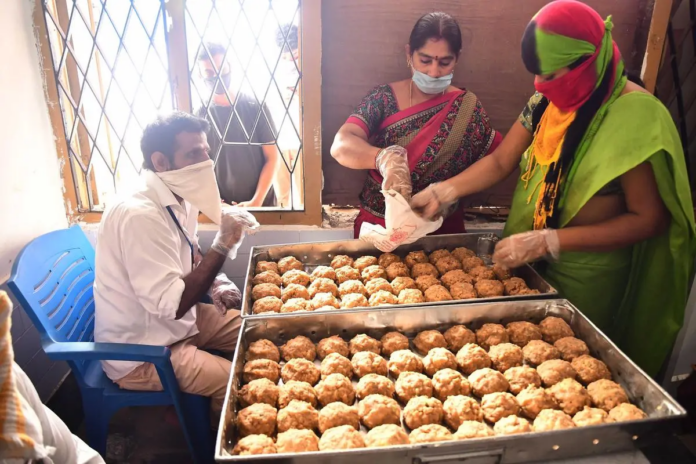
ED has booked the promoter of Sukriti Foods firm Kailash Chand Mangla in connection with the alleged adulteration of ghee provided for the production of Tirupati Laddu prasadam. This has created a fresh twist in the current probe into the quality of ghee supplied for Tirumala Tirupati Devasthanam (TTD).

ED arrests promoter of Sukriti Foods

As per the ED, Kailash Chand Mangla was arrested on September 17 in connection with a money laundering probe related to the alleged adulteration of ghee supplied to TTD. Subsequently, he was placed in judicial custody. The probe concerns with the alleged supply of adulterated ghee supplied to TTD from 2019 to 2024. The ED has claimed that supplies worth ₹230 crore were made in this period.

Claims of usage of palm oil in ghee

The ED has alleged that the ghee supplied to TTD as Agmark Special Grade Cow Ghee was manufactured using ingredients like refined palm oil, palm kernel oil, palm olein, and certain chemicals. As per the claims of the ED, the company owned by Mangla was engaged in producing and supplying the alleged adulterated product. The ED also alleged that the records were manipulated to show the supplies as pure cow ghee.

The probe expanded to other entities

The probe has also extended to other firms and organizations. According to the Economic Offences Wing (ED), front entities such as Sri Vyshnavi Dairy Specialities, Malganga Milk & Agro Products, and A.R. Dairy Foods were part of the alleged supply chain. The organization is investigating the flow of money and the transactions involving the alleged supply of tainted ghee. The money laundering probe will help trace the proceeds that are allegedly generated from the activities.

Tirupati Laddu case under wider scrutiny 

The controversy regarding Tirupati Laddu ghee has come into the limelight due to the use of ghee for making prasadam offered in the Tirumala temple. The latest crackdown against Sukriti Foods promoter shows that apart from checking the quality of the ghee, the investigation is also looking into the business deals linked with it. The move by the ED is based on the allegations revealed during the investigation, while further legal proceedings will clarify the facts and liability of the people involved.

IIT Bombay Suicide: Students’ Death Following ChatGPT Examination Scandal Sparks Concerns And Protests on Campus, Check Latest Update

IIT- Bombay- Suicide
Google

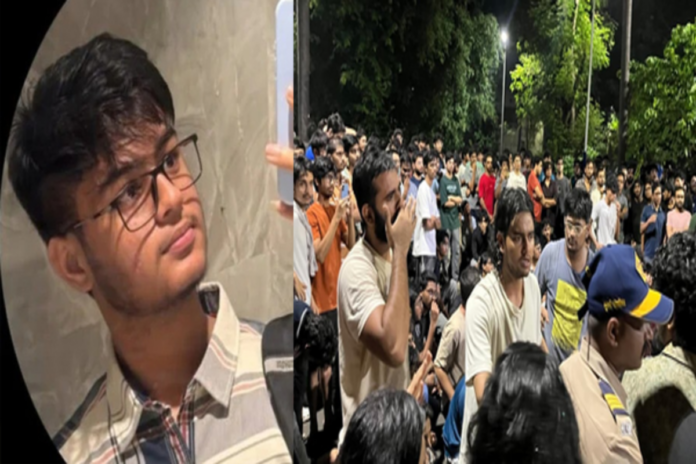
A student at IIT Bombay committed suicide on Friday after he was caught with a mobile phone in an exam hall. As per IIT Bombay, the student had uploaded the examination paper to ChatGPT to get help in answering the questions.

Why did it happen at IIT Bombay?

Sahil Wakode was a student from the Department of Energy Science and Engineering. IIT Bombay has informed that the student was found using a mobile in the examination hall, and he uploaded the question paper to ChatGPT. According to IIT Bombay, no disciplinary proceedings had been initiated against the student. The institute said the instructor and the head of the department had counseled him that there would be no problem in his academic life because of the incident. 

Students protesting on campus

After the death of the student, there was a protest by the students in the campus of IIT Bombay. According to reports, over 400 students participated in the initial protest, which carried forward until Saturday. According to some of the protesting students, the student in question had faced the possibility of being taken through some disciplinary action, possibly even getting suspended. 

Examinations postponed due to protests

The incident also resulted in the postponement of the mid-semester examinations taking place at the time. According to reports from The Indian Express, the examinations had been postponed due to the death of the student as well as the subsequent protest at the campus.

Third suicide case at IIT Bombay in 2023

The new case is being treated as the third case of suicide at the IIT Bombay campus in Powai in just a few months now. This has raised alarm among the students regarding mental health services and the overall stress experienced by the students at the college. For now, an investigation is underway to find out what happened to the student. There is no confirmation yet from the reports about whether the examination incident or ChatGPT led to the death. 

Ajit Agarkar Set To Resign as Chief Selector? BCCI Aware Of Agarkar’s Intent, What Next

Ajit- Agarkar
Google

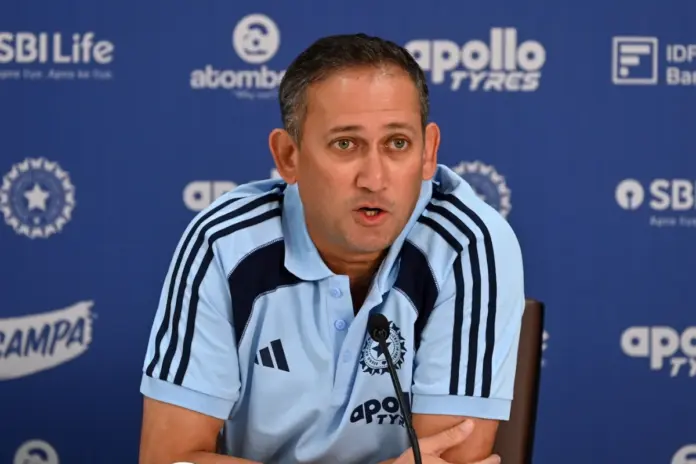
Ajit Agarkar might be about to exit his position as head of the Board of Control for Cricket in India’s (BCCI) senior men’s selection committee, following reports that he has told the board that he will not apply for an extension. Agarkar’s current stint will end on October 4. He might be paving the way for his replacement because the BCCI will likely initiate a search for a new selector after hearing his plans.

Agarkar reportedly doesn’t wish for an extension

According to the report, Agarkar has already made it known to the BCCI that he doesn’t want to continue after the end of his current stint as head selector. The latest move by Agarkar comes in the wake of preparations to find his replacement in the selection committee. Agarkar has been the head selector of the Indian men’s team since 2023 and has been at the center of several significant decisions concerning the team, including team selections for bilateral matches and major international competitions. Agarkar’s time as head selector has also seen the Indian team emerge victorious at the 2024 T20 World Cup.

BCCI might require a new chief selector

In case Agarkar does not seek a continuation, the BCCI will need to assign a new head for the senior selection panel. The future head of selectors will get the job of being part of one of the most crucial jobs in Indian cricket, where he will decide the squad players for their next engagement.

Why does this move matter at this time?

Since the selection panel will continue to make plans for India’s future international calendar, this move comes at a crucial time for the BCCI.

What will happen next?

The BCCI will initiate the process once Agarkar’s tenure ends on October 4. Depending on the procedure and the eligibility criteria adopted by the BCCI, they might start looking for a new chief selector.

Russia Sanctions Bill Sends Shockwaves Across Asia as US Gains New Power to Hit Russian Oil Buyers With Steep Secondary Tariffs, India On Alert?

Russia- Sanctions- Bill
Google

Russia Sanctions Bill: Washington just handed itself a powerful new lever against Russia’s oil trade. India and China sit directly in its path. President Trump signed the Lindsey O. Graham Sanctioning Russia and Iran Act of 2026 into law on Friday, September 18. The bill passed the House 262-159 with bipartisan backing, after clearing the Senate 86-11 the previous month.

Why India And China Are In The Crosshairs

China buys roughly half of Russia’s crude oil exports. India follows closely behind at 37 per cent, according to the Centre for Research on Energy and Clean Air. That makes both countries the law’s most exposed targets. An earlier House amendment, proposed by Congressman Steny Hoyer, went further and explicitly named ten countries eligible for the tariffs, including India, China, Turkiye, and the UAE, though that naming does not itself trigger any tariff.

No Automatic Tariff, But A Real Threat

Importantly, signing the bill does not automatically hit India with a 100 per cent tariff. The law gives Trump discretion, not an obligation, to impose it, and the list of targeted countries gets reassessed every 180 days. No India-specific rate was announced alongside the signing. 

This would not be the first time Washington has used tariffs to pressure India over Russian oil. Trump already imposed 25 per cent reciprocal tariffs on India in 2025, plus another 25 per cent tied specifically to Russian oil purchases, pushing total duties to 50 per cent. 

India’s Response So Far

India’s Foreign Ministry confirmed it has already raised concerns with Washington over the bill’s potential impact on bilateral relations and global energy markets. The ministry said India will keep sourcing energy from multiple suppliers based on market conditions, and will act to protect its own trade and economic interests.

What India Is Already Doing

India has been diversifying its crude basket for months, adding suppliers like Saudi Arabia, Nigeria, Venezuela, and the US to reduce reliance on Russian barrels. But replacing that volume entirely would likely mean higher freight and procurement costs.

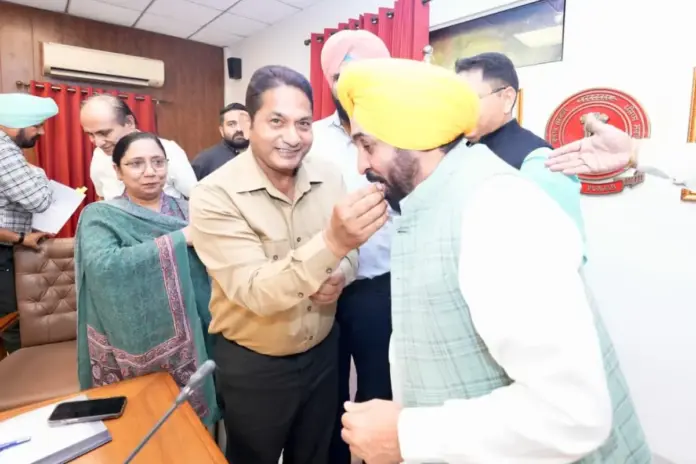
Major Festive Gift For Punjab Govt’s 8 Lakh Employees & Pensioners; Bhagwant Mann Govt Increases DA To 50%

Punjab News

In a major festive relief for around eight lakh employees and pensioners, the Bhagwant Mann Government has increased Dearness Allowance (DA) by 8%, with the increase applicable from the September salary. Announcing the decision, CM Bhagwant Singh Mann said the move reflects his government’s commitment to the welfare and dignity of employees, whom he described as the backbone of the state’s administrative machinery. The Chief Minister also announced compulsory monthly meetings with employee representatives to address genuine issues, postings for women employees within 40 kilometres of their homes, and highlighting that around 70,000 government jobs have been provided through a transparent and corruption-free process.

CM Bhagwant Singh Mann personally met representatives of employees and pensioners, heard their concerns and took the decision, choosing dialogue and resolution over confrontation.

After the meeting, CM Bhagwant Singh Mann stated on X: “Had a very positive meeting today with employee and pensioner organisations. Employees are an important part of our family, and keeping their welfare in mind, we have immediately decided to increase the Dearness Allowance (DA) by 8%. This increase will start reflecting with the October salary. We also discussed long-pending issues inherited from previous governments, including the Old Pension Scheme (OPS), salary during the probation period, and issues concerning ASHA and Mid-Day Meal workers. We will meet again in the first week of October to work towards a permanent resolution of these longstanding issues. There is no distance between our government and employees. We will resolve every issue through mutual dialogue. We will continue to work together for Punjab’s progress and build a ‘Rangla Punjab’. Inquilab Zindabad.”

Emphasising that the welfare, dignity and legitimate concerns of government employees remain a priority for his government, CM Bhagwant Singh Mann said, “As per the decision, two instalments of 4 per cent each will be released to employees and pensioners, with the benefit to be reflected in their salaries from October 1. Ahead of the festive season, this decision will provide additional financial support to thousands of government employees and pensioners and their families.”

The Chief Minister said, “The government understands the responsibilities shouldered by its employees and the pressures they face in their personal and professional lives.”

He said, “A happy employee is a productive employee and I believe that when an employee works with satisfaction, dignity and peace of mind, the entire system performs better and the people receive better services. Government employees are not merely a part of the administrative system but are its backbone. From delivering essential services to implementing welfare schemes and maintaining day-to-day administration, employees work at every level to ensure that the government reaches the doorstep of the common people.”

CM Bhagwant Singh Mann said, “I personally understand the concerns of employees because I was the son of an employee and know the pain of an employee. The government considers its employees and their families as part of its own extended family.”

The Chief Minister asserted, “Every penny of the state’s exchequer is being spent judiciously and with the objective of ensuring maximum benefit for the people of Punjab. Financial discipline and public welfare have to move together and the government is committed to taking decisions keeping both these considerations in mind.”

Highlighting the employment initiatives undertaken by the state government, CM Bhagwant Singh Mann said, “Around 70,000 government jobs have been provided through a transparent and corruption-free process. The recruitment process has been driven by merit and transparency, providing young people an opportunity to enter government service without having to depend on recommendations, influence or financial considerations.”

The Chief Minister said, “The state government’s objective is to create an environment where young people can secure employment on the strength of their merit and hard work.”

He said, “The government is also sensitive to the special challenges faced by women employees and steps have been taken to ensure that women employees are given postings within a radius of 40 kilometres from their homes. Such measures are aimed at helping women employees strike a better balance between their professional responsibilities and family commitments.”

The Chief Minister said, “Women employees should not have to choose between their career and their family responsibilities. The state government will ensure that the system remains sensitive to their genuine needs.”

He said, “The state government has an open mind towards the genuine demands of employees and pensioners and these issues will be examined sympathetically and in accordance with the applicable rules, financial implications and legal position.”

CM Bhagwant Singh Mann said, “The government will examine various long-pending demands, including the demand for a 2.59 pension multiplication factor, restoration of the Old Pension Scheme (OPS), restoration of various allowances, implementation of Assured Career Progression (ACP), issues relating to the 2015 and 2020 letters concerning the probation period, generalization of court decisions and others.”

The Chief Minister said, “No genuine issue concerning employees is being ignored and the government will examine each matter with an open and sympathetic approach. Employee welfare cannot be treated as a one-time exercise and requires continuous dialogue between the government and its workforce.”

In a significant step towards institutionalising dialogue with employees, CM Bhagwant Singh Mann announced, “A meeting with employee representatives will be held compulsorily every month. Regular interaction will ensure that grievances are addressed before they become major issues and that employees have a direct platform to place their concerns before the government.”

The Chief Minister said, “Dialogue is the best way forward and we will sit together, listen to each other and find solutions to genuine issues. For decades employees had often felt that their concerns were not receiving the attention they deserved. No one had ever bothered about the employees, but we considered them our family.”

Underlining the state government’s commitment to maintaining a continuous channel of communication with its workforce, CM Bhagwant Singh Mann said, “The government does not want a relationship with its employees based merely on files, orders and official correspondence. Instead, it wants a relationship based on trust, dialogue, mutual respect and responsibility.”

The Chief Minister said, “Government employees and the people of Punjab are partners in the larger mission of building a progressive and prosperous state. Employees cannot deliver their best when they remain burdened by unresolved issues, uncertainty or a feeling of being unheard.”

At the same time, CM Bhagwant Singh Mann said, “The government has to balance employee welfare with the overall financial health of the state. The latest DA decision demonstrates the government’s commitment to recognising the contribution of employees while maintaining fiscal responsibility.”

Calling upon employees to continue working with dedication and a spirit of public service, the Chief Minister said, “Every government employee represents the state government before the common citizen. The government exists to serve the people, and employees are the instrument through which that service reaches the ground.”

He reiterated, “The government will continue to work towards resolving genuine employee concerns through regular dialogue, transparency and a sympathetic approach, while ensuring that the state’s resources are utilized responsibly.”

The Chief Minister said, “The festive season should bring happiness not only to the homes of ordinary citizens but also to the families of those government employees and pensioners who have devoted their working lives to serving Punjab.”

CM Bhagwant Singh Mann said, “The employees are the backbone of Punjab and their welfare is important to us, their dignity matters to us and their genuine concerns will always have a place at the table.”

On the occasion, Cabinet Ministers Aman Arora and Dr Baljeet Kaur, Chief Secretary KAP Sinha, Secretary General Administration KK Yadav and others were also present.


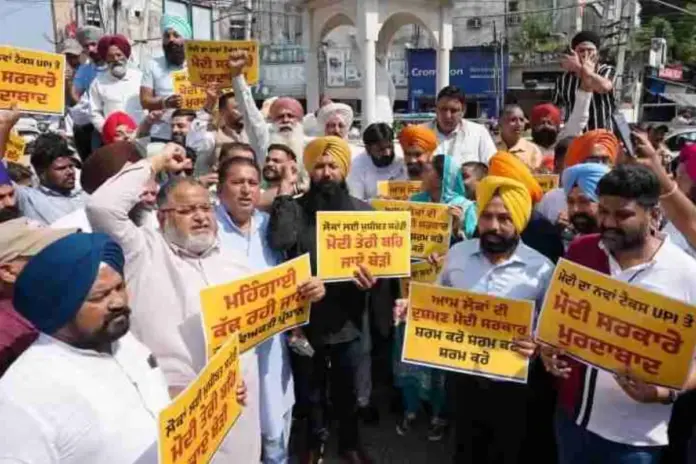
AAP Protests in Jalandhar & Pathankot Against Additional Charges on UPI, AAP Karyakartas Raise Slogans Against Modi Government & Burn Effigy

Punjab News

The Aam Aadmi Party (AAP) on Friday held protests in Jalandhar and Sujanpur in Pathankot against the BJP-led Central Government’s decision to impose additional charges on certain UPI (Unified Payments Interface) merchant transactions. During the protests, angry people raised slogans against the Central Government and burnt an effigy of Prime Minister Narendra Modi.

A massive protest was organised at Shaheed Bhagat Singh Chowk in Jalandhar under the leadership of senior AAP Punjab leader Pawan Kumar Tinu. Addressing party volunteers, Pawan Kumar Tinu said, “The decision of the BJP-led Central Government to impose additional charges on UPI transactions is a direct assault on the pockets of the common people. This decision will put a major economic burden on traders, students and ordinary citizens of the country.”

Pawan Kumar Tinu said, “The policies of the BJP Government have always been such that instead of providing relief to the common people, they disrupt their budgets. At a time when people are already struggling with inflation, the Central Government should have provided relief instead of introducing another financial burden.”

Highlighting the evolution of digital payments in the country, he said, “The Modi Government first encouraged every citizen of the country to adopt digital transactions. After this, restrictions were imposed in banks that cash dealings of more than ₹50,000 could not be made. The government itself encouraged people to move towards digital payments.”

The AAP leader said, “Now, after years of making people accustomed to digital transactions, every small and big trader, shopkeeper and common citizen has become completely dependent on UPI payments. At this stage, the government is imposing a new financial burden on merchant transactions. This is completely unfair to the people.”

Pawan Kumar Tinu said, “UPI has become an integral part of everyday business and commerce. Small shopkeepers, traders and businesses have adopted digital payments because the government promoted this system. The government should not now make these transactions more expensive by imposing additional charges.”

The AAP demanded the immediate withdrawal of the decision. Tinu said, “The Central Government must immediately withdraw this anti-people decision. If the government refuses to listen to the voice of the people, the Aam Aadmi Party will take this fight from every corner of Punjab to Delhi and intensify the struggle for the rights of the common people.”

Meanwhile, AAP leaders said, “Today, people from all sections of society are coming together to hold protest marches and sit-ins against the BJP Government. The people of the country are already suffering from inflation. At such a time, the Modi Government has imposed another economic burden on the people in the name of UPI charges.”

They said, “The Central Government should understand the difficulties being faced by ordinary families and traders instead of continuously increasing their financial burden. The people will not remain silent against policies that adversely affect their daily lives and livelihoods.”

On the issue of drugs, AAP leaders said, “The rally organised by the BJP against drugs has completely failed. The people of Punjab know who remained in power when the drug crisis became a major challenge for the state. Today, the youth and common people are standing shoulder to shoulder with the AAP and the Bhagwant Mann Government in the fight against drugs.”

An AAP volunteer said, “Everyone knows that the previous Akali-BJP Government was responsible for bringing drugs into Punjab. The AAP Government has taken strict steps to eliminate drugs from the state. Strict action is being taken against drug peddlers and drug networks are being dismantled.”

The volunteer further said, “The action being taken against the drug trade is producing clear results on the ground. The AAP Government is committed to continuing this fight and protecting the youth of Punjab from drugs.”

The AAP leaders said the party would continue to raise issues affecting the common people and oppose policies that put additional economic pressure on traders, students and ordinary citizens.

Uttarpradesh Government Highlights Education Development Under CM Yogi Adityanath

CM- Yogi- Adityanath
Google

The Uttar Pradesh government, under the leadership of CM Yogi Adityanath, said it is accelerating efforts for the comprehensive development of the education sector and working to create a strong foundation for students’ future.

According to the state government, its focus is on strengthening education and creating an environment that supports the overall development and future prospects of students across Uttar Pradesh.

Focus on Comprehensive Development in Education: CM Yogi Adityanath

The government said its education-related initiatives are aimed at promoting comprehensive development in the sector. The emphasis is on strengthening the foundation required for students to pursue their education and build their careers.

The state government described education as an important area of development and said ongoing efforts are intended to support students and contribute to their future opportunities.

Government Highlights Students’ Future

The Uttar Pradesh government said the initiatives under Chief Minister Yogi Adityanath’s leadership are focused on preparing students for a brighter future.

The government’s statement comes as part of its broader emphasis on education and student development, with the stated objective of strengthening the education system and creating better foundations for learners across the state

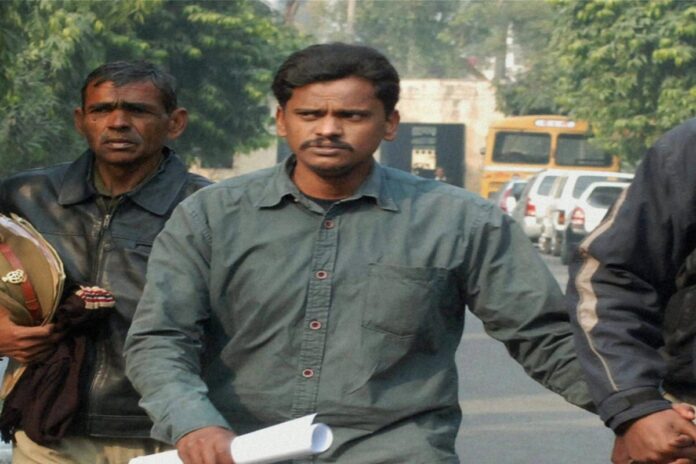
Nithari Case: Surendra Koli Dies by Suicide in Haridwar While Running Tea Stall

Surendra Koli, who was accused in the 2006 Nithari case, was found dead at a tea stall in Haridwar on Friday, September 18. Police said the body was found hanging inside the stall in the Bhupatwala area.

According to reports, Koli had been living in the area for some time and was running a small tea stall to earn a living. Police reached the spot after receiving information about the incident and sent the body for post-mortem examination. An investigation into the circumstances surrounding his death is underway.

Surendra Koli Was Living in Haridwar

Koli had reportedly been staying in a makeshift settlement in Bhupatwala and operating a tea stall nearby. His body was found inside the stall on Friday morning.

Police officials said the matter is being investigated and the circumstances of the death are being examined. Reports said no suicide note had been found at the spot.

Supreme Court Had Acquitted Koli in Nithari Case

The development comes less than a year after the Supreme Court acquitted Surendra Koli in the final pending case connected with the Nithari killings in November 2025.

The Nithari case came to light in December 2006 after human remains were discovered near a house in Sector 31, Noida. Koli and Moninder Singh Pandher were arrested during the investigation into the disappearances and deaths of children and young women.

Koli had faced convictions in multiple cases, but the Allahabad High Court acquitted him in several cases in 2023. The Supreme Court later dismissed appeals against those acquittals and, in November 2025, set aside his conviction in the last pending case.

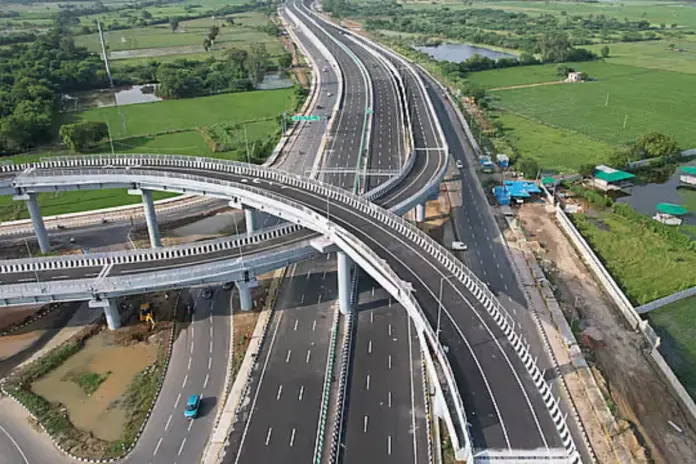
Beawar Bharatpur Greenfield Expressway: Rajasthan Corridor to Cut Delhi-Ajmer Travel Time

Ganga Expressway
Image Credit: Google

Rajasthan is set to get a major road connectivity boost with the development of the Beawar-Bharatpur Greenfield Expressway, a 277-km access-controlled corridor aimed at improving links between western and eastern parts of the state.

Beawar Bharatpur Greenfield Expressway

The four-lane expressway is expected to significantly reduce travel time between Delhi-NCR, Ajmer, Beawar, Bharatpur and several other Rajasthan cities once it becomes operational.

Delhi-Ajmer Journey Could Take Around 5 Hours

The new expressway is expected to bring down the travel time between Delhi and Ajmer to around 4.5 to 5 hours, compared with the existing journey time of nearly 7-8 hours.

The Delhi-Bharatpur journey could also be reduced to approximately 2.5 to 3 hours. Similarly, travel between Beawar and Bharatpur is expected to take around 3 to 3.5 hours, against the current 7-8 hours.

Direct Link With Delhi-Mumbai Expressway

A key feature of the Beawar-Bharatpur corridor will be its connection with the Delhi-Mumbai Expressway near the Lalsot area of Dausa district.

The link is expected to provide vehicles coming from Delhi, Gurugram and Sohna with access to a high-speed road network towards Ajmer, Beawar and Bharatpur.

Expressway to Connect Six Rajasthan Districts

The 277-km corridor will pass through or connect areas associated with Jaipur, Tonk, Dausa, Sawai Madhopur, Karauli and Bharatpur.

The route is planned to begin near Jhaag village in the Dudu area of Jaipur district and terminate at Uncha Nagla in Bharatpur, where it will connect with NH-21.

The project will also involve land acquisition and route-related work across several areas, with around 210 villages affected by the proposed alignment.