Home Blog Page 22

From Recovery to Livelihood: Bhagwant Mann Govt’s ‘Yudh Nashean Virudh’ Helps Addiction Survivors Rebuild Lives Through Employment

cm mann'

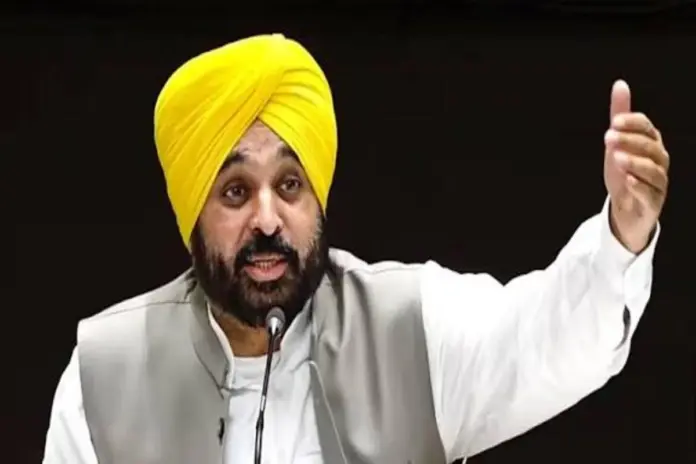
Punjab’s ‘Yudh Nashean Virudh’ led by Punjab Chief Minister Bhagwant Mann is now being defined by stories of recovery and hope that have come their way through jobs and employment. Former addicts who once struggled to get rid of substance abuse are now busy rebuilding their lives working at hotels, restaurants, shopping malls, many are self-employed, at D-Mart, Blinkit, etc.

Ever since the Yudh Nashean Virudh campaign took off in the state in March 2025, many victims of substance abuse who have completed treatment at various de-addiction facilities across Punjab have found employment, demonstrating how livelihood can give a direction towards long-term recovery.

Among them is Daljinder Singh, name-changed, who joined the D-Mart outlet in February, 2026. He has responded well to the demands of employment and is slowly rebuilding his life little by little. Daljinder says, “Getting a job gave me a reason to wake up every morning. It gave me confidence. Life feels good now…even a cup of tea in the morning brings a smile to my face.”

Praveen Dhall, who secured a job with a quick-commerce delivery service provider of groceries, fruits, vegetables, and other daily essentials, says, “Rehabilitation helped me survive, but a job helped me live again. When I began earning, I stopped seeing myself as an addict trying to recover and started seeing myself as a person with responsibilities and a future. That feeling kept me firmly away from drugs.”

The Yudh Nashean Virudh goes beyond rehabilitation. A case in point is at the Jalandhar De-Addiction Centre where former victims of substance abuse who joined the mainstream are regularly tracked to assess their progress and examine if there are any signs of relapse.

In follow-ups, several recovered individuals were found to be employed, a significant step toward their family and economic reintegration. As more beneficiaries move from treatment centres into jobs and self-employment, the impact of CM Bhagwant Mann’s Yudh Nashean Virudh is increasingly being measured not only in arrests and seizures but also in terms of lives restored and employment opportunities sought.

Counsellors who have been the pivots in helping extricate victims out of drug abuse say the transition from treatment to employment can be one of the strongest indicators of successful rehabilitation.

“Recovery is about much more than giving up drugs,” said Bhavna Sharma, a counsellor at Swami Vivekanand Drug De-addiction Centre, Amritsar Medical College. “We encourage patients to express their emotions, rebuild their lives and set goals for future. When they begin to see a path towards employment and a stable life, they become more committed to staying drug-free.”

Dr Abhay Raj Singh, Nodal Psychiatrist, Jalandhar De-addiction Centre, Yudh Nasehan Virudh said, “Such success stories underline the importance of linking de-addiction treatment with rehabilitation and employment support. Every recovering individual who returns to work represents not just a personal victory, but a stronger family and a safer community.”

As more beneficiaries move from treatment centres into jobs and self-employment, the campaign’s impact is increasingly being measured not only in arrests and seizures, but in lives restored, livelihoods rebuilt and futures reclaimed.

AAP Urges Sri Akal Takht Sahib Jathedar to Investigate Those Behind Fake Video Campaign Against Punjab CM

Baltej Pannu

Aam Aadmi Party (AAP) on Sunday urged the Jathedar of Sri Akal Takht Sahib to ensure a thorough investigation into the fake video campaign targeting the Punjab Chief Minister, saying the forensic examination of more than 1,100 frames has conclusively established that the person seen in the video is not the Chief Minister. AAP Punjab Media In-Charge Baltej Pannu said the focus must now shift to identifying the actor featured in the video, those who produced and directed it, and the individuals who financed what he described as a well-planned conspiracy.

The AAP Punjab Media In-charge also called upon the Jathedar Sahib to summon Shiromani Akali Dal president Sukhbir Singh Badal and seek answers on how he appeared to possess information about the video before others, while noting that Punjab AAP President Aman Arora and Finance Minister Harpal Singh Cheema have already submitted relevant evidence to the Director General of Police (DGP) and demanded a comprehensive probe into the entire matter.

In a statement, AAP Punjab State Media In-charge Baltej Pannu said that CM Bhagwant Singh Mann has consistently stated that the video is not genuine and that a detailed forensic examination has already proven that he has no connection whatsoever with it. “The investigation analyzed more than 1,100 frames of the video and clearly established that the person shown in it is not CM Bhagwant Singh Mann. The forensic examination has categorically ruled out any connection of the Chief Minister with the video,” he said.

He respectfully appealed to the Jathedar of Sri Akal Takht Sahib to ensure a thorough probe into the matter and identify every individual involved in the production of the video. “Several questions now need answers. Who was the actor featured in the video? Who produced it? Who directed it? And most importantly, who financed this conspiracy? The truth must come out and all those responsible must be identified,” said Baltej Pannu.

He asserted that there is sufficient evidence available to warrant a comprehensive investigation into the entire matter. Baltej Pannu informed that Punjab AAP President Aman Arora and Cabinet Minister Harpal Singh Cheema had recently met the Director General of Police and submitted all relevant information, demanding a proper investigation to uncover every person involved in the conspiracy. “The evidence has already been handed over to the police authorities. We expect a fair and impartial investigation so that every individual associated with the creation, promotion and financing of this fake video campaign is identified,” he added.

Baltej Pannu further appealed to the Jathedar of Sri Akal Takht Sahib to summon Shiromani Akali Dal president Sukhbir Singh Badal and seek clarification from him regarding his statements on the issue. “If Sukhbir Singh Badal was saying that CM Bhagwant Singh Mann had claimed the video was AI-generated, where did this inside information come from and how did he obtain it? These questions must be answered. The source of such information and the circumstances under which it reached him should also be examined,” said Baltej Pannu.

Reiterating the party’s position, Baltej Pannu said that the truth behind the fake video campaign must be fully exposed and that all those responsible for creating, promoting and financing it should be identified through an impartial and comprehensive investigation.

CM Bhagwant Singh Mann Urges Centre to Reconsider Higher Education Bill Over Concerns of Excessive Centralisation & Rising Educational Inequality

CM Mann

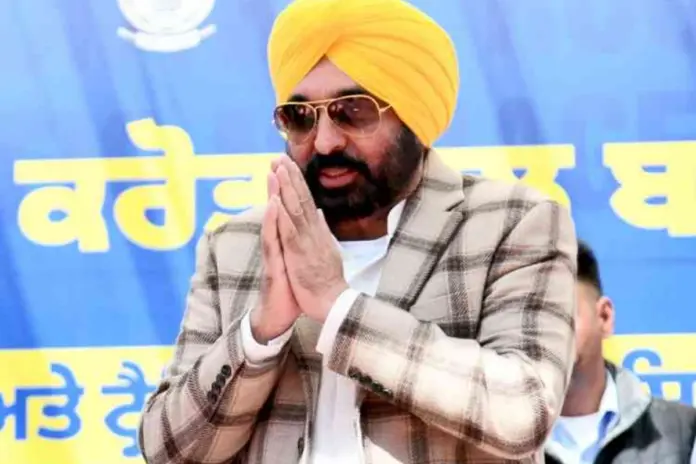
Punjab Chief Minister Bhagwant Singh Mann has strongly opposed the proposed ‘Viksit Bharat Shiksha Adhiniyam Bill, 2025’ (Higher Education Bill), warning that the legislation could make higher education more expensive, weaken opportunities for students from ordinary families and diminish the ability of states to address local educational needs. In a detailed letter to Union Education Minister Dharmendra Pradhan, CM Bhagwant Singh Mann urged the Centre to reconsider the Bill and hold wider consultations before implementing reforms that could significantly alter the higher education landscape.

Emphasising that crores of parents across the country pin their hopes and dreams on their children’s education, CM Bhagwant Singh Mann said higher education must remain a pathway of opportunity for the child of a farmer, labourer or shopkeeper, not become a burden on families. He asserted that India’s progress depends on making higher education more accessible, affordable and inclusive through greater investment in universities, infrastructure, faculty and research, rather than measures that could increase costs and centralise decision-making.

In his letter, CM Bhagwant Singh Mann stated that he is writing not merely as the Chief Minister of Punjab but as a representative of crores of parents across India whose biggest hopes are linked to the education of their children. “Every family wants its child to receive quality education, stand on his or her own feet, secure dignified employment and contribute to the progress of the nation. That is why education is not merely an administrative subject; it is a question concerning India’s bright future,” he said.

The Chief Minister said, “I initially hoped the proposed legislation would strengthen the quality, accountability and global competitiveness of higher educational institutions. However, after carefully studying the Bill, I have serious concerns that it seeks to centralise most important decisions relating to higher education, with far-reaching consequences for students, teachers, universities and state governments.”

Raising his first major concern, CM Bhagwant Singh Mann said the Bill appears to focus more on centralisation of power than on improving educational quality. “The success of an education system depends upon how effectively it understands the needs of students, teachers and local communities. In a country as vast and diverse as India, every state faces different social, economic and educational challenges,” he said.

The Chief Minister observed that it was natural to expect legislation on higher education to focus on quality, research, innovation, employability and global competitiveness. However, after studying the Bill, it appeared that its primary objective was to concentrate policy-making powers, standards, regulations, recognition mechanisms and appellate powers in the hands of the Union Government. “Education is a subject in the Concurrent List of the Constitution. Therefore, while minimum national standards may be desirable, states must retain the freedom to develop systems according to their own circumstances and needs. Unfortunately, this Bill appears to disturb that constitutional balance,” he said.

CM Bhagwant Singh Mann further stated that his concern is not merely about the rights of states but also about the future of crores of students. “Every state in India is battling different challenges. Some are dealing with unemployment, others with skill development needs, industrial requirements or migration of talent. Border states like Punjab face even more complex realities,” he said.

The Chief Minister noted that state governments develop courses, skill programmes, industry collaborations and employment-oriented initiatives according to local requirements through universities and colleges. “If most educational decisions are taken by institutions sitting in Delhi, states will gradually lose their ability to understand local realities and design solutions accordingly. As a result, higher education risks becoming centralised and losing its practical relevance,” he said.

Drawing attention to the dangers of excessive centralisation, CM Bhagwant Singh Mann referred to the functioning of central institutions such as the National Testing Agency (NTA). “Recent years have raised serious questions regarding examination management, transparency and credibility. When central institutions themselves are struggling with such challenges, it is legitimate to ask whether further centralisation of higher education is really the right direction,” he said.

The Chief Minister asserted that the better path would be greater cooperation between the Centre and the states. “Successful models developed by different states should be shared across the country. Decision-making should become more participatory and collaborative. Unfortunately, this Bill appears to move in the opposite direction,” he said.

CM Bhagwant Singh Mann also expressed concern that the proposed legislation could make higher education more expensive. “While studying the Bill, an important question emerged before me. If most powers are concentrated with the Union Government, if the role of state governments continues to shrink and if central regulatory control over state universities and colleges increases, where will the financial resources required for the operation and development of these institutions come from?” he asked.

The Chief Minister pointed out that the Bill does not provide a satisfactory answer to this question. “If decision-making powers are centralised while adequate financial support is not guaranteed, universities will inevitably face pressure to raise revenues. This could lead to higher fees, greater dependence on self-financed courses and increased reliance on private investment,” he said.

CM Bhagwant Singh Mann warned that the burden of such a model would fall most heavily on middle-class, lower-middle-class and poor families. “Higher education should be a pathway of opportunity. It should not become a privilege available only to those who can afford it,” he said.

The Chief Minister also raised concerns regarding the gradual privatisation of higher education. “After studying the Bill, it appears that India’s higher education system may slowly be pushed towards a model where public institutions become weaker and dependence on the private sector steadily increases,” he said.

He warned that if policy-making, regulation and control become completely centralized without clear financial responsibility, public universities could increasingly be forced to depend upon private institutions and private capital. “The direct impact of such a shift will be borne by lakhs of students whose parents continue to make tremendous sacrifices to send them to colleges and universities,” he said.

CM Bhagwant Singh Mann stressed that in a country like India, higher education should be strengthened as a right rather than being restricted by economic barriers.

The Chief Minister urged the Union Government to withdraw the Bill in its current form and undertake a comprehensive review. “India does not need legislation that further centralises higher education. What we need is a framework that allows universities and colleges to connect more effectively with the needs of their regions, industries, societies and youth,” he said.

CM Bhagwant Singh Mann observed that most institutions of higher education are established, operated and funded by state governments. Therefore, reforms should move in a direction that grants states greater authority, greater flexibility and greater responsibility. “States must be empowered to develop educational systems according to the aspirations and requirements of their youth. At the same time, the Union Government should focus on increasing investment in higher education rather than expanding regulatory control,” he said.

The Chief Minister referred to the objectives of the National Education Policy, 2020, which sought to raise the Gross Enrolment Ratio in higher education to 50 % by 2035. “To achieve that goal, universities, colleges, research institutions and technical institutes need more resources, stronger infrastructure, modern laboratories, quality faculty and adequate research funding. They do not need additional layers of control,” he said.

CM Bhagwant Singh Mann said that if the Union Government genuinely wishes to make India a developed nation, it should prioritise educational investment over administrative centralisation. “Universities should be given resources, autonomy and opportunities instead of additional controls. This is not merely a question of Centre-State relations. It is a question concerning crores of students, their families and the future of India,” he said.

The Chief Minister said India’s progress depends upon enabling the dreams of ordinary families. “When the son of a farmer becomes an engineer, when the daughter of a labourer becomes a doctor and when the child of a small shopkeeper becomes a scientist, India moves forward. Our education system should make such dreams easier to realise, not more difficult,” he said.

Reiterating his appeal, CM Bhagwant Singh Mann urged the Union Government to withdraw the Bill and replace it with a framework that makes education more accessible, affordable, high-quality and responsive to the needs of states. “Nations do not become great by exercising control over education. Nations become great by investing in education,” he concluded.

Uttarakhand: Tension Continues at Rudraprayag Gurudwara After Dispute Linked to Karnaprayag Clash

A tense situation prevailed at Gurudwara Damdama Sahib in Nagrasu, Rudraprayag district, after a group of Nihang Sikhs reportedly occupied part of the shrine premises and held a sevadar inside during a dispute connected to the recent Karnaprayag violence case.

Uttarakhand: Tension Continues at Rudraprayag Gurudwara

According to local administration officials, the group arrived at the Gurudwara seeking support regarding the arrest of several Nihang Sikhs in connection with a clash that took place in Karnaprayag earlier this month. The Gurudwara management committee reportedly declined to intervene in the matter, leading to an argument that escalated into a confrontation.

Dispute Linked to Karnaprayag Clash

Authorities said one individual was released after initial discussions, while another remained inside the premises as officials continued efforts to resolve the situation peacefully. Senior district officials, including representatives of the local administration and police, visited the site and appealed for dialogue.

As a precautionary measure, security personnel from multiple agencies were deployed in the area, and internet services were temporarily suspended to prevent the spread of rumours and maintain public order. Restrictions under relevant legal provisions were also imposed in sensitive areas of Rudraprayag and Chamoli districts.

The dispute is linked to an incident in Karnaprayag where a confrontation between a group of Nihang Sikhs and local residents allegedly turned violent following a road accident. Several people were injured in the clash, after which police registered a case and arrested four individuals.

The Nihang group at the Gurudwara has reportedly demanded action against those involved in the Karnaprayag incident from the opposing side and raised objections to the arrests made by the police. Local authorities have stated that the matter remains under investigation and that all legal procedures will be followed.

Officials have appealed to residents to maintain peace and avoid circulating unverified information while efforts continue to normalize the situation.

Delhi Development Authority Extends Karmayogi Awaas Yojana Booking Deadline Till June 30

PM Awas Yojana
Image Credit: Google

The Delhi Development Authority (DDA) has extended the booking period for its Karmayogi Awaas Yojana until June 30, 2026, providing eligible applicants with additional time to avail benefits under the housing scheme.

Delhi Development Authority Extends Karmayogi Awaas Yojana

The scheme offers ready-to-move-in residential flats in Narela’s Pocket-6, Pocket-9, and Pocket-13 sectors at a special discount of 25 percent. The housing initiative is exclusively available to serving and retired government employees, including personnel from central and state government departments and other eligible public institutions.

Officials stated that the scheme follows a first-come

According to DDA, demand for the scheme has remained strong, with all 1 BHK flats in Pocket-6 and Pocket-9 already sold out. Interested applicants can still apply for available units in other categories and locations under the project.

Officials stated that the scheme follows a first-come, first-served model, allowing eligible buyers to secure flats through an online application process. The authority has highlighted the project’s ready-to-move-in status as one of its key attractions for prospective homeowners.

The residential complexes are part of DDA’s efforts to expand affordable and accessible housing options for government employees while promoting planned urban development in Narela. The area has witnessed increasing infrastructure development and improved connectivity in recent years.

The extension is expected to provide an opportunity for more eligible applicants to complete the booking process before the revised deadline and benefit from the discounted pricing offered under the scheme.

Anurag Dhanda Extends Wishes to NEET Candidates, Voices Support for Students Protesting Exam Irregularities

Anurag Dhanda
Google

Aam Aadmi Party leader Anurag Dhanda extended his best wishes to students appearing for the National Eligibility-cum-Entrance Test (NEET), while also expressing support for young protesters raising concerns over alleged examination irregularities.

Anurag Dhanda Extends Wishes to NEET Candidates

In a social media post, Dhanda wished success to NEET aspirants appearing for the medical entrance examination and acknowledged students participating in demonstrations at Jantar Mantar against paper leak incidents and examination-related controversies.

Voices Support for Students Protesting Exam Irregularities

The remarks come amid continuing discussions over the integrity of competitive examinations and demands from various student groups for stronger safeguards to prevent question paper leaks and ensure transparency in the examination process.

Student organizations and activists have been raising concerns over examination security, arguing that recurring allegations of irregularities can affect the confidence of candidates preparing for highly competitive tests. Several groups have called for stricter monitoring mechanisms and accountability measures to protect the credibility of national-level examinations.

The issue has attracted political attention from different parties, with leaders expressing varying views on examination reforms and the need to strengthen systems governing recruitment and entrance tests.

As thousands of students continue to pursue opportunities through competitive examinations, education experts have emphasized the importance of maintaining a fair, transparent, and reliable testing environment that safeguards the interests of candidates across the country.

Bhagwant Mann: Merit-Based Government Recruitment Boosts Youth Confidence in Punjab

Bhagwant -Mann
Google

 The Bhagwant Mann government has highlighted its recruitment process as an example of transparency and merit-based selection, stating that government jobs are being provided without recommendations or bribery.

Bhagwant Mann: Merit-Based Government Recruitment Boosts Youth Confidence

According to the Aam Aadmi Party (AAP), the state administration’s recruitment policies have strengthened trust among young job seekers by ensuring that appointments are made through a fair and transparent system. Party leaders claim that this approach has encouraged many qualified candidates to pursue career opportunities within Punjab rather than seeking employment abroad.

The government maintains that transparent recruitment practices

The government maintains that transparent recruitment practices have helped create confidence among the youth, who increasingly view public sector employment as accessible through merit and hard work. Officials believe that such measures contribute to reducing concerns about favoritism and irregularities in hiring processes.

Punjab has witnessed several recruitment drives across different departments in recent years, with the state government emphasizing efficiency, accountability, and equal opportunity in the selection process. Authorities say these efforts are aimed at providing employment opportunities while strengthening public institutions.

Supporters of the initiative argue that fair recruitment policies not only create job opportunities but also help retain skilled and educated youth within the state. They contend that confidence in the system can play an important role in encouraging young people to build their futures in Punjab.

The government has reiterated its commitment to maintaining transparency in appointments and expanding employment opportunities through ongoing recruitment initiatives across various sectors.

Painkillers and Muscle Relaxant Drug Combinations Banned: Centre Cracks Down on Unsafe Medicines

Can Weight Loss Medicines Increase Cancer Risk
Photo Credit: Created with Gemini

In a significant move aimed at safeguarding public health, the Central Government has banned 16 Fixed Dose Combination (FDC) drugs, including certain painkillers and muscle relaxant combinations, after expert reviews found that these medicines lacked sufficient therapeutic justification and posed potential health risks. The ban has come into effect immediately.

Painkillers and Muscle Relaxant Drug Combinations Banned

Fixed Dose Combinations are medicines that contain two or more active ingredients in a single formulation. According to health authorities, the banned combinations were found to offer limited medical benefits while exposing patients to unnecessary risks. The decision follows recommendations from expert committees that assessed the safety, efficacy, and scientific validity of these formulations.

Centre Cracks Down on Unsafe Medicines

The prohibited medicines belong to various therapeutic categories, including pain-relief drugs, muscle relaxants, antibiotic combinations, dermatological preparations, and certain anti-diabetic formulations. The government stated that only medicines that are safe, effective, and scientifically validated should remain available to the public.

Health experts have welcomed the move, noting that irrational drug combinations can increase the risk of adverse effects, inappropriate medication use, and complications for patients. The latest action is part of the government’s ongoing efforts to strengthen drug regulation and promote rational use of medicines across the country.

Patients currently taking any prescription medication are advised not to discontinue treatment without consulting their healthcare provider. Instead, they should seek medical advice regarding suitable alternatives and appropriate treatment options.

International Yoga Day: Bhagwant Mann Government’s CM Di Yogshala Transforming Lives Across Punjab

Bhagwant- Mann
Google

Yoga is much more than a physical exercise—it is a holistic way of life that promotes physical fitness, mental well-being, emotional balance, and inner harmony. Its essence lies not in competition, but in self-improvement, discipline, and personal growth. For centuries, yoga has guided people towards healthier living, helping them achieve balance between body, mind, and spirit.

International Yoga Day: Bhagwant Mann Government’s CM Di Yogshala


In today’s fast-paced world, where stress, anxiety, and lifestyle-related diseases are becoming increasingly common, yoga offers a simple yet powerful solution. Regular practice improves flexibility, strengthens the body, enhances concentration, and contributes to overall well-being. It also helps individuals develop resilience and maintain a positive outlook on life.

CM Di Yogshala Transforming Lives Across Punjab


Recognizing the importance of preventive healthcare and wellness, the government led by Bhagwant Mann launched CM Di Yogshala, a transformative initiative aimed at making yoga accessible to every citizen of Punjab. Through trained instructors and community-based sessions, the program has brought the benefits of yoga directly to neighborhoods, villages, and cities across the state.


Under the leadership of Bhagwant Mann, CM Di Yogshala has emerged as one of Punjab’s most impactful public wellness initiatives. By encouraging people of all ages to incorporate yoga into their daily routines, the government is not only promoting healthier lifestyles but also fostering a culture of preventive healthcare and community well-being.


The overwhelming response to CM Di Yogshala reflects the growing awareness among Punjabis about the importance of physical and mental fitness. Lakhs of citizens have benefited from the initiative, experiencing improvements in their health, energy levels, and quality of life. The program is helping create a healthier Punjab where wellness is not a privilege for a few but a right accessible to all.


On International Yoga Day, CM Di Yogshala stands as a shining example of the Bhagwant Mann government’s commitment to public health and social welfare. As people across the world celebrate the transformative power of yoga, Punjab continues to lead by ensuring that the ancient practice reaches every corner of the state and benefits every section of society.

Lucknow Viral Video: Man Harasses Woman In Broad Daylight, People Just Film The Incident, Netizens Aghast

Lucknow- Viral- Video
Google

Lucknow Viral Video: A disturbing video from Lucknow’s Nishatganj Bridge area has gone viral on social media, sparking widespread debate about public safety and the role of bystanders during troubling situations. The clip shows a man allegedly grabbing and pulling a woman in public while several people nearby appear to record the incident instead of intervening.

What Happened?

The viral video, shared by the social media account @gharkekalesh, shows a man wearing a white shirt grabbing and pulling the arm of a woman dressed in a pink top near Nishatganj Bridge in Lucknow. The woman can be seen resisting as the interaction unfolds in broad daylight. As the incident takes place, several bystanders on motorcycles and scooters are visible in the background. Rather than stepping in, many appear to be filming the scene on their phones. The clip quickly spread across social media platforms, attracting thousands of views and comments.

Bystander Effect Under the Spotlight

The incident has reignited discussions about the “bystander effect,” a phenomenon where people witnessing an emergency or troubling situation hesitate to intervene, often assuming someone else will act. The viral footage has led many users to question whether society is becoming more focused on recording incidents for social media rather than helping those involved. Others pointed out that uncertainty about the nature of the situation may have influenced the crowd’s response.

People’s Opinion

Social media users were divided in their reactions. Some condemned the bystanders for recording the incident instead of assisting the woman, calling it an example of growing public apathy. Others suggested that the situation may have been a personal dispute or a lovers’ quarrel, arguing that this could explain why people were hesitant to interfere. Despite differing interpretations, many agreed that the video highlights the challenges people face when deciding whether to intervene in unclear public situations.

Note: This Article has been done on the information provided in this viral video/ post. DNP India doesn’t endorse, subscribe or verify the claims.

Bhagwant Mann Intensifies Anti-Gangster Drive, Conducts Over 93,000 Raids in Five Months

In a determined effort to curb organized crime and strengthen public safety, Punjab Police, in coordination with the Anti-Gangster Task Force (AGTF), has continued its aggressive statewide campaign against gangster networks. Through intelligence-based operations and targeted raids at identified locations across the state, law enforcement agencies have achieved significant results over the past five months.

Bhagwant Mann Intensifies Anti-Gangster Drive

The extensive crackdown reflects the Punjab Government’s commitment under the leadership of Chief Minister Bhagwant Mann to maintain law and order and create a secure environment for citizens. By systematically targeting criminal networks and their associates, Punjab Police has intensified its efforts to dismantle organized crime structures operating across the state.

Conducts Over 93,000 Raids in Five Months

According to official figures, Punjab Police conducted 93,927 raids during the last five months, leading to the arrest of 38,738 individuals. The operations also resulted in the apprehension of 1,244 proclaimed offenders, many of whom had been evading law enforcement for extended periods.

In addition, security forces recovered 716 weapons, dealing a significant blow to criminal elements and reducing the threat posed by illegal arms in the state. These recoveries highlight the proactive measures being undertaken to prevent violent crimes and safeguard communities.

The coordinated efforts of Punjab Police and AGTF demonstrate a focused strategy aimed at eliminating gangster influence, disrupting criminal activities, and ensuring that offenders are brought to justice. Such operations not only strengthen public confidence in law enforcement but also contribute to creating a safer and more peaceful Punjab.

Punjab Police has also encouraged citizens to play an active role in the fight against organized crime by sharing information through the Anti-Gangster Helpline (93946-93946). Public cooperation remains a crucial component in identifying criminal activities and enhancing community safety.

As the campaign continues, the Punjab Government and Punjab Police remain steadfast in their mission to dismantle gangster networks, uphold the rule of law, and ensure peace and security for every citizen.

International Yoga Day: CM Yogi Adityanath Calls for a Healthier and Stronger Nation Through Yoga

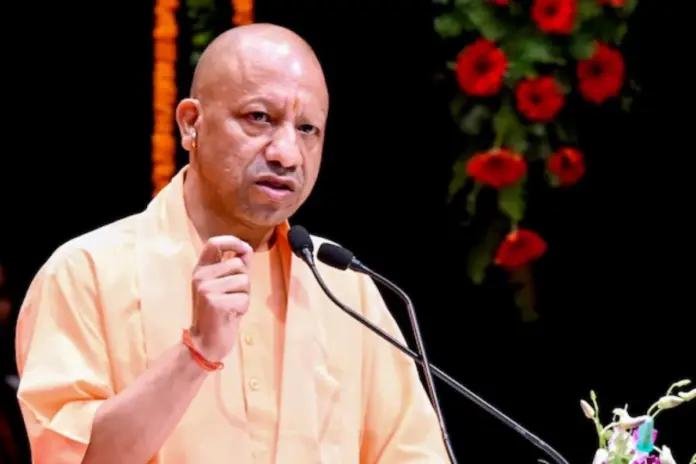
On the occasion of International Yoga Day, Uttar Pradesh Chief Minister Yogi Adityanath extended his heartfelt greetings and best wishes to all yoga practitioners and citizens. Emphasizing the timeless wisdom of the Bhagavad Gita’s message, “Yogah Karmasu Kaushalam” (Yoga is excellence in action), he highlighted the transformative power of yoga in human life.

CM Yogi Adityanath Calls for a Healthier and Stronger Nation Through Yoga


According to CM Yogi Adityanath, yoga is not merely a form of physical exercise but a profound science that unites the body, mind, and soul. Through regular practice, individuals can achieve physical fitness, mental clarity, emotional balance, and spiritual well-being, enabling them to lead healthier and more productive lives.

International Yoga Day serves as a reminder of the importance of preventive healthcare


The Chief Minister also acknowledged the significant efforts of Prime Minister Narendra Modi in taking yoga from India’s ancient heritage to the global stage. Owing to these efforts, yoga has evolved into a worldwide people’s movement, embraced by millions across countries, cultures, and communities.


International Yoga Day serves as a reminder of the importance of preventive healthcare and holistic wellness in today’s fast-paced world. As lifestyle-related diseases, stress, and anxiety continue to affect societies worldwide, yoga offers a simple yet effective path towards healthier living and inner harmony.


CM Yogi Adityanath urged citizens to make yoga an integral part of their daily routine and collectively contribute to the creation of a healthy, fit, and disease-free nation. He emphasized that a strong and prosperous country can only be built upon the foundation of healthy and aware citizens.


On this International Yoga Day, let us reaffirm our commitment to physical fitness, mental well-being, and a balanced lifestyle by embracing yoga every day.

Bhagwant Mann Government Commitment to Women’s Empowerment: Respect Allowance to Strengthen Financial Independence

Bhagwant -Mann
Google

Taking another significant step towards women’s welfare and empowerment, the Punjab Government led by Chief Minister Bhagwant Mann is working to ensure greater financial security and dignity for women across the state.

Bhagwant Mann Government Commitment to Women’s Empowerment


As announced by Finance Minister Harpal Singh Cheema, the Respect Allowance (Satikar Bhatta) for eligible women will start being directly transferred into beneficiaries’ bank accounts from July. This initiative reflects the government’s commitment to supporting mothers and sisters by providing direct financial assistance and enhancing their economic independence.

Respect Allowance to Strengthen Financial Independence


The scheme is designed to empower women by ensuring that financial benefits reach them directly, promoting transparency, efficiency, and ease of access. By strengthening women’s financial participation, the government aims to improve household well-being and contribute to inclusive social development.


Women who are eligible for the scheme are encouraged to complete the necessary registration and obtain their cards at the earliest so that they can avail themselves of the benefits without any delay.


Under the leadership of Bhagwant Mann, the Punjab Government continues to prioritize policies focused on social welfare, women’s empowerment, and equitable growth. Initiatives such as the Respect Allowance scheme are expected to provide meaningful support to countless families while reinforcing the government’s commitment to creating a more inclusive and progressive Punjab.


The empowerment of women is essential for the progress of society, and measures that enhance their financial security contribute directly to stronger families, communities, and the state as a whole.

Uttar Pradesh’s Rising Global Footprint: MSMEs Driving Growth Under CM Yogi Adityanath

Under the visionary leadership of CM Yogi Adityanath, Uttar Pradesh is rapidly emerging as a powerhouse of entrepreneurship, industrial growth, and global trade. With more than 96 lakh MSME units operating across the state, Uttar Pradesh has established itself as a leader in employment generation and economic empowerment.

Uttar Pradesh’s Rising Global Footprint


MSMEs form the backbone of Uttar Pradesh’s economy, creating livelihood opportunities for millions while strengthening local industries and encouraging innovation. Through policy support, infrastructure development, and ease-of-doing-business reforms, the state government has created an ecosystem where enterprises can thrive and expand.

MSMEs Driving Growth Under CM Yogi Adityanath


Uttar Pradesh has also strengthened its position on the global economic stage by achieving trade worth $5.36 billion with BRICS nations. This milestone reflects the growing international demand for products manufactured in the state and highlights Uttar Pradesh’s increasing contribution to global trade and economic cooperation.


A major driver of this success has been the One District One Product (ODOP) initiative. By promoting traditional crafts, indigenous products, and local industries, ODOP has enabled artisans and entrepreneurs to access national and international markets. The initiative has not only preserved the state’s rich cultural heritage but has also transformed local products into globally recognized brands.


The BRICS MSME Forum has further showcased Uttar Pradesh’s economic achievements before the world, reinforcing its reputation as an attractive destination for investment, trade, and business partnerships. The state’s remarkable progress demonstrates how focused governance, entrepreneurial spirit, and strategic economic planning can drive inclusive and sustainable development.


As Uttar Pradesh continues its growth journey, its thriving MSME sector and expanding global trade footprint stand as powerful examples of the state’s commitment to prosperity, innovation, and opportunities for all.

Nishant Kumar Viral Video: Nitish Kumar’s Health Minister Son Clueless While Doing Yoga On International Yoga Day, Netizens Freak Out

Nishant- Kumar- Viral- Video
Google

A video featuring Bihar Health Minister Nishant Kumar during an International Yoga Day event has gone viral on social media. The clip shows Nishant Kumar participating in a mass yoga session alongside other attendees, but his movements appeared out of sync with the group, quickly attracting attention online.The video has triggered widespread discussion, with many social media users sharing humorous reactions and opinions about the incident.

What Happened?

The viral clip shows Nishant Kumar, the son of Bihar Chief Minister Nitish Kumar, taking part in an International Yoga Day celebration. During the session, participants were seen performing various yoga poses under the guidance of instructors.However, viewers noticed that Nishant Kumar appeared confused and struggled to match some of the yoga postures being performed by others around him. The brief moments captured in the video soon spread across social media platforms, where users began commenting on his performance.Nishant Kumar was appointed Bihar’s Health Minister in May 2026, a move that had already generated political debate regarding dynastic politics and administrative experience.

Political Spotlight Returns to Nishant Kumar

The viral clip has once again placed Nishant Kumar under public scrutiny. Since taking charge as health minister, he has faced criticism from political opponents who questioned his experience and preparedness for managing Bihar’s healthcare sector.The yoga video has added another layer to the public conversation, with critics and supporters offering contrasting views on the significance of the incident.

People’s Opinion

Social media users expressed mixed reactions to the viral video. While many mocked Nishant Kumar’s inability to keep pace with the yoga session, others felt the criticism was excessive. Some users viewed the clip as a light-hearted moment, whereas critics used it to raise questions about leadership, fitness awareness, and governance. The discussion continues to generate engagement across online platforms.

Note: This Article has been done on the information provided in this viral video/ post. DNP India doesn’t endorse, subscribe or verify the claims.