Home Blog Page 41

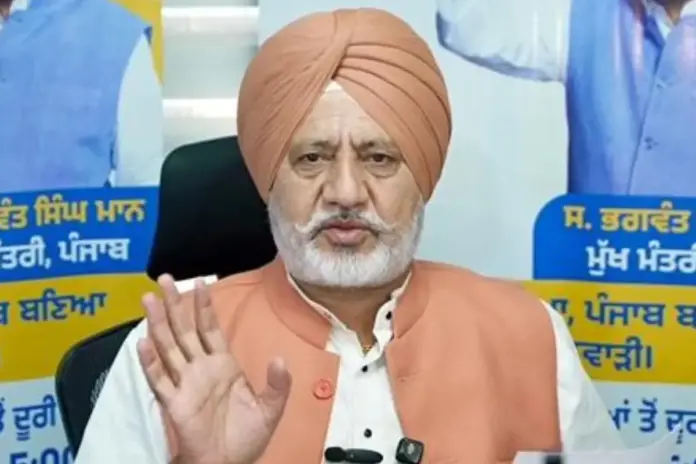
Punjab sets benchmark in large-scale public healthcare delivery; over 30.51 lakh families enrolled under Mukh Mantri Sehat Yojna in under 3 months: Dr Balbir Singh

Dr Balbir Singh

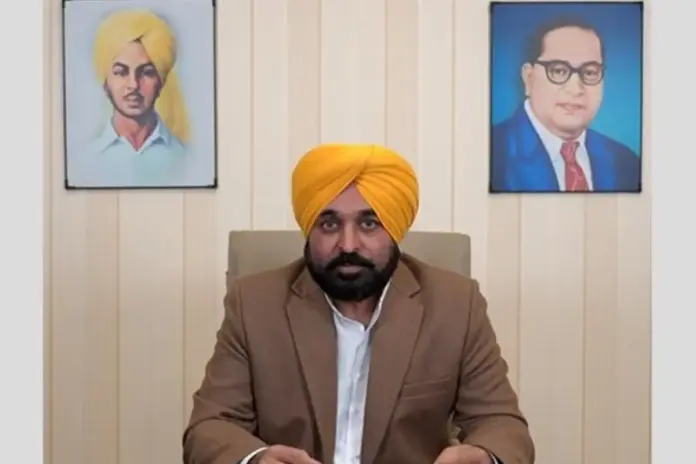
Punjab, under the leadership of CM Bhagwant Singh Mann, has set a benchmark in large-scale public healthcare delivery under the Mukh Mantri Sehat Yojna, emerging as a leading model nationally with over 30.51 lakh families enrolled and ₹292 crore worth of free treatment approved within three months of its launch on January 8, 2026. Highlighting the scale and pace of implementation, Punjab Health and Family Welfare Minister Dr Balbir Singh on Friday said the scheme has rapidly translated into real financial relief and healthcare access for lakhs of families across Punjab.

Addressing a press conference at Punjab Bhawan, Health Minister Dr Balbir Singh stated, “The scheme has so far registered 30,51,325 beneficiaries and issued 1,77,097 free authorisations for treatment. The total approved value of treatment stands at ₹292 crore, of which ₹267 crore has already been approved. We have settled 71,000 claims and disbursed ₹60 crore to empanelled hospitals.”

Calling the achievement historic, the Health Minister emphasised that Punjab has outperformed all other states on every key parameter. “This is a historic day for Punjab. By any parameter, registrations, families covered or patients treated, Punjab is number one,” he said.

Assuring hospitals on timely payments, Minister Dr Balbir Singh said the Bhagwant Mann Government has put in place a robust mechanism to clear dues. “All pending dues up to March 31 will be cleared by April 15. No hospital will have a single rupee pending from our side,” he asserted.

He further outlined the new payment framework coming into effect from April 1. “Claims up to ₹1 lakh will be settled within 15 days, while bills above ₹1 lakh will be cleared within a week of submission. In case of disputes or verification requirements, the process will be completed within a month,” he said.

Highlighting the real impact of the scheme, Minister Dr Balbir Singh said it has already transformed lives across age groups. “Beneficiaries range from a one-year-old infant to a 99-year-old grandmother who received cancer treatment. We have covered complex cardiac procedures, including over 100 heart-related diseases. In one case, a patient with a ruptured sinus was successfully treated at Patiala Medical College under the scheme,” he noted.

“When the government spends ₹292 crore on treatment, it means that money stays in the pockets of the common man,” Dr Balbir Singh added, stating that the State Health Agency, in coordination with United India Insurance, is ensuring seamless delivery of universal healthcare coverage across Punjab.

AAP’s ‘Shandaar 4 Saal, Bhagwant Mann de Naal’ campaign sees Ministers & MLAs take Bhagwant Mann Govt’s work to every household across Punjab

Punjab News

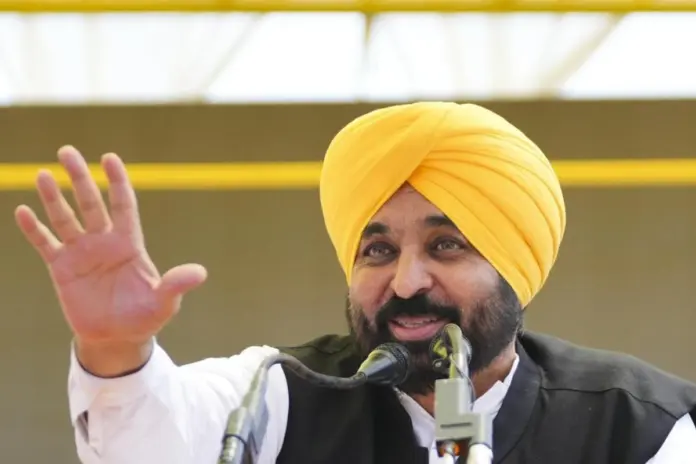
Marking four years of the Aam Aadmi Party (AAP) government under Punjab Chief Minister Bhagwant Singh Mann, the party on Friday continued its statewide outreach campaign “Shandaar 4 Saal, Bhagwant Mann de Naal”, with the second day of the ‘Samvad’ initiative witnessing widespread participation across Punjab, as Ministers and MLAs engaged directly with citizens to present the government’s report card and gather public feedback.

Cabinet Ministers Barinder Kumar Goyal, Harbhajan Singh ETO, and Lal Chand Kataruchak directly engaged with people in their respective constituencies, holding nukkad meetings and public interactions to highlight the achievements of the Bhagwant Mann Government over the past four years.

In Lehra, Minister Barinder Kumar Goyal stated, “The Bhagwant Mann Government has focused on delivering real change at the grassroots level, ensuring that benefits reach every household.”

In another outreach, Minister Harbhajan Singh ETO said, “The government’s key achievements include improvements in education, healthcare, electricity, employment, infrastructure, and law and order.”

Minister Lal Chand Kataruchak added, “This campaign is not just about highlighting achievements, but also about strengthening direct communication with citizens and understanding their aspirations, ensuring that governance remains responsive, transparent, and accountable.”

As part of the campaign, AAP MLAs and leaders reached multiple villages and urban wards including Barnala, Rajrana (Sardulgarh), Momiyan (Shutrana), Bahon Yatari (Bathinda Rural), and Gidder (Bhucho Mandi), where they held interactive meetings with residents. Similar outreach programmes were conducted in Bhai Bakhtaur, Ghuman Kalan, Mansa, Kasam Bhatti (Jaitu), and Ludhiana East.

On the second day of the campaign, meetings were also organized in Dheema Wali (Kotkapura), Samana, Khiali (Mehal Kalan), and several areas of Balluana, where people gathered in large numbers and extended overwhelming support.

Further expanding the reach of the campaign, interactions were held in Bugra (Maur Mandi), Patiala Urban, Bhucho Mandi, Jalandhar Cantt, Talwandi Sabo, and Sundarchakk (Bhoa), where citizens appreciated the government’s efforts and expressed gratitude for improved public services and welfare initiatives.

The campaign witnessed enthusiastic participation from the public, with people acknowledging the visible transformation across sectors and praising the government for its honest and people-centric governance. In many places, residents collectively expressed their confidence in CM Bhagwant Singh Mann’s leadership and extended support to once again entrust the reins of Punjab to the Aam Aadmi Party in 2027.

Fuel Duty Cut to Bring Relief, Says MP CM Mohan Yadav; Export Levies to Ensure Domestic Supply

Mohan Yadav
Mohan Yadav

Madhya Pradesh Chief Minister Mohan Yadav has welcomed the Centre’s decision to reduce excise duty on petrol and diesel, stating that the move will provide significant relief to millions of citizens across the country.

Fuel Duty Cut to Bring Relief, Says MP CM Mohan Yadav

In a statement shared on social media, Yadav noted that the reduction of ₹10 per litre in central excise duty on petrol and diesel is expected to ease the financial burden on households and improve affordability of fuel.

Export Levies to Ensure Domestic Supply

He further highlighted that the government has imposed export duties of ₹21.5 per litre on diesel and ₹29.5 per litre on Aviation Turbine Fuel (ATF). According to him, this step will help ensure adequate domestic availability of fuel and stabilise supply within the country.

The Chief Minister credited the decision to the leadership of Prime Minister Narendra Modi, describing it as a balanced approach that addresses both consumer relief and supply-side management.

Officials believe that such fiscal measures can have a broader economic impact, including easing inflationary pressures and supporting sectors dependent on fuel consumption. The move is also expected to benefit transportation and logistics, which directly influence the cost of essential goods.

Economists suggest that a reduction in fuel prices can have a cascading effect across multiple sectors, including agriculture, manufacturing, and services, where fuel remains a key input cost. Lower transportation costs may also help in stabilising prices of essential commodities, offering indirect relief to consumers.

The imposition of export duties, on the other hand, is aimed at preventing excessive outflow of fuel products at a time of fluctuating global demand. By ensuring that a larger share of production remains within the country, the government seeks to maintain price stability and avoid supply disruptions.

Policy analysts also point out that such dual measures—cutting excise duty while regulating exports—reflect a calibrated approach to balancing domestic needs with international market dynamics. This becomes particularly important in the context of volatile crude oil prices and geopolitical uncertainties.

The development underscores the government’s continued focus on managing fuel economics in a way that supports both consumer welfare and energy security, while maintaining stability in the broader economy.

Jan Vishwas Bill: Government Pushes to Decriminalise Minor Offences, Reform 78 Laws

Supreme Court Verdict
Image Credit: Google

The proposed Jan Vishwas Bill is being seen as a major step towards simplifying India’s legal and regulatory framework by decriminalising minor offences and reducing compliance burdens on citizens and businesses.

Jan Vishwas Bill: Government Pushes to Decriminalise Minor Offences

According to reports, Union Minister Piyush Goyal is preparing to introduce the bill in the Lok Sabha, with special permission from the Speaker as it was not originally listed in the day’s agenda. A detailed discussion on the legislation is likely to take place in the coming days.

The bill proposes amendments to provisions across 78 existing laws, targeting hundreds of clauses where minor or technical violations currently attract criminal penalties. The key objective is to replace imprisonment in such cases with monetary fines or warnings, thereby shifting the focus from punishment to compliance.

Experts note that India’s legal system has long been criticised

Experts note that India’s legal system has long been criticised for treating even procedural lapses as criminal offences, often resulting in unnecessary litigation and fear among businesses and individuals. The Jan Vishwas Bill aims to address this issue by promoting a trust-based governance model rather than a punitive one.

A significant feature of the bill is its attempt to curb what is often referred to as “Inspector Raj,” a system where excessive regulatory oversight and discretionary powers can lead to harassment and corruption. By reducing criminal provisions and simplifying rules, the government aims to limit arbitrary enforcement and improve ease of doing business.

The proposed legislation is also being viewed as an extension of the earlier Jan Vishwas Act, 2023, which had initiated similar reforms. Officials believe that expanding its scope will further streamline administrative processes, enhance transparency, and build confidence among stakeholders.

If passed, the bill could have wide-ranging implications for sectors governed by multiple regulatory laws, making compliance easier and reducing the fear of criminal prosecution for minor errors. The move aligns with the government’s broader push to improve India’s business environment and reduce legal complexities.

The development comes amid ongoing efforts to modernise India’s legal framework and make governance more citizen-friendly, with an emphasis on accountability, efficiency, and trust.

AAP Launches ‘Samvaad’ Campaign in Punjab, Highlights Four Years of Bhagwant Mann Government

The Aam Aadmi Party in Punjab has intensified its outreach efforts through the ‘Samvaad’ campaign, marking four years of governance under Chief Minister Bhagwant Mann.

According to the party, leaders are visiting various constituencies and conducting small public meetings to directly engage with citizens and present the achievements of the state government. These interactions are being held at the grassroots level, aiming to connect with people in both rural and urban areas.

AAP Launches ‘Samvaad’ Campaign in Punjab, Highlights Four Years of Bhagwant Mann Government

The campaign has seen active participation from residents, with party representatives claiming that people are turning up in large numbers and expressing appreciation for the work carried out by the government over the past four years. The initiative is designed to create a two-way communication channel, allowing citizens to share feedback and concerns alongside hearing about government initiatives.

One such outreach event was held in Bhai Bakhtaur village in the Maur constituency, where locals participated in discussions and interacted with party leaders. The AAP stated that the response received during these meetings reflects growing public engagement and support.

‘Samvaad’ campaign is part of a broader political strategy

The ‘Samvaad’ campaign is part of a broader political strategy to strengthen voter connect ahead of future electoral challenges. By focusing on direct communication and local-level interaction, the party aims to reinforce its governance narrative and maintain visibility across constituencies.

Political observers note that such campaigns play a crucial role in shaping public perception, especially when governments seek to showcase performance and build trust among voters. The emphasis on door-to-door communication and community meetings indicates a shift towards more personalized political engagement.

The party has expressed gratitude to the public for their participation and support, stating that continued engagement will remain central to its governance and outreach approach in Punjab.

Madhya Pradesh Sees Surge in Women Empowerment Under CM Mohan Yadav, Says Government

The Madhya Pradesh government has highlighted significant progress in women empowerment initiatives under the leadership of Chief Minister Mohan Yadav, emphasizing growing participation of women in economic and entrepreneurial activities across the state.

Madhya Pradesh Sees Surge in Women Empowerment

According to an official statement shared by the Government of Madhya Pradesh, over 65 lakh women are now connected with more than 5 lakh self-help groups, reflecting a strong grassroots network aimed at financial inclusion and community development.

Empowerment Under CM Mohan Yadav, Says Government

The government further noted that more than 12 lakh women in the state have achieved the status of “Lakhpati Didis,” indicating a rise in income levels and self-reliance among women, particularly in rural areas. These efforts are being seen as part of a broader push to strengthen livelihoods and promote sustainable economic growth.

In a notable trend, nearly 47 percent of new startups in Madhya Pradesh are being led by women, showcasing a shift towards greater female participation in entrepreneurship and innovation. Officials say this reflects improved access to financial resources, training, and policy support for women-led enterprises.

The initiatives are being implemented with support from departments such as Women and Child Development, focusing on skill development, financial literacy, and market linkages. The government has reiterated its commitment to building an inclusive economy where women play a central role in development.

Experts believe that the expansion of self-help groups and the rise of women entrepreneurs could have long-term socio-economic benefits, including poverty reduction, improved household incomes, and enhanced decision-making power for women.

The state government maintains that these achievements mark a step forward in its vision of creating a more empowered and economically resilient society, with women contributing actively to Madhya Pradesh’s growth story.

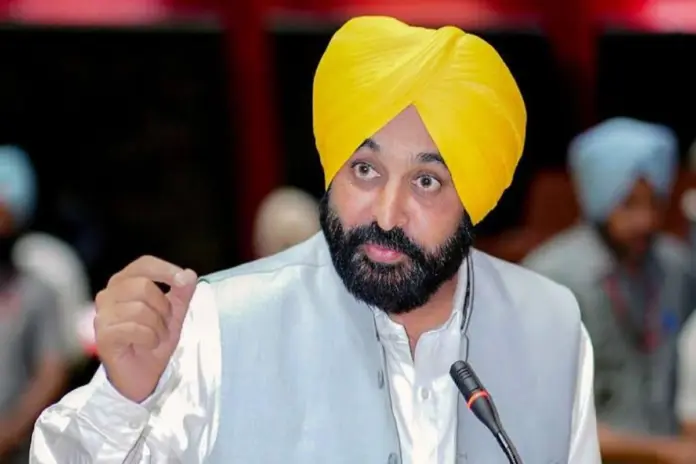
Punjab CM Bhagwant Mann Highlights Improved Irrigation Access, Calls It a Model for Other States

Punjab Chief Minister Bhagwant Mann on Friday highlighted improvements in irrigation facilities for farmers, stating that agricultural practices in the state are becoming more efficient and farmer-friendly.

Punjab CM Bhagwant Mann Highlights Improved Irrigation Access

In a recent statement, Mann emphasized that farmers in Punjab no longer need to stay awake at night to irrigate their fields, a challenge that was often linked to irregular power supply in the past. He noted that farmers are now able to carry out irrigation during the day with ease, reflecting better management of electricity and water resources.

Calls It a Model for Other States

The Chief Minister Mann described this shift as part of a broader wave of public welfare initiatives aimed at easing the burden on farmers and improving agricultural productivity. He suggested that such measures not only enhance convenience for farmers but also contribute to overall rural development.

CM Mann further expressed confidence that this model of governance, focused on public welfare and efficient service delivery, would expand beyond Punjab and influence other states in the coming years. He indicated that the government’s approach prioritizes practical solutions to long-standing issues faced by the farming community.

The remarks come amid ongoing discussions around agricultural reforms, irrigation access, and rural infrastructure across India. Punjab, being one of the country’s key agricultural states, often serves as a reference point for policies related to farming and allied sectors.

Officials believe that consistent power supply for irrigation can significantly improve crop yields, reduce stress on farmers, and optimize resource utilization. The state government has been focusing on ensuring uninterrupted electricity for agricultural needs, along with strengthening canal-based irrigation systems.

Mann’s statement underscores the government’s attempt to position Punjab as a model for farmer-centric governance, particularly in areas such as irrigation, power supply, and rural welfare.

Pradhan Mantri Shram Yogi Maandhan Yojana: Unlock Rs. 3000 Pension Monthly! Would It Help Bridge The Gap Between Rich And Poor Retirees?

Pradhan Mantri Shram Yogi Maandhan Yojana
Image Credit: Google

Pradhan Mantri Shram Yogi Maandhan Yojana: Looking for financial security like government or private employees but in the unorganized sector? There is nothing to worry about going forward!

The Union Government has announced the Pradhan Mantri Shram Yogi Maandhan (PM SYM). Under the scheme, workers would be eligible for a guaranteed pension of Rs. 3000 every month after they have turned 60. This would help in bridging the gap between rich and poor retirees.

The scheme would help millions of unorganized sector workers, including street vendors, small business owners, home-based workers, street vendors, agricultural labourers and construction labourers who don’t have access to NPS, EPF or other formal pension advantages.

About Pradhan Mantri Shram Yogi Maandhan (PM SYM) Scheme

The Pradhan Mantri Shram Yogi Maandhan (PM SYM) Scheme could be described as a contributory and voluntary pension program that has been designed specifically for workers in the unorganized sector. Workers under the scheme would be eligible for a monthly pension of Rs. 3000 after the age of 60 years. Interested individuals need to pay a nominal payment of Rs. 55 every month before you start receiving the monthly pension.

To be eligible, individuals must be earning a monthly income of Rs. 15,000 or less, must be between 18 and 40 years of age and should not be registered with ESIC, EPF or NPS.

Calculation Of Monthly Payment

The monthly payment would depend on the age of the participant. For instance, a 40-year-old would pay Rs. 200 a month while an 18-year-old would pay Rs. 55 every month. The Indian government would match the individual’s contribution. This would help unorganized sector workers save for a secure pension once they have retired at the age of 60.

Interested individuals could register at their nearest Common Service Centre (CSC) or visit the PM SYM website. The scheme is administered by the Ministry of Labour and Employment in collaboration with Life Insurance Corporation of India (LIC) and Common Service Centres e-Governance Services India Limited (CSC SPV) for seamless implementation.

Liver Cirrhosis: Is Liver Transplant The Only Way To Save Your Life? Doctor Answers, Check Video

Liver Cirrhosis Transplant Surgery Required or not
Photo Credit: Created with Gemini

Liver cirrhosis is a serious condition that affects millions worldwide. But what exactly is it, and how dangerous can it be? In simple terms, liver cirrhosis happens when the liver slowly gets damaged over time, and its normal tissue is replaced by scar tissue. This scarring makes it harder for the liver to do its job, like cleaning toxins from the blood, producing essential proteins, and storing energy.

People often ignore early symptoms because they can be mild. However, once complications start, it can become life-threatening. A recent discussion by Dr Rajiv Lochan from Manipal Hospitals sheds light on what patients and families need to know about this condition.

Liver Cirrhosis And Its Progression

According to Dr Lochan:

  • Once cirrhosis develops, no medicine can reverse the liver damage.
  • The main goal of treatment at this stage is to monitor and manage complications, such as fluid buildup, infections, or bleeding.
  • Cirrhosis can remain stable for several years, but when the liver begins to fail or “decompensates,” a liver transplant is usually recommended.

Some causes of liver cirrhosis, like hepatitis B, hepatitis C, or autoimmune liver disease, can be controlled to a certain extent with medications. But even then, there is no complete cure except a liver transplant.

When A Liver Transplant Becomes Necessary

The decision to undergo a liver transplant is complex and requires careful evaluation at a specialised liver center. Doctors consider many factors before recommending surgery, including the patient’s overall health, age, and the severity of liver damage.

It’s important to understand that not every patient with cirrhosis needs a transplant immediately. With proper care and monitoring, some people live for years with stable cirrhosis. However, early detection and regular medical supervision are critical to prevent serious complications.

Indian Railways Recruitment 2026: 11127 Assistant Loco Pilot Jobs Open From This Date! Will Tech-Savvy Hires Modernize Tracks?

Indian Railways Recruitment 2026
Image Credit: Google

Indian Railways Recruitment 2026: The Indian Railways has announced that it would be inviting 11127 Assistant Loco Pilot (ALP) posts starting May 15. The mass-scale recruitment would be a part of the Centralized Employment Notification (CEN) No. 01/2026 issued by the Railway Recruitment Boards (RRBs). The application window for the positions would stay open till June 14, 2026 at 11:50 pm.

Indian Railways Recruitment 2026: Where To Apply?

All candidates may apply at RRB website at http://www.rrbapply.gov.in. Candidates from the Pune region may submit their applications via the Mumbai RRB website.

The mentioned vacancies would be available across zones of Indian Railways. Interested candidates may submit their applications across 21 cities – Guwahati, Jammu-Srinagar, Kolkata, Malda, Mumbai, Muzaffarpur, Patna, Ahmedabad, Ajmer, Bengaluru, Bhopal, Bhubaneswar, Bilaspur, Prayagraj, Ranchi, Secunderabad, Siliguri, Chandigarh, Chennai, Gorakhpur and Thiruvananthapuram.

Candidates would be required to verify their personal and other details via their Aadhaar card during the registration process. The date of birth and name of interested candidates on the Aadhaar card must match with those on their Class 10th certificate.

Will Tech-Savvy Hires Modernize Tracks?

Today, Indian Railways is focusing heavily on automation tools and comfort with state-of-the-art data-driven systems. This transition in skill sets could prove critical to integrate digital technologies into the operations of railways. The ecosystem of railways today is no longer purely mechanical, whether it is about GPS-enabled tracking systems or AI-based predictive maintenance. Tech-savvy hires may adapt faster to these systems, reducing training time and improving operational efficiency.

New recruits who are comfortable working with digital analytical tools or dashboards may find it easy to proactively predict equipment failures, manage congestion and optimize train scheduled. This, in turn, would contribute to faster and smarter decision-making at ground level. Moreover, they may be better positioned to collaborate with engineers and IT teams to report issues or suggest improvements, creating a more integrated safety ecosystem.

Weather Update March 28 2026: IMD Issues Yellow Alert For Delhi NCR, Madhya Pradesh, Rajasthan And Uttarakhand! Is Atmospheric Instability Causing Sudden Weather Developments?

Weather Update March 28 2026: The India Meteorological Department (IMD) has issued yellow alert for Delhi, Noida, Greater Noida, Faridabad, Meerut and Gurugram. IMD predicts that atmospheric instability and moisture incursion are causing sudden weather developments, resulting in gusty winds, violent thunderstorms, heavy rainfall and hazy to partly cloudy conditions. This would be primarily because warm air near the surface would rise rapidly as it is lighter than the cooler air above.

Weather Update March 28 2026-Delhi, Uttar Pradesh, Punjab and Haryana and Weather Update

Several parts of central Delhi, Shahdara, east Delhi, southwest Delhi, parts of west Delhi, north Delhi, south Delhi and southeast Delhi are likely to experience heavy rainfall.

Delhi, Noida, Greater Noida, Faridabad, Meerut and Gurguram are likely to witness intermittent rainfall along with chilling waves. Gurdaspur, Batala, Mansa, Zira, Mukerian, Kharar, Rajpura, Samana, Sunam, Jalalabad, Nabha, Malerkotla, Fazilka, Tarn Taran and Dhuri are also likely to witness the same weather conditions.

Dabwali, Julana, Kalayat, Gohana, Uchana, Ellenabad, Narnaul, Hansi, Barwala, Loharu, Narwana, Tohana, Safidon, Ratia and Siwani may witness moderate to heavy rainfall.

Weather Update March 28 2026-Madhya Pradesh and Rajasthan Weather Update

Balaghat, Shahdol, Sidhi, Umaria, Mandsaur, Raisen, Sehore, Betul, Harda, Ashoknagar and Mandla may receive violent thunderstorms, gusty winds and moderate to heavy rainfall.

Karauli, Bundi, Churu, Jhunjhunu, Nagaur, Sirohi, Pratapgarh, Tonk, Baran, Barmer, Jalore, Dungarpur and Banswara may witness showers of rain during late evening or night hours.

Uttarakhand, Jammu & Kashmir And Himachal Pradesh Weather Update

Karsog, Sundernagar, Tissa, Sarkaghat, Ghumarwin, Jogindernagar, Palampur, Baijnath, Chamba, Dalhousie, Nahan, Rohru and Rampur Bushahr may experience heavy to very heavy rainfall, causing inconvenience to residents and commuters. There is also a possibility of landslides in many areas and people should follow due sense of care and diligence while travelling.

Handwara, Bandipora, Gurez, Uri, Sopore, Anantnag, Kishtwar, Bhaderwah, Doda, Poonch, Rajouri, Kupwara and Shopian are likely to witness fresh rounds of snowfall and rain showers, especially during early morning and late evening or night hours.

Didihat, Kirtinagar, Gauchar, Augustmuni, Purola, Barkot, Joshimath, Ukhimath, Tanakpur, Sitarganj, Bageshwar, Champawat, Lohaghat, Dwarahat and Vikasnagar may also experience similar weather conditions.

Disclaimer: This content is based on meteorological interpretation and climatological datasets assessed by the IMD forecasting team and other sources. While we at DNP India strive to maintain scientific accuracy, weather patterns may evolve due to dynamic atmospheric conditions. This assessment is intended for informational purposes and should not be considered an absolute or guaranteed prediction.

Heart Attack: Noida Doctor Reveals 1-Hour Life-Saving Trick That Can Slash Risk by 60% – Check Video!

Heart Attack Risk
Photo Credit: Created with Gemini

Every second counts when someone is having a heart attack. In a recent video shared on YouTube, Noida‑based doctor Parneesh Arora stressed that quick action in the first one or two hours can save many lives. Delays in getting treatment often lead to more heart damage or even death. Knowing what to do right away can make all the difference between survival and permanent harm.

What To Do Immediately If You Suspect A Heart Attack

According to Dr Arora, if you ever suspect someone near you is experiencing a heart attack, don’t waste a moment. Here’s what you should do right away:

  1. Give Aspirin (if available):
    If aspirin is at home or in your workplace and the person is conscious, have them chew the aspirin immediately. This helps thin the blood and can reduce the risk by up to 20%.
  2. Get to Hospital Without Delay:
    Call emergency services or get the person to the hospital immediately. Time is critical in heart attack treatment.

Once at the hospital, doctors take steps to confirm the condition and begin lifesaving therapy:

  • ECG Test: A quick electrocardiogram confirms whether the heart attack is happening and helps determine the type of treatment needed.
  • Blood Thinners and Medications: Patients are given blood thinners right away to prevent further clotting.

Depending on what’s available, the hospital may use one of two main treatments:

  • Angioplasty: A procedure that opens blocked arteries immediately.
  • Thrombolytic Therapy: Medicine that dissolves dangerous clots when angioplasty isn’t available.

Doctors say that prompt treatment within that first golden hour can save 50–60% of lives compared to waiting too long.

After emergency treatment, patients are usually observed in the hospital for two to three days to watch for complications. Once stable, they are sent home with prescribed medications.

Why Time Matters In Treatment

Rapid response is not only important, but also life‑saving. According to medical experts, the sooner treatment begins after a heart attack, the better the chances of limiting heart muscle damage. Early intervention with aspirin and professional care helps prevent more severe outcomes and increases survival rates.

Quick action, simple first aid, and immediate medical care can turn a near‑tragedy into a survival story. If you ever suspect a heart attack, act immediately — you could save a life.

Dandruff: Hygiene Or Biology? Haircare Myths Busted! Health Experts Weighs In Observations On The Real Culprit

Dandruff
Image Credit: Google

Dandruff: For decades, the word ‘dandruff” has been associated with dry scalp, poor hygiene or using the wrong shampoo. Haircare companies have long marketed their dandruff-relief products with the messaging that it’s time to wash hair more often, switch products and moisturize better. However, medical science differs. Dandruff is a biological problem and not a hygiene problem.

Dandruff-The Myth Of Dirt And Dryness

Over decades, consumer behaviour has been primarily influenced by the belief that dandruff results from an unclean scalp. This has prompted people to over-wash their hair or aggressively scrub their scalp to eliminate flakes.

Dermatologists across the world repeat that dandruff is not caused by poor hygiene or dirt.

The Biology Behind Dandruff Flakes

This may come as news to you but this health condition is a complex interaction between the natural oil production by your scalp and a microorganism that lives there.

Human skin, including the scalp, hosts a wide range of microbes as part of its normal ecosystem. Among them is a yeast-like fungus called Malassezia that coexists harmlessly with its host under typical conditions. However, it may become a key player in dandruff in certain individuals.

The body’s sebaceous (oil) glands produce sebum, which is an oily substance that helps protect and lubricate your skin. Malassezia feeds on sebum, breaking it down into byproducts like oleic acid.

For some individuals, the scalp is particularly sensitive to these byproducts and the result is inflammation, irritation and an accelerated turnover of skin cells. Instead of shedding invisibly, these cells clump together with oil, forming the visible flakes associated with dandruff.

In other words, dandruff arises from an interaction between oil and microbes and not from a lack of cleanliness.             

Rethinking “Healthy Scalp”

The transition from viewing dandruff as a hygiene issue to understanding it as a biological condition has important implications for haircare treatment. Medical experts recommend that individuals should focus on maintaining a balanced scalp environment instead of focusing solely on cleansing or moisturizing. This includes managing oil levels, supporting the skin barrier and controlling microbial growth.

Disclaimer: This content, including advice, provides general information only. It is not a substitute for a qualified medical opinion in any way. The methods and claims mentioned in this article should be considered as suggestions only; DNP India neither confirms nor denies them. Always consult a doctor before following any such suggestions/treatments/medications/diets.

Rewiring the Legend! Tata Sierra EV to Bring Iconic 90s Flair with 500km+ Range in Q2 2026

Tata- Sierra- EV
Google

Tata Sierra EV: The automotive world is gearing up for something special. Tata Motors, known for blending innovation with reliability, is bringing back a 90s icon, the Tata Sierra, but now as a fully electric vehicle. 

A Nostalgic Design Reimagined

For those who grew up in the 90s, the Tata Sierra evokes memories of one of India’s most distinctive SUVs. Its boxy shape, panoramic glass roof, and rugged charm made it unforgettable. The new Sierra EV keeps this classic soul but adds modern touches like LED lighting, premium interiors, and advanced tech features. It’s a perfect blend of nostalgia and contemporary design, appealing to both long-time fans and new-age buyers.

Long-Range Electric Performance

One of the biggest talking points about the Sierra EV is its 500km+ range on a single charge. This makes it ideal for long drives and daily commuting alike. Tata Motors is focusing on high-efficiency batteries and fast-charging capabilities, ensuring that drivers spend more time on the road and less time waiting at charging stations.

Modern Tech Meets Comfort

The Sierra EV isn’t just about looks; it’s a tech powerhouse. It will feature:

  • Powerful electric motor for smooth acceleration and strong performance.
  • Advanced infotainment with touchscreen, smartphone integration, and voice commands.
  • Safety features include multiple airbags, ABS, traction control, and stability systems.
  • Eco-friendly driving modes for maximum efficiency without compromising fun.

Sustainable Yet Stylish

Tata Sierra EV: The launch of the Sierra EV is a bold step toward sustainable mobility. Tata Motors is demonstrating that going green doesn’t mean compromising on style or performance. By combining heritage design with eco-friendly tech, the Sierra EV appeals to drivers who care about both aesthetics and the environment.

Tata

DME Media School Wraps Up HR Conclave MediaConnect 2.0 2026

DME Media School
Image Credit: Google

DME Media Schools’ training and placement cell successfully organised and conducted its HR Conclave, MediaConnect 2.0 on 27th March 2026, featuring seasoned professionals from over six different media franchises, the event was held in order to students to get closer to and familiarise themselves with the professional, corporate landscape so that they may be able to navigate professionally more smoothly in coming times. The theme of this year’s conclave was Conscious UnBossing: Why is Gen Z rejecting middle management? All the speakers spoke with the students about different work environments in their fields and what today’s workplaces are like. They also shared how new graduates can adjust, fit in, and work comfortably in these spaces.

The event began with Ms. Garima Jain welcoming everyone and introducing MediaConnect and its concept. This was followed by Dr. Parul Mehra, Head of the Media Department, who delivered the opening remarks for the conclave. She spoke about this year’s theme, what it means to be a young aspiring professional in today’s media industry, and the importance of adapting to and understanding modern work environments. She was then joined by faculty members Dr. Vishal Sahai and Dr. Yamini Khullar to felicitate the esteemed guests of the afternoon.

Mr. Amitabh Chakraborty, HR Head at Bharat Express, was the first to take the stage and address the audience. He spoke about the importance of knowledge for a professional—especially understanding one’s own strengths and weaknesses, being aware of the work environment, and practicing self-awareness and introspection. According to him, these are key qualities that make an efficient media professional.

He was followed by Ms. Videsha Kemkar, Editor at WION, who engaged the students by asking, “What does success mean to you?” and interacted with them individually. She explained how success is defined differently by different people and generations, and how Gen Z’s idea of success often differs from more traditional perspectives, along with what it demands from them.

Next, Ms. Renu Mattoo, Head HR at Amar Ujala, took the stage and spoke about the behavioural patterns, discipline, and learning styles of Gen Z employees, and how these traits are influencing today’s workplace.

Mr Simarjeet Singh Bhatia, Director and CEO of Themes Event Management, followed next and shared his experiences navigating the event management industry and his passion for it. He talked about his experience about working with Gen Z and their action and goal-driven work ethic along with their general fiery spirit.

Followed by Ms. Neha Vadra, HR head at My FM, has a more positive outlook and  shared a fact about the radio industry where it was revealed that 47.5% of the global population still tunes into the radio every day, reflecting on how the industry is as lively as ever. Following each individual address, Dr Parul Mehra joined the speaker on stage to act as a bridge between them and the students, and the conclave finally kicked off.

The discussion went off to a great start immediately with the speakers and students enthusiastically trading questions and answers. The first notable question was “Why are Gen Z underestimated so much?” The speakers answered this by explaining that they aren’t believed to be underestimated at all, and they do their absolute best to deliver efficient work results given that they’re properly guided through the process. The next prominent question raised was “What is the change that has happened overall in the radio industry?” The response to this was surrounding the hierarchy difference. Radio has evolved in terms of hierarchy. They now tell the higher authority directly about their problems instead of dealing with more formal ways. The third main question was “How important is middle management in corporate settings, especially with Gen Z?” The guests tackled this question by discussing their importance for being there for Gen Z should any situation arise and guiding them.

Some worthwhile quotes said by the speakers during the conclave were also noted. “Focus on polishing one skill, and you’ll excel, and this doesn’t happen with AI” – Neha Vadera. “Live and breathe in the position you dream of,” Amitabh Chakraborthy said.

Dr Vishal Sahai wrapped up the conclave by delivering a profound conclusive speech and vote of thanks. He talked about busy schedules, his own experience and time in HR, the importance of research and the need for dedication and work ethic to deliver whatever the industry asks of you.

The conclave proved to be a truly worthwhile experience, aiming to bridge the gap between where students currently stand and where the industry expects them to be—highlighting the difference between what is being learned and what is actually required in the professional world.