Home Blog Page 61

Visakhapatnam News: 6-Year-Old Pranay Tej Dies After Teacher Allegedly Slaps Him Hard At Vizag School, Check Details

Visakhapatnam- News
Google

Visakhapatnam News: The incident occurred on Thursday morning when Pranay Tej, a UKG student, was reportedly reprimanded by his teacher for not completing his homework. According to the family, the child had recently returned from a pilgrimage to Tirupati and could not finish his assignments in time. CCTV footage from the classroom, which later surfaced on social media, allegedly shows the teacher pulling the boy closer, scolding him, and slapping him on the cheek. Within seconds, the child is seen collapsing.

Rushed To Hospital, Declared Dead On Arrival

School staff reportedly attempted CPR before rushing Pranay Tej to King George Hospital, where doctors declared him brought dead. His body has been sent for a post-mortem examination. The boy’s parents, who said he was healthy and active when he left for school that morning, have blamed the teacher for his death and staged a protest outside the hospital demanding justice.

Police Investigation And Government Response

Police have registered a case in connection with the incident and launched an investigation. Andhra Pradesh HRD and IT Minister Nara Lokesh expressed condolences to the family and said the government would take strict legal action against the teacher and the school’s management. Section 17 of the Right to Education Act, 2009, bans corporal punishment and mental harassment of children in schools, making it a punishable offense.

Outrage Grows Over Corporal Punishment

Visakhapatnam News; The incident has reignited debate over the enforcement of anti-corporal punishment laws in Indian schools. Parents’ groups and child rights advocates have called for stricter monitoring of private schools and accountability for staff found violating child safety norms. Authorities have said further details will be shared as the investigation progresses.

Apple’s Next Flagship Has a Lot to Prove! iPhone 18 Pro Max Leak Teases Powerful Cameras and Smarter Performance

iPhone- 18- Pro- Max
Google

The iPhone 18 Pro Max is making waves with its leaks, with Apple set to release a number of upgrades for the device. 

iPhone 18 Pro Max Leak Reveals a New Camera

In the latest iPhone 18 Pro Max, Apple is expected to give new life to the camera system of the smartphone. The company might introduce a new camera with variable aperture capabilities, enabling users to control light and depth in their photos. Besides, the new camera system will result in better low-light photography. The phone will also have its excellent 48MP camera system, along with improved computational photography.

A19 Pro Chip Could Bring Smarter Performance

Performance is another major area highlighted by the leaks. The iPhone 18 Pro Max is expected to feature Apple’s next-generation A20 Pro chip, which could deliver faster processing and improved power efficiency. The new chip could also support more advanced on-device AI features, allowing the phone to handle demanding tasks more efficiently while reducing reliance on cloud processing.

Display Could Get a Major Upgrade

The phone leak also points towards display improvements. Apple could introduce a more advanced OLED display, offering better brightness, contrast and power efficiency. 

New Design and Build Changes

Apple could make subtle changes to the Pro Max’s design while retaining its premium build. The device is expected to continue with a large ProMotion display, premium materials and a USB-C port. There have also been reports about possible improvements to the device’s internal structure and thermal management. 

Better Battery and Connectivity

Battery efficiency could also be an important upgrade. The combination of a new-generation chip and display improvements may help the iPhone 18 Pro deliver longer usage between charges. The flagship could also feature upgraded wireless connectivity, including improvements to Wi-Fi, Bluetooth and 5G performance, depending on the final hardware configuration.

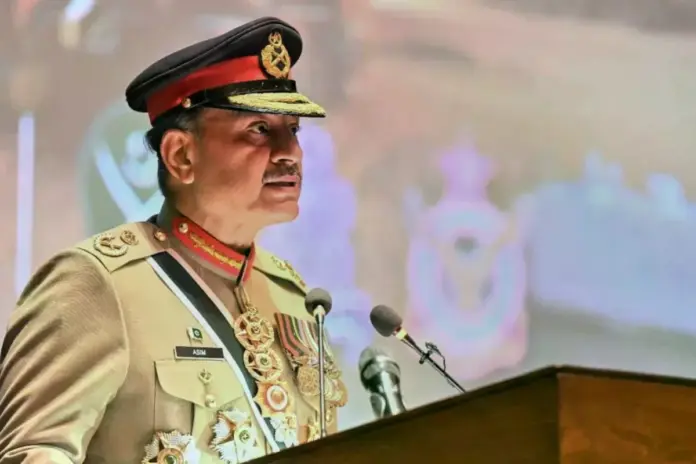
Menace on Cards! Asim Munir Gains Sweeping Command Powers, Pakistan on Course to Destruction ?

Asim- Munir
Google

Pakistan’s military chain of command structure has undergone some serious changes after the National Assembly passed critical bills on military leaders and nuclear management. These changes have left Asim Munir as the key player in the changing military command chain in Pakistan. The aim of these changes in the legislation is the reform of the structure and command of the armed forces in the country as well as the nuclear forces in Pakistan.

Asim Munir as the Dominant Player

As per the new structure, Asim Munir can become one of the dominant players in the military command chain of Pakistan. The process has generated discussions regarding the centralization of the military authority and its impact on Pakistan’s political structure. Some might see the restructuring as a process to establish clarity in the command chain, whereas others might argue against it.

Nuclear Oversight Increases the Problem

Since the reforms are related to strategic and nuclear command, the developments become even more important. Nuclear weapons have always been an essential part of the regional security architecture; hence, any changes in the oversight regime may attract worldwide attention. The new laws go beyond being just a military reform since they may affect Pakistan’s civil-military relations and perception of its strategic decision-making process.

Is Pakistan Really on Its Way to Destruction?

To call the recent reforms the straight path to the destruction of Pakistan would be just an assumption, not a fact. Whether it would be or not will highly depend on how the powers will be used and on the response from Pakistan’s political and military authorities. Now, the recent developments signal a big shift in Pakistan’s command system. Since Asim Munir will get an increasingly influential position in the military, discussions about military power, accountability, and future prospects for the country will most likely continue.

Onam and Durga Puja Sweetness Under Threat As Sugar Prices Surge, Govt Allows Zero-Duty Raw Sugar Imports

Sugar- Prices
Google

Sugar prices in India have surged to their highest level in 16 years, putting pressure on households just as Onam and Durga Puja celebrations approach. Spot sugar prices touched around Rs 5,530 per quintal, while retail rates climbed to Rs 52.30 a kg, up sharply from Rs 46.34 a year earlier. With both festivals built around sweets and prasad, the timing has made the price spike hit especially hard.

What Is Driving The Price Rise

The shortage traces back to tight domestic stocks. Consumption during the 2025-26 sugar season has outpaced production, worsened by export quotas of nearly 2 million tonnes approved earlier in the year when supply signals were already weakening. Mills reportedly struggled to meet monthly domestic sales quotas as early as March, but corrective steps came only months later.

Government Steps In With Duty-Free Imports

To ease the crunch, the Centre has allowed imports of up to 1 million tonnes of raw sugar completely free of duty, a levy that otherwise stands at 100 per cent. The window remains open until October 31, 2026, covering the peak of the festive buying season. This marks the first time since 2016-17 that India has permitted duty-free raw sugar imports.

What This Means For Consumers

The move is aimed at increasing supply quickly enough to cool prices before Onam and Durga Puja demand peaks. Industry watchers expect some relief in the coming weeks, though the full price impact will depend on how fast imported stock reaches the market and whether monsoon and global supply pressures ease further.

Punjab Touches Another Milestone With Three More Successful Liver Transplants At Government-Run Institute In Mohali: Dr. Balbir Singh

Balbir Singh

Punjab has achieved a significant feat in advanced public healthcare with three successful liver transplant surgeries performed within a single week at the Punjab Institute of Liver and Biliary Sciences (PILBS), Mohali. The achievement marks a major step forward in the State’s efforts to build advanced transplant capabilities within its government healthcare institutions.

Addressing the media at PILBS, Health and Family Welfare, Medical Education and Research and Higher Education Minister Dr. Balbir Singh said, “The successful completion of three liver transplants in one week was a matter of immense pride for Punjab and reflected the commitment of the CM Bhagwant Mann Government to making high-end super-speciality healthcare accessible to the people through government institutions.”

The Health and Family Welfare Minister, “The successful completion of three liver transplants in a single week at PILBS is a matter of immense pride for Punjab. It reflects the commitment of the Bhagwant Mann Government to ensuring that people can access advanced and super-speciality healthcare through government institutions.”

The three recent transplant cases also carried deeply emotional stories of family bonding and sacrifice. A wife donated a part of her liver to her husband, a mother donated to her daughter, while a son donated to his father. “These cases are not only stories of medical success but also of love, sacrifice and family bonding. A wife donated to her husband, a mother to her daughter and a son to his father. Such acts of selflessness give new hope and a new lease of life to patients suffering from serious liver ailments,” said the Minister.

With these three latest procedures, PILBS Mohali has now successfully performed a total of five liver transplants, marking a significant achievement for Punjab’s public healthcare system.

PILBS To Act As Hub For Liver Transplant Services

The Health Minister announced that the State Government was working on a comprehensive model to expand liver transplant services across Punjab. “We are working on a hub-and-spoke model for liver transplant services across Punjab. PILBS Mohali will function as the principal hub, while the Government Medical Colleges will serve as spokes for patient identification, evaluation, referral and post-transplant care closer to their respective regions,” he added.

He said the State Government was also strengthening organ transplant and related infrastructure across its government medical institutions, with all four Government Medical Colleges being developed to support the organ transplantation ecosystem. “We are strengthening the organ transplant ecosystem across our government medical institutions. All four Government Medical Colleges are being developed to support these services so that patients can receive timely and specialised care closer to home,” said the Health Minister.

Renal Transplant Services To Begin Soon

Minister Dr. Balbir Singh further announced that renal transplant services would be launched at Mohali and Patiala in the coming days, expanding the availability of advanced transplant care within Punjab’s government healthcare system. “Renal transplant services will also begin soon at Mohali and Patiala. This will further expand the availability of advanced transplant care within Punjab’s government healthcare system,” he added.

The Minister applauded the dedicated team led by PILBS Director Dr. Virendra Singh for its professional commitment and concerted efforts in successfully undertaking these specialised surgeries at PILBS, Mohali. “I congratulate Director PILBS Dr. Virendra Singh and the entire team for their dedication, professionalism and coordinated efforts. These achievements show that Punjab’s government hospitals and institutes are steadily developing the expertise and infrastructure needed to undertake complex medical procedures of the highest order,” he added.

Growing Patient Services At PILBS

Giving details of the institute’s expanding services, Dr. Balbir Singh said 239 FibroScans were conducted at nominal charges during August, besides treatment and care being provided to 139 indoor patients. He said, “The addition of 170 beds will further strengthen PILBS and enable it to provide specialised liver and biliary care to a larger number of patients. We will continue to strengthen infrastructure, manpower, equipment and specialised services at our government hospitals and institutes so that quality healthcare reaches every section of society.”

Minister Dr. Balbir Singh said the State Government would continue to strengthen the public healthcare system and build specialised medical capabilities within government institutions, with a focus on ensuring that patients in Punjab have access to advanced treatment without having to depend on facilities outside the State.


AAP MLA Kuldeep Dhaliwal Meets J&K LG Manoj Sinha, Urges Construction of Dam on Ujh River to Protect Punjab’s Border Areas from Floods

Punjab news

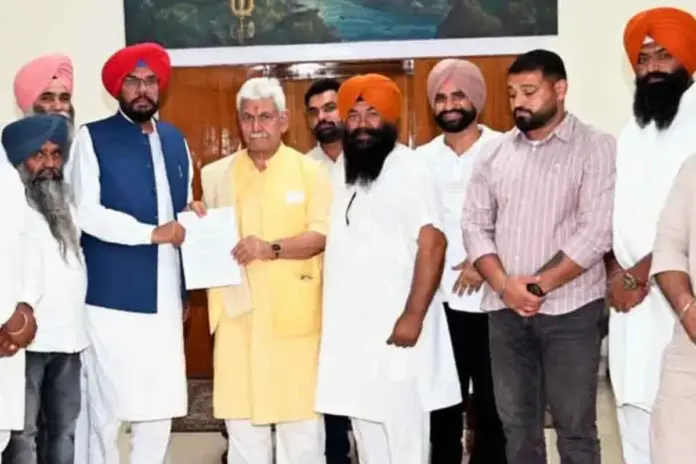
Aam Aadmi Party (AAP) MLA from Ajnala, Kuldeep Singh Dhaliwal, on Thursday met Jammu & Kashmir Lieutenant Governor Manoj Sinha and submitted a memorandum seeking a permanent solution to the problem of severe floods that occur during the monsoon in Punjab’s border districts of Pathankot, Gurdaspur and Amritsar, particularly in the Ajnala sub-division. During the meeting, MLA Dhaliwal strongly demanded the construction of a dam on the Ujh River, which would help regulate the flow of the river and save Punjab from the devastation caused by recurring floods.

Addressing the media after his meeting with the Lieutenant Governor, MLA Kuldeep Singh Dhaliwal said that due to Ajnala and the surrounding areas being situated downstream of the Ujh River, the region faces severe devastation during the monsoon due to sudden rises in water levels and heavy rainfall.

Referring to the unfortunate floods that occurred after 1988, in 2023, 2025 and this year in 2026, he said that floodwaters submerge agricultural land, destroy crops and cause severe damage to roads, schools, hospitals and other infrastructure. In addition, connectivity routes for BSF and Army personnel deployed along the border are disrupted, which is also a matter of concern from the perspective of national security.

He also emphasised that the state government spends substantial funds every year on emergency flood relief, strengthening the river embankments and improving the drainage system, but these measures are only temporary. A permanent solution to this serious problem is possible only by constructing a dam on the Ujh River and ensuring proper management of the water.

MLA Dhaliwal appealed to Lieutenant Governor Manoj Sinha to raise this extremely important issue with the Prime Minister and the Union Jal Shakti Minister. He demanded that a Detailed Project Report (DPR) and feasibility study be prepared for the construction of a dam at a technically suitable location. He said that the project would not only help control floods and store excess monsoon water, but would also boost hydroelectric power generation, tourism and the local economy.

ASAP Announces Adil Brar as Presidential Candidate for Panjab University Student Elections

Punjab news

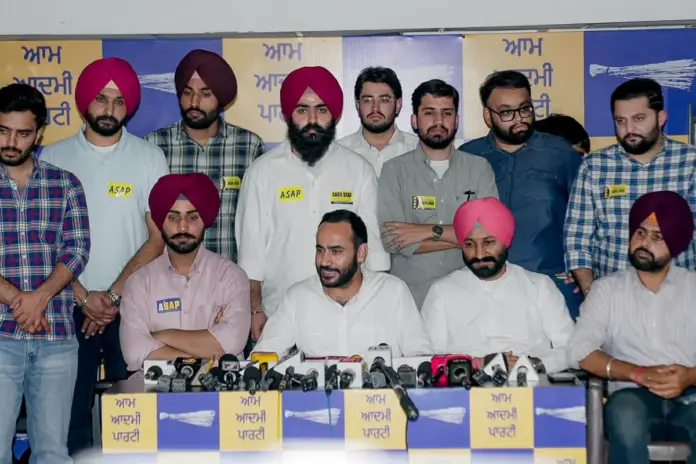
The Aam Aadmi Party (AAP)’s student wing, ASAP (Association of Students for Alternative Politics), on Thursday announced Adil Brar as its candidate for the post of President in the upcoming Panjab University student elections. AAP MP Gurmeet Singh Meet Hayer and MLA Amritpal Singh Sukhanand announced his candidature, highlighting his long-standing involvement in student rights and activism.

On this occasion, AAP MP Gurmeet Singh Meet Hayer said, “AAP has always encouraged student activism and participation in public life. Over the past 10–12 years, politics in the country has often focused on dividing people on the basis of religion and caste. But today, the younger generation is increasingly raising its voice on issues concerning education and the future of the country.”

Congratulating the country’s Gen Z youth, the AAP MP said, “The recent large-scale youth mobilisation is a significant development because young people from different communities are coming together and raising their voice on issues related to education and their future. I congratulate the country’s Gen Z youth for making their voice heard.”

Announcing Adil Brar as ASAP’s presidential candidate, Meet Hayer said, “Adil Brar had remained consistently active in raising student issues, including during the Senate protest. He has been actively involved in the Senate protest and has earned the distinction of becoming the youngest Departmental Representative (DR) of the Law Department. I am confident that he will strongly represent the voice of Panjab University students.”

Meanwhile, MLA Amritpal Singh Sukhanand said, “Education has emerged as one of the biggest political issues in the country, and ASAP candidates have consistently participated in student protests and raised issues concerning students. Adil Brar is the most capable candidate for the post of President. He has previously served as a DR after securing the highest number of votes, which reflects the confidence students have placed in him.”

MLA Amritpal Singh Sukhanand said students at Panjab University directly faced several internal issues that needed urgent attention. “The tragic death of a student named Jyoti also highlights the need for greater accountability and sensitivity within the university system. Cleanliness and several other ground-level concerns remain important issues for students, and ASAP’s candidates are well aware of these problems.”.

Presidential Candidate Adil Brar stated, “I thank the party leadership and ASAP for reposing their trust in me and giving me the responsibility of contesting the presidential election. Education and sports will be the two key pillars of my campaign. I will work to ensure that the genuine concerns of students are raised and addressed.”

ASAP leaders said the organisation would continue to strengthen student activism and work towards making Panjab University a better academic and sporting environment for students.

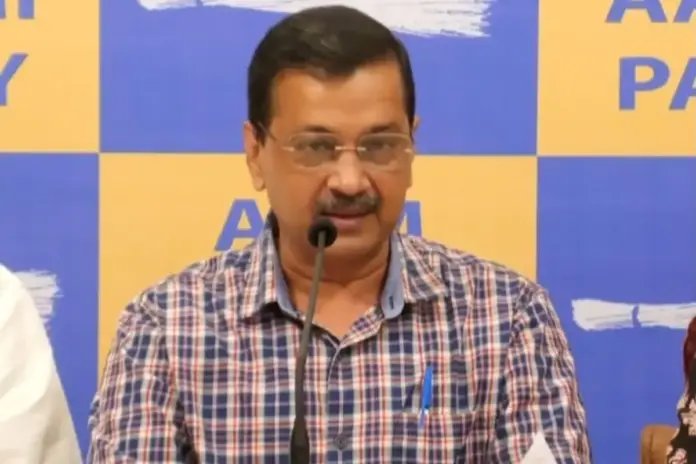
Sugar Prices Rise by ₹20 in 17 Days Due to Diversion of Sugarcane for Ethanol Production: Arvind Kejriwal

Arvind Kejriwal

Aam Aadmi Party (AAP) National Convenor Arvind Kejriwal has called out the Modi Government’s policy decisions for the sharp rise in sugar prices across the country. He revealed diverting sugarcane towards ethanol production reduced sugar output, pushing sugar prices up by ₹20 per kg in just 17 days. The government had promoted ethanol blending in petrol to save foreign exchange spent on oil imports, but the situation has now reached a point where the same foreign exchange may have to be spent on importing sugar. The AAP Chief questioned the government’s decision-making, asking, “Is this a government or a joke? A government fully made of uneducated people.”

In a video message, AAP National Convenor Arvind Kejriwal said, “It seems as if the Modi Government is a government of completely uneducated people. They do not even know what decisions they are taking and what their consequences will be. They diverted sugarcane cultivation towards ethanol production and started blending ethanol with petrol.”

The AAP Chief continued, “They said this would save petrol and foreign exchange, which we spend on importing oil from other countries. By diverting sugarcane towards ethanol production, the country has faced a severe shortage of sugarcane and sugar. Due to the shortage of sugar, its price has increased by ₹20 per kilogram in the last 17 days. Sugar that was ₹46 per kilogram 17 days ago is now ₹65 per kilogram.”

Arvind Kejriwal stated, “Our country used to export sugar, but now it is planning to import it. Ethanol was produced to save foreign exchange spent on oil, and now we will spend that same foreign exchange importing sugar. On one hand, people’s vehicles are being damaged and their mileage is falling because of ethanol-blended petrol, while on the other, people are now having to buy expensive sugar.”

“The government takes decisions, but they do not even know what their consequences will be. When sugarcane was diverted towards ethanol, they should have thought about where the sugar would come from if so much sugarcane went into ethanol production. I do not understand, are all the people from top to bottom in the Modi Government uneducated,” he pointedly asked.

The AAP Chief asserted, “None of the decisions they have taken so far has benefited the country. During demonetisation, many people across the country died. When COVID came, instead of supplying oxygen cylinders to people, they were asked to bang thalis.”

Arvind Kejriwal pointed out, “It seems as if the entire government is full of uneducated people. But the fault is ours because we voted for these uneducated people and put them in those positions, even though they have no sense. They do not know how to run a government, and we are the ones suffering.”

From Singapore to Punjab, Powered by Permaculture

Punjab news

Amninder Nagra’s three-acre farm is more than a personal experiment; it is a living example of how working with soil, water and biodiversity can reshape the way we grow food-an idea at the heart of the first-ever National Conference on Permaculture to be held at The Art of Living International Center in the august presence of the global spiritual master and humanitarian Gurudev Sri Sri Ravi Shankar who is the inspiration and guide behind the permaculture movement, between 22-23 August 2026.

Not many people get to turn a childhood dream into reality. Amninder Nagra considers herself fortunate to be one of them.
“I always had this thought of growing my food naturally on my farm, despite not being from a farming family,” she says.
Though she grew up in Punjab, Amninder settled in Singapore after marriage, and her farming aspirations took a back seat. The lockdown brought an unexpected change. Stuck in India, she enrolled in online permaculture courses and began learning how farms could work with nature rather than against it. The experience strengthened her desire to own land and grow her own food.
Permaculture: Farming With Nature
Permaculture is built around the idea of creating sustainable farming systems by observing nature’s patterns. It brings together soil, water, plants, trees and other elements to create a productive ecosystem.
Amninder’s journey is part of a larger shift in how people are beginning to think about food, farming and their relationship with nature. The global spiritual leader and humanitarian Gurudev Sri Sri Ravi Shankar has played an important role in taking permaculture beyond the perception that growing one’s own food is a pursuit reserved for the affluent or upwardly mobile. Through a simple, accessible programme, he has helped make its principles learnable and practicable for anyone-from urban homes and terraces to rural farms.
The relevance extends far beyond growing food. Permaculture can help conserve precious natural resources by restoring soil health, reducing dependence on chemical inputs, improving water retention and replenishment, supporting cleaner water sources and healthier air, and turning what is usually treated as waste-kitchen scraps, dry leaves and other organic matter-into valuable inputs for the soil. It connects food, health and environmental stewardship into one living cycle, making sustainable agriculture a practical possibility rather than a distant ideal.
Amninder saw its relevance even in her Gurugram home, where she could only practise terrace gardening.
“When I learnt permaculture, I found that even my kitchen waste and dry leaves that I would collect from nearby parks played such a vital role in increasing the fertility of my terrace soil,” she says.
Her experiment grew into a three-acre farm in Dasuya, Hoshiarpur, Punjab. She bought the land in 2020-21 and became a full-time farmer in June 2023 after returning from Singapore.
“My farmland had only a small jungle at the time of purchase. We implemented a full-fledged agro-forestry model only after coming back to India,” she says.
Today, the farm has around 1,000 trees, including 32 varieties of fruit trees and two types of timber trees. Amninder has planted them in 25 rows, leaving a 36-foot gap between rows to grow grains and vegetables.
The arrangement allows different plants to share resources while supporting soil health and biodiversity. Trees also help hold the soil together, regulate water flow, and create conditions for beneficial insects and microorganisms.
However, keeping weeds under control without chemical weedicides was difficult. Labour costs in Punjab added to the challenge.
“My knowledge of permaculture came to my rescue. I applied mulching that helped me control weeds,” she says.
Water management is another part of the system. Trenches help rainwater move naturally through the farm, allowing it to seep into the soil and support crops while reducing dependence on groundwater.
The farm now produces fruits, vegetables, and grains mainly for the family, with some produce sold locally.
A Farm That Serves More Than One Family
The Nagra family grows Sona Moti wheat, basmati rice, corn, masoor, white and black chana, and lobia. Their farm meets about 98% of their vegetable needs. Turmeric, fennel, ajwain, cumin, coriander, and soybeans are also grown.
Around five to six neighbouring families buy turmeric and wheat flour from them.
“Since we’re present in the area, it’s only right that those around us benefit too,” says Amninder.
That belief led to another experiment. During Diwali a couple of years back, she encouraged local women to prepare alsi pinnis using homegrown ingredients and desi cow ghee as corporate gifts. Ingredients were sourced from local farmers and dairy owners. The initiative generated Rs 2 lakh in revenue.
They plan to scale it up this Diwali.
Amninder’s experience also reflects a larger question facing people interested in sustainable farming: how can such practices become financially viable rather than remain a hobby?
That question will be among those explored at the first-ever National Conference on Permaculture 2026, to be held from 22 to 23 August, and will bring experienced practitioners and aspiring farmers together. Sessions will address practical challenges such as acquiring land, understanding legal requirements, accessing subsidies, developing farms, restoring soil and creating sustainable sources of income.
The conference will also focus on farmers who have already moved towards non-chemical agriculture. In its maiden year, the conference has supported the journey of 29 natural farmers from Chhattisgarh who will attend the event, connect with technical experts, receive guidance, network, and explore potential markets.
For Amninder, the goal is closer to home.
“We’ve proven that without synthetic fertilisers or pesticides, robust, healthy food is possible. Now, we want to scale this up and inspire others,” she says.

Fazilka Police Arrests 1,331 In 924 NDPS Cases During Yudh Nashean Virudh Campaign

Punjab Police

Cracking down heavily on drug trafficking, Fazilka District Police has arrested 1,331 accused persons in 924 cases registered under the Narcotic Drugs and Psychotropic Substances (NDPS) Act during the last eight months of the Yudh Nashean Virudh campaign.

The sustained crackdown led to the recovery of 41.124 kg of heroin, 3.85 gm of crystal methamphetamine, 6.503 kg of opium, 42 gm of charas, 250.537 kg of poppy husk and 15,843 intoxicating capsules/tablets. A total of 38 vehicles used in drug trafficking have also been impounded.

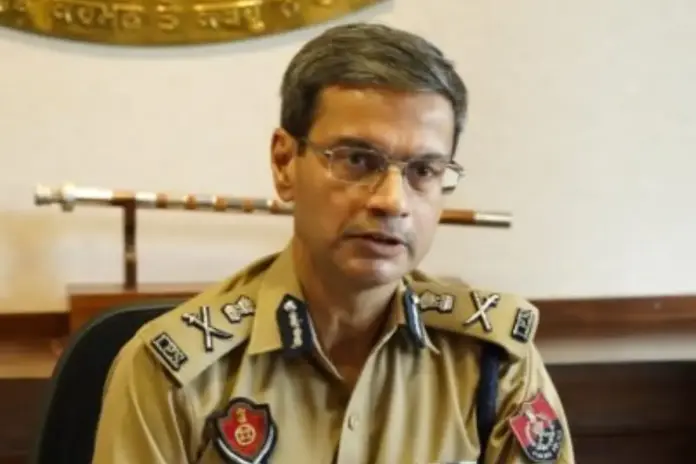
On this, DGP Punjab Police Gaurav Yadav stated, “In the Yudh Nashean Virudh campaign, Fazilka Police has recorded significant success against drug trafficking and abuse. Alongside enforcement, due emphasis has also been laid on rehabilitation. A total of 252 persons have been admitted to De-Addiction Centres, while 1,809 have been referred to Outpatient Opioid Assisted Treatment (OOAT) Centres. As many as 141 persons have also been covered under Section 64-A of the NDPS Act.”

The district police has also made significant progress under Gangstran Te Vaar, with several associates of gangsters linked to different gangs identified and arrested. “The identified and arrested accused persons are being kept under continuous surveillance to curb organised crime. So far, 10 cases have been registered under the Arms Act and 15 accused have been arrested. The recoveries include 25 pistols, one country-made pistol, 32 magazines, 52 live cartridges and three drones,” said SSP Fazilka Gagan Ajit Singh.

As part of its community outreach efforts, Fazilka Police has conducted 99 Project Sampark meetings and 334 anti-drug awareness camps and seminars. These initiatives aim to encourage public participation, spread awareness about drug abuse and strengthen police-community relations. Awareness sessions have also been held to sensitise the public about the 1930 helpline and the cybercrime.gov.in portal for timely reporting of cybercrimes.

The district police has adopted a proactive, intelligence-led policing model for round-the-clock public safety. Twenty-one Emergency Response Vehicles (ERVs) linked to the 112 helpline, manned by 102 police personnel, along with five PCR motorcycles with 10 personnel, have been deployed in day and night shifts. Seven permanent night checkpoints have also been established at strategic entry and exit points of the district, where 39 police personnel are deployed. The checkpoints are barricaded and regularly inspected by senior officers.

Robust traffic enforcement has resulted in 23,804 challans being issued, 921 vehicles being impounded and 173 cash challans issued, with fines amounting to ₹1,70,600. Preventive policing measures have also resulted in 976 persons being detained and 545 persons being bound down, further strengthening law and order across the district.

The police is also making extensive use of technology to strengthen investigations and enforcement. The Punjab Artificial Intelligence System (PAIS) is being used for identity verification, while the VAHAN database facilitates instant vehicle verification during nakas and search operations. A Digital Forensic Laboratory has also been established for the forensic examination of seized mobile phones, electronic devices and other digital evidence.

“CCTV surveillance and technology-driven intelligence have further enhanced crime detection, investigation and operational efficiency. NATGRID and open-source applications such as Anveshak are being used to trace and locate criminals. Absconding murder convict Sandeep Tomar was successfully traced and arrested from Madhya Pradesh with the help of NATGRID. The system has also assisted police operations against cross-border drug-smuggling networks in 2026,” added the SSP.

In the crackdown on cross-border smuggling, 16 cases have been registered and 11 accused persons arrested. The arrests led to the recovery of 26.822 kg of heroin, one pistol, five magazines, 13 live cartridges and one drone.

Jharkhand Tourism Highlights Devotee Rush in Deoghar During Shravan 2026

Hemant Soren

As the holy month of Shravan begins, Deoghar in Jharkhand has once again taken on a distinctly spiritual atmosphere, with devotees arriving to seek the blessings of Baba Baidyanath.

Jharkhand Tourism Highlights Devotee Rush

The Jharkhand Tourism department highlighted the festive atmosphere in Deoghar through a social media post, describing the city as being immersed in devotion to Baba. The post noted the widespread chants of “Bol Bam” and “Har Har Mahadev” as pilgrims make their way towards the temple.

Devotee Rush in Deoghar During Shravan 2026

Shravan is considered an especially significant period for devotees of Lord Shiva. During the month, large numbers of pilgrims travel to Deoghar to offer prayers at the revered Baba Baidyanath Dham, one of the prominent Shiva pilgrimage sites in India.

The arrival of pilgrims brings a vibrant atmosphere to the temple town, with devotees undertaking the journey as part of their religious observances. Saffron-clad pilgrims and chants of “Bol Bam” are among the defining sights and sounds associated with the annual Shravan pilgrimage.

The tourism department’s post, shared with the hashtags #BabaDham, #BolBam and #Shravan2026, showcased Deoghar’s spiritual character during the pilgrimage season.

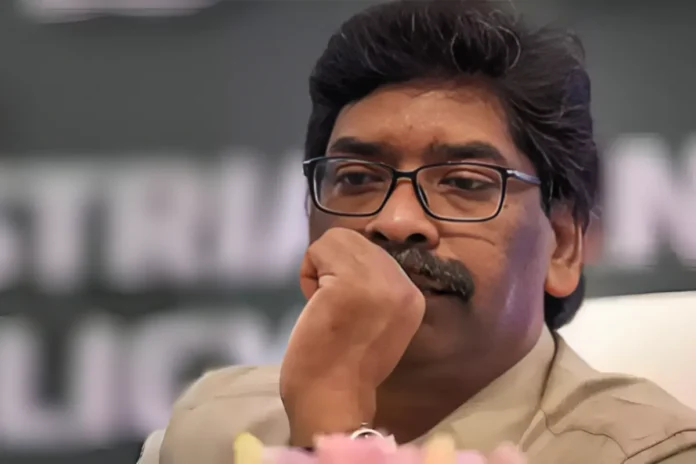
The post also tagged Jharkhand Chief Minister Hemant Soren, highlighting the state’s focus on promoting its religious and cultural tourism destinations during the Shravan period.

With Deoghar attracting pilgrims from different parts of the country, the Shravan season remains an important period for Jharkhand’s religious tourism landscape. The annual pilgrimage combines faith, tradition and a strong sense of community, making Baba Baidyanath Dham one of the state’s most prominent spiritual destinations.

Harjot Bains Flags Off Pilgrims’ Bus Under Punjab CM Bhagwant Mann Tirath Yatra Scheme

Bhagwant- Mann
Google

Punjab Cabinet Minister Harjot Singh Bains on Thursday flagged off a bus carrying pilgrims from Dabkhera Lower in Rupnagar under the Punjab government’s Chief Minister Tirath Yatra Scheme.

Harjot Bains Flags Off Pilgrims’ Bus Under Punjab CM Bhagwant Mann

According to a post shared by the Aam Aadmi Party’s Punjab unit, Bains was present to see off the devotees as they embarked on their journey to visit important religious and sacred places.

On the occasion, the cabinet minister extended his best wishes to the pilgrims and prayed for their journey to be comfortable, safe and memorable. He also offered prayers for the well-being and prosperity of all people.

The initiative provides devotees with an opportunity to undertake pilgrimage

The initiative provides devotees with an opportunity to undertake pilgrimage journeys with organised travel arrangements. Such programmes are aimed at making visits to religious destinations more accessible for people who may otherwise face difficulties arranging transportation for long-distance pilgrimages.

The departure from Dabkhera Lower marks another journey organised under the state’s religious tourism and pilgrimage initiative. The participation of a cabinet minister at the flag-off event also highlighted the Punjab government’s focus on facilitating religious travel for residents.

The pilgrims expressed their gratitude to the Bhagwant Mann-led Punjab government for arranging the journey. They described the initiative as a useful step for devotees seeking to visit prominent religious places.

The scheme has remained one of the initiatives highlighted by the Punjab government in connection with providing facilities for pilgrims. Through organised bus services, devotees can travel together as a group, making the pilgrimage more convenient.

The event in Rupnagar also brought together local residents, devotees and government representatives as the bus was formally flagged off for its onward journey.

Bains wished the pilgrims a peaceful journey and called for prayers for the welfare of society. The devotees subsequently began their pilgrimage from Dabkhera Lower, carrying forward the religious journey under the state government’s scheme.

Anurag Dhanda Questions Criticism of Ajnala Road, Says BRO Comes Under Central Modi Government

Anurag- Dhanda
Google

Anurag Dhanda: A political exchange over the condition of a road connecting Ajnala and nearby villages has triggered a debate over which government agency is responsible for its maintenance.

The controversy began after Man Aman Singh Chhina posted about what he described as the “non-existent road from Ajnala to our village” and said he was looking forward to the sitting MLA losing the election deposit in the next elections.

Anurag Dhanda Questions Criticism of Ajnala Road

Responding to the post, journalist Anurag Dhanda questioned the criticism of the MLA, pointing out that the road could fall under the jurisdiction of the Border Roads Organisation (BRO).

Dhanda asked whether the critic was aware that the road comes under BRO, which is controlled by the central government. He also questioned whether the criticism of the sitting MLA was motivated by a personal grievance.

BRO Comes Under Central Modi Government

The exchange has brought renewed attention to the question of responsibility for road infrastructure in the Ajnala region.

BRO, which functions under the Ministry of Defence, is responsible for the construction and maintenance of strategically important roads, particularly in border areas. Available BRO tender documents have identified the Ajnala–Lopoke–Sohal Road under the organisation’s area of responsibility.

The issue has consequently raised questions over whether the local MLA or the central agency should be held accountable for the road’s condition.

While elected representatives can raise public concerns with the relevant authorities irrespective of which agency controls a project, determining the road’s official jurisdiction is important before assigning direct responsibility for its maintenance.

Bhagwant Mann Government Intensifies Punjab’s Anti-Drug Crackdown, 83 Smugglers Arrested

Punjab Police has intensified its campaign against drug trafficking, arresting 83 alleged drug smugglers and making significant recoveries as part of the state’s ongoing anti-drug drive under the Bhagwant Mann government.

According to the Punjab Police’s Anti-Narcotics Task Force (ANTF), authorities recovered 9.7 kg of heroin, 500 grams of opium, 325 intoxicant pills and ₹13.01 lakh in suspected drug proceeds during the latest crackdown.

Bhagwant Mann Government Focuses on Both Enforcement and Rehabilitation

The state’s anti-drug campaign is not limited to arrests and seizures. Police officials also counselled 19 individuals and encouraged them to seek de-addiction and rehabilitation treatment.

The dual approach combines action against drug supply networks with efforts to help people struggling with substance dependence access treatment and rehabilitation.

Punjab Police Continues Sustained Action Against Drug Networks

The latest arrests form part of Punjab Police’s continuing campaign against the illegal drug trade. The enforcement drive aims to disrupt trafficking networks, seize narcotics and trace the financial proceeds associated with drug-related activities.

Under Chief Minister Bhagwant Mann, Punjab has continued to place the fight against drugs among the state government’s major law-and-order priorities, alongside measures aimed at rehabilitation and prevention.

Uttar Pradesh CM Yogi Adityanath Plans Japan City Near Noida International Airport to Boost Manufacturing and Investment

Uttar Pradesh CM Yogi Adityanath has outlined plans to strengthen economic and industrial ties between Japan and the state, with the development of a Japan City near Noida International Airport emerging as a key initiative.

Uttar Pradesh CM Yogi Adityanath Plans Japan City Near Noida International Airport

The Chief Minister said Japan brings globally recognised strengths in precision, quality, technology, research and development, manufacturing excellence and the Kaizen philosophy. Uttar Pradesh, meanwhile, offers a large market, skilled and talented workforce, infrastructure, supportive policies, law and order, and ambitious development goals.

Noida International Airport to Boost Manufacturing and Investment

According to Adityanath, combining these complementary strengths could give a significant boost to Uttar Pradesh’s manufacturing ecosystem, MSME sector, talent development, research and development capabilities and logistics network.

The proposed Japan City near Noida International Airport is being positioned as a concrete step towards deepening Japan-Uttar Pradesh economic cooperation. The project is expected to create opportunities for Japanese businesses and strengthen the state’s industrial ecosystem.

The initiative also comes as Uttar Pradesh seeks to attract greater investment, expand manufacturing capacity and develop infrastructure around the Noida International Airport region.