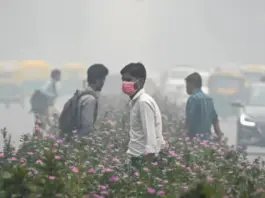
Delhi Pollution: Delhi’s newest pollution control measure, which limits non-BS-VI vehicles, has started a new argument because the metro system is overcrowded. The sudden ban was meant to improve air quality, but it has made the daily travels of thousands of workers more difficult.
What the Non-BS-VI Vehicle Ban Means
The rule keeps older cars that aren’t BS-VI from entering Delhi on days with high pollution. Officials say these kinds of vehicles give off higher amounts of harmful chemicals, which is why the move needs to be made to cut down on wintertime smog.
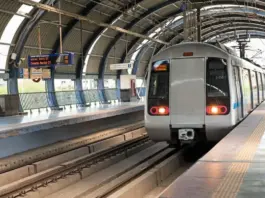
There’s a lot of traffic on the Delhi Metro
Commuters have switched to public transit since there are fewer cars on the road. As a result, during peak hours, metro trains are full, stations are crowded, and people have to wait longer. Many people who go to work say their commutes are tiring and there aren’t many choices for the last part of their trip.
Worried and Angry People
People who live there have criticised the sudden start of the ban, saying it wasn’t thought through. Without increasing the frequency of metros or bus services, commuters say the strategy just moves traffic from roads to trains.
The Position of the Government
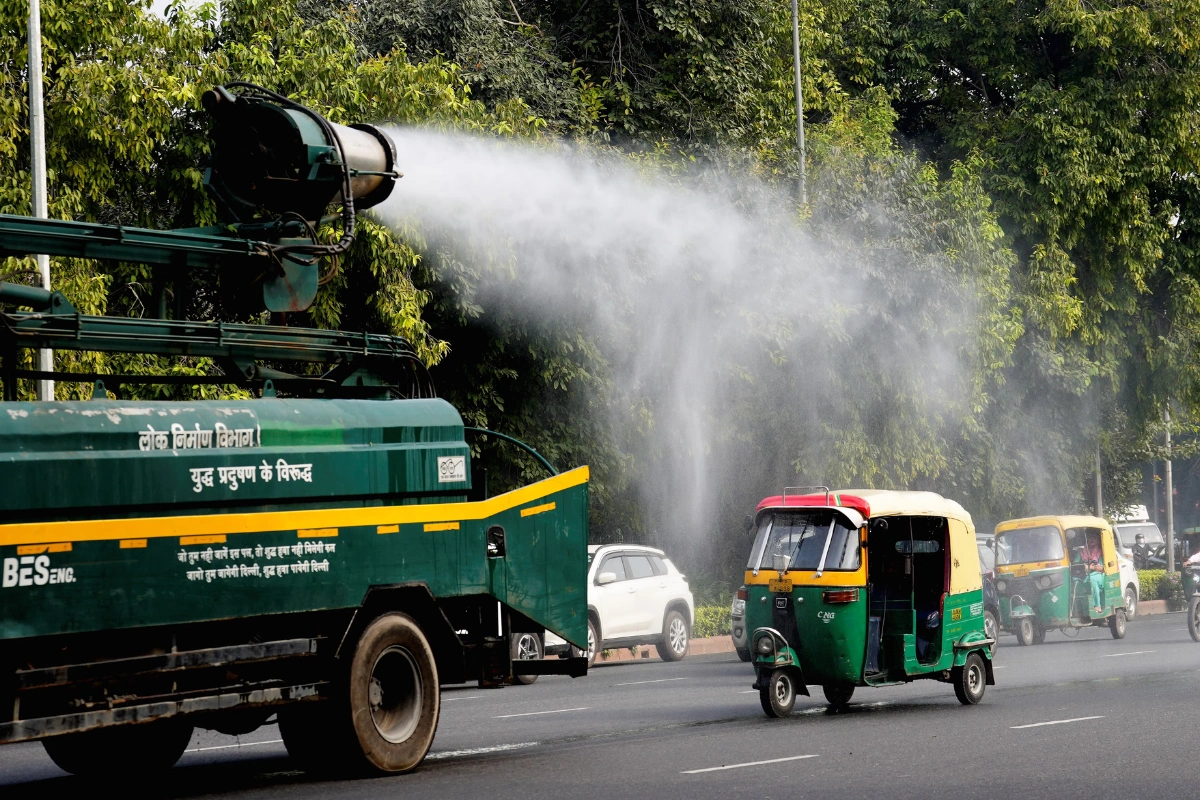
Officials stand by the choice, saying it was a short-term reaction to an emergency. They say the ban is part of a larger plan to control pollution that also includes limiting building, controlling dust, and promoting cleaner ways to get around.
Stricter pollution rules should go hand in hand with better support for public transport, according to experts. Increasing the number of metros, adding more buses, and allowing employees to choose their own work hours could reduce the stress of commuters and keep pollution down at the same time.