

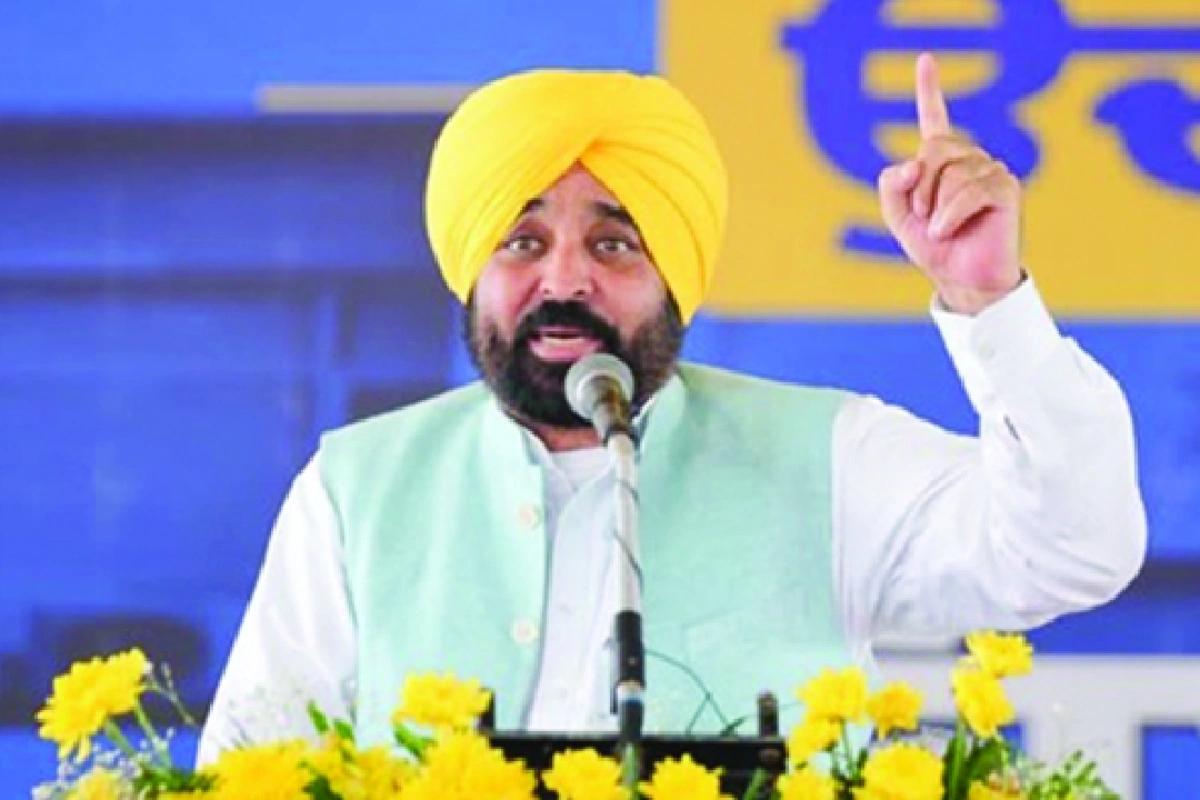
Bhagwant Mann: For three long weeks, garbage piled up on the streets of Punjab as thousands of sanitation workers, known locally as Safai Sevaks, and sewermen stayed off duty. Their strike, which began on July 8, was a protest demanding permanent jobs, better pay, and long-overdue respect for one of the toughest jobs in any city. Now, that standoff has finally ended, and clean-up crews are getting back to work.
What Led to the Breakthrough
The turning point came after a detailed meeting in Ludhiana between government representatives and union leaders. Chief Minister Bhagwant Mann’s administration agreed to major demands that had kept both sides apart for weeks. Workers who had been outsourced for three continuous years will now move to direct contracts, while those on contract for five years, including those hired back in 2021, will be made permanent. Monthly pay for contractual sanitation staff has also been raised to ₹20,520, effective from August 1.
Why the Strike Dragged On
This wasn’t a simple pay dispute. Behind the piling garbage lay a deeper issue: Punjab‘s sanitation workforce comes largely from the Balmiki community, a group that has long done this essential but undervalued work without job security. An incident of alleged police lathi-charge on protesting workers in Barnala added more anger to the mix, though officials responded by suspending the officer involved and forming a special investigation team.
What Happens Next
While the major sticking points are resolved, some smaller issues remain. Another round of talks is scheduled to iron out the remaining concerns and strengthen cooperation between the state and its sanitation workforce going forward. For now, though, garbage collection is expected to resume across cities and towns, offering relief to residents worried about hygiene and disease risks, especially with the monsoon season underway.
What This Means for Punjab
Bhagwant Mann: This resolution isn’t just about clearing garbage bins. It highlights how essential frontline workers, often overlooked, can bring a state to a standstill when their basic demands go unheard. For Punjab, restoring clean streets is only the first step. Building lasting trust with the workers who keep those streets clean is the real, ongoing task ahead.


