

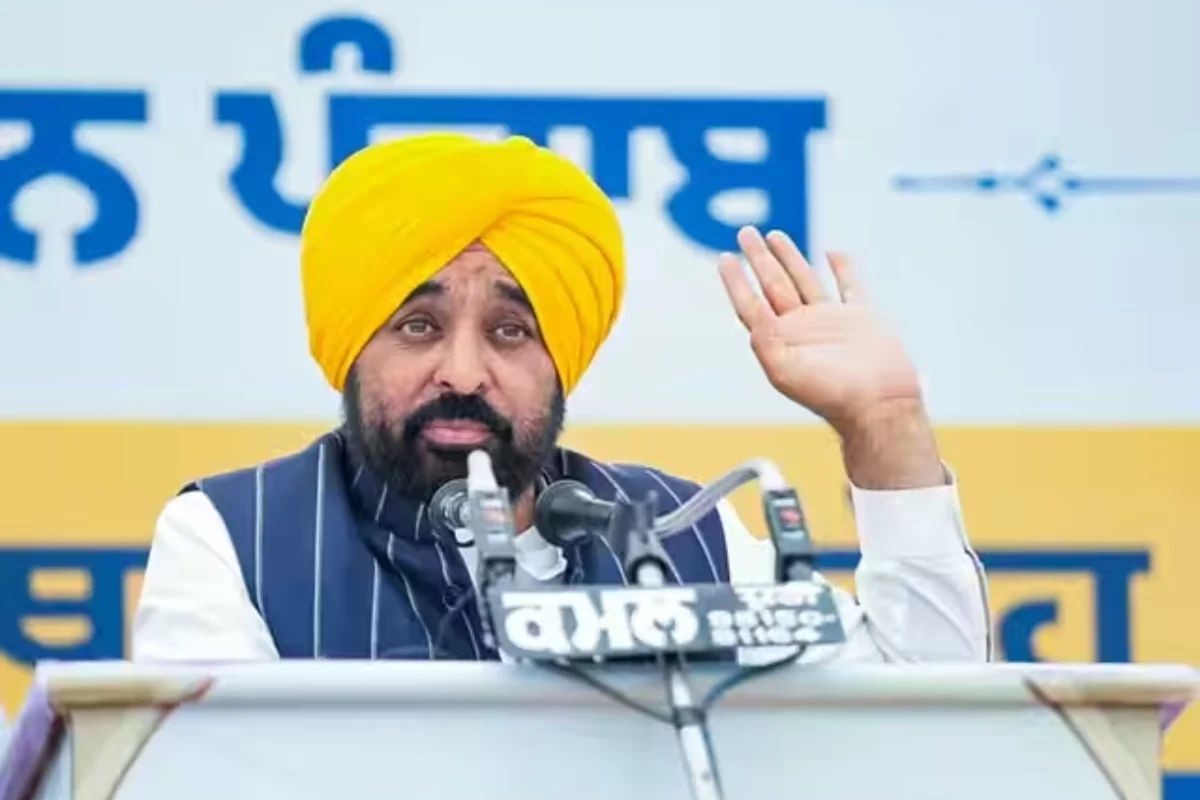
Bhagwant Mann: Punjab MLA Bhola Garewal mentioned the austerity measures of the Aam Aadmi Party government on the floor of the Assembly, emphasizing free electricity for homes, along with improving government schools under Bhagwant Mann’s leadership. “Over the course of the past four-and-a-half years of the government, we have taken several steps for the benefit of the common person,” Bhola Garewal said. He had backed all the motions moved in the Assembly. During speech, he said the relief related to electricity and education was the priority area of work of the government. The lawmaker talked about the practical impact of these steps.
Free electricity for 90% of households
Bhola Garewal said that under the Bhagwant Mann government, close to 90% of the families in the state were getting free power. “This is a welfare measure, a people’s scheme to ease the burden on families,” he said. Power costs impact the budget of many homes, and a reduction to a power bill can help eligible families in managing their budgets each month. The electricity discount benefit payable to a household varies according to the scheme rules and the household’s level of electricity consumption.
DON'T MISS
Government schools and changing enrollment trends
Garewal also commented on the state of Punjab’s government schools. He said: “I have been told by many parents who send their children to school that they’re starting to switch from private to government schools.” Enrollment in schools is a key indicator of confidence in education, but confirmed numbers would be necessary to establish the extent of any shift from private to government schools.
Bhagwant Mann’s government priorities for the welfare of the people
Garewal in the Assembly said people’s work was done by the Bhagwant Mann government for the last four-and-a-half years. He mentioned the benefits of electricity and government education as an example of the approach to government welfare approach. The debate focused on household expenditure and education issues during the Assembly session. The effectiveness of these interventions can be evaluated using data on electricity subsidies, enrollment, and achievement in schools.


