

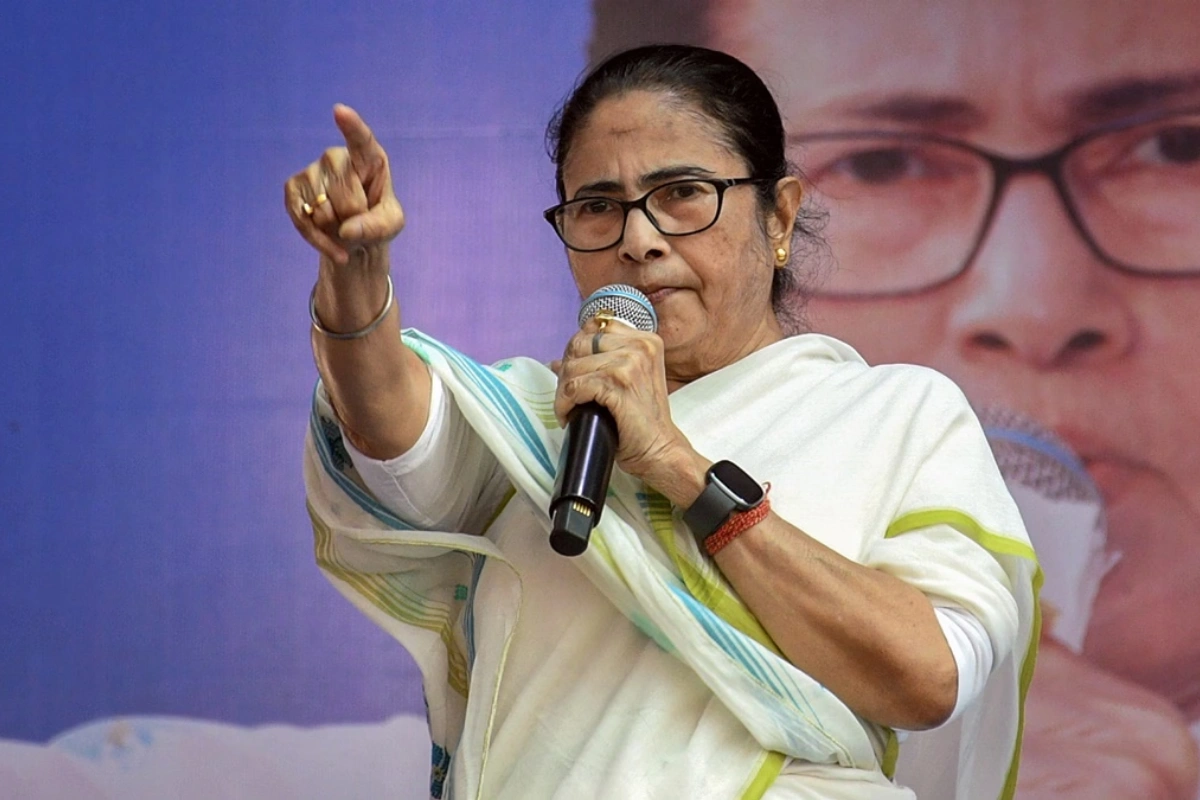
Bengal Assembly Election 2026: The Political Fight in West Bengal Goes Beyond the debate over the Uniform Civil Code and has become a major issue in the 2026 West Bengal Assembly elections. The BJP calls this law a “progressive reform” while the opposition party, led by Mamata Banerjee, Chief Minister of West Bengal, calls it could hurt Bengal’s people’s emotions, and they will lose personal rights.
DON'T MISS
Narendra Modi’s pitch for reform in West Bengal
The BJP is using UCC as a symbol of equality and gender justice, and they promise to put it into action within six months of being elected. The plan goes beyond changing the law as it combines government with welfare, as they stated.
It is no longer a doubt that in Bengal, the Janata Party is trying to get aspirational voters, young people and women who want financial stability and systemic change, to vote for them by combining UCC with promises like cash transfers, job reservations for women, and salary reforms.
TMC’s answer: Identity and Safety of People
The Trinomul Congress is strongly against the UCC story. The party says that this is an imposition that could hurt Bengal’s identity as a welcoming and secular place.
TMC is always sober and sensitive towards minority voters and is worried about changes in culture by linking to fears of central interference and demographic concerns. The main point of the message is to protect identity and keep the peace in society.
How Different Ethenic Groups of Voters Might React
Bengal Assembly Election 2026: The effect of UCC on elections is likely to be different in areas and communities. In places like Murshidabad and Malda, where minorities make up a large part of the population, the issue may lead to stronger anti-BJP consolidation.
But in cities, like the suburbs of Kolkata and parts of North Bengal, the BJP’s pitch for development and reform could work. Women and younger voters may be interested in the economic benefits.