

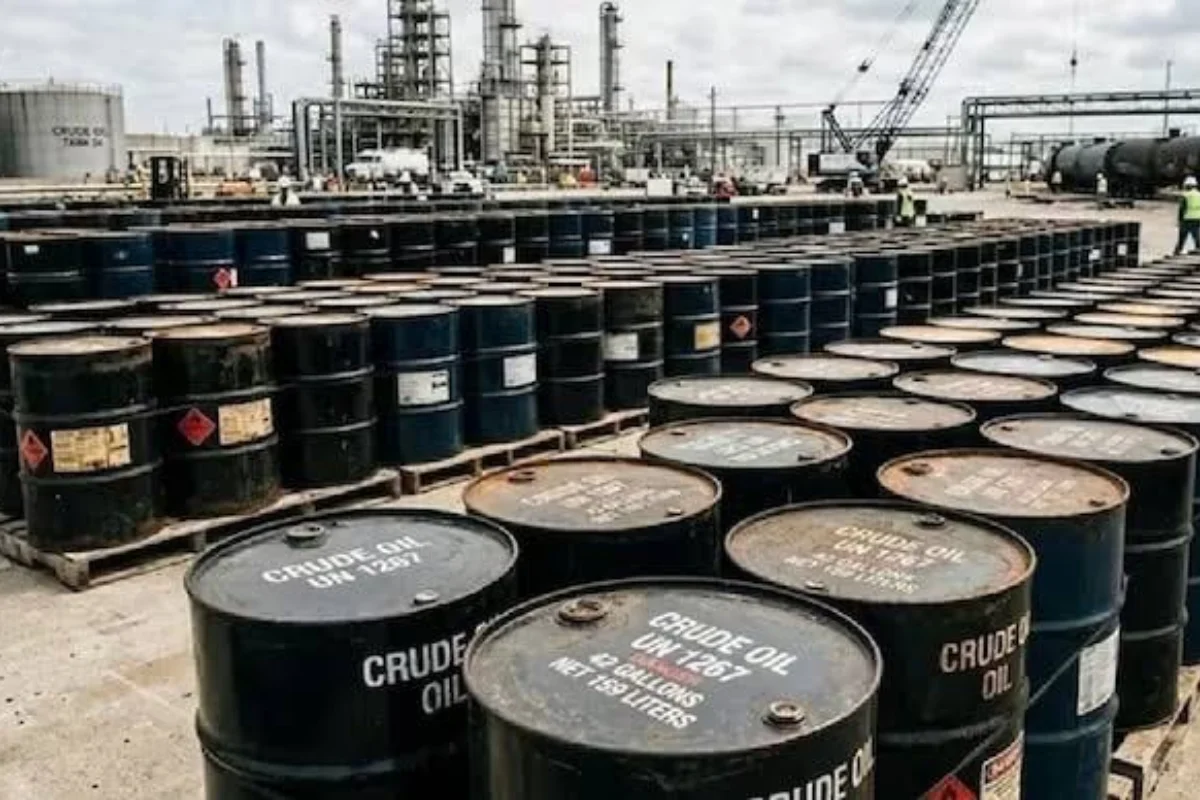
Crude Oil Price: Oil was trading at a high of more than $100 per barrel as markets weighed the prospects of improving supply from Saudi Arabia with ongoing risks around the Strait of Hormuz. Brent crude was trading at about $ 103 per barrel on September 30 with Iran-related geopolitical unrest affecting the transportation route.
Oil prices stay elevated
On Wednesday, September 30, Brent futures for November expiry were around $103.30 per barrel, while US West Texas Intermediate (WTI) crude stood at around $89.81 per barrel. Brent was also on track for a solid monthly rise as geopolitical events affected the oil markets. This occurred even as evidence mounted that oil shipments from the Gulf were recovering. The net effect was that the market was actually receiving more crude, and the security of those key shipping lanes kept prices buoyant.
DON'T MISS
Saudi supply begins to recover
Saudi Arabia has restarted its East-West pipeline from its Red Sea port of Yanbu to resume crude loadings. The pipeline is significant since it enables the kingdom to export its crude by sea without fully relying on the Strait of Hormuz. The East-West pipeline has returned to nearly 50 percent. The flows on the East-West are about 3.5 million barrels per day, with a capacity of roughly 7 million. This restarted flow has contributed to easing expectations of regional oil availability.
Hormuz remains a key risk
While Saudi exports have improved, the Strait of Hormuz continues to pose significant concerns for the world oil market. It is one of the most strategic routes of energy, and ongoing security concerns have disrupted shipping lanes. Saudi Arabia hikes crude through Hormuz. A spate of fresh outages forced Saudi Arabia to send more crude through Hormuz. Preliminary Kpler figures seen by The National showed that Saudi Arabia’s crude exports through the strait averaged 2.58 million barrels a day in September, up from about one million barrels a day in August.
Supply recovery faces disruption
Crude Oil Price: The higher exports from the Gulf area have not fully alleviated supply worries. While the exports from the Middle East have gone up, total flows are still well below pre-conflict levels.Gulf states exported an average of 15.5m barrels per day in September, just over 80% of pre-war levels, the Financial Times said. From the outset of the war, it was clear the export levels would plummet. Saudi exports have rebounded also, as ships found other routes. Nevertheless, the escalation of such attacks and commercial shipping in the region ensures that the market is now getting nervous for any other form of disturbance.


