

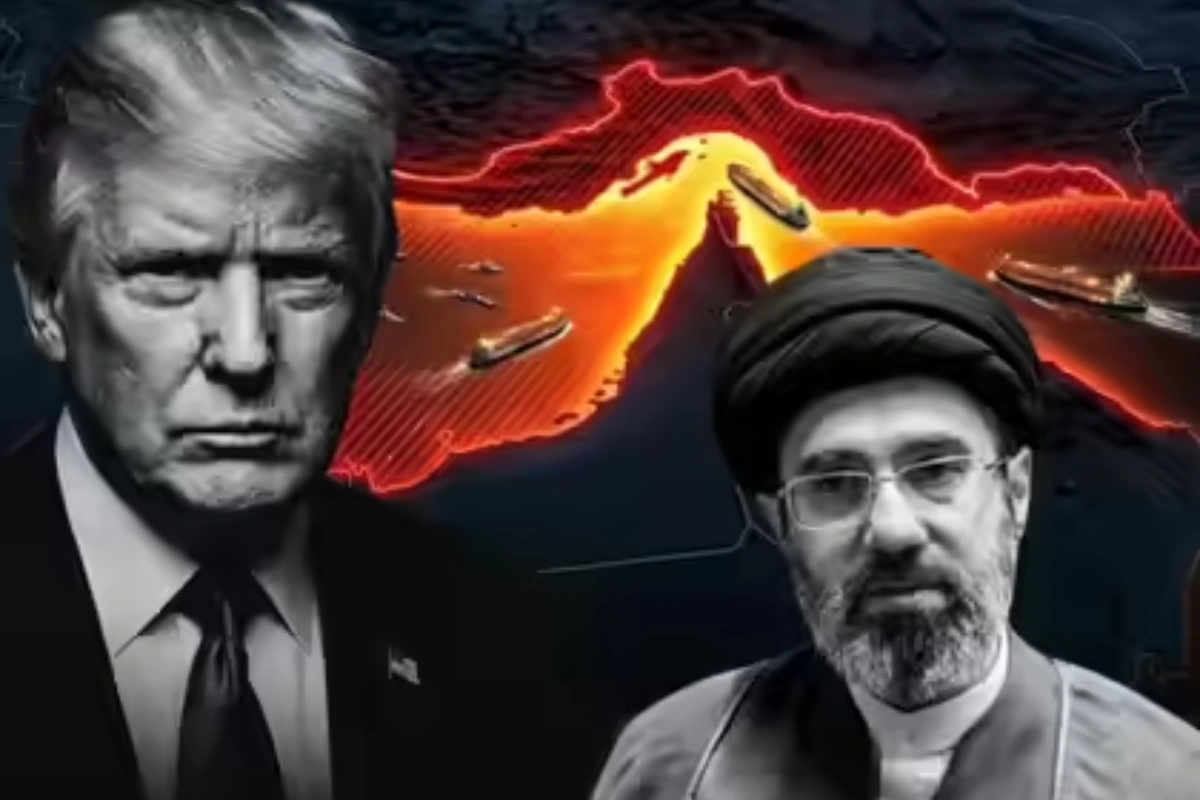
US Iran War: The US and Iran had a very important round of talks in Islamabad, but they couldn’t come to an agreement. This puts diplomatic efforts on hold.
The meeting was called a “make-or-break” one, but both sides left blaming each other. This shows that they have very different views on nuclear policy and regional security.
DON'T MISS
The nuclear issue is still the biggest problem
The deadlock is mostly because of Iran’s nuclear program. Reports say that Washington wanted a 20-year freeze on uranium enrichment and big cuts to stockpiles.
Tehran, on the other hand, only offered a temporary stop of up to five years, saying the demands were too high and unrealistic. The standoff shows that there has been a lack of trust for a long time. The US wants strict checks, but Iran wants freedom and room to move.
The Strait of Hormuz and sanctions make things worse
There were disagreements about more than just nuclear issues. Another area of disagreement was who had control and safety in the Strait of Hormuz.
The US stressed the need for safe and free passage, while Iran hinted at possible control measures, such as tolls. At the same time, the talks were made even harder by disagreements over easing sanctions and letting Iran keep its money.
Proposal Clash Blocks Diplomatic Progress
US Iran War: High-ranking officials like JD Vance were at the talks, but they quickly turned into a game of blame. The US said that Iran wouldn’t make any real promises, and Iran said that the US’s demands were too high.
This “proposal clash” has basically stopped the current negotiation framework, so it’s unlikely that any progress will be made right away unless new proposals or outside diplomatic pressure come up.
For now, the ceasefire is still in place, but it’s not very strong. Donald Trump has made it clear, though, that time is running out and that military action could happen if diplomacy doesn’t work.