

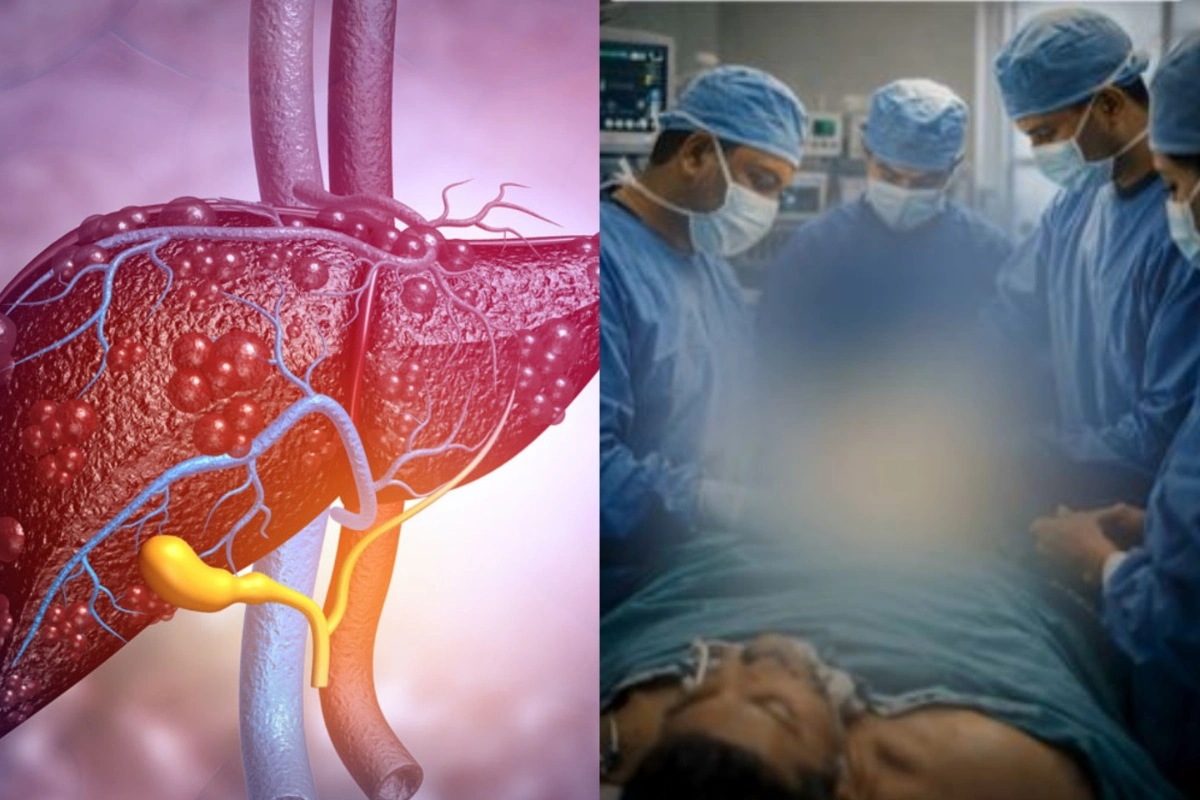
Liver diseases often develop silently, without clear warning signs in the early stages. One such serious condition is liver cirrhosis, which slowly damages the liver over time. Many people assume the liver can always recover on its own, but doctors warn that there is a stage where damage becomes permanent and life-threatening. A recent expert explanation highlights when it becomes irreversible and requires an emergency transplant.
In a detailed YouTube video, Dr Diwakar Jain explains how the liver has a powerful ability to regenerate. Even if damaged, it can repair itself like a lizard’s tail. However, this ability has limits. In liver cirrhosis, the regeneration process becomes abnormal. Instead of healthy tissue, the liver forms scar tissue. This scarring gradually reduces liver function and leads to serious complications.
Why Liver Cirrhosis Becomes Dangerous Over Time
According to Dr Jain, not every case of liver cirrhosis needs a transplant. Many patients can manage the condition with treatment and lifestyle changes. However, the disease becomes dangerous when it reaches an advanced stage where the liver can no longer function properly.
DON'T MISS
At this point, the damage is often irreversible and medical intervention becomes critical.
Key Warning Signs That Lead To Transplant
Doctors identify the need for immediate transplant in advanced liver cirrhosis through specific complications:
- Refractory ascites: Continuous fluid buildup in the abdomen that does not respond to medication
- Spontaneous bacterial peritonitis: Infection in the abdominal fluid
- Recurrent hepatic encephalopathy: Confusion, unconsciousness, or coma due to high ammonia levels
- Hepatorenal syndrome: Kidney damage caused by worsening liver function
- Liver cancer development: Cirrhosis increases the risk of cancer formation
These conditions indicate that it has reached a severe and life-threatening stage.
When Liver Cirrhosis Becomes Irreversible
Dr Jain explains that once these complications appear repeatedly, the liver’s ability to recover is lost. At this stage, it becomes irreversible, and a transplant is often the only life-saving option. Without it, the body begins to shut down gradually due to organ failure.
Early detection and regular medical follow-up are crucial to prevent it from reaching this critical stage.