

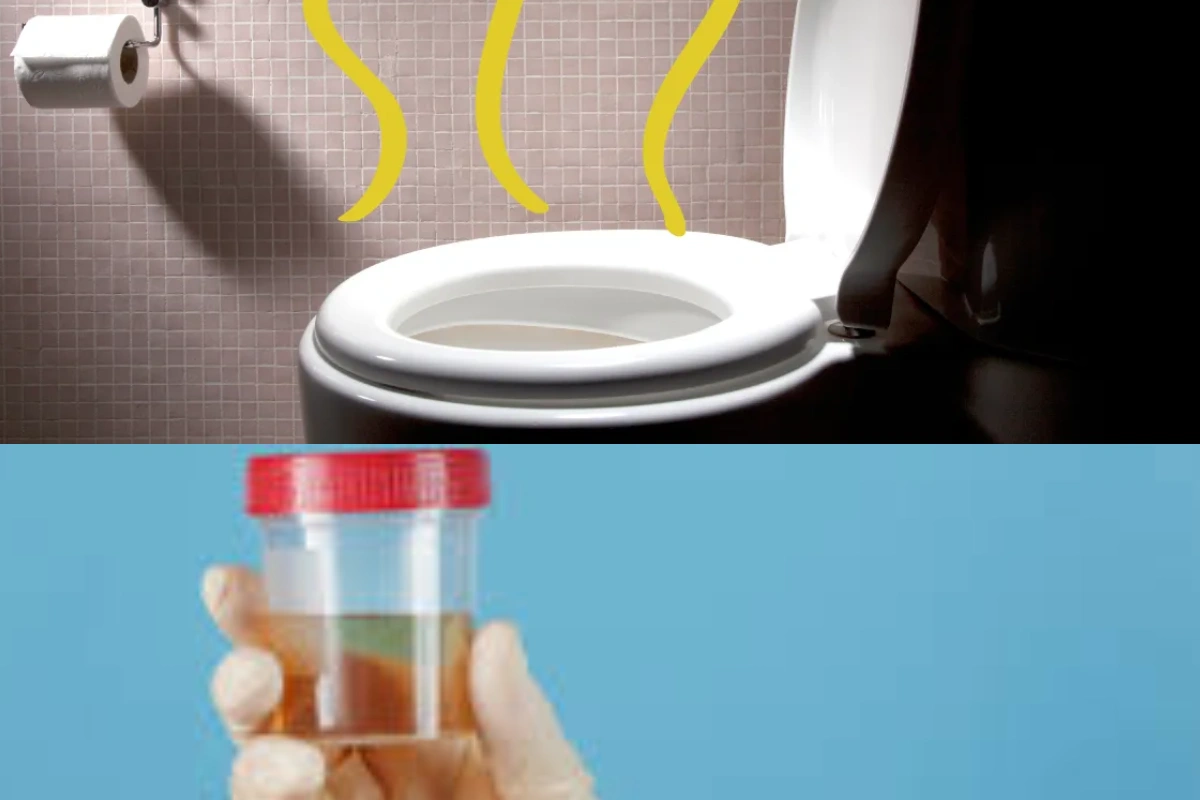

Urine Odour: Changes in urine odour can be alarming, especially when the smell becomes unusually strong, pungent or persistent. Many people immediately associate this with severe underlying illness, sometimes fearing the worst.
In reality, urine odour is influenced by a wide range of factors, from something as simple as dehydration to more complex metabolic or infectious conditions.
Urine Odour-Differences Between Harmless Causes And Warning Signs
The most frequent and least concerning cause of strong-smelling urine is dehydration. When fluid intake is low, urine becomes concentrated, leading to a stronger ammonia-like smell. This is the body’s natural way of signalling the need for more water.
DON'T MISS
Diet also plays a significant role. Certain foods such as asparagus, garlic, onions and spices can temporarily alter urine odour due to the breakdown of sulphur-containing compounds. Similarly, high-protein diets can intensify the smell because of increased urea production.
Vitamins and medications are another overlooked factor. B-complex vitamins, in particular, can produce a sharp or medicinal odour in urine. Some antibiotics and supplements may also contribute to noticeable changes. In these cases, the odour is typically short-lived and resolves once hydration improves or the dietary trigger is reduced.
When Strong Urine Odour May Indicate a Health Issue?
Although most cases are harmless, there are situations where persistent or unusual urine odour can signal an underlying medical condition.
One of the most common is a urinary tract infection (UTI), where bacteria in the urinary system produce a foul or fishy smell. This is often accompanied by other symptoms such as burning during urination, increased frequency or cloudy urine.
Liver and kidney dysfunction may lead to changes in urine composition, sometimes resulting in a musty or strong smell. However, these conditions are usually accompanied by additional symptoms such as fatigue, swelling or changes in urine colour and volume.
It is important to note that odour alone is rarely a definitive diagnostic indicator. It should always be assessed in conjunction with other symptoms and clinical findings.
Practical Tips And Precautions
- Drink sufficient water throughout the day to keep urine light in colour and mild in odour.
- Good personal hygiene and regular urination can reduce the risk of infections.
- Seek medical advice if strong urine odour is accompanied by pain, burning, fever or persistent changes in colour or frequency.
- Take vitamins and supplements as recommended, as overuse can affect urine composition and odour.
Disclaimer: This content, including advice, provides general information only. It is not a substitute for a qualified medical opinion in any way. The methods and claims mentioned in this article should be considered as suggestions only; DNP India neither confirms nor denies them. Always consult a doctor before following any such suggestions/treatments/medications/diets.