Home Blog Page 23

How To Cope With Pressure If You Fail To Clear NEET, 7 Career Alternatives Explained, Check

NEET
Google

Every year, lakhs of candidates take the NEET exam with aspirations to build their career in the medical field. But not passing NEET can be demotivating and stressful.

How to Cope With the Pressure After a NEET Setback?

1. Acknowledge your feelings

It is normal to feel disappointed or frustrated. It would be best to allow some time for processing emotions rather than keeping them bottled up.

2. Do Not Compare Yourself to Others

Every person’s academic experience is unique. Comparing your results with others will only add unnecessary pressure to you.

3. Come Up with a New Strategy

No matter whether you plan to take NEET again or change the direction completely, having a clear plan ahead will make you feel better.

7 Alternative Careers if you Fail to Pass NEET

1. Bachelor of Dental Surgery 

The dental profession is still considered the most prestigious among healthcare sectors. Dentists are very important in providing oral healthcare services and establishing their own successful practices.

2. Bachelor of Pharmacy 

One can pursue a career in the research and development of drugs, pharmaceutical companies, healthcare management, and clinical settings.

3. Bachelor of Physiotherapy 

Physiotherapists are those who assist the patients in recovering from any kind of injury, surgical operations, and other physical conditions.

4. B.Sc. Nursing

Nursing professionals form the backbone of all healthcare setups and are in high demand in India as well as abroad.

5. Bachelor of Occupational Therapy 

Occupational therapists assist patients in regaining their independence and improving their quality of life after injuries and disabilities.

6. B.Sc. Biotechnology

It is the application of technology to biological processes that opens up different avenues in research, pharmaceuticals, and genetic fields.

7. B.Sc Medical Laboratory Technology 

These professionals play a vital role in the diagnosis of diseases in laboratories through various tests.

Father’s Day Special:The Two Words That Shaped My Life: “You Can Do It”

Father's- Day
Google

There are some words in life that never leave you. They stay with you through failures, victories, uncertainty, and success. For me, those words came from my father.

Whenever I found myself struggling with a challenge, doubting my abilities, or standing at the edge of what seemed impossible, my father had a simple response. He would look at me with complete conviction and say, “I believe in you” and “You can do it.”

To the outside world, they may have sounded like ordinary words. To me, they were nothing short of magic. They carried the power to transform fear into courage and hesitation into determination. Somehow, after hearing those words, the impossible no longer felt impossible.

As I have grown older, I have come to realize that fathers often perform the most thankless role in our lives. They quietly carry burdens that their children may never fully understand. They endure struggles, disappointments, financial pressures, and personal sacrifices, yet they greet their families with a smile and an unwavering sense of strength.

They rarely speak about their pain. Instead, they focus on our dreams.

Day after day, year after year, they sacrifice their comforts so that their children can have opportunities they never had. They become our protectors, guides, teachers, and silent cheerleaders. Their love is often expressed not through grand declarations but through actions, sacrifices, and presence.

My father was no different.

Beyond his encouragement, he gave me values that continue to guide every decision I make. He taught me that success should never lead to arrogance. He would often say, “The trees that bear fruit always have their branches lowered.” It was his way of reminding me that true achievement is accompanied by humility.

He taught me to be a giver rather than a taker. He taught me to work with honesty and integrity, regardless of the circumstances. Most importantly, he taught me that dignity is non-negotiable.

“Never compromise your ethics for personal gain,” he would say. “And never allow anyone to take away your dignity. The day you sacrifice your self-respect for temporary benefits, you become hollow from within.”

Those lessons have become my compass in life. Whenever I face difficult choices, I find myself returning to his words. They continue to guide me long after he has left this world.

This Father’s Day is different for me because my father is no longer physically present. He now rests in his heavenly abode. Yet, in many ways, he has never left. His teachings live on in my decisions, his values live on in my character, and his belief in me continues to give me strength.

Every achievement I have earned carries a part of his contribution. Every milestone I celebrate is built upon the foundation he helped create. Whatever I am today, he remains the strongest pillar behind it.

I miss him deeply. There are moments when I wish I could hear his voice once more, receive his advice, or simply sit beside him and tell him about life’s journey.

But if there is one thing I know with certainty, it is that a father’s legacy is not measured by the years he spends with us. It is measured by the values he leaves behind and the lives he shapes.

Papa, wherever you are, I hope I have made you proud.

And to all fathers—those who are with us and those watching over us from above—thank you for your sacrifices, your strength, your wisdom, and your unconditional belief in us.

Sometimes, a child’s entire future is built on two simple words:

“You can do it.”

Contributed by: Adil Azmi, Mr. Azmi is a communications strategist and columnist with experience in governance, media, and corporate leadership. He writes on leadership, public policy, and social issues.

Why’s Donald Trump Meddling With Giorgia Meloni’s Popularity Ratings? Timeline Of The Bitter Public Feud Explained

Giorgia- Meloni
Google

A public war of words between former US President Donald Trump and Italian Prime Minister Giorgia Meloni has grabbed international attention.

How did the controversy start?

The controversy allegedly started after Donald Trump made certain remarks stating that Giorgia Meloni seemed to be very interested in posing next to him at various international meetings. 

Giorgia Meloni’s Strong Response

Giorgia Meloni could not stay silent about this. The Prime Minister of Italy strongly rebutted the claim that her popularity is in any way connected to any foreign politician. She reiterated that her political popularity stems from the policies she enforces, decisions that she makes, and the pursuit of Italian interests.

Timeline of the Feud

Phase 1: Friendly Political Relations

For a considerable period, both leaders were viewed as sharing common positions on issues such as national sovereignty, immigration, and conservative political values.

Phase 2: Public Remarks Trigger Debate

Tensions began to surface after Trump publicly commented on Meloni’s popularity and their interactions during international events.

Phase 3: Meloni Pushes Back

The Italian leader firmly rejected Trump’s characterization of events and defended her political standing before the public.

Phase 4: Media Attention Intensifies

International media outlets amplified the disagreement, transforming a personal political exchange into a global talking point.

Phase 5: Ongoing Public Discussion

Political observers continue to analyze whether the dispute reflects deeper differences between the two leaders or is simply a clash of personalities and political narratives.

Why Is Trump Commenting on Meloni’s Popularity?

Political analysts suggest several possible reasons behind Trump’s remarks:

  • Reinforcing his own global political influence.
  • Responding to media narratives about international conservative leaders.
  • Highlighting his role within global right-leaning political movements.
  • Shaping public perception ahead of future political developments.

What Does This Mean for Global Politics?

While the disagreement may appear personal, it highlights how modern political relationships increasingly play out in public view.

Rebellion In Mamata Banerjee’s TMC, Uddhav Thackeray’s Shiv Sena Due To ‘Lack of…,’ BJP Leader’s Explosive Remarks Create Stir

Mamata- Banerjee
Google

Mamata Banerjee: A new political discussion has started after the leader of BJP made a comparison between the internal conflicts happening in Mamata Banerjee’s Trinamool Congress party and the Uddhav Thackeray-led Shiv Sena faction. As per the BJP leader, the “lack of communication” between the party leadership and its members and representatives has been one of the major factors behind dissatisfaction within both the political organizations.

Claim Made by BJP Leader

The BJP leader said that whenever leaders become out of touch with their own representatives and workers, frustration starts emerging inside the party. As per the statement, several leaders of both TMC and Shiv Sena felt distant from the process of decision-making, thus creating conflicts within the parties.

What Is Happening Inside TMC?

According to Hindustan and other reports, the ongoing turmoil within the Trinamool Congress has been linked to complaints from some leaders who allegedly felt they were unable to effectively communicate with the party’s top leadership. 

Similarities With Uddhav Thackeray’s Shiv Sena Crisis

The BJP leader compared the current developments in TMC with the political crisis that earlier affected Uddhav Thackeray’s Shiv Sena. According to the comparison, both situations involved complaints from party members who believed their concerns were not being adequately heard by the leadership. 

Why Communication Matters in Politics?

Political parties often rely on constant interaction between leadership and grassroots workers. When elected representatives feel excluded from decision-making or struggle to convey their concerns, dissatisfaction can increase.

Political Reactions Continue

Mamata Banerjee : The BJP leader’s comments have triggered reactions across political circles, with supporters and critics offering different interpretations of the ongoing developments. While opposition leaders have rejected several allegations, the remarks have intensified the conversation surrounding leadership, accountability, and party organization

Political Tussle Over Strait of Hormuz Escalates After Israel’s Mis-Adventure In Lebanon, Will Energy Woes Trouble India?

Strait- of- Hormuz
Google

Strait of Hormuz, one of the most strategically important waterways of the world, is now again in the spotlight of the global community owing to the increasing tensions in the Middle East. 

What is the importance of the Strait of Hormuz?

The Strait of Hormuz is a waterway connecting the Persian Gulf to the international waters. This strait is used as a key waterway for the international transportation of oil and natural gas. 

Political Instability in the Area

Recent geopolitical events have increased worries regarding the safety of maritime trading channels in the Gulf. These worries have been generated by political rhetoric, military activity, and diplomatic disputes related to the future of energy supply via the Strait of Hormuz. 

How Could India Be Affected?

  • Higher Fuel Prices

India imports a large portion of its crude oil requirements. Any increase in global oil prices could lead to higher fuel costs domestically, affecting consumers and businesses alike.

  • Impact on Inflation

Rising energy prices often influence transportation, manufacturing, and logistics costs. 

  • Pressure on Trade and Economy

Higher import bills could put additional pressure on India’s economy. Industries dependent on fuel and energy-intensive operations may face increased operational expenses.

  • Energy Security Concerns

Any prolonged disruption in the Strait of Hormuz could encourage policymakers to strengthen energy diversification strategies and seek alternative supply routes.

Will Energy Woes Trouble India?

India imports a large share of its crude oil and natural gas from international markets. If tensions in the Strait of Hormuz disrupt oil shipments or push global crude prices higher, India could face increased fuel costs, higher inflation, and rising transportation expenses. While the country has strategic oil reserves and diversified energy sources, prolonged instability in the region could still put pressure on the economy and household budgets.

Father’s Day 2026: Silent Pressures! Addressing the Mental Health Struggles of Modern Fathers

Father's- Day- 2026
Google

Father’s Day is usually considered a day for celebrating the love, sacrifice, and dedication of fathers. On this Father’s Day 2026, it would be a good time to recognize the hidden struggle of fathers and have serious discussions regarding their mental health.

The Unseen Pressure of Being a Father in Modern Times

Traditionally, society has always expected men to be tough, hardy, and emotionally detached. Consequently, many fathers feel compelled to hide their feelings and refrain from discussing issues of stress, anxiety, or depression. 

Common Mental Health Challenges Faced by Fathers

1. Financial Strain

It is among the main worries of fathers nowadays to maintain financial stability for their families with all the increasing costs of living, education, and unstable career.

2. Difficulties in Work-Life Balance

Fathers of today try to find a good balance between taking care of kids and performing at work, which is quite a challenging experience psychologically.

3. Emotional Isolation

Because of the fear of being stigmatized or viewed as someone not able to handle stress, fathers do not usually share their emotions, which causes emotional isolation.

Why Do Mental Health Conversations Matter?

Ignoring mental health challenges can lead to burnout, chronic stress, anxiety, and depression. Open conversations help fathers feel supported and understood.

How Fathers Can Protect Their Mental Health

  • Prioritize Self-Care

Taking time for exercise, hobbies, and relaxation can improve emotional well-being and reduce stress.

  • Build a Support Network

Talking to friends, family members, or support groups can help fathers feel less isolated.

  • Seek Professional Help When Needed

Mental health professionals can provide valuable tools for managing stress, anxiety, and emotional challenges.

  • Set Realistic Expectations

Father’s Day 2026: No father is perfect. Accepting limitations and focusing on progress rather than perfection can reduce unnecessary pressure.

International Yoga Day 2026 Reaches New Heights, Rakul Preet Singh Champions Akshar Yoga Kendraa Historic Goal, Guinness Book Calling?

International -Yoga- Day- 2026
Google

International Yoga Day 2026 marked a memorable day of wellness, discipline, and participation of people from all walks of life when actor Rakul Preet Singh came forward and collaborated with Akshar Yoga Kendraa in its attempt to break several Guinness World Records simultaneously. 

Rakul Preet Singh Backs Unique Yoga Initiative

Famous for her encouragement of a healthy and active lifestyle, Rakul Preet Singh became one of the leading figures in the history of Akshar Yoga Kendraa’s International Yoga Day initiative. She became a strong promoter of an event aimed at demonstrating the transformational effect of yoga on the international level.

Vision of Akshar Yoga Kendraa for World Records

Akshar Yoga Kendra decided to go for breaking multiple Guinness World Records in International Yoga Day celebrations. The idea was to showcase the legacy of yoga in India and encourage people all over the world to lead healthy lives.

Why Was was International Yoga Day 2026 special?

This year’s celebration went beyond traditional yoga sessions. It represented a collective effort to demonstrate the impact of yoga on physical health, emotional well-being, and social harmony. Thousands of participants came together with a shared purpose promoting awareness about the benefits of yoga and contributing to a potentially historic achievement.

The Global Rise of Yoga

Over the years, International Yoga Day has evolved into a worldwide movement. Millions of people now practice yoga regularly to improve flexibility, reduce stress, enhance concentration, and maintain overall wellness. 

Guinness World Records in Sight?

While official confirmations and assessments determine whether records are successfully achieved, the scale of participation and enthusiasm surrounding the event has already made it one of the most talked-about International Yoga Day celebrations in recent years. The possibility of multiple Guinness World Records has generated excitement among yoga enthusiasts eager to see the final results.

How Yoga Helped a National Martial Artist Win His Toughest Battle With Addiction

International Yoga Day

As he prepares to lead a yoga session at Saharanpur Jail on the occasion of this year’s International Day of Yoga, Sachin Rana, a faculty with The Art of Living’s Sri Sri Yoga, reflects on his most remarkable journey that brought him there.

“Perhaps twice or thrice in my martial arts career, I consumed alcohol before a competition to numb the pain of blows and sharpen my focus,” recalls Sachin Rana, a 1st Dan Black Belt in Karate and Taekwondo who represented India at national and international tournaments and won a silver medal in competitions held in Thailand and Malaysia.

From the age of eight, martial arts had become Sachin’s world. Backed wholeheartedly by his father, he rose through the ranks, competing in junior and senior championships across the country and abroad. His family saw a promising future ahead for the young athlete.

Then, everything began to unravel.

When Curiosity Became Addiction

“My tryst with addiction started when I was about 12 years old. A friend was smoking and, driven by curiosity, I picked up my first cigarette. It grew into an addiction,” says Sachin.

Cigarettes soon gave way to alcohol. Beer replaced soft drinks, and the discipline that had once defined his life gradually disappeared.

“Sachin got involved in street brawls after consuming alcohol. Our bitterest moments were the days when police would come home looking for him. We almost gave up on him,” says his father.

Looking back, Sachin refuses to place the blame entirely on others.

“I cannot completely blame my friends for my addiction challenge, as I picked up alcohol and cigarettes to manage stress. The day I realised I was risking my life by consuming alcohol before a fight, I decided to work on my addiction.”

The turning point came when he understood that alcohol was masking pain that could signal serious injuries requiring immediate medical attention.

“I think the fear of death helped me take up my addiction challenge seriously. I decided to quit alcohol, finally,” he says.

From Emotional Collapse to a New Beginning

Even after deciding to quit, life dealt another blow.

“As if the stress of performance wasn’t enough, I also had a difficult breakup with my girlfriend of three years. It brought me to the brink of committing suicide,” says Sachin.

The emotional turmoil soon manifested physically. He struggled with insomnia, nausea and digestive issues. His sporting career had stalled, and his hopes of joining the armed forces through the sports quota became uncertain, especially after recruitment processes were disrupted during the pandemic.

Then came an unexpected suggestion from a friend.

“A chance reference about yoga changed the course of my life. I thank my friend who suggested yoga as the remedy for my emotional turmoil and stagnant career growth,” he says.

What began as an attempt to regain emotional balance slowly evolved into a way of life.

“Who would believe that I too could be addicted to meditation someday?” he says with a smile.

Discovering a Larger Purpose

Determined to rebuild himself, Sachin carefully chose the environment he wanted to be part of.

“I didn’t go for star ratings. I gave the highest priority to testimonial videos,” he says.

His father remembers watching the transformation unfold.

“Sachin used to watch videos on yoga by different exponents. He developed a genuine interest in yoga after listening to Gurudev Sri Sri Ravi Shankar’s discourse videos,” he says.

“What strikes me the most is Gurudev’s holistic approach towards yoga as a means and end of life, and not just a series of physical movements to improve health,” adds Sachin.

In Gurudev’s words, “Yoga is skill in action, skill to live life, manage the mind, to be with people, to be in love and not let that love turn into hatred.”

Today, Sachin’s ambitions extend far beyond medals.

“I am going to conduct a yoga program in Saharanpur Jail on the occasion of the International Day of Yoga this year,” he says enthusiastically.

The athlete who once struggled with addiction and despair now hopes to take the tools that transformed his own life to those living on the margins of society.

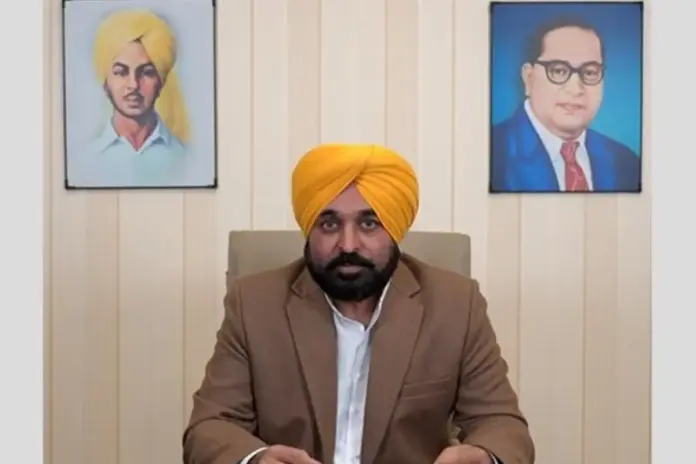
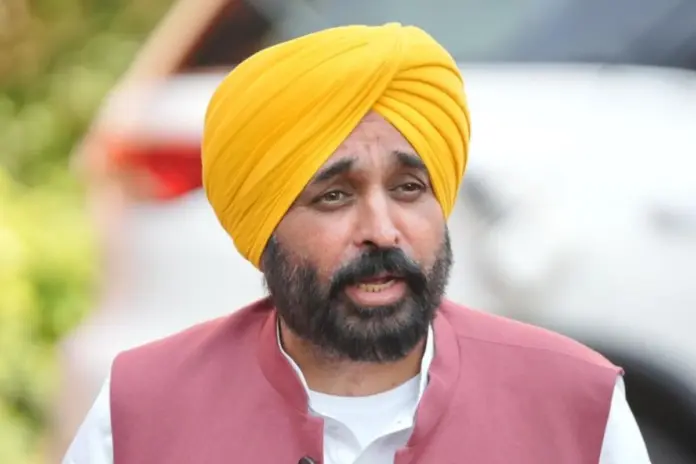
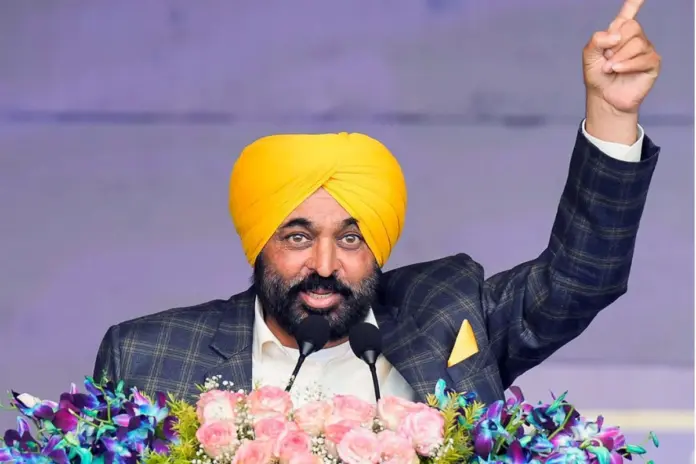
CM Bhagwant Singh Mann Urges Centre to Reconsider Higher Education Bill Over Concerns of Excessive Centralisation & Rising Educational Inequality

CM Mann

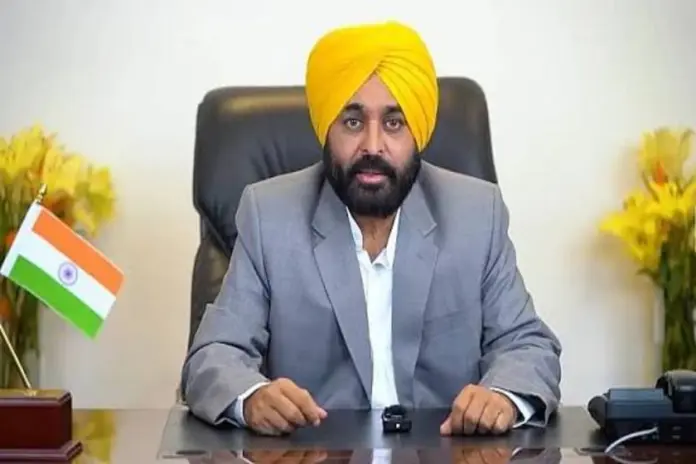
Punjab Chief Minister Bhagwant Singh Mann has strongly opposed the proposed ‘Viksit Bharat Shiksha Adhiniyam Bill, 2025’ (Higher Education Bill), warning that the legislation could make higher education more expensive, weaken opportunities for students from ordinary families and diminish the ability of states to address local educational needs. In a detailed letter to Union Education Minister Dharmendra Pradhan, CM Bhagwant Singh Mann urged the Centre to reconsider the Bill and hold wider consultations before implementing reforms that could significantly alter the higher education landscape.

Emphasising that crores of parents across the country pin their hopes and dreams on their children’s education, CM Bhagwant Singh Mann said higher education must remain a pathway of opportunity for the child of a farmer, labourer or shopkeeper, not become a burden on families. He asserted that India’s progress depends on making higher education more accessible, affordable and inclusive through greater investment in universities, infrastructure, faculty and research, rather than measures that could increase costs and centralise decision-making.

In his letter, CM Bhagwant Singh Mann stated that he is writing not merely as the Chief Minister of Punjab but as a representative of crores of parents across India whose biggest hopes are linked to the education of their children. “Every family wants its child to receive quality education, stand on his or her own feet, secure dignified employment and contribute to the progress of the nation. That is why education is not merely an administrative subject; it is a question concerning India’s bright future,” he said.

The Chief Minister said, “I initially hoped the proposed legislation would strengthen the quality, accountability and global competitiveness of higher educational institutions. However, after carefully studying the Bill, I have serious concerns that it seeks to centralise most important decisions relating to higher education, with far-reaching consequences for students, teachers, universities and state governments.”

Raising his first major concern, CM Bhagwant Singh Mann said the Bill appears to focus more on centralisation of power than on improving educational quality. “The success of an education system depends upon how effectively it understands the needs of students, teachers and local communities. In a country as vast and diverse as India, every state faces different social, economic and educational challenges,” he said.

The Chief Minister observed that it was natural to expect legislation on higher education to focus on quality, research, innovation, employability and global competitiveness. However, after studying the Bill, it appeared that its primary objective was to concentrate policy-making powers, standards, regulations, recognition mechanisms and appellate powers in the hands of the Union Government. “Education is a subject in the Concurrent List of the Constitution. Therefore, while minimum national standards may be desirable, states must retain the freedom to develop systems according to their own circumstances and needs. Unfortunately, this Bill appears to disturb that constitutional balance,” he said.

CM Bhagwant Singh Mann further stated that his concern is not merely about the rights of states but also about the future of crores of students. “Every state in India is battling different challenges. Some are dealing with unemployment, others with skill development needs, industrial requirements or migration of talent. Border states like Punjab face even more complex realities,” he said.

The Chief Minister noted that state governments develop courses, skill programmes, industry collaborations and employment-oriented initiatives according to local requirements through universities and colleges. “If most educational decisions are taken by institutions sitting in Delhi, states will gradually lose their ability to understand local realities and design solutions accordingly. As a result, higher education risks becoming centralised and losing its practical relevance,” he said.

Drawing attention to the dangers of excessive centralisation, CM Bhagwant Singh Mann referred to the functioning of central institutions such as the National Testing Agency (NTA). “Recent years have raised serious questions regarding examination management, transparency and credibility. When central institutions themselves are struggling with such challenges, it is legitimate to ask whether further centralisation of higher education is really the right direction,” he said.

The Chief Minister asserted that the better path would be greater cooperation between the Centre and the states. “Successful models developed by different states should be shared across the country. Decision-making should become more participatory and collaborative. Unfortunately, this Bill appears to move in the opposite direction,” he said.

CM Bhagwant Singh Mann also expressed concern that the proposed legislation could make higher education more expensive. “While studying the Bill, an important question emerged before me. If most powers are concentrated with the Union Government, if the role of state governments continues to shrink and if central regulatory control over state universities and colleges increases, where will the financial resources required for the operation and development of these institutions come from?” he asked.

The Chief Minister pointed out that the Bill does not provide a satisfactory answer to this question. “If decision-making powers are centralised while adequate financial support is not guaranteed, universities will inevitably face pressure to raise revenues. This could lead to higher fees, greater dependence on self-financed courses and increased reliance on private investment,” he said.

CM Bhagwant Singh Mann warned that the burden of such a model would fall most heavily on middle-class, lower-middle-class and poor families. “Higher education should be a pathway of opportunity. It should not become a privilege available only to those who can afford it,” he said.

The Chief Minister also raised concerns regarding the gradual privatisation of higher education. “After studying the Bill, it appears that India’s higher education system may slowly be pushed towards a model where public institutions become weaker and dependence on the private sector steadily increases,” he said.

He warned that if policy-making, regulation and control become completely centralized without clear financial responsibility, public universities could increasingly be forced to depend upon private institutions and private capital. “The direct impact of such a shift will be borne by lakhs of students whose parents continue to make tremendous sacrifices to send them to colleges and universities,” he said.

CM Bhagwant Singh Mann stressed that in a country like India, higher education should be strengthened as a right rather than being restricted by economic barriers.

The Chief Minister urged the Union Government to withdraw the Bill in its current form and undertake a comprehensive review. “India does not need legislation that further centralises higher education. What we need is a framework that allows universities and colleges to connect more effectively with the needs of their regions, industries, societies and youth,” he said.

CM Bhagwant Singh Mann observed that most institutions of higher education are established, operated and funded by state governments. Therefore, reforms should move in a direction that grants states greater authority, greater flexibility and greater responsibility. “States must be empowered to develop educational systems according to the aspirations and requirements of their youth. At the same time, the Union Government should focus on increasing investment in higher education rather than expanding regulatory control,” he said.

The Chief Minister referred to the objectives of the National Education Policy, 2020, which sought to raise the Gross Enrolment Ratio in higher education to 50 % by 2035. “To achieve that goal, universities, colleges, research institutions and technical institutes need more resources, stronger infrastructure, modern laboratories, quality faculty and adequate research funding. They do not need additional layers of control,” he said.

CM Bhagwant Singh Mann said that if the Union Government genuinely wishes to make India a developed nation, it should prioritise educational investment over administrative centralisation. “Universities should be given resources, autonomy and opportunities instead of additional controls. This is not merely a question of Centre-State relations. It is a question concerning crores of students, their families and the future of India,” he said.

The Chief Minister said India’s progress depends upon enabling the dreams of ordinary families. “When the son of a farmer becomes an engineer, when the daughter of a labourer becomes a doctor and when the child of a small shopkeeper becomes a scientist, India moves forward. Our education system should make such dreams easier to realise, not more difficult,” he said.

Reiterating his appeal, CM Bhagwant Singh Mann urged the Union Government to withdraw the Bill and replace it with a framework that makes education more accessible, affordable, high-quality and responsive to the needs of states. “Nations do not become great by exercising control over education. Nations become great by investing in education,” he concluded.

The Loneliness Epidemic in a Hyperconnected World

Dr. Pavithra .M R

In an age of endless notifications and constant online interaction, genuine human connection is becoming increasingly rare.

Walk into any cafe, airport or college campus today and you will notice a familiar scene. People are sitting together, yet many are looking down at their phones instead of talking to one another. Families gather for dinner but each member is occupied with a different screen. Friends meet after weeks apart, only to spend part of the time clicking selfies or scrolling through social media. We live in an age where staying connected has never been easier. A message reaches the other side of the world in seconds, video calls bridge continents and social media allow us to remain in touch with people we have not met in years. Ironically, however, the same era of digital connectivity is witnessing an increase in loneliness. This contradiction raises an important question: if we are more connected than ever before, why do so many people feel alone?

Connected to Everyone, Close to Very Few

Technology has changed the way we communicate. Conversations that once happened over long phone calls or face-to-face meetings are now replaced by short text messages, emojis and quick reactions. While these forms of communication are convenient, they often lack emotional depth. Having hundreds of contacts on a social media platform does not necessarily mean having someone to confide in during difficult times. A “like” on a post may bring temporary satisfaction but it cannot replace genuine concern, empathy or companionship. The problem is not the absence of communication; it is the absence of meaningful communication. Many people interact frequently but rarely connect deeply.

The Silent Rise of Loneliness

Loneliness is often misunderstood as being physically alone. In reality, it is the feeling of being emotionally disconnected, even when surrounded by people. A college student living in a busy hostel may feel isolated despite being among hundreds of classmates. A working professional in a crowded office may struggle with loneliness because meaningful conversations are replaced by deadlines and emails. Even elderly parents living with their families sometimes feel invisible when everyone is occupied with digital devices. Loneliness has quietly become one of the defining social challenges of our time. Unlike physical illness, it is often hidden behind smiling photographs, cheerful online posts and carefully curated digital identities.

The Social Media Illusion

Social media has undoubtedly transformed communication, education and business. It has enabled people to share ideas, celebrate achievements and maintain relationships across great distances. However, it has also created an environment where comparison has become almost unavoidable. Every day, people are exposed to photographs of luxurious vacations, career milestones, expensive purchases and seemingly perfect lives. What is rarely visible are the struggles, disappointments and ordinary moments that are part of everyone’s life. As a result, many begin to believe that they alone are falling behind. The pressure to appear successful and happy online often prevents individuals from expressing their real emotions. Ironically, the platforms designed to bring people together sometimes leave users feeling more isolated than before.

Why Young People Are Especially Vulnerable

Generation Z is the first generation to grow up entirely in the digital era. Smartphones, social media, online gaming and instant messaging have been constant companions throughout their childhood and adolescence. While digital technology has created incredible learning opportunities, it has also changed the nature of friendships. Online interactions often outnumber face-to-face conversations. Many young people spend hours communicating through screens but have fewer opportunities to develop deeper personal relationships. Academic competition, career uncertainty, fear of missing out and the pressure to maintain an ideal online image further contribute to emotional stress. This is not a sign that young people are weaker than previous generations. Rather, they are navigating challenges that did not exist on the same scale before.

Rebuilding the Lost Art of Human Connection

Technology itself is not the enemy. It has improved healthcare, education, business and communication in countless ways. The challenge lies in ensuring that digital interactions do not replace real relationships. Sometimes the most meaningful gestures are also the simplest. Sharing a meal without checking notifications, calling a friend instead of sending a text, visiting elderly relatives, participating in community activities or simply listening without distraction can strengthen relationships in powerful ways. Meaningful conversations require time, attention and presence qualities that cannot be downloaded through an app.

A Shared Responsibility

Addressing loneliness is not solely an individual’s responsibility. Families, schools, workplaces and communities all have an important role to play. Parents should encourage regular family conversations where everyone feels heard. Schools must create environments that promote collaboration, empathy and emotional well-being alongside academic excellence. Workplaces should recognise that employee wellness includes social connection as much as professional achievement. Communities can also help by creating spaces where people interact beyond digital platforms through cultural events, sports, volunteer activities, neighbourhood gatherings and public discussions. Strong communities are built not by technology but by trust, compassion and shared experiences.

Putting Human Connection First

The digital revolution has transformed how we communicate but it cannot replace what makes us human. Genuine friendships, heartfelt conversations and shared experiences remain essential for emotional well-being. Perhaps the greatest irony of our time is that while we carry the world in our pockets through our smartphones, we sometimes overlook the people sitting beside us. As individuals, we must consciously make room for conversations that go beyond notifications and relationships that extend beyond social media. A phone call instead of a text message, an unhurried conversation instead of a hurried reaction or an evening spent with loved ones instead of endless scrolling can make a remarkable difference.

Technology will continue to evolve, becoming faster, smarter and more integrated into our daily lives. Yet no technological innovation can substitute for the comfort of genuine human connection. In the end, what enriches our lives is not the number of followers we have but the number of people who stand beside us when life becomes difficult. In a hyperconnected world, the greatest luxury may no longer be constant connectivity. It may simply be having someone who truly listens, understands and cares. That is the kind of connection no algorithm can ever create.

Contributed by: Dr. Pavithra .M R, Assistant Professor, Paari School of Business, SRM University – AP

AAP Holds Statewide Protests Against Akali Dal’s Anti-Panth & Anti-Punjab Activities By Spreading Fake Video Targeting CM Bhagwant Singh Mann

Punjab news

The Aam Aadmi Party (AAP) on Saturday held massive protests across Punjab against the Chitta Party (Shiromani Akali Dal), its president Sukhbir Singh Badal, the ED Party (BJP) and the Congress over a coordinated campaign to defame CM Bhagwant Singh Mann through a misleading fake video circulated on social media. AAP ministers, MLAs, senior leaders, karyakartas and local residents took to the streets across the state, accusing opposition parties of misusing religion, spreading false propaganda and hatching political conspiracies to mislead the people of Punjab and derail the state’s progress.

From Faridkot, Barnala and Mansa to Kapurthala, Moga and Badal village, protesters raised strong slogans against what they described as anti-Punjab and Panth-opposing forces that have repeatedly sought to exploit religious sentiments and sow divisions for political gains. They asserted that while the opposition continues to pursue politics of hatred, misinformation and vested interests, CM Bhagwant Singh Mann has won the trust of Punjabis through transparent governance, employment generation, quality education, welfare initiatives and development-oriented politics.

The protesters said the people of Punjab have repeatedly rejected such divisive politics and will never allow any conspiracy aimed at tarnishing the Chief Minister’s image or disturbing the state’s peace, harmony and progress to succeed.

Addressing a protest gathering in Mohali, senior AAP leader and Cabinet Minister Harpal Singh Cheema said that the Aam Aadmi Party has organized symbolic protests across Punjab against the anti-Panth and anti-Punjab activities of the Shiromani Akali Dal and its repeated attempts to disturb the peace and harmony of the state. “Today, Aam Aadmi Party karyakartas have come out on the streets not only in Mohali but across Punjab to register their protest against such forces. The people of Punjab are fully aware of these conspiracies and will never allow those who have repeatedly harmed the interests of the state to succeed,” he said.

Highlighting the achievements of the Bhagwant Mann Government, Harpal Singh Cheema said that Punjab is witnessing unprecedented development under the leadership of CM Bhagwant Singh Mann. “Our government has provided nearly 44,000 government jobs to the youth of Punjab in a transparent manner. Sports grounds are being developed in villages across the state to channel the energy of young people in a positive direction. Construction and repair work of around 45,000 kilometres of roads is underway. Children studying in government schools are receiving quality, world-class education, while every household is benefiting from 300 units of free electricity every month,” he said.

Harpal Singh Cheema said these historic development initiatives have left opposition parties unnerved. “Unable to digest the rapid progress taking place in Punjab, the Shiromani Akali Dal has now resorted to cheap politics. It has made a vile attempt to create and circulate a fabricated and fake video on social media to tarnish the clean image of our Chief Minister. This reflects the frustration of those political forces that have lost public support and are desperately trying to regain relevance through misinformation,” he said.

The senior AAP leader said the statewide protests were organized to expose this conspiracy before the people of Punjab and send a strong message that politics based on falsehood and deception will not be tolerated. “AAP karyakartas across Punjab are united in opposing this malicious campaign. We will not allow any conspiracy aimed at disturbing Punjab’s peace, progress and social harmony to succeed. The people of Punjab stand firmly with CM Bhagwant Singh Mann and the development-oriented politics of the Aam Aadmi Party,” he added.

AAP leaders participating in the protests reiterated that the Shiromani Akali Dal has resorted to such tactics because it has lost its political credibility among the people. They said the people of Punjab are fully capable of distinguishing between truth and misinformation and will reject all attempts to mislead them through fabricated content and propaganda.

Saharanpur Viral Video: Man In Uniform Repeatedly Kicks Elderly Person On Street, Police Take Stern Action

Saharanpur- Viral -Video
Google

A viral video from Uttar Pradesh‘s Saharanpur district has sparked widespread discussion on social media after it allegedly showed a police sub-inspector repeatedly kicking an elderly man in a public area. 

What Happened?

The video shows a man in a police uniform allegedly kicking an elderly person while standing on a public road. The incident was reportedly captured by a passenger traveling on a nearby bus. What may have otherwise gone unnoticed quickly became a major issue after the video was shared online and gained widespread attention, leading to calls for an investigation into the officer’s conduct.

Incident Reportedly Took Place Near Hanuman Temple

The viral footage is said to be from the Ghanta Ghar area near Hanuman Temple in Saharanpur district. In the video, the sub-inspector can allegedly be seen using force against an elderly individual in full public view. The incident has raised concerns among many social media users, who questioned whether the use of such force was justified and called for accountability if the allegations are found to be true.

Saharanpur Police Initiate Action

In a statement shared on social media, the police said:

“After taking cognizance of the viral video, an inquiry was conducted by the circle officer. Based on the facts found during the preliminary investigation, the concerned sub-inspector has been attached to the police lines. Further departmental and legal proceedings are being carried out as per rules.”

The statement indicates that initial action has already been taken while further proceedings remain underway.

People’s Reactions:

Many social media users expressed anger and disappointment after the video surfaced online. Several people demanded strict action against the officer if the allegations are proven true, arguing that elderly citizens should be treated with dignity and respect. Others praised the bystander who recorded the incident, saying the video helped bring the matter to public attention and ensured accountability

Note: This Article has been done on the information provided in this viral video/ post. DNP India doesn’t endorse, subscribe or verify the claims.

Bhagwant Mann Govt clears jobs for 2,437 apprentice trainees as Assistant Linemen in PSPCL: Harpal Singh Cheema

Harpal Singh Cheema

Pursuant to the directions of Chief Minister Bhagwant Singh Mann, the Government of Punjab has decided to absorb 2,437 apprentice trainees as Assistant Linemen (ALMs) in Punjab State Power Corporation Limited (PSPCL). The announcement was made today by Finance Minister Harpal Singh Cheema while addressing a press conference at Punjab Bhawan.

The decision addresses a long-standing demand of apprentice trainees and reflects the Bhagwant Mann Government’s commitment to employment generation and youth welfare. The Chief Minister has adopted a mission-mode approach to create employment opportunities across departments.

Finance Minister Harpal Singh Cheema said, “The Board of Directors of PSPCL, acting upon the advice of the Advocate General, Punjab, has accorded approval for the absorption of 2,437 apprentice trainees as Assistant Linemen (ALMs). The trainees are presently undergoing apprenticeship training in the Lineman Trade in PSPCL and Punjab State Transmission Corporation Limited (PSTCL).”

The cabinet minister stated, “PSPCL will conduct the mandatory Punjabi language examination for the said trainees as a one-time relaxation. The examination schedule will be notified in due course on the official website of PSPCL, following which the process of absorption will be taken forward.”

Emphasising the Punjab Government’s employment efforts, Harpal Singh Cheema added, “CM Bhagwant Singh Mann is of the firm view that providing employment to the youth is essential for channeling their energy towards constructive nation-building and safeguarding them from social evils. As a result of the sustained efforts of the government, a total of 9,627 recruitments have been made in PSPCL and PSTCL since April 2022.”

Providing further details, he said, “Of the total 9,627 recruitments, 8,048 were made through direct recruitment and 1,579 on compassionate grounds. Earlier this year, appointment letters were handed over by CM Bhagwant Singh Mann to 570 candidates belonging to various categories. The recruitment process for approximately 3,000 additional posts is presently underway and is likely to be completed by November 2026.”

Administrative Secretary, Power-cum-Chairman & Managing Director, PSPCL, Dr. Basant Garg, was also present on the occasion.

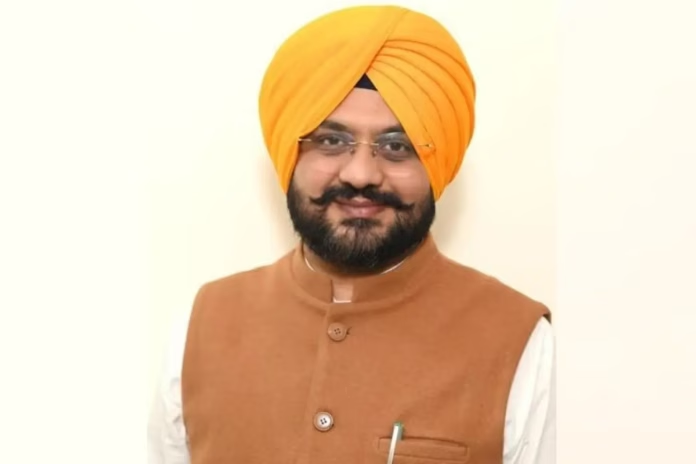
Punjab Government Extends Major Support to Widowed and Destitute Women; Releases Over Rs. 305 Crore in Financial Assistance: Dr. Baljit Kaur

Dr. Baljit Kaur

The loss of a family’s primary breadwinner often places women under severe financial strain. In such challenging circumstances, the Punjab Government’s Pension Scheme for Widowed and Destitute Women has emerged as a vital source of economic security and dignity for lakhs of women across the state. Under the leadership of Chief Minister S. Bhagwant Singh Mann, the Punjab Government is committed to ensuring that no deserving woman is deprived of her dignity or basic necessities due to financial hardship, said Social Security, Women and Child Development Minister Dr. Baljit Kaur.

Sharing details of the scheme, Social Security, Women and Child Development Minister Dr. Baljit Kaur said that the Punjab Government has released more than Rs. 305 crore under the Widowed and Destitute Women Pension Scheme up to the month of May. She stated that over 6.91 lakh women across the state are currently benefiting from the scheme, enabling them to achieve greater financial security and lead their lives with confidence and self-respect.

The Cabinet Minister further said that the Punjab Government has earmarked more than Rs. 1,200 crore during the financial year 2026-27 for the effective implementation of the scheme and to ensure that its benefits reach the maximum number of eligible women across the state.

Dr. Baljit Kaur said that the scheme serves not only as financial assistance but also as a source of dignity and confidence for thousands of women facing difficult circumstances. She added that the initiative is a significant step towards strengthening the safety, dignity and self-reliance of women. The Government firmly believes that true social progress can only be achieved when women are economically secure and socially empowered. Guided by this vision, the Punjab Government is continuously working to extend social security benefits to every eligible and needy woman.

Providing details regarding eligibility, Dr. Baljit Kaur said that the scheme is available to widowed and destitute women below 58 years of age. In addition, unmarried women aged 30 years and above are also eligible to avail of the benefits under the scheme. The annual family income of the applicant should not exceed Rs. 60,000.

Reiterating the Government’s commitment towards the welfare and empowerment of women, Dr. Baljit Kaur said that the Punjab Government is consistently working to provide women with opportunities for a safe, dignified and better life so that they can participate in society with confidence and economic stability. She added that the State Government remains dedicated to creating a more inclusive and compassionate Punjab by ensuring that welfare benefits reach every vulnerable and deserving section of society.

Bhagwant Mann Highlights Record-Breaking ₹123.76 Crore Revenue as Punjab’s Animal Fairs Transform Rural Livelihoods

Bhagwant -Mann
Google

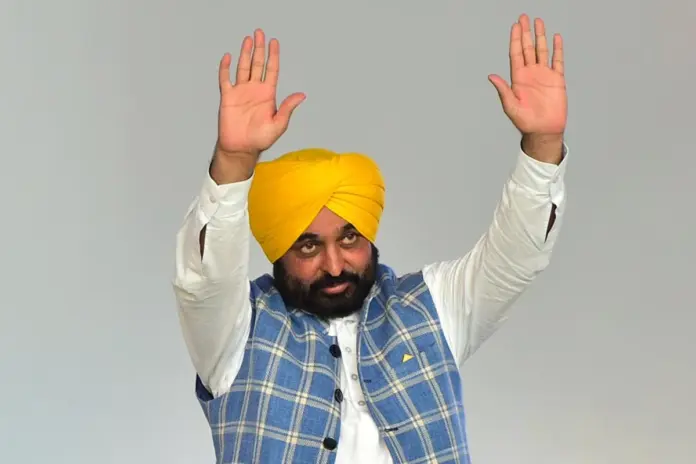
The Punjab Chief Minister Bhagwant Mann has pointed out that Pashu Melas, which are being held all across the state of Punjab, have been successful in fetching an unprecedented amount of revenue of ₹123.76 crore in the present year. It is a remarkable figure as compared to last year, when the income of Pashu Melas was ₹92 crore, which shows an increase of about 34%. This tremendous rise in income highlights the increasing significance of livestock trade and animal husbandry in Punjab’s rural economy.

Highest Earnings through Animal Fairs

According to the Punjab government, animal fairs across the state generated ₹123.76 crore in revenue this year, compared to ₹92 crore last year. This reported 34% increase highlights the growing popularity of these fairs among farmers, livestock breeders, and traders. 

Economic Benefits for Rural Communities

Animal fairs play an important role in supporting rural communities by creating additional income opportunities for farmers. Besides traditional farming, livestock trading allows people to earn money through the sale and purchase of cattle, goats, horses, and other animals. These events also benefit local businesses, transport services, and vendors, contributing to overall rural economic growth.

Strengthening Animal Husbandry

The growth in revenue highlights the increasing importance of animal husbandry in Punjab. Livestock farming continues to provide financial support to thousands of families while contributing to the state’s agricultural economy.

Opportunities for Farmers

The fairs offer farmers a platform to showcase quality livestock, explore better market opportunities, and learn about modern breeding and animal care practices. This helps improve productivity and profitability in the sector.