Home Blog Page 4

Former Greats Question Ajinkya Rahane’s Captaincy, Early Collapse Sparks Debate in Wash Out Match Against PBKS in IPL 2026

Ajinkiya- Rahane
Google

Ajinkiya Rahane: After just 3.4 overs, the IPL 2026 match at Eden Gardens was called off because of heavy rain. KKR was in trouble early on, at 25/2, before the rain stopped the game. Since neither team could do anything else, they had to split the points, which was the first washout of the season.

Fans are questioning Ajinke Rahane’s toss decision

Ajinkiya Rahane quickly took center stage when he chose to bat first in cloudy weather. The “ajinke rahane” debate got more attention, with experts saying that bowling first would have been safer because of the threat of rain and the possibility of a shorter game.

What Former Cricketers Have to Say

A number of former players publicly spoke out against the move. Ravichandran Ashwin called the strategy “interesting,” and Anil Kumble questioned the logic of batting first in bad weather. Saba Karim also said she was confused, which shows how much these kinds of choices can change the outcome of T20 cricket.

KKR’s Problems Keep Getting Worse KKR’s early collapse made their problems this season even worse. The team had to do well because they had already lost two games. Instead, the failure of the top order once again showed how weak their batting lineup was.

What Ajinke Rahane Will Do Next

Ajinke Rahane is still a calm leader with a lot of experience, even though people are criticizing him. But KKR needs to be able to adapt and make better decisions if they want to do well in IPL 2026. The next few games will be very important in deciding whether Rahane can prove his critics wrong and get his team back on track.

Dhurandhar 2: ‘Virat Kohli Bhi Andhbhakt Hai…’ Netizens REACT After Cricketer And Wife Anushka Sharma Praise Ranveer Singh Starrer

Dhurandhar 2 Virat Kohli And Wife Anushka Sharma Praise Ranveer Singh Starrer
Photo Credit: X

Ranveer Singh has come a long way since his debut in Band Baaja Baaraat (2010). At that time, he shared the screen with Anushka Sharma, who had already made her mark in Bollywood. Today, years later, Ranveer is leading one of India’s biggest films, Dhurandhar 2 The Revenge, directed by Aditya Dhar.

The film has created a massive record by crossing Rs 1,000 crore in India in just 20 days. As its success grows, it has also received praise from well-known personalities. Now, Anushka Sharma and Virat Kohli shared their views.

Virat Kohli, Anushka Sharma Praise Dhurandhar 2

After watching the film, Anushka Sharma shared her reaction on Instagram Stories. She praised Aditya Dhar for making such a long film with confidence and said it remains engaging from start to finish. Anushka described the film as gripping, immersive and carefully crafted, while also appreciating the director’s strong vision and originality.

She also applauded Ranveer Singh’s performance, calling it powerful and flawless. Referring to their past collaboration, she highlighted how he handled a rare and challenging role with ease.

Anushka also appreciated the supporting cast R Madhavan, Arjun Rampal and Rakesh Bedi. She congratulated the whole team and said, “The film is unthinkable without each of you.”

Director Aditya Dhar reshared her post and responded warmly. “This is truly overwhelming coming from such an exceptional talent like you. Thank you so much, Anushka (red heart emoji). It only pushes us to aim higher, to tell stories with more honesty, heart and purpose, and to keep striving to create something that truly moves people (folded hands and sparkle emojis).”

Virat Kohli also shared his thoughts after watching the film and was full of praise. “Saw the film today and dare I say I’ve never ever seen a cinematic experience like this made in India. It brought out every kind of emotion to the surface and I didn’t flinch for almost four hours. @adityadharfilms your talent and conviction is reflected in what you’ve created. Hats off to you. You’re a genius.”

He further highlighted Ranveer’s acting and said, “Your performance was beyond brilliant. Just WOW.”

Netizens React To Virat Kohli’s Post

Soon after their posts went viral, social media users began reacting strongly. A Reddit user shared a screenshot of Virat Kohli’s Instagram Story, and the discussion quickly picked up.

Read some user comments below:

“From one Dhurandhar to another.”

“Pakistan ki band toh isne bhi bajayi hai.”

“Virat Kohli has never posted about any movie before, despite marrying a Bollywood actress. This is Big.”

“Ab toh pakka 2000cr.”

“Virat Kohli bhi andhbhakt hain.”

“Ab Dhruv rathee kahega ki Modiji ne ise bhi khareed liya hai.”

About Dhurandhar 2

Dhurandhar 2: The Revenge follows the story of an Indian intelligence agent who enters Karachi’s criminal network to stop terror activities. Along with Ranveer Singh, the film stars Akshaye Khanna, R Madhavan, Sanjay Dutt, Sara Arjun, Rakesh Bedi and Arjun Rampal.

With strong word of mouth and support from celebrities, the film continues to perform well at the box office. It has already crossed Rs 1622 crore worldwide.

Narendra Modi: Uniform Civil Code And One Nation One Election On Cards, Would Implementation Spark National Firestorm?

Narendra Modi
Image Credit: Google

Narendra Modi: Indian Prime Minister Narendra Modi has remarked that the Union Government is actively pursuing positive and serious discussions to implement the ‘One Nation, One Election’ (ONOE) and the Uniform Civil Code (UCC).

Narendra Modi-ONOE And UCC Implementation

Speaking on the occasion of the 47th Foundation Day of the Bharatiya Janata Party (BJP), Modi remarked that our mission to implement UCC and ONOE is still ongoing so that we could together build a developed India, a self-reliant India and a powerful India for which each one of us have to work relentlessly and selflessly.

UCC is one of BJP’s three ideological issues. The ruling party has already fulfilled the remaining two in the form of a Ram Temple in Ayodhya and the abrogation of Article 370. Till now, Uttarakhand and Gujarat have rolled out UCC.

Modi lauded the initiatives taken by the NDA government since 2014. This included a nationwide ban on instant triple talaq via legislation, reservations for economically weaker sections (EWSs), the construction of a new Parliament building, and powerful reply to Pakistan during Operation Sindoor, India’s diplomatic efforts and the construction of the Ram Temple.

Would Implementation Trigger A National Firestorm?

Envisioned under Article 44 of the Indian Constitution, the Uniform Civil Code seeks to replace personal laws based on religion with a common set of laws governing inheritance, adoption, marriage, divorce and more for every citizen of the country.

The government’s contention is that it would strengthen national integration, brotherhood and gender justice. On the other hand, several communities such as the Muslims perceive these laws as an interference to their religion and hence discriminatory.

In contrast, the One Nation One Election would help synchronize elections for the Lok Sabha and all state assemblies. Frequent elections disrupt governance, impose significant financial costs and strain administrative resources. A unified electoral cycle would help in improving the concept of policy continuity and allow governments to stay focused on long-term development rather than perpetual campaigning. Critics argue that regional issues could get diluted by simultaneous elections, overshadowing them with national narratives dominated by larger parties.

CBSE Class 10 Result 2026: Delayed or Before Time? Students Wait With Anxiety As Delay Narrative Gains Momentum, Check Details

CBSE -Class- 10th- Result- 2026
Google

CBSE Class 10th Result 2026: As millions of students across India wait for their results, the excitement about the CBSE Class 10 Result 2026 is growing. Some reports say that the results might be late, while others say that they might come out on time or even earlier than expected. Students are worried and keep checking for updates because they don’t know what’s going to happen.

Why Are Delay Speculations Rising?

The story about the delay is mostly due to ongoing evaluations and scheduling issues. The Central Board of Secondary Education makes sure that checking is done very carefully every year, which can sometimes push back deadlines a little.

In 2026, talks about moderation policies and the accuracy of results have also added to the rumors. But CBSE hasn’t officially confirmed any delays yet, so most of these claims are not official.

Expected Result Date Based on Trends

Based on what has happened in the past, CBSE usually announces the Class 10 results between the middle of May and the beginning of June. Students can expect results around that time if the board follows a similar pattern.

If the evaluation work is done ahead of schedule, there is also a chance that the results will be announced earlier. In the last few years, CBSE has made its digital systems better, which speeds up the processing of results.

How Students Can Stay Prepared

Students should not worry about rumors; instead, they should stay calm and ready. Always have your admit card with you, check the official CBSE website often, and don’t trust sources that haven’t been verified.

It’s also important to get ready for the outcome, whether it’s what you expected or something else. Keep in mind that this is just one step on your path to getting a degree.

No Official Confirmation Yet: What Students Should Believe

CBSE Class 10th Result 2026: There is still no official word on whether or not the CBSE Class 10 Result 2026 will be delayed. Students should be patient and only pay attention to official news. The results should be in soon, and then things will become clear.

Is There A Panacea To Screen Addiction Among Teens? This Art Of Living Expert Answers…

World Health Day
Image Credit: Google

Arijit Das was sixteen and glued to his phone the way most of his generation is, except with him, the screen had become a hiding place. Post lockdown, anger, self-doubt, and body image issues had taken hold, and every time the pressure built, he retreated further into the device and further away from his family. His parents felt helpless. But this story has a happy ending…

Das’s case is not an isolated incident. There is a noticeable rise in depression, anxiety, sleep disorders, and other mental health issues among school-going children and young adults in India, which are strongly linked to increased screen time. Studies indicate that excessive screen use correlates with digital addiction and cyberbullying and eventually leads to poorer mental well-being.  

While teen screen addiction is a growing crisis globally, adolescents in India spend an average of 3.2 hours to over 4 hours daily on screen, with 68% to 83% of them exceeding the recommended two-hour limit. From online classes and social media to gaming and streaming platforms, digital devices are deeply embedded in a teenager’s daily routines. The problem starts when the use of digital devices becomes a compulsive and excessive habit, where it interferes with their studies, sleep, relationships, and overall well-being.

The roots of the problem run much deeper. In nuclear families, where both parents are working, children often feel a sense of loneliness. Exhausted after a long day’s work, the parents struggle to find time and energy to spend quality time with their children, and the children, in turn, tend to immerse themselves in their digital devices. As a result, obesity, poor eyesight, lack of social interaction, loss of appetite, and aggression are on the rise among teenagers.

“I have observed the adverse impact of mobile devices across all age groups. One of my teenage cousins had pushed his mom once because she was about to switch off his computer,” says Bivasree, a school teacher in Bengaluru. “In middle school and high school, children are exposed to adult content, and addiction to pornography through various websites is on the rise, with no one to supervise their social media accounts. Many stay up late using social media, struggle to wake up the next morning, and are often reluctant to attend school. It also affects their cognitive abilities, making it harder for teens to focus on studies or long-form tasks”, she adds.

The challenges are many, but how can they be effectively tackled? Attempts to reduce screen time often trigger aggression in children, making the process more complicated. As a result, many parents are now turning to alternative approaches, like The Art of Living’s Intuition Process for children and teens, which has proven path-breaking in helping children effortlessly come out of their screen habits, focus better, and tap into their intuitive abilities.

Arijit’s father, Dr Abhijit Das, remembers moments when Arijit expressed thoughts no parent wants to hear. But once Arijit underwent the Intuition Process, cognized by the global spiritual master Gurudev Sri Sri Ravi Shankar, that included a blend of yoga, pranayama exercises, guided meditations, breath-led settling, and simple tools for self-regulation, his teachers noticed a shift within weeks. He regained his focus, began studying again, and eventually scored ninety percent. “I work in medicine,” his father said, “and I can say this: medicine alone cannot do what meditation did for my son. These practices gave me my child back.”

“After IP, for the first time, I felt calm instead of chaos,” says Arijit Das. The anger eased, the phone loosened its grip, and the boy, once driven by every notification, began to feel guided from within.

“A lot of parents who want to reduce screen time for their children come to us. The Art of Living has this beautiful process called the ‘Intuition Process’ that is very effective for digital detox,” says Dipankar Chakraborty, a senior Art of Living faculty.

The benefits that practitioners and researchers describe are not mutually exclusive. Improved awareness keeps children safe and focused on the task at hand, they show more interest in learning, they develop photographic memory, able to give exams without stressing or anxiety. Children become more confident in the face of the unknown, emotionally stronger, and positively receptive to criticism, qualities that foster better communication and sharper academic performance.

“Teenagers are full of energy. They have this great urge to create something, but they don’t know how to channelise their energy. So they often turn to gaming and social media platforms in search of something new. And these platforms, online games, and instant messaging apps are designed to be engaging and often triggering dopamine-driven reward cycles. As the teens seek constant stimulation and peer approval, this makes them particularly susceptible to the screens. We have some specialised techniques, meditations, and training that effectively help them fix their mindset. In one or one and a half months, they become more focused, confident, and calm,” says Chakraborty.

Yet another technique that many experts recommend to replace screen-driven dopamine hits is the powerful and healing practice of Sudarshan Kriya, the Art of Living’s signature breathing technique. It works wonders to reduce stress and increase the happiness quotient. “Gurudev Sri Sri Ravi Shankar says, you cannot control the mind from the level of the mind. But you can do it from the level of breath. And we see transformations every day. OCD and aggressive behaviour among teens get reduced significantly after practicing these breath-based techniques,” Dipankar informs.

Are the teenagers open to these processes?

“Oh yes. See, they are extremely intelligent. They can see what truly adds value to their lives,” says Chakraborty.

In today’s hyper-connected world, screens have become an inseparable part of our daily lives. Our teens cannot be excluded from its influence altogether. But experts like Dipankar Chakraborty, who has been teaching the Intuition Process for more than ten years, suggest keeping the teens physically active and making them learn Yoga and Pranayama, as time-tested remedies. Only then can they maintain a healthy balance while enjoying the undeniable benefits of technology, which plays a vital role in education and communication. “Technology should enhance our teens’ lives, not control them,” Chakraborty says.

Avesh Khan: SRH Robbed Of A Victory? Dead Ball Controversy Rocks IPL 2026, What Does MCC Law 20.4.2 Says?

Avesh Khan
Image Credit: Google

Avesh Khan: The IPL 2026 is just a week old and it has already become controversial. During the match between Lucknow Super Giants (LSG) and Sunrisers Hyderabad (SRH), LSG captain Rishabh Pant hit the penultimate ball of the 20th over by SRH bowler Jaydev Unadkat for a likely four. Shockingly, the next batsman in line Avesh Khan who was standing near the boundary line hit the ball with his bat before it had reached the boundary. However, neither the umpires nor the SRH team complained against it.

Avesh Khan-Did He Escape A Breach?

Under Marylebone Cricket Club (MCC) Law 20.4.2, the delivery could have been termed as a dead ball by the umpires because of interference in play by an individual from outside the field of play. In other words, the four runs that contributed to LSG’s victory over SRH would have been nullified if team SRH or umpires had objected it to as a dead ball. In other words, the ball would then have to be rebowled with the equation for Lucknow Super Giants still at one run needed in two balls.

Many cricket experts believe that a breach was not called as there was no player from SRH near the boundary line. Secondly, the action of Avesh Khan didn’t prevented nay SRH fielder from stopping the cricket ball before it could have reached the boundary mark.

Match Summary

Batting first, SRH scored 156 runs for the loss of 9 wickets in their 20 overs. Travis Head, Abhishek Sharma and Ishan Kishan flopped yet again. However, Nitish Kumar Reddy and Heinrich Klassen had other plans and scored at a robust pace.

In reply, LSG started good with openers Aiden Markram and Mitchell Marsh scoring at a blistering pace before Rishabh Pant emerged and scored 68 runs off just 50 balls with 9 fours.

World Health Day 2026: These Silent Burnout Signs Are Destroying Your Energy Daily — Experts Warn Don’t Ignore

World Health Day 2026 Silent Burnout Signs
Photo Credit: Created with Gemini

World Health Day 2026: In today’s fast-paced lifestyle, being constantly “busy” is often seen as a sign of success. But behind this hustle, many people are silently struggling. On World Health Day 2026, we want to draw your attention to the growing issue of silent burnout.

This condition does not appear suddenly. It builds slowly, affecting your energy, mood and overall health without clear warning signs. Many people continue their daily routine, unaware that their body and mind are under constant stress.

According to the World Health Organisation (WHO), burnout is caused by chronic workplace stress that is not managed properly, and it is now recognised as an occupational phenomenon. This makes it more important than ever to understand the early signs and take action before it gets worse.

What Is Silent Burnout? Know On World Health Day 2026

Silent burnout (also known as “quiet burnout”) happens when you appear normal on the outside but feel mentally and emotionally drained on the inside. You may continue to work, meet deadlines, and carry out daily tasks, but something feels off.

The tricky part is that burnout develops gradually. It may start with simple stress and slowly turn into exhaustion, frustration, and disconnection. That’s why many people fail to recognise it in the early stages.

On World Health Day 2026, health experts are encouraging people to pause and check in with themselves. Recognising burnout early can prevent long-term damage to both mental and physical health.

World Health Day 2026: Silent Burnout Signs You Shouldn’t Ignore

Here are some common warning signs that may indicate silent burnout and experts warn to not ignore them:

  • Constant exhaustion
    Feeling tired all the time, even after proper sleep, is one of the biggest red flags.
  • Emotional numbness
    You stop feeling excited or motivated. Things that once made you happy no longer have the same effect.
  • Poor concentration
    Forgetting tasks, losing focus, or making small mistakes frequently can signal mental fatigue.
  • Irritability and mood swings
    You may feel easily annoyed or frustrated over small issues.
  • Loss of motivation
    Daily tasks start to feel like a burden and productivity drops.
  • Neglecting self-care
    Skipping meals, poor sleep, or ignoring your health can be signs of deeper stress.
  • Withdrawing from people
    Avoiding social interactions or preferring isolation can indicate emotional overload.

Why You Should Take Burnout Seriously

Ignoring burnout can have serious consequences. Over time, it may lead to health problems such as sleep disorders, anxiety, heart disease and even diabetes.

More importantly, burnout doesn’t just affect your work life. It impacts your relationships, emotional well-being, and overall quality of life. That’s why spreading awareness on World Health Day 2026 is so important.

Our message on World Health Day 2026 is listen to your body and mind before it’s too late. Silent burnout is not a weakness. It is a warning sign that something needs attention.

Taking small steps can make a big difference:

  • Set clear work boundaries
  • Take regular breaks
  • Prioritise sleep and nutrition
  • Talk to someone you trust

Recognising these signs early can help you recover faster and protect your long-term health.

Farmer Registry will become the basis for delivering benefits of government schemes to farmers: Chief Minister Yogi Adityanath

CM- Yogi- Adityanath
Google

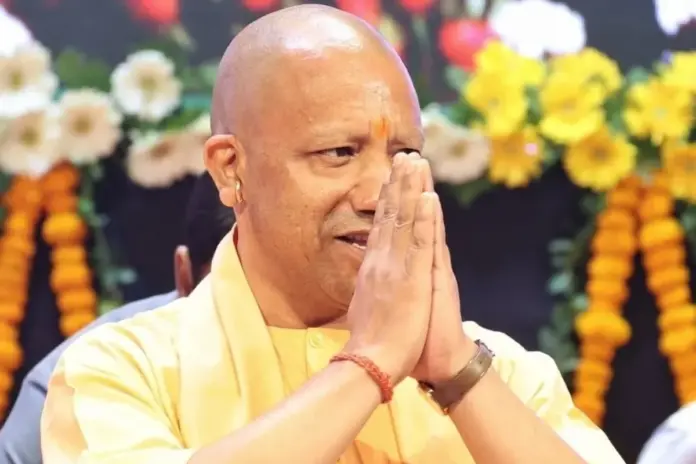
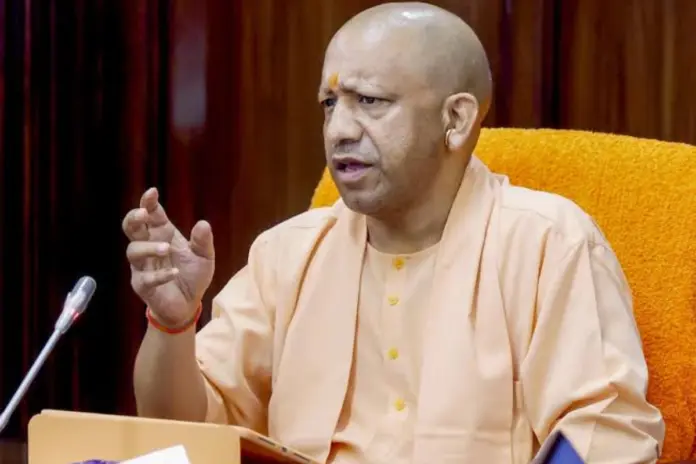
Chief Minister Yogi Adityanath said, “The Farmer Registry is extremely important for ensuring that farmers in the state receive the benefits of various government schemes in an easy, transparent, and timely manner.”

He directed that the Farmer Registry be linked with all agriculture and departmental schemes so that registered farmers can receive priority benefits in wheat procurement, as well as in the purchase of pulses and oilseeds, and access to seeds, fertilizers, crop protection chemicals, agricultural equipment and other schemes.

During a review meeting held on Monday, Chief Minister Yogi instructed that the Farmer Registry process be completed quickly across all districts in campaign mode. He also directed that special camps be organized in every Gram Panchayat to provide immediate solutions to farmers’ issues related to registration. For this work, officials from the Agriculture Department, Revenue Department, and other related departments should work in coordination.

Chief Minister further said, “All farmers in the state, regardless of whether their landholdings are small or large, should be encouraged to register so they can avail maximum benefits from government schemes.” He also directed that a large-scale public awareness campaign be conducted so that every eligible farmer becomes part of this process and receives the full benefits of the schemes.

The meeting was attended by Agriculture Minister Surya Pratap Shahi, Uttar Pradesh Chief Secretary S. P. Goyal, Chief Knowledge Officer of the Government of India Rajeev Chawla, Principal Secretary (Agriculture) Ravindra, Principal Secretary (Revenue) Aparna U, Director of Agriculture Dr. Pankaj Tripathi, and other senior officials.

Why Drug Traffickers Are Losing in Court: Inside Punjab’s Policing Model That is Delivering India’s Highest Conviction Rate for Drugs

Punjab Police

Punjab’s Yudh Nashean Virudh (war against drugs) is increasingly being defined not merely by arrests, but by a sharp rise in convictions that are standing firm in courts, signalling a decisive shift in the state’s strategy against narcotics. Backed by the Bhagwant Mann Government’s flagship campaign Yudh Nashean Virudh under the leadership of CM Bhagwant Singh Mann, enforcement agencies are now focusing on building legally robust cases that ensure traffickers are not just caught, but punished.

Police officials attribute Punjab’s remarkable conviction rate of 88% in cases under the Narcotic Drugs and Psychotropic Substances (NDPS) Act, the highest in the country, to a systematic transformation in policing. This includes prosecution-led investigations, scientific evidence collection, financial tracking of drug networks, and technology-driven intelligence gathering.

According to official data, a total of 3870 convictions were secured out of 4812 NDPS cases decided by courts in 2022, reflecting a conviction rate of 80%. This rose to 81% in 2023 with 5635 convictions out of 6976 cases, and further to 85% in 2024 with 6219 convictions out of 7281 cases. In 2025, the conviction rate reached 88% with 6488 convictions out of 7373 cases. In 2026, 1634 convictions have already been secured out of 1831 NDPS cases decided so far, pushing the conviction rate to 89%, the highest in the country.

These outcomes are being driven by Yudh Nashean Virudh, which has provided strong policy direction and institutional backing to enforcement agencies, ensuring that anti-drug efforts move beyond seizures and arrests to securing time-bound convictions.

Senior police officials highlighted that the key to this success lies in a fundamental shift in policing philosophy. “The objective is not just to arrest traffickers but to make sure that they get jailed too. Our investigations are now designed to meet the highest legal standards so that cases stand strong during trial,” a senior Punjab Police officer said, adding, “Every step, from drug seizure to documentation and forensic examination, is carried out in strict compliance with NDPS procedures so that traffickers cannot escape merely on technical grounds.”

Officials pointed out that the high conviction rate is the result of multiple systemic interventions, including structured and systematic training programmes, exposure of investigating officers to best practices in states like Himachal Pradesh, implementation of a detailed Standard Operating Procedure with a 60-point investigation checklist, and the appointment of Trial Special Officers to effectively manage cases in courts.

A significant institutional collaboration has also been established with Rajeev Gandhi National University of Law, Patiala, where all Investigating Officers undergo a mandatory six-day certification training. Over 400 IOs have already been trained at the university, strengthening the quality of investigations.

Given that the NDPS Act is one of India’s most stringent criminal laws with strict procedural safeguards governing search, seizure, and evidence handling, officials emphasised that even minor lapses can weaken cases. Punjab Police, therefore, have invested heavily in training investigators in scientific investigation methods and strict chain-of-custody protocols to ensure evidence remains legally sound.

Another major factor behind the improved conviction rate has been the adoption of intelligence-led policing, supported by technology and citizen participation. Through digital platforms and anonymous tip-off systems, citizens are being encouraged to share information on drug trafficking activities, generating thousands of actionable leads and helping dismantle organised drug networks.

Authorities have also intensified financial investigations targeting the economic foundations of drug trafficking. Legal provisions are increasingly being invoked to attach and freeze properties acquired through drug money, with assets worth hundreds of crores identified and frozen in recent years.

“Drug trafficking is ultimately driven by money. By tracing financial trails and attaching illegal assets, we are dismantling the economic backbone of these networks. This also strengthens our cases in court because it establishes clear links between traffickers and organised drug trade,” the officer stated.

While thousands of NDPS cases are registered every year and tens of thousands of traffickers are arrested, officials stressed that enforcement numbers alone do not define success. “The real deterrence is conviction certainty. When traffickers realise that arrest will almost certainly lead to conviction and loss of assets, it creates a strong message that drug crime will not go unpunished,” the officer said.

Officials further noted that this broader ecosystem approach, combining enforcement, financial investigation, community intelligence, and rehabilitation, is helping disrupt both supply and demand sides of the narcotics problem. The alignment of investigators, prosecutors, and forensic systems into a coordinated framework has significantly improved the quality of cases presented in courts.

“Our approach is simple: every case must be legally sound, evidence-based and capable of standing the test of trial. The conviction rate reflects the hard work of investigators, prosecutors and the support of citizens in this fight against drugs,” the officer added.

With Punjab positioned along one of the major drug trafficking routes into India, officials believe this evolving strategy can serve as a model for other states tackling organised drug networks

“The message is clear: drug traffickers will not only be arrested but will face certain conviction and the loss of their illegal assets. That is the strongest deterrence we can create,” the officer said.

CM Bhagwant Singh Mann accelerates Punjab’s transport transformation, flags off 250 new buses for PRTC fleet

Punjab News

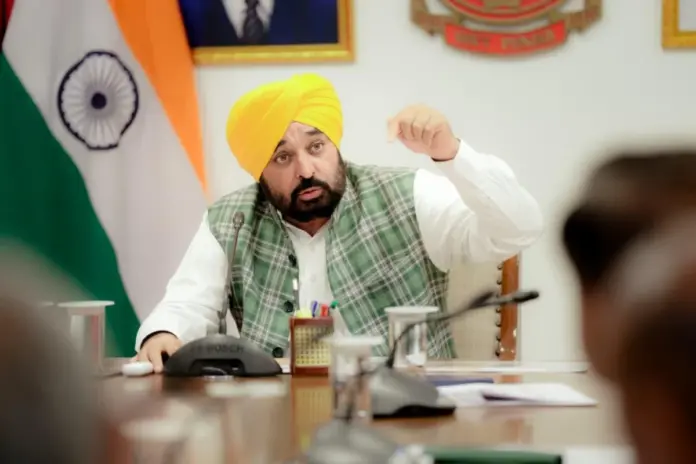
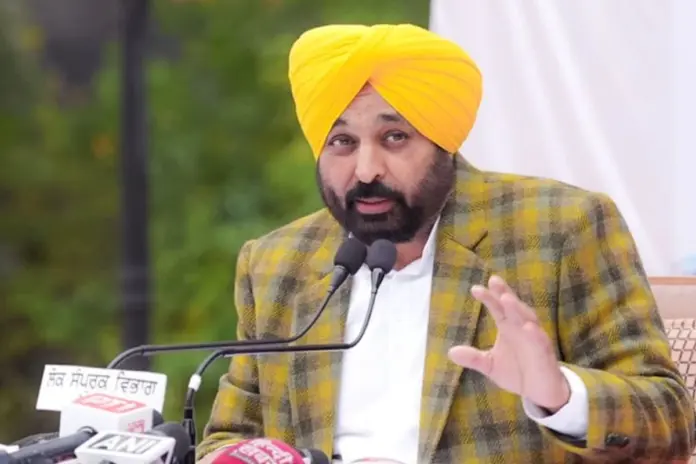
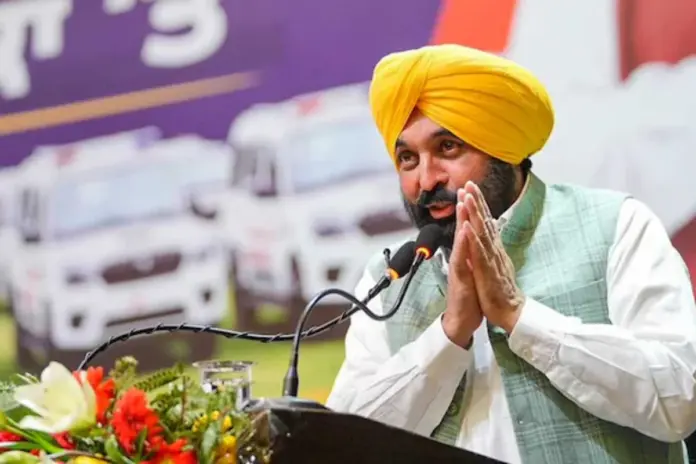
Punjab Chief Minister Bhagwant Singh Mann on Monday flagged off 250 new PRTC buses in Patiala, describing the move as a major step towards strengthening public transport, generating employment, and accelerating overall development across Punjab. CM Bhagwant Singh Mann outlined his government’s dual focus on infrastructure expansion and people-centric governance.

Sharing details of the transport expansion, CM Bhagwant Singh Mann said, “Today in Patiala, 250 new buses were flagged off and added to the PRTC fleet. This is not merely an improvement in transport facilities, but a significant step towards providing people with better, safer and more comfortable travel. This will strengthen public transport and also create new employment opportunities for the youth. In the coming days, more than 300 additional buses will be inducted into the PRTC fleet. The government is consistently making such efforts to enhance public convenience and move Punjab forward on the path of progress.”

Emphasising the scale of the expansion, CM Bhagwant Singh Mann stated, “It is a matter of immense pride and satisfaction that 254 ordinary buses and 100 mini buses will be added to the fleet of PRTC by the end of May 2026.” He also noted that tenders have already been floated for 309 more buses, further strengthening the state’s transport network.

Highlighting the employment potential, CM Bhagwant Singh Mann said, “This will pave the way for creating employment opportunities for 681 persons,” adding, “Around 110 ordinary buses were earlier added to the PRTC fleet in 2024, which had provided employment to 165 persons.” He further added, “Tender for induction of 309 more buses has also been floated, which will provide employment to 928 persons.”

Underlining the improved financial health of the corporation, CM Bhagwant Singh Mann stated, “PRTC has registered a 53% increase in gross revenue, rising from ₹607.09 crore in the financial year 2021–22 to ₹927.83 crore in 2024–25.” He added, “In the current financial year 2025–26, PRTC is expected to cross ₹950 crore in gross revenue, reflecting nearly 57% growth.”

Reaffirming the AAP Government’s commitment to welfare, CM Bhagwant Singh Mann said, “Since 2022, PRTC has provided free travel facility to 34.63 crore women commuters of Punjab at a cost of ₹1574 crore.” He further added, “Under the Mukh Mantri Tirath Yatra scheme, PRTC has provided free HVAC bus travel facility worth ₹2.21 crore, enabling 9,529 passengers to visit religious places within and outside Punjab.”

Linking transport expansion with broader development, CM Bhagwant Singh Mann said, “With the expansion of the bus fleet, people in both urban and rural areas will be able to travel safely and comfortably.” He added that Punjab is rapidly moving on the path of development and the government is accelerating efforts to bridge the gaps of decades.

CM Bhagwant Singh Mann said, “Our government is undertaking multi-dimensional development to restore Punjab to its former glory as a Rangla Punjab.”

Detailing development works in the region, CM Bhagwant Singh Mann said, “Since assuming office, our government has spent approximately ₹400 crore on development works across various departments in the Patiala Rural constituency, transforming its overall landscape.” He further noted that crores of rupees have been continuously invested since 2022 to strengthen infrastructure and public services.

On agriculture, CM Bhagwant Singh Mann said, “To make farming profitable again, which had become a loss-making occupation, our government has spent ₹60 crore through the Agriculture and Farmers Welfare Department on multiple initiatives.”

Highlighting improvements in healthcare, CM Bhagwant Singh Mann stated, “₹7.91 crore has been spent over the past four years on three projects through the Health and Family Welfare Department, while an additional ₹14.54 crore is currently being spent on expanding healthcare services.”

On education, CM Bhagwant Singh Mann said, “With the aim of providing world-class school education to Punjab’s children, the government has spent ₹825.22 crore on eight projects through the School Education Department between 2022 and 2026, with additional projects worth ₹80.92 crore currently underway.”

Focusing on infrastructure, CM Bhagwant Singh Mann stated, “₹6.71 crore has been spent on 17 works through the Public Works Department, while ₹21.02 crore is being spent on 11 ongoing works and ₹23.03 crore will be spent on 21 additional projects.”

On rural infrastructure, CM Bhagwant Singh Mann asserted, “₹12.98 crore has been spent through the Punjab Mandi Board on eight works, including repairs, new construction, and mandi infrastructure expansion, while additional works are ongoing and planned.”

Highlighting flood prevention measures, CM Bhagwant Singh Mann stated, “₹1.27 crore has been spent since 2022 on river cleaning and flood control works, with more projects underway and planned.”

On urban and sewerage infrastructure, CM Bhagwant Singh Mann noted, “₹1.34 crore has been spent on two works through the Sewerage Board, while two major projects worth ₹366 crore are currently underway to strengthen infrastructure.”

Detailing urban development, CM Bhagwant Singh Mann added, “₹42.16 crore has been spent over the past four years on 114 works across wards through the Municipal Corporation, with several projects ongoing and more in the pipeline.”

On water conservation, CM Bhagwant Singh Mann said, “₹1.24 crore has been spent on underground pipelines and water preservation works through the Soil Conservation Department, with ongoing and upcoming projects further strengthening efforts.”

He further highlighted investments across departments including Rural Development, Patiala Development Authority, Punjab State Power Corporation Limited, Panchayati Raj, and Water Supply and Sanitation, noting that extensive works are underway and planned to strengthen infrastructure and improve quality of life.

Seeking continued public support, CM Bhagwant Singh Mann asserted, “To continue these development works at the same pace, we require the support and cooperation of all of you.” He added, “I am confident that just as you supported our party wholeheartedly in the previous elections, you will continue to stand with us in the 2027 elections as well.”

Akalis haven’t given up their habit of looting Punjab; they were caught stealing electricity at rally: CM Bhagwant Singh Mann

CM Mann

Punjab Chief Minister Bhagwant Singh Mann on Monday sharpened his attack on the Shiromani Akali Dal (SAD), stating that leaders who were caught stealing electricity at a public rally have not abandoned their habit of looting Punjab, and warned that even out of power they continue such acts, raising serious concerns about the damage they would inflict if they returned to government. Calling them habitual offenders who earlier looted sand and buses and are now resorting to power theft, he said such conduct reflects their entrenched mindset of exploiting public resources.

Building on this, the Chief Minister on Monday called upon people to socially boycott leaders of the Shiromani Akali Dal (SAD), asserting that those responsible for beadbi (sacrilege) and atrocities against the people must be held accountable.

Addressing a gathering in Patiala, CM Bhagwant Singh Mann said, “These people bruised the psyche of every common man by allowing the sacrilege of Sri Guru Granth Sahib ji during their regime. These traitors can never be forgiven as they are responsible for desecration of Sri Guru Granth Sahib and their hands were drenched with the blood of innocent masses.”

He added, “Support to Akali Dal means consent to bring back an era of sacrilege of Sri Guru Granth Sahib ji, firing on innocent protestors, and atrocities on the common man.”

Calling for firm public action, CM Bhagwant Singh Mann said, “Those who have ruined the generations of the state and were responsible for sacrilege of Sri Guru Granth Sahib ji deserve no leniency and must be taught a lesson. Social boycott of these leaders is the need of the hour so that they are not able to cause any further loss to the state and its people.” He wondered how some people, due to vested interests, were raising slogans in favour of such leaders despite their actions.

Highlighting the political functioning of the Akali leadership, CM Bhagwant Singh Mann asserted, “These people have always mixed politics and religion for their vested interests and have always undermined the authority of Sri Akal Takht Sahib.” Citing examples, he added, “Jathedars are appointed and ousted as per the whims and fancies of the Akali leadership, giving a severe blow to their position.”

Taking a dig at the Akali Dal’s so-called ‘Punjab Bachao Yatra’, he remarked, “The so-called Punjab Bachao Yatra is actually a ‘Parivar Bachao Yatra’. After looting the state for 15 years, they must explain from whom they are trying to save Punjab.”

CM Bhagwant Singh Mann said, “The Akalis have plundered the state mercilessly, bruised the psyche of Punjabis emotionally, and patronised several mafias in the state. The Akali leadership can never be forgiven as it was responsible for the genocide of several generations of the state as the drug trade was patronised by them and flourished during their long era of misrule.”

Referring to Sukhbir Singh Badal, he added, “Sukhbir Singh Badal frequently defames AAP karyakartas because they raise the voice of the people.”

Continuing his criticism, CM Bhagwant Singh Mann said, “These people became affluent and amassed huge wealth by usurping facilities meant for the common man. The former Deputy Chief Minister has forgotten that the state deteriorated during their long misrule when the mafia ruled the roost.” He further added, “Even late Parkash Singh Badal had never made Sukhbir the head of the state as he knew the former Deputy Chief Minister would put the state in disarray.”

Targeting priorities of the opposition, CM Bhagwant Singh Mann said, “Instead of talking about education and welfare schemes, Sukhbir is talking about buffaloes, which reflects his myopic mindset that he does not want the youth of the state to become officers.”

He added, “The Akali leader is begging for one chance from the people, probably forgetting that they were given a chance five times. Instead of serving the people, they looted the masses and the state, due to which they were shown the door by the people.”

Referring to a recent incident, CM Bhagwant Singh Mann said, “At a function in Sri Muktsar Sahib, the Akali leadership was caught stealing power, and the state government will lodge a case against them. What welfare can be expected from such people who indulge in petty crimes like power theft?” He contrasted this by stating that his government is making strenuous efforts for the well-being of every section of society.

CM Bhagwant Singh Mann further said, “Sukhbir Singh Badal is a convent-educated political leader who is not aware of the basic topography of Punjab but wants to attain political power in the state. These leaders plundered the state mercilessly and minted money illegally during their days in power. They deserve no mercy as they derailed the development of the state for their vested political interests.”

He added, “These people have only ‘one-way’ pockets as they acquire money through illegal means rather than giving it to the people. The former Deputy Chief Minister distributed money from Golaks during floods rather than from his own business.” He further remarked, “The former Deputy Chief Minister is totally ignorant about the history, topography, and culture of the state and cannot even differentiate between crops.”

Taking aim at traditional political parties, CM Bhagwant Singh Mann said, “The Congress and Akali Dal acted like termites that ruined the state after independence, causing Punjab to lag behind in development. They damaged the state economically, socially, politically, and even religiously, but Punjab is now back on the right track due to the steps taken by our government.”

Highlighting the social impact of past policies, CM Bhagwant Singh Mann said, “Due to the wrong policies of these leaders, youth got addicted to drugs and many left the country in search of better opportunities. These parties only wait for their turn in power to plunder the wealth of the state. They are never concerned about the welfare of people and only seek to satisfy their lust for power.”

Drawing a contrast in governance approach, CM Bhagwant Singh Mann said, “From our stage, we speak about education, health, power, agriculture, and other sectors, whereas other parties focus only on grabbing power. These opportunist leaders are baffled as people are not responding to them because their agenda is limited to their families rather than the public.” He added that people had elected the AAP due to the incompetence and misrule of previous governments.

Referring again to opposition parties, CM Bhagwant Singh Mann said, “These traditional parties have never been loyal to Punjab and its people. They are envious because AAP has set the agenda of welfare of the common people.” He quipped that the Congress leadership is a divided house, stating that more leaders are seen on stage than karyakartas in their rallies, and added that they lack vision for Punjab.

Emphasising long-term solutions, CM Bhagwant Singh Mann asserted, “No freebie or concession can eliminate poverty or social evils; education is the key to lifting people out of this cycle by improving their standard of living.” He added, “Education is the light that dispels darkness, and that is why the government is focusing on transforming government schools, leading to improved student performance.”

On power and agriculture, CM Bhagwant Singh Mann said, “For the first time in the state’s history, more than eight hours of uninterrupted power was supplied to farm tube wells during the paddy season, and farmers are now receiving daytime electricity, transforming their lives.” He reiterated that every penny of public money is being used judiciously for welfare.

Highlighting investment and healthcare, CM Bhagwant Singh Mann said, “The best parameter of law and order is investment, and the fact that Tata Steel has set up its second-largest plant in Punjab reflects confidence in the state.” He added, “Under Mukh Mantri Sehat Yojna, health cards are being issued to 65 lakh families, entitling them to free treatment up to ₹10 lakh, with over 30 lakh beneficiaries already covered.”

He further said, “Around 1.65 lakh people have already received free treatment under the scheme, and people should take maximum benefit of these cards. Tax money belongs to the people and is being spent on their welfare through development, schools, hospitals, and roads.” He added that the government has provided free electricity to 90% of households, created over 65,000 government jobs without corruption, improved roads, closed toll plazas saving ₹70 lakh daily, and is strengthening infrastructure.

On social welfare measures, CM Bhagwant Singh Mann said, “Under Mawan Dheeyan Satkar Yojna, every woman will receive ₹1,000 per month and ₹1,500 for women belonging to Scheduled Castes, with direct transfer to bank accounts. Women already receiving social security pensions will also be eligible.” He added, “Around 97% of women in Punjab are expected to benefit, and ₹9,300 crore has been allocated in the budget.”

Responding to critics, CM Bhagwant Singh Mann said, “Those mocking this scheme or raising baseless questions do not understand the value of ₹1,000 for a common person. Those who spend more than ₹5,000 per meal from illegally earned money do not value this support, which is crucial for households that struggle even during festivals.” He added that such affluent leaders are disconnected from the realities of ordinary families.

Cabinet Ministers Harpal Singh Cheema, Aman Arora, Lal Chand Kataruchak, Harbhajan Singh ETO, Barinder Goyal, Tarunpreet Singh Sondh, and Hardeep Singh Mundian, along with Vice Chancellor Maharaja Bhupinder Singh Punjab Sports University Dr. Pushpinder Singh Gill, were also present on the occasion.

Punjab’s Power department, once running in losses, is now in profit even after providing free electricity to 90% of households for past 4 years: CM Bhagwant Singh Mann

CM Mann

Punjab Chief Minister Bhagwant Singh Mann on Monday asserted that Punjab’s power sector has undergone a structural turnaround under the Aam Aadmi Party (AAP) government, with the once loss-making department now recording profits even while providing free electricity to 90% of households. He highlighted that the government not only ensured zero electricity bills for the majority of families through 600 units of free power, but also reversed the earlier trend of selling public assets by acquiring the 540 MW Govindwal Thermal Power Plant and significantly improving its efficiency.

The Chief Minister underlined that tariffs have been reduced across categories including commercial and industrial consumers, farmers are receiving uninterrupted power supply, and infrastructure has been strengthened through new substations and transformers. Emphasising employment generation, he noted that 9,593 youth have been given jobs in the power sector with recruitment for 1,750 more posts underway, while the Punjab Power Department (PSPCL) has secured an A+ rating, ranking second nationally, reflecting the government’s push to make Punjab self-reliant in power while guaranteeing free and 24×7 electricity for the people.

Addressing a press conference, CM Bhagwant Singh Mann said, “The AAP government has set a new record by providing cheap and uninterrupted power supply to every sector. For the first time, power is being supplied regularly to people without additional financial burden,” said CM Bhagwant Singh Mann. He added, “When we assumed office, only 22% canal water was being used for irrigation, but today 78% is being utilised, and it will be enhanced to 90% by the coming paddy season.”

Highlighting irrigation reforms, CM Bhagwant Singh Mann asserted, “Bhakra Canal has a capacity of 9,500 cusecs, but due to our efforts, 11,000 cusecs of canal water is now being supplied to farmers. In a way, Punjab has created a new Bhakra canal without acquiring even a single inch of land.” He added, “For the first time, every single drop of water is being accounted for, boosting agricultural productivity, and free power to the agriculture sector will continue without any review.”

On power supply, CM Bhagwant Singh Mann said, “For the first time, farmers received more than eight hours of power supply during paddy season, with 95% supply ensured during daytime.” He further added, “300 units of free electricity per month are being provided to domestic consumers, and around 90% of households are receiving zero electricity bills.”

Detailing employment generation, CM Bhagwant Singh Mann asserted, “Since April 2022, around 9,593 employees have been recruited in PSPCL and PSTCL, including 8,014 direct recruitments and 1,579 jobs on compassionate grounds.” He added, “Recruitment for 1,181 posts in PSPCL and 569 in PSTCL is underway and will be completed by June 2026.”

Highlighting record achievements, CM Bhagwant Singh Mann said, “Punjab met a peak power demand of 16,670 MW on June 5, 2025, surpassing the previous record of 16,058 MW on June 29, 2024.” He added, “While public assets are being privatised elsewhere, the Punjab Government acquired a private thermal plant at a cost of ₹1,080 crore, setting a new benchmark.”

Referring to the acquisition, CM Bhagwant Singh Mann said, “A new plant of similar capacity would cost ₹4,320 crore, making this the cheapest deal by any government. The plant earlier known as GVK Thermal Power Plant has been renamed after Sri Guru Amar Das Ji.” He added, “Since its acquisition in February 2024, the Guru Amar Das Thermal Plant at Goindwal Sahib has improved significantly, with PLF rising from 34% to 65% in FY 2024–25, touching 90% in July 2024 and 82% in July 2025.”

On infrastructure and fuel supply, CM Bhagwant Singh Mann said, “Transmission capacity has increased from 7,400/8,000 MW to 10,400/10,900 MW, enabling higher power import from the national grid.” He added, “Coal supply from Pachwara Coal Mine has resumed, supplying 70 lakh metric tonnes in 2024–25 and saving ₹1,462 crore since October 2022.”

He further affirmed, “There is no coal shortage in any thermal plant, with Ropar having 41 days stock, Lehra Mohabbat 37 days, and Goindwal Sahib 32 days.” He added that the 206 MW Shahpur Kandi Hydel Project is expected to begin generation by May 2027, with ₹5,192.51 crore already spent till September 2025.

Promoting clean energy, CM Bhagwant Singh Mann said, “The share of green energy will be increased from 20% to 80% in the next six years.” He added, “2,720 MW solar power has been tied up at ₹2.33–₹2.97 per unit, compared to ₹15.20 per unit during previous regimes.” He further stated, “2,062 MW solar is under implementation, 658 MW has been commissioned, and 581 MW rooftop solar has been installed.”

Detailing network strengthening, CM Bhagwant Singh Mann asserted, “26 new 66 KV substations have been set up, 194 transformers upgraded, 34 new added, with 2,738 MVA capacity addition and 337 circuit km of new lines.”

Announcing a new initiative, CM Bhagwant Singh Mann said, “The government will soon launch a scheme to put high-tension wires passing through farmers’ fields underground, starting from my native village where 413 tube wells and 1,100 बिजली poles are spread across 2,000 acres.” He added, “This will reduce risk to farmers and their crops and provide major relief.”

On law and order, CM Bhagwant Singh Mann said, “Punjab Police is being upgraded to tackle cybercrime effectively, and strict action will be taken against black sheep colluding with drug smugglers.” He added that following complaints in Bathinda, police personnel at a station had been transferred.

Addressing farmers’ concerns, CM Bhagwant Singh Mann asserted, “Special Girdawari has been ordered to assess wheat crop damage due to recent weather, and compensation will be provided as per norms after reports from Deputy Commissioners.” He assured, “The government is committed to safeguarding farmers’ interests and will compensate losses caused by natural calamities.”

Cabinet Minister Sanjeev Arora and others were also present on the occasion.

PM Kisan Samman Nidhi 23rd Installment Update: Key Requirement Farmers Must Complete to Receive Payment

PM Fasal Bima Yojana
Image Credit: Google

The PM Kisan Samman Nidhi 23rd Installment continues to provide financial support to millions of farmers across India. After the release of the 22nd installment on March 13, 2026, beneficiaries are now awaiting the 23rd installment.

Under the scheme, eligible farmers receive ₹6,000 annually in three equal installments. The amount is directly transferred to their bank accounts through Direct Benefit Transfer (DBT).

When is the PM Kisan Samman Nidhi 23rd installment expected?

As per the scheme’s cycle of releasing funds every four months, the 23rd installment is expected between July and August 2026. However, no official confirmation has been issued by the government yet.

Farmers are advised to stay updated through official portals. Timely verification of details can help avoid delays.

Mandatory requirements to receive the installment

The government has made it clear that only eligible farmers who complete all required formalities will receive the payment. One of the most crucial requirements is completing e-KYC.

If e-KYC is not done, the installment may get delayed or stopped. Farmers must ensure that their verification is completed through the official platform.

Aadhaar and bank account linking essential

Another important requirement is linking Aadhaar with the bank account. Without proper linkage, the Direct Benefit Transfer may fail.

Farmers should verify that their bank details are correct and updated. Any mismatch in records can lead to payment issues.

Land verification now compulsory

The government has also made land verification mandatory for beneficiaries. This ensures that only genuine farmers receive the benefits of the scheme.

Incomplete or incorrect land records may result in the installment being withheld. Farmers are encouraged to complete this process at the earliest.

Who is eligible for PM Kisan benefits?

The scheme is meant for farmers who own cultivable land and are registered in government records. Proper documentation and updated records are essential for eligibility.

Additionally, families where members are income taxpayers or hold certain government positions may not qualify. Eligibility criteria must be carefully checked.

Significant financial support to farmers

According to official data, over ₹4.27 lakh crore has been transferred to farmers up to the 22nd installment. The scheme has played a crucial role in supporting agricultural expenses.

It has especially benefited small and marginal farmers. The financial aid helps in managing input costs and improving productivity.

Anurag Dhanda Raises Concerns Over Rupee Fall, Highlights Public Issues in Weekly Review

Aam Aadmi Party leader Anurag Dhanda raised concerns over the recent fall of the Indian Rupee against the US Dollar, bringing attention to key economic developments. He also referred to the increase in commercial gas prices while discussing recent issues.

The remarks were shared as part of a weekly overview of major developments. The discussion reflects ongoing political attention on economic trends.

Anurag Dhanda: Rupee depreciation draws political attention

Anurag Dhanda pointed out that the Rupee has weakened against the Dollar, touching levels close to 94.86. The issue has recently gained traction in national political discussions.

He noted that such economic indicators are being closely observed by both policymakers and opposition leaders. The matter continues to be part of broader economic debates.

Mention of rising commercial gas prices

The AAP leader also highlighted the rise in commercial LPG gas prices. He indicated that changes in fuel prices have an impact on businesses and service sectors.

Rising operational costs can influence multiple industries. The issue remains a point of discussion in policy and economic circles.

Weekly recap shared through social media

A clip shared from Anurag Dhanda’s official social media account compiled key developments from the past week. It included economic updates as well as political highlights from different states.

The post presented a mix of national and regional issues. It aimed to inform the public about recent developments.

Reference to political developments

The weekly recap also mentioned political developments, including discussions around elections and governance-related matters. These references were part of a broader summary of recent news events.

Observers note that such recaps are increasingly used by leaders to communicate with the public. They help present perspectives on current affairs.

Highlight on healthcare expansion in Punjab

Alongside national issues, Anurag Dhanda also highlighted developments in Punjab. He referred to the expansion of healthcare services through the inauguration of additional Aam Aadmi Clinics.

According to him, these clinics aim to improve access to basic healthcare. Free medicines and diagnostic services are being provided to citizens.

Focus on public welfare initiatives

The mention of healthcare initiatives was presented as an example of welfare-focused governance. Expanding medical infrastructure is seen as a step towards better public service delivery.

Such initiatives aim to make healthcare more accessible. They are particularly beneficial for economically weaker sections.

Balanced political messaging

Anurag Dhanda’s remarks combined economic observations with governance-related updates. The communication focused on raising issues while also highlighting developmental efforts.

Viral Video: Mother Saves Herself, Abandons Baby in Cradle As Stray Bull Enters Home Premises, Netizens Shocked

Viral- Video
Google

Viral Video: A disturbing CCTV video has gone viral showing a mother leaving her infant in a cradle as a stray bull approaches. In a moment of panic, she rushes inside to save herself and watches the situation unfold from the doorway, leaving viewers shocked and emotional.

 What Happened?

According to the viral footage, the incident takes place outside a house where a baby is peacefully lying in a cradle near the entrance. Suddenly, a stray bull enters the premises, creating a tense and dangerous situation.In those few critical seconds, the mother reacts out of fear and quickly runs inside the house, leaving the infant behind. She is then seen standing at the door, watching helplessly as the bull moves closer to the cradle. The clip ends without clarity on what happens next, but the moment itself has deeply impacted viewers.

 Fear vs Responsibility: A Tough Question

This incident raises a difficult question: Was it pure fear that drove the mother’s reaction, or should responsibility have taken priority? While fear can trigger instant survival instincts, many believe that a parent’s first reaction should be to protect their child, even in dangerous situations. At the same time, others argue that panic can make anyone act unpredictably.

 Public Reaction

The video has sparked intense reactions online. Some users expressed anger, calling the act irresponsible and heartbreaking. Others showed sympathy, saying that fear can overpower even the strongest instincts. Many people also pointed out how such situations highlight the importance of being alert and prepared for emergencies.

Note: This Article has been done on the information provided in this viral video/ post. DNP India doesn’t endorse, subscribe or verify the claims.