Home Blog Page 48

Punjab Police’s Citizen-Centric Policing Strengthens Public Trust, Creates Secure Environment for Industry and Investment

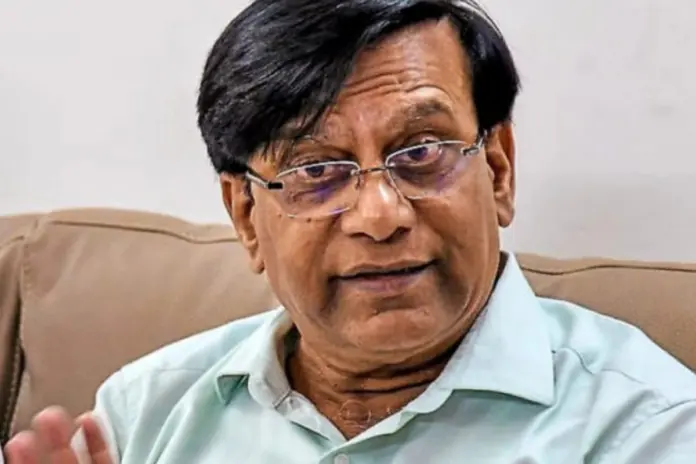
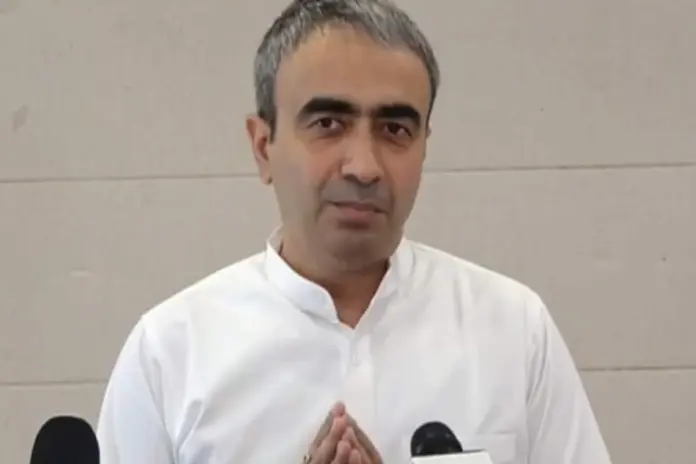
DGP Gaurav Yadav

Punjab Police is setting new benchmarks in modern-day policing by strengthening the bond between citizens and law enforcement while creating a safe and secure environment across the state. Ludhiana, Punjab’s industrial hub, is emerging as a prime example of this citizen-centric approach, with leading industrialists and residents acknowledging the visible improvements in policing, community engagement and crime prevention initiatives.

Under the leadership of Punjab Director General of Police (DGP) Gaurav Yadav, Punjab Police has intensified efforts to ensure a crime-free atmosphere, earning appreciation from people across different sections of society. From swift action against criminal activities to strengthening community policing, the force has focused on building public confidence and fostering a sense of security among citizens.

Ludhiana-based industrialist Anmol Sood highlighted the positive impact of policing on the business community and said, “Through business perspective, Punjab Police has helped us a lot to provide a sense of security. I remember, there was an incident, when some goons tried to grab our land and the police reacted within minutes. This is just one example of many good works being done by the police. The kind of community policing being done here in Ludhiana is not only appreciable, but its outcome is also very helpful for the residents.”

His brother and business partner Sanchit Sood said the visible decline in criminal activities has reinforced public confidence in law enforcement. “We no longer hear cases related to extortion calls in the state. It’s the outcome of several operations launched by the local police under the supervision of DGP Gaurav Yadav. The police are ensuring community policing, swift action and every possible measure to provide a hassle-free living environment for everyone in the state.”

Sharing the broader vision behind Punjab Police’s initiatives, DGP Gaurav Yadav said, “The Punjab Police is committed 24×7 to the welfare of the state and its citizens. We have developed a good rapport with people from different walks of life through various programs. From using Artificial Intelligence (AI) to conducting open-dialogue events, Punjab Police is reaching out to every citizen to develop a sense of security.”

The growing confidence of industry in Punjab’s law-and-order environment comes at a time when the state is witnessing significant investment inflows. Punjab has attracted investments worth ₹57,000 crore over the past year, emerging as one of India’s most promising investment destinations. The safe and stable environment created by Punjab Police has played a vital role in supporting economic growth and encouraging new investments.

Punjab Chief Minister Bhagwant Singh Mann has also been actively engaging global investors to strengthen Punjab’s industrial ecosystem. During his visit to the Netherlands, he invited NXP Semiconductors to explore setting up a research and development centre in Mohali as part of the state’s efforts to attract investment in the electronics and semiconductor sector. Similarly, Navrattan Cement Industries recently announced an initial investment of ₹250 crore to establish a green cement manufacturing unit in Rai Majra village of Rajpura.

Subhash Chander Ralhan, President of the Ludhiana Hand Tools Association (LHTA), said the prompt response of Punjab Police has significantly improved the sense of safety among residents and businesses. “We have hundreds of people working for us, and it’s not easy to provide a safe environment to everyone. The city has witnessed a dip in snatching cases. We had requested for an extra layer of security to stop the crime in our locality, and the matter was solved within no time. Such quick actions are enough for citizens to earn full faith in the police.”

Industrialist Arun Sharma, who has been running his business in Ludhiana for nearly four decades, also appreciated the transformation in policing. “I have seen both dark and good times, but the current policing in the state is something appreciable. The fear of approaching the police with a problem is long gone, and the swift action towards solving the problems is something helpful.”

Further strengthening its technology-driven policing framework, Punjab Police recently operationalised an Integrated Command and Control Centre (ICCC) in Ludhiana. The facility integrates traffic monitoring, police control room operations and surveillance systems under one roof, enabling faster response times and improving investigative capabilities.

Ludhiana Commissioner of Police Swapan Sharma said the force remains committed to ensuring public safety through constant engagement with citizens and proactive policing measures. “Punjab Police is one of the most courageous forces in the nation, dedicated to the welfare of the masses. The entire force functions round the clock, and we are planning massively towards achieving our aim of a ‘Safe Punjab, Successful Punjab’. Modern-day policing needs community participation, and the best the citizens can do is to pass on the information. The moment information comes, the police act.”

Highlighting efforts to deepen public participation, he added, “Through various projects, we have involved citizens for an open dialogue. The police are conducting various meetings with morchas, schools, doctors, businessmen, NGOs, and many others to have better communication and solutions to their problems. Getting feedback from the public helps us get better with each passing day.”

Punjab Police’s campaign against organised crime has also yielded significant results. Despite the challenges of policing a border state, the force has aggressively pursued criminal networks through Operation Gangstran Te Vaar, aimed at dismantling gang syndicates and disrupting their activities.

Explaining the broader objectives of the operation, Swapan Sharma said, “The gangsters themselves are sitting in safe havens and lure young Punjabi youth to carry out their illegal work. Punjab Police, in the last four months, has launched a massive operation against criminals. In my view, I would suggest that youngsters study, contribute to the country’s growth and think about their own lives. This operation has helped the people of the state revive their bond with the police. The operation is not only limited to arresting criminals but also helps Punjab Police strengthen its intelligence and surveillance capabilities while providing a greater sense of security to citizens.”

Sri Anandpur Sahib Heritage Street project approved, linking Quilla Sri Anandgarh Sahib, Takht Sri Kesgarh Sahib & historic Gurdwaras: CM Bhagwant Singh Mann

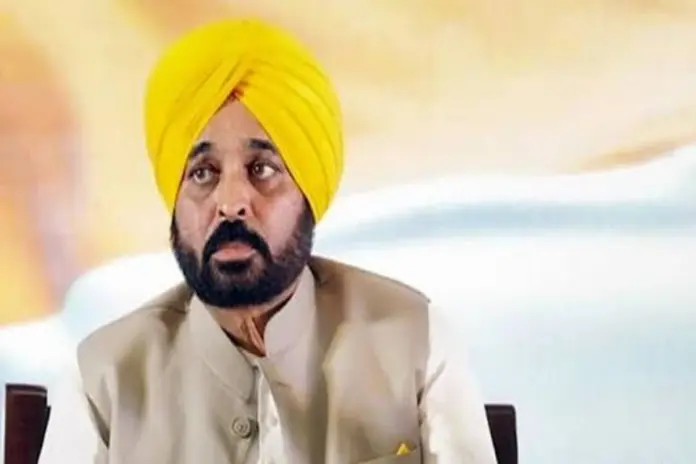
CM Mann

Punjab Chief Minister Bhagwant Singh Mann on Wednesday reviewed two landmark projects aimed at strengthening Punjab’s cultural identity and showcasing its rich heritage to the world. Chairing a high-level meeting of the Tourism and Cultural Affairs Department, CM Bhagwant Singh Mann approved the construction of a grand Welcome Gate at the Shambhu border, designed to celebrate Punjab’s ‘Panj-ab’ identity and architectural legacy, while also clearing the revised Heritage Street project at Sri Anandpur Sahib.

The Heritage Street will connect Quilla Sri Anandgarh Sahib, Takht Sri Kesgarh Sahib and other historic Gurdwaras, creating a seamless spiritual and cultural corridor for devotees and visitors, while reinforcing Punjab’s commitment to preserving its religious and historical heritage.

CM Bhagwant Singh Mann approved the revised plan for the proposed Heritage Street at Sri Anandpur Sahib, one of Sikhism’s most revered historic and spiritual centres. “The proposed Heritage Street at Sri Anandpur Sahib will begin from the roundabout near Quilla Anandgarh Sahib and extend to Takht Sri Kesgarh Sahib Park, Gurdwara Sisganj Sahib and Gurdwara Bhora Sahib. The project has been conceived to further strengthen the spiritual and heritage experience for devotees and visitors,” said CM Bhagwant Singh Mann.

He further stated that all necessary approvals would be secured from the concerned authorities to ensure smooth execution of the project. “The design will be duly approved by the Ministry of Tourism, Government of India, and other competent authorities. A high-powered committee will also be constituted to oversee the smooth and hassle-free implementation and execution of the project,” he added.

Discussing the ambitious Shambhu Welcome Gate project, CM Bhagwant Singh Mann said, “The magnificent Welcome Gate coming up at Shambhu border will duly reflect the grandeur of Punjab. The gate will be constructed on the four-lane NHAI (National Highway Authority of India) at a cost of ₹12 crore and will stand as a tribute to our glorious heritage and traditions.”

The Chief Minister explained that the architectural marvel has been designed to seamlessly integrate with the existing highway infrastructure while maximizing its visual appeal. “The structure will span the central median and flank the service roads, creating a striking visual identity at the gateway to Punjab. Designed as a monumental tribute to Punjab’s cultural heritage and traditional architectural language, it will incorporate detailed craftsmanship that reflects the soul of the state,” he stated.

Highlighting the unique cultural elements embedded in the design, CM Bhagwant Singh Mann said the gate would showcase regional artistry through a range of traditional motifs and architectural features. “The gate will feature stone cladding, FRP work, intricate jali patterns, Phulkari-inspired artwork and several other elements reflecting Punjab’s rich artistic traditions. The design concept honours the etymology of ‘Panj-ab’, meaning the land of five waters, and this idea has been architecturally represented through a rhythm of fives, with five domes on each side of the gateway symbolising the unity of the state’s five rivers,” he added.

Cabinet Ministers Harjot Singh Bains and Tarunpreet Singh Sond were also present during the meeting, along with other senior officials.

Delhi Fire: Why Aren’t We Learning From Past Mistakes? Capital’s Deadly Fires Tracked

Delhi- Fire
Google

Delhi has witnessed several devastating fire incidents over the years, claiming lives and causing extensive property damage. Despite repeated warnings and investigations, similar tragedies continue to occur, raising concerns about safety standards and enforcement across the city.

A City Haunted by Repeated Fire Disasters

Major fires have occurred in factories, hospitals, coaching centres, commercial complexes, and residential buildings. Each incident has exposed serious gaps in fire safety measures and emergency preparedness.

The Human Cost of Every Tragedy

Behind every fire incident are families who lose loved ones, businesses that suffer heavy losses, and communities left shaken by the devastation. 

Common Reasons Behind Deadly Fires

Investigations into past incidents have frequently pointed to faulty electrical wiring, overcrowded buildings, blocked exits, fire safety violations, and inadequate emergency systems as major causes.

Why Safety Lessons Are Not Being Implemented

Although inquiries are conducted after every major fire, experts often highlight weak enforcement of regulations and a lack of regular inspections.

Challenges Faced During Rescue Operations

Firefighters often struggle with narrow roads, heavy traffic, illegal encroachments, and densely populated areas. These obstacles can delay rescue efforts and make firefighting operations more difficult.

Need for Stricter Fire Safety Enforcement

Authorities have repeatedly stressed the importance of regular safety audits and strict action against violators. Stronger implementation of fire safety norms could help prevent future disasters.

Public Awareness Can Save Lives

Fire safety is not only the responsibility of authorities. Residents, business owners, and institutions must also ensure that emergency exits remain accessible and safety equipment is properly maintained.

Can Delhi Prevent Future Tragedies?

As the capital continues to witness recurring fire incidents, there is growing pressure on authorities to take decisive action. Many believe that unless lessons from previous disasters are implemented, similar tragedies could continue to occur.

Peddi Movie Review: Ram Charan-Jahnvi Kapoor Starrer Pleases Crowd, Touches The Sky Before Tripping Over

Peddi -Movie- Review
Google

Peddi Movie Review: After months of anticipation, Peddi has finally arrived on the big screen. Directed by Buchi Babu Sana, the sports drama combines emotion, action, village politics, and inspiring underdog moments. While the film delivers several crowd-pleasing highs and showcases Ram Charan in top form, its uneven writing prevents it from becoming the masterpiece it aims to be.

A Powerful Story With Strong Emotional Roots

Set in a rural backdrop, Peddi follows the journey of a local hero who becomes a symbol of hope for his people. The film blends sports with social issues, giving the story a larger purpose beyond just winning matches.

Ram Charan Delivers One of His Finest Performances

There is one reason to watch Peddi, and that is Ram Charan. The actor fully commits to the role and brings tremendous energy, intensity, and vulnerability to the character.

Janhvi Kapoor Adds Charm But Gets Limited Scope

Janhvi Kapoor looks confident on screen and shares decent chemistry with Ram Charan. However, her character is not explored deeply enough and often feels underutilized within the larger narrative.

Sports Drama Meets Mass Entertainment

The film successfully blends sports action with commercial cinema elements. The stadium moments, inspirational scenes, and heroic elevations are designed to excite audiences and generate applause in theaters.

A Film That Balances Emotion and Entertainment

Peddi successfully combines heartfelt emotions with commercial entertainment, creating an experience that appeals to both family audiences and fans of mass cinema. The film explores themes of ambition, self-respect, family bonds, and perseverance while also delivering exciting sports sequences, action-packed moments, and powerful hero elevations.

Suryakumar Yadav To Get Marching Orders Today From T20I Captaincy? Ishan Kishan Among Top Contenders, Check Others

Suryakumar -Yadav
Google

Suryakumar Yadav: The future of Indian cricket’s leadership could soon be majorly revised, with reports indicating that Suryakumar Yadav’s role as captain in T20s for India needs re-evaluation. 

Major Captaincy Decision Looms

The cricketing world is eagerly awaiting an official announcement regarding India’s T20I captaincy. Speculation has intensified after reports claimed that the selectors are considering a fresh leadership approach ahead of upcoming international assignments.

Why is the captaincy being reviewed?

There is no denying that Suryakumar Yadav is a strong performer for the Indian national team when it comes to playing T20 cricket; however, the selectors are likely to be contemplating a potential long-term captaincy option who will help lead the quick format of cricket into the next T20 World Cup cycle.

Suryakumar Yadav’s Time In The Spotlight

Suryakumar Yadav has, rightfully, gained attention for his aggressiveness and fearless attitude towards playing the game. Due to his leadership abilities, India has had many impressive results and has remained at the top of T20 cricket.

His Experience Is His Greatest Asset

Suryakumar brings essential experience to this environment with the added intelligence and knowledge gained from playing international cricket that has earned him respect in the Indian changing room. 

Several Options On The Table

The selectors are believed to be evaluating multiple candidates based on leadership skills, consistency, fitness, and plans. The final decision could shape India’s T20 future for years to come.

What Could This Mean For Team India?

A captaincy change would signal the beginning of a new chapter for Indian cricket. It could also bring fresh ideas, new strategies, and a renewed focus on preparing a squad for future global tournaments.

Shocking Washington Drama ! Donald Trump’s Iran Strategy Faces Serious Scrutiny, Congress Takes Historic Step to Limit War Powers

Donald- Trump
Google

Donald Trump: Tensions are continuing to rise in Washington as lawmakers from both parties increasingly question President Donald Trump’s approach toward Iran. The debate intensified after the U.S. House of Representatives passed a war powers resolution aimed at limiting the president’s ability to continue military operations without congressional approval. The measure reflects growing concerns among lawmakers about the expanding conflict and the constitutional balance of power between Congress and the White House.

Congress Makes History

The House of Representatives voted to approve an initiative that will limit the ability of the president to engage in military action against Iran without obtaining prior approval from Congress.

Reason for Lawmakers’ Concern

A significant number of House Democrats believe that military action should have much stricter controls from Congress and that Congress must authorize any significant military engagement.

Political Divisions Are Growing

The vote has exposed the division within Washington’s political parties, with some supporting the president’s policy while others question its long-term impact.

White House Stands By Its Iran Policy

The Trump administration contends that its policies toward Iran are essential to safeguarding U.S. interests and responding to security threats in the region.

Rising Tensions Between Congress and the White House

The War Powers Resolution has intensified the ongoing struggle between Congress and the White House over control of U.S. military decisions.

Calls for Greater Transparency

Critics are demanding more transparency and accountability from the government regarding military operations and foreign policy objectives.

What does this mean for the Future?

Donald Trump: The resolution has intensified the national debate over who should have the authority to make decisions about military engagement. While the measure faces further legislative challenges, it signals increasing congressional involvement in foreign policy matters.

Woman Says ‘Vaibhav Sooryavanshi Is The Perfect PR Bihar Needed,’ Netizens Weigh In

Vaibhav- Sooryavanshi
Google

Vaibhav Sooryavanshi: Young cricket star Vaibhav Sooryavanshi has become a hot topic on social media after a woman’s comment calling him the “perfect PR Bihar needed” went viral. This sparked a lively discussion online. Many users shared their thoughts on the young player’s rising influence and what his success means for Bihar’s image. 

More Than Just a Young Cricketer

As Vaibhav Sooryavanshi’s popularity continues to rise, many fans believe he represents more than sporting talent. His journey from a young athlete to a widely discussed public figure has made him a symbol of ambition, discipline, and the growing confidence of Bihar’s youth. Supporters feel that his success story is helping change perceptions and inspiring young people across the state.

The Comment That Started the Debate 

A social media user recently labeled Vaibhav Sooryavanshi as the perfect boost Bihar needed. Her statement quickly caught the attention of people. Many agreed that the young cricketer’s achievements have brought positive recognition to the state.

The Rise of Vaibhav Sooryavanshi in Cricket

Vaibhav’s success on the cricket field has earned him considerable admiration and respect from cricket fans across the globe. He has shown remarkable skill, confidence, and ability to excel rapidly as a young cricketer, making him one of the most discussed cricketing prospects in India.

The Impact of Social Media Users

While there is a large number of people who are in agreement with the young lady about Vaibhav’s impact, there are also a fair number of people who disagree and feel that there have been many famous Biharis over the years, and one person from Bihar shouldn’t set the standard for Biharis at all. Conversations regarding VT also flowed into more general topics of talent level, representation, and pride in one’s region.

After “Shaadi Shayad Mujhe Shobha Nahi Degi” Remark, Amir Khan All Set To Take The Plunge 3rd Time, Fans Wonder…

Amir- Khan
Google

Amir Khan: Bollywood superstar Aamir Khan is once again making headlines, but this time it is his personal life that has everyone talking. Just a year after saying, “Shaadi shayad mujhe shobha nahi degi” while discussing marriage in his 60s, reports now suggest that the actor may be preparing to marry his partner Gauri Spratt.

When Did Aamir Khan Say Marriage Might Not Suit Him?

During an interaction with the media in 2025, Aamir Khan had humorously remarked that getting married at the age of 60 might not suit him. At the time, he confirmed that he and Gauri Spratt were in a committed relationship but appeared uncertain about walking down the aisle again.

Love Changed His Perspective

Aamir has often spoken warmly about Gauri Spratt and the positive impact she has had on his life. The actor revealed that he was looking for someone who could bring peace and calm into his life, and he found those qualities in Gauri. 

Wedding Reports Spark Buzz

According to multiple reports, Aamir Khan and Gauri Spratt are expected to have an intimate private wedding ceremony. While neither Aamir nor Gauri has officially confirmed the marriage plans, reports suggest that the couple may formalize their relationship in a low-key family gathering.

Fans React to the Big News

Amir Khan: As news of the reported wedding spread online, fans were quick to revisit Aamir’s old statement about marriage. Others expressed happiness that the actor may have found companionship and love once again.

Split In TMC Wide Open: What Does A Weak Mamata Banerjee Mean For The BJP’s West Bengal?

Mamata- Banerjee
Google

Mamata Banerjee: Political tensions within the ruling party, the All India Trinamool Congress (AITC), have reignited the debate about the direction of West Bengal’s political landscape. Chief Minister Mamata Banerjee continues to be the pre-eminent political leader of the state, but her own growing rift with other senior leaders is raising questions about the overall unity of the party.

For over 10 years, Mamata Banerjee has led the TMC’s continued success at the polls. Her connection to the grassroots and ability to rally voters against the BJP have enabled her to keep the TMC competitive despite continuous political attacks against her and her party.

The Emergence of Multiple Power Centres

One of the hottest topics of discussion among TMC members is the emergence of multiple power centres within the party. While Abhishek Banerjee has built a significant base of support among the younger generation of party members and workers, many of the older generation still have substantial support bases at the regional level.

Political debates among TMC members have included discussions about individuals, including Ritobrata Banerjee, a new, younger member whose ideas regarding organisational reforms, governance and succession planning have led to speculation about how the TMC will evolve moving forward.

Why the BJP Is Watching Closely

For the BJP, signs of instability within the TMC could present a strategic opportunity. The party has struggled to significantly expand its influence in Bengal since the 2021 Assembly elections, despite maintaining a substantial vote base.

A divided ruling party could help the BJP make inroads in constituencies where anti-incumbency sentiment is growing. Internal disputes often weaken organisational efficiency, creating openings for opposition parties to mobilise voters.

Challenges Still Facing the BJP

Mamata Banerjee: Despite the possibility of benefiting from TMC infighting, the BJP faces several obstacles. The party continues to search for a state-level leader capable of matching Mamata Banerjee’s mass appeal and political experience.

West Bengal’s political culture is also deeply shaped by regional identity and local issues, factors that have historically favoured the TMC over national parties.

Talk of a weakened Mamata Banerjee may be premature. She remains the undisputed face of the TMC and continues to enjoy significant public visibility and organisational control.

Retired IAS Officer Sanjay Gupta Assumes Charge as Chairperson of Punjab State Electricity Regulatory Commission

Punjab news

Retired IAS officer Mr. Sanjay Gupta today assumed charge as Chairperson of the Punjab State Electricity Regulatory Commission (PSERC).

Punjab Power Minister S. Tarunpreet Singh Sond administered the oath of office and secrecy to Mr. Sanjay Gupta at Vikas Bhawan, Mohali. Mr. Gupta was a 1988 batch retired IAS officer who has also served as Chief Secretary of Himachal Pradesh and several other prominent positions.

Congratulating Mr. Gupta on assuming the prestigious responsibility, Power Minister S. Sond expressed confidence that his vast administrative experience and deep understanding of governance would further strengthen the regulatory framework of the power sector in Punjab. He said that the Punjab Government, under the visionary leadership of Chief Minister Bhagwant Singh Mann, is committed to ensuring transparent, consumer-friendly and efficient power regulation in the state and the Commission has a pivotal role in achieving these objectives.

On this occasion, newly appointed Chairperson Sanjay Gupta thanked the Punjab Government for reposing faith in him and assured that the Commission would continue to work in accordance with the provisions of the Electricity Act, 2003, while safeguarding the interests of consumers and promoting the overall development of the power sector.

Mr. Gupta said that he would work to ensure availability of quality power to consumers with minimum power cuts. He added that the desired results could be achieved by controlling transmission losses and resolving the issues.

CMD PSPCL Dr. Basant Garg, members PSERC Ravinder Singh Saini and Ravi Kumar, Director distribution Inderpal Singh among other senior officers of the Power Department, PSERC, family members of newly appointed Chairperson and other dignitaries were present on the occasion.

Bhagwant Mann Govt expands Mukh Mantri Sehat Yojana; 17 more procedures approved in private hospitals, cashless cover extended to those living alone

Punjab news

In a move expected to ease pressure on government hospitals and bring healthcare closer to thousands of patients, the Bhagwant Mann Government has allowed 17 additional medical procedures to be carried out at empanelled private hospitals under the Mukh Mantri Sehat Yojana (MMSY). The decision, coupled with the inclusion of individuals living alone in the scheme, marks a significant expansion of the state’s universal health insurance scheme.

For countless families across Punjab, a hospital visit often means long queues, crowded wards and anxious waits for treatment. In an important step towards reducing that burden, the state government has broadened access to healthcare by permitting 17 medical procedures, previously restricted to government hospitals, to be performed at empanelled private institutions under the Mukh Mantri Sehat Yojana.

The decision has effectively shortened the list of procedures reserved exclusively for government hospitals, opening the door for beneficiaries to seek treatment at a much larger network of healthcare providers. Health minister Dr Balbir Singh shared that the move will improve accessibility, particularly in districts where specialised services are scarce or government facilities are struggling with heavy patient loads. “This is expected to reduce pressure on major government facilities, shorten waiting times, and improve access to timely care,” he said.

The newly approved procedures cover a wide range of medical specialities, which will help people get treated closer to their homes instead of travelling long distances to overcrowded tertiary hospitals.

In Ear, Nose and Throat (ENT) care, patients can now undergo fracture setting of the nasal bone and adenoidectomy at empanelled private hospitals. These are common procedures that often require timely intervention, especially among children and accident victims.

General Surgery has witnessed one of the largest expansions. Procedures such as hydrocele operations, incision and drainage of abscesses, appendicectomy, and both open and laparoscopic gall bladder surgeries have now been brought within the ambit of private hospitals participating in the scheme. For many patients, this could mean shorter waiting periods and treatment closer to home.

Women’s healthcare has also received considerable attention. The expanded list includes medical termination of pregnancy beyond 12 weeks, hysterotomy, hospitalisation for antenatal complications, and examination under anaesthesia for minor girls, unmarried sexually inactive women and survivors of sexual abuse.

These additions will help ensure more timely and accessible care for vulnerable patients. Similarly, eye care and orthopaedic services have been strengthened. Ophthalmology procedures such as pterygium excision and entropion correction can now be performed at empanelled private hospitals. Orthopaedic patients will also benefit from access to surgeries involving tendon release, treatment of small-joint injuries and corrective operations for ankle fractures. Package rates for the newly approved procedures range from ₹2,000 to ₹27,800.

The announcement comes alongside another noteworthy expansion of the scheme. People living alone, including senior citizens, widows and others residing independently, are now eligible for coverage.

Previously, the universal health insurance programme was limited to families with at least two members. The benefit has also been extended to parents whose children are settled abroad. Applicants will be required to provide valid Punjab Aadhaar and Voter Identity cards, while those below 18 years must furnish birth certificates. Independent residents seeking enrolment must submit a declaration that will be verified by local elected representatives before approval.

According to a report from the State health agency (SHA) nearly 65 lakh families are already covered under the scheme. At present, 824 hospitals, including government, central government and empanelled private institutions, are providing treatment. Covering nearly 2,300 diseases and medical procedures, the Mukh Mantri Sehat Yojana continues to evolve as a vital healthcare lifeline, bringing the promise of cashless treatment within reach of more Punjabis than ever before.

Mann Govt Launches Largest Sewerage Cleaning Drive; 2200 Km Sewers, 1,400 Hotspots to Be Cleared Before Monsoon: Harjot Bains

Harjot Singh Bains

In a major pre-monsoon push to end sewage overflow and urban water-logging, Punjab Local Government Minister S. Harjot Singh Bains on Wednesday unveiled the state’s largest-ever sewerage delisting drive, announcing that 2,200 km of sewer lines and 1,400 chronic hotspots across all cities and towns will be cleared before the rains hit.

Local Government Minister S. Harjot Singh Bains informed that the drive covers 800 kms of main trunk lines and 1,400 kms of branch lines inside mohallas. The department has identified 1,400 chronic hotspots where sewage overflow is reported every monsoon.

“Every year, when rains come, every city and every mohalla has some points where sewage overflows. This time, under the vision of Chief Minister S. Bhagwant Singh Mann, we have been given a clear target, no sewage overflow anywhere in Punjab’s cities and towns,” S. Bains stated.

Sharing the city-wise breakdown, S. Bains said the drive will cover 108 km of sewer lines and 47 hotspots in Jalandhar, 93 km in Patiala, 40 km and 42 hotspots in Ludhiana, 55 km and 39 hotspots in Bathinda, 36 km in Mohali, 14 km and 15 hotspots in Zirakpur, 11 km and 11 hotspots in Kharar, 7 km and 3 hotspots in Dhuri, 21 km in Kotkapura and 7 km in Nangal, where desilting is being done for the first time.

All local body and Sewerage Board JEs and other staff have been given special training for the drive, said the Local Government Minister, while stating, “We have deployed super-suction machines and high-capacity jetting equipment. Separate control rooms and digital dashboards are being set up for real-time information.”

He further shared that P rogress will be monitored daily through a dashboard and accountability has been fixed from JE to SE level. The drive will be completed in mission mode

Sharing a startling example, S. Bains said, “In Ludhiana’s Bhattian area, our team found concrete had been poured inside a sewer line from a house built nearby. That line was choked for six years, causing trouble for the entire locality. Such negligence will not be tolerated.”

Local Government Minister S. Bains said he would personally remain on the field and all officers have been ordered to do the same. “We are involving all our MLAs and MCs as well. Our aim is that this time, you will see a real difference, no water-logging, no sewage back-flow, no dengue-spreading from water stagnation,” he said.

Finance Minister Harpal Singh Cheema Chairs High-Level Meetings with Employee Unions, Orders Early Resolution of Pending Issues

Harpal Singh Cheema

Punjab Finance Minister Harpal Singh Cheema, who also chairs the Cabinet Sub-Committee constituted to address the grievances of state employees, presided over a series of high-level meetings on Wednesday to expedite the resolution of legitimate demands raised by various employee unions.

Reviewing the unique grievances raised by each delegation, Finance Minister Harpal Singh Cheema said, “The Punjab Government led by Chief Minister Bhagwant Singh Mann remains firmly committed to the welfare of employees.”

He issued on-the-spot directions to the administrative heads of the respective departments, instructing them to thoroughly examine the genuine demands of the employees and ensure their resolution at the earliest possible time.

Emphasising the role of the Cabinet Sub-Committee, Harpal Singh Cheema said, “The Cabinet Sub-Committee is actively working to bridge gaps and create a supportive environment for employees across all state cadres.”

During these deliberations, the Finance Minister held comprehensive discussions with representatives from the Punjab State Ministerial Services Union, the Bazigar Vanjara Samaj Sangharsh Committee, the Computer Adhiypak Union, the Lal Jhanda Mid-Day Meal Workers Union, and the Water Supply and Sanitation Workers Union.

The Punjab State Ministerial Services Union presented a detailed memorandum highlighting the collective issues faced by Punjab Government employees. In addition to general employee welfare matters, the union brought forward specific concerns pertaining to the ministerial staff deployed across diverse sectors, including district administrative offices, the education department, the cooperative department, the excise department, the finance department, ITIs, the water supply and sanitation department, the soil and water conservation department, and the Commissioner’s office.

Bhagwant Mann Govt Puts Stop to Arbitrary Fee Hikes by Private Schools

CM Mann

In a landmark move aimed at ending arbitrary fee hikes by private schools and providing long-awaited relief to lakhs of families across Punjab, the Bhagwant Mann Government has announced a sweeping regulatory framework that caps annual fee increases at 5%, mandates refunds of excess fees collected from parents wherever schools breached the annual limit during the last three years, and prescribes stringent penalties that can ultimately lead to cancellation of a school’s recognition.

The proposed legislation, which CM Bhagwant Singh Mann declared as the country’s toughest law against arbitrary fee hikes by private schools, will be introduced in the upcoming Assembly session and will apply to all private schools across Punjab. Significantly, the 5% ceiling will cover not only tuition fees but all mandatory charges and funds collected by schools, closing avenues that institutions have often used to burden parents with additional costs. Stating that the unchecked fee hikes were enabled by amendments introduced by the previous Congress Government in 2019, CM Bhagwant Singh Mann asserted that the new law would restore accountability in the education sector, protect parents from exploitation, and permanently end the harassment of children and families over school fees.

Taking to X, CM Bhagwant Singh Mann stated: “After the tragic incident in Amritsar, I have received hundreds of calls from parents over the past 24 hours regarding arbitrary fee hikes by private schools. Considering the future of our children and the immense distress being faced by parents, your Government has taken a very important and stringent decision.”

The Chief Minister further wrote: “No private school in Punjab will now be allowed to increase its annual fee by more than 5%. Furthermore, schools that have increased fees by more than 15% over the last three years will be required to immediately refund the excess amount collected from parents. To ensure the effective implementation of this decision, we will soon bring an Ordinance. The 5% cap will not apply only to tuition fees but will also cover all other mandatory funds and charges collected by schools.”

“This will be the strictest regulation of its kind anywhere in the country, and no school will be granted any exemption. The exploitation of parents and students in the name of education will no longer be tolerated in Punjab,” the post concluded.

Addressing a press conference, Punjab Chief Minister Bhagwant Singh Mann said that the fee structure of private unaided schools is currently governed by the Punjab Regulation of Fee of Unaided Educational Institutions Act, 2016, which was amended in 2019. However, he noted that successive governments failed to implement the law effectively, allowing schools to impose excessive fee hikes on parents.

The Chief Minister stated, “The Punjab Government has decided to put a cap of 5% on annual fee hikes so that no school can increase fees beyond this limit. We will bring an Ordinance in this regard. Schools that have increased fees by more than 15% during the last three years will face strict action. The original 2016 Act clearly stipulated that fee hikes should not exceed 8% of the previous year’s fee, but this provision was diluted through amendments introduced by the previous government.”

The Chief Minister stated that the 2019 amendment allowed schools to increase fees beyond the prescribed limit through a disclosure mechanism, which required schools to publicly display proposed fee hikes on notice boards, school websites, and the website of the Department of School Education before admissions commenced. “Though the law mandated transparency regarding fee increases, these provisions were rarely implemented in practice. As a result, parents continued to face unjustified and excessive fee burdens,” he added.

CM Bhagwant Singh Mann said that all pending complaints related to fee hikes would now be examined and acted upon. “The Regulatory Body will keep a close watch on excessive fee hikes. It will ensure that any increase in fees is justified by actual expenditure or developmental activities and does not result in profiteering. It will also ensure that funds collected from students are not diverted for any other purpose. In cases of serious violations, schools can face penalties, withdrawal of recognition or affiliation, and orders to refund excess fees collected from students,” he said.

Describing the move as a historic intervention in the education sector, the Chief Minister said the Ordinance is aimed at ending the exploitation of students, particularly those belonging to economically weaker sections. “This legislation is intended to stop the exploitation of students and their families. No child should ever be pushed into despair because of the high-handedness of institutions demanding exorbitant fees. Punjab will have the toughest law in the country against unregulated fee hikes by private schools,” he asserted.

How the New Fee Regulation Framework Will Impact Parents, Students and Private Schools

The proposed Ordinance builds upon the Punjab Regulation of Fee of Unaided Educational Institutions Act, 2016, which governs fee structures in private unaided schools across Punjab. While the Act allows schools to determine their own fees, it explicitly prohibits profiteering and the collection of capitation fees. Under the original law, annual fee hikes could not exceed 8% of the previous year’s fee. However, amendments introduced in 2019 allowed schools to increase fees beyond this limit through a disclosure mechanism that required proposed fee hikes to be displayed on school notice boards, school websites and the website of the Department of School Education before the admission process began. According to the Punjab Government, these provisions were rarely enforced in practice, resulting in unchecked fee increases in many institutions.

Under the new framework proposed by the Punjab Government, annual fee hikes will be capped at 5%. The government has also indicated that schools which increased fees by more than 15% during the last three years may face scrutiny and action. All pending complaints relating to excessive fee hikes are expected to be examined by the authorities.

Parents already have the legal right to challenge fee hikes before a district-level Regulatory Body. Under the existing law, complaints must be scrutinised within 15 days of receipt and decided within 60 days. The Regulatory Body enjoys powers equivalent to those of a civil court while examining cases. The body is headed by the Deputy Commissioner or Additional Deputy Commissioner of the district and includes the District Education Officer (Secondary) as Member Secretary, along with two nominated members.

The law also grants significant oversight powers to the Regulatory Body. It is empowered to ensure that school fee structures remain within reasonable limits, prevent profiteering, examine excessive fee hikes, verify whether increases are justified by higher expenditure or developmental activities, and ensure that money collected from students is not diverted for purposes unrelated to education.

Schools found violating the law face a graded penalty system. For a first violation, fines can range from ₹30,000 for primary schools to ₹1 lakh for senior secondary schools. Repeat violations attract higher penalties, ranging from ₹60,000 to ₹2 lakh. In cases of a third violation, authorities may withdraw a school’s recognition or affiliation in addition to imposing financial penalties. The Regulatory Body also has the power to order the refund of excess fees collected from parents.

The Punjab Government is also examining mechanisms for financial audits of private schools. One proposal under consideration involves empanelling Chartered Accountants to review schools’ financial records from the previous three to five years, including fee collections, expenditure, salaries, infrastructure investments, reserves and related-party transactions. Such audits would help determine whether fee hikes were genuinely justified and whether collected funds were utilised for educational purposes.

The proposed Ordinance is intended to strengthen enforcement of these provisions, tighten oversight of private schools, provide greater transparency in fee fixation, and offer parents a stronger mechanism to challenge arbitrary fee increases while ensuring that educational institutions operate without profiteering.

Viral Video: Insane US Man Tears Indian Flag In Front Of Abusive Anti India Ranting Public, Netizen Says ‘Pure Jealousy’

Vira- Video
Google

Viral Video: A video circulating on social media shows a man in the United States allegedly tearing an Indian flag during a public incident that has sparked strong reactions online. The clip quickly went viral, drawing attention and widespread discussion across platforms.

What Happened?

According to claims shared with the video, a man was seen tearing an Indian flag in a public setting while also engaging in a heated verbal exchange. The incident, captured on camera, has since spread widely online, with users reacting strongly to the visuals and the context surrounding the clip.

Incident Captured On Camera And Circulated Online

The entire episode was recorded by bystanders and later uploaded on social media, where it began spreading rapidly. The footage shows the sequence of events that took place during the confrontation, which is now being widely shared across platforms.

Public Opinion And Reactions

Viral Video: The video has triggered mixed responses on social media. Many users called the act disrespectful and unnecessary, while others connected the incident to broader discussions about global competition and perceptions of Indian professionals abroad.Some netizens commented that the rising success of skilled Indians in global industries, especially technology, often leads to frustration or insecurity in certain groups.

Note: This Article has been done on the information provided in this viral video/ post. DNP India doesn’t endorse, subscribe or verify the claims.