- Advertisement -
February 27, 2026
Home Blog Page 87

Delhi News Update: Delhiites Brace For Rain, Yellow Alert Issued, Pollution Rises, Check Latest IMD Report

Delhi News Update
Google

Delhi News Update: The India Meteorological Department (IMD) has issued a Yellow Alert for rain, thunderstorms, and gusty winds today in Delhi and the National Capital Region (NCR). The area is also very polluted. The air quality in the city is also getting worse, which makes people worried about their health and travel.

IMD Sends Out a Yellow Alert for Storms and Rain

Delhi News Update: As a disturbance from the west moves through the area, the IMD has warned that parts of Delhi-NCR will get rain, thunderstorms, and strong winds. All day, it’s going to rain in spurts and showers, and lightning and strong winds could make it hard to be outside and drive. People who work or live in the area and plan to travel later in the evening should be careful.

How the weather and temperature change

Compared to the last few days, temperatures have dropped a little, with cooler mornings and milder afternoon temps. Seasonal changes and weather systems from the west moving across northern India are both to blame for the changing weather trend.

It gets worse outside, despite the Rain

Even though it’s supposed to rain, Delhi’s air quality is still bad. New reports say that the AQI is between “poor” and “very poor,” and that many monitoring stations across the city are showing unhealthy levels of particulate matter. People who are already weak, like children, the old, and people who have breathing problems, are being seriously affected by this persistent smog.

Authorities have told people over and over again to stay inside as much as possible and follow pollution health warnings, especially in the early morning and late evening, when smog is usually thickest.

Advice on Travel and Safety

Winter weather changes often bring dense fog and low vision, which can make it hard to travel by car or plane. People who have to commute should check the weather in real time before they leave. In case of delays caused by weather or air quality, people who use public transportation should give extra time.

UGC New Rules Row: Bareilly Magistrate Suspended, 11 BJP Leaders Quit, Check What’s The Ho-Halla About

UGC New Rules Row
Image Credit: Google

UGC New Rules Row: The University Grants Commission (UGC) recently made it compulsory to set up equity committees, equal opportunity centres and 24/7 grievance helplines by all higher education institutions to deal with discrimination complaints, especially for SC, ST and OBC students.

Bareilly City Magistrate Alankar Agnihotri has been suspended by the Uttar Pradesh government after he rendered his resignation from service in the wake of protest against government policies. Agnihotri has now been attached to the Shamli District Magistrate office.

A 2019-batch Provincial Civil Service officer, Agnihotri claimed the new regulations of UGC could increase caste-based discontent and damage the academic environment. Agnihotri went on to associate his dissent to the recent Shankaracharya where seers and their followers were lathi-charged; saying actions of the government reflected an “anti‑Brahmin campaign”.

Ankit Tiwari, the division general secretary of the Kumhrawan district Bharatiya Janata Party (BJP) along with 10 other BJP leaders submitted their resignations in protests of UGC laws.

In his resignation letter, Tiwari remarked that the BJP is moving away from Dr. Shayama Prasad Mukherjee and Pandit Deen Dayal Upadhyay’s objectives.

OBC Category Inclusion-Root of the Dispute

The new UGC guidelines notified the UGC (Promotion of Equity in Higher Education Institutions) Regulations, 2026 to curb caste-based discrimination in universities and colleges.

The new UGC rules include Other Backward Classes (OBCs) in the category of caste discrimination. Many people and general category students believe that OBCs already receive advantages such as reservation and therefore including them in the category could be unfair to others.

Many believe that these regulations could be misused as the new UGC regulations don’t offer for action against frivolous complaints.

Many BJP leaders view that the new UGC rules are a betrayal of the party’s commitment to “merit”, “sabka saath, sabka vikas” and anti-appeasement politics.

How Will BJP Deal With Party Dissent?

BJP would like to contain the narrative through loyal party leaders and ministers with a no‑tolerance approach towards any public dissent. The suspension of Agnihotri sends a clear signal that open defiance, even from senior officers, would not be tolerated.

India EU FTA Deal: Donald Trump Isolated? ‘Deal of Deals’ Finalised, Check Key Takeaways

India EU FTA Deal
Google

India EU FTA Deal: India and the European Union have formally concluded negotiations on the long-awaited Free Trade Agreement (FTA), marking a major milestone in global trade diplomacy. The announcement is set to be made during the 16th India-EU Summit in New Delhi, hosted by Prime Minister Narendra Modi.

European Council President António Costa and European Commission President Ursula von der Leyen are representing the EU at the high-profile summit, underlining the strategic importance of the agreement.

What Is the India-EU FTA About?

The India-EU FTA aims to significantly boost bilateral trade, reduce tariffs, ease market access, and strengthen supply chains. Negotiations had stalled for years due to differences over tariffs, labour standards, and environmental norms, but renewed geopolitical urgency helped both sides bridge gaps.

Once implemented, the deal is expected to unlock billions of dollars in trade opportunities across goods, services, digital trade, and investment.

Key Takeaways from the ‘Deal of Deals’

  • Tariff Reductions: India is expected to cut duties on European automobiles, machinery, and premium goods, while the EU will lower tariffs on Indian textiles, pharmaceuticals, and agricultural products.
  • Services and Mobility: Improved access for Indian IT professionals, engineers, and service providers in EU markets.
  • Supply Chain Security: The deal strengthens alternatives to China-centric supply chains, benefiting both sides.
  • Sustainability Push: Commitments on climate action, clean energy, and ethical sourcing are part of the framework.
  • Investment Boost: Easier rules for European investments in India’s manufacturing, green energy, and digital sectors.

Donald Trump Isolated? Global Signal from India-EU Pact

India EU FTA Deal: The timing of the FTA has sparked global attention in the context of rising protectionism in the US. With former US President Donald Trump advocating “America First” trade policies, the India-EU pact signals a strong commitment to multilateralism and open trade, isolating protectionist voices.

Why This Deal Matters for India

For India, the FTA strengthens its position as a trusted global manufacturing and investment destination. It also aligns with initiatives like Make in India, Digital India, and green transition goals.

Border 2 Box Office Collection Day 4: Republic Day Holiday Proves Lucky! Sunny Deol Starrer Finally Beats Gadar 2 After Surprising 8% Growth On Monday

Border 2 Box Office Collection Day 4 - Sunny Deol Starrer Beats Gadar 2
Photo Credit: X

Border 2 Box Office Collection Day 4: Border 2 is charging ahead at the box office and showing strong momentum. The epic war drama, led by Sunny Deol and also starring Varun Dhawan, Diljit Dosanjh and Ahan Shetty, has emerged as one of the biggest performers of early 2026. The film received a major push on Republic Day, which helped it register an impressive jump on its first Monday.

According to Sacnilk, the Border 2 box office collection on Day 4 stood at Rs 59 crore. This took the film’s four-day domestic net total to around Rs 180 crore. What makes this performance special is the 8% growth over Sunday, something rarely seen on a Monday. The national holiday and strong word of mouth played a key role in driving audiences to cinemas.

Border 2 Box Office Collection Day 4

Looking at the daily numbers, Border 2 opened with Rs 30 crore on Friday. Collections grew to Rs 36.50 crore on Saturday and jumped sharply to Rs 54.50 crore on Sunday. The film then went a step further on Monday, earning Rs 59 crore, confirming its blockbuster-level trend.

On Monday, the film recorded an average occupancy of 64.27% across India. Morning shows started moderately at 40.39%, but occupancy rose sharply during the day. Afternoon shows saw 79.75%, while evening shows touched 79.90%. Night shows held well at 57.05%, showing consistent footfalls throughout the day.

On the global front, the film continues to dominate. After collecting Rs 172 crore worldwide in its first three days, Monday’s India earnings pushed the worldwide gross to around Rs 250 crore. This places Border 2 among the fastest films to reach this milestone in recent times.

The spiritual sequel to the 1997 classic Border has now achieved a major feat by beating Sunny Deol’s blockbuster Gadar 2 on the crucial first Monday. While Gadar 2 collected Rs 38.70 crore on its first Monday, Border 2 surged far ahead with Rs 59 crore. Its four-day total has also overtaken Gadar 2, highlighting its stronger trend.

Thanks to the Republic Day holiday, Border 2 has also outperformed recent big films like Dhurandhar and Chhaava in terms of early momentum. Trade experts say the film now needs a steady hold during weekdays to continue breaking records.

Border 2 Box Office Collection Day 4

DayIndia Net Collection
Day 1 (1st Friday)Rs 30 cr
Day 2 (1st Saturday)Rs 36.5 cr
Day 3 (1st Sunday)Rs 54.5 cr
Day 4 (1st Monday)Rs 59 cr
TotalRs 180 cr net

About Sunny Deol Starrer Sequel

Directed by Anurag Singh, Border 2 revisits the events of the 1971 Indo-Pakistani War, focusing on the Indian Army, Navy and Air Force. With strong box office numbers, patriotic appeal and holiday support, Border 2 is on track to become 2026’s first major blockbuster.

In terms of targets, Border 2 needs around Rs 300 crore net in India to secure a HIT verdict. To achieve Blockbuster status, it must cross Rs 450 crore domestically. Made on an estimated budget of Rs 200–275 crore, the break-even point is close to Rs 240 crore. With nearly Rs 180 crore already collected in four days, the film is well placed to reach these goals.

Jana Nayagan Release: What Did Thalapathy Vijay Ask Lokesh Kanagaraj? Leo Director Shares BIG Update Ahead Of Court’s Verdict

Jana Nayagarm Release Update - Thalapathy Vijay, Lokesh Kanagaraj
Photo Credit: X

The fate of Jana Nayagan remains uncertain as the film awaits a crucial legal decision. The Tamil movie is widely believed to be Thalapathy Vijay’s final film before his full-time entry into politics, which has made the situation even more emotional for fans.

The film is currently stuck in a legal tussle, with the Madras High Court set to pronounce its verdict today. Until then, the release of Jana Nayagan hangs in the balance. Amid this tense wait, Leo director Lokesh Kanagaraj has shared a MAJOR update that has brought fresh attention to the film.

Directed by H Vinoth, Jana Nayagan was originally scheduled to release on January 9. However, delays linked to certification and legal issues with the Central Board of Film Certification (CBFC) forced the makers to put the release on hold. If the court’s verdict goes in favour of the producers, reports suggest the film could arrive in theatres on January 30 or February 6. If not, the release could be postponed indefinitely.

Jana Nayagan Release Update: Lokesh Kanagaraj Confirms Special Cameo

Ahead of the court’s decision, Lokesh Kanagaraj made a rare public appearance on Monday. The filmmaker had stayed away from the media for nearly six months following the release of Coolie. This interaction was aimed at addressing rumours and clearing confusion around his projects.

The biggest highlight was Lokesh confirming his cameo appearance in Jana Nayagan. Ending months of speculation, the director revealed how he came on board the film. He said, “H Vinoth anna and Vijay anna called me and asked me to do it. I have done a cameo, that is all I can say for now.”

This confirmation has excited fans, as it marks Lokesh’s on-screen reunion with Vijay. Adding to the buzz, Lokesh also shared that Atlee and Nelson Dilipkumar will make cameo appearances in the film. With several top filmmakers coming together, Jana Nayagan is shaping up to be a special farewell film for Vijay.

Lokesh Kanagaraj Talks About Future Projects

Lokesh also explained why he chose Republic Day 2026 to speak to the media. He said, “I wanted to address two or three things that have been circulating on social media before moving on to my next film. That is why I am here.”

During the interaction, the director spoke about his upcoming multi-starrer featuring Rajinikanth and Kamal Haasan. He shared, “The fact that they are coming together after nearly 46 years and asked me to direct them was a big deal. I could not miss this opportunity.”

He also addressed feedback on Coolie, calling it a learning experience. He said, “The critiques have made me think about many things. I have taken it as a learning experience to understand what is expected of me. In my upcoming films, I will try to deliver movies that do not attract that much criticism.”

Coming back to Jana Nayagan, the Madras High Court will rule on appeals filed by the CBFC against an earlier order directing it to grant the film a ‘UA’ certificate. The verdict is expected around 10:30 am.

For Vijay’s fans, today could be decisive. If the ruling favours the film, Jana Nayagan may finally release on February 6.

Equity Without Fairness Will Not Last

Kunwar Shekhar Vijendra

The University Grants Commission’s newly notified Promotion of Equity in Higher Education Institutions Regulations, 2026 carries an objective that few can oppose: Indian campuses must be free from discrimination and indignity. These regulations also respond to long-standing concerns expressed by the Supreme Court about the absence of effective institutional mechanisms to protect vulnerable students and staff. That intent deserves respect.

But good intentions are not enough. The real test of any regulation lies in its design, balance, and constitutional soundness.

Justice, to be durable, must feel fair. Fairness in a democracy rests on due process, equality before law, and procedural balance. The unease many academics and legal observers express today is not about the goal of equity, but about the architecture through which it is being pursued.

One concern is definitional. If regulatory frameworks appear to recognise discrimination primarily in one direction, they risk departing from the broader constitutional promise of equality under Article 14, which protects every individual from arbitrary treatment. Universities are complex social ecosystems. A grievance mechanism must be capable of recognising injustice wherever it arises, not only where it is presumed to arise.

The second concern is procedural. The regulations do not sufficiently articulate safeguards against false or motivated complaints, nor do they adequately protect individuals from reputational harm before findings are reached. This is not a minor technical flaw. Academic life is built on trust: between teacher and student, mentor and mentee, colleagues who disagree. When fear of procedure replaces trust, mentorship weakens, dialogue shrinks, and institutional culture suffers.

There is also a larger legal question. The UGC is a statutory body under the UGC Act, 1956, tasked primarily with coordinating and maintaining standards in higher education. When regulations begin to resemble quasi-adjudicatory frameworks, impose reputational consequences, or reshape rights without robust procedural protections, they invite scrutiny on grounds of proportionality and mandate. Delegated authority, however noble its purpose, cannot travel beyond constitutional limits.

None of this is an argument for weaker protection of vulnerable groups. It is an argument for better protection through stronger fairness. Clear safeguards against misuse, defined evidentiary standards, trained and neutral inquiry committees, confidentiality until findings, and credible appeal mechanisms would strengthen these regulations, not dilute them.

Indian universities are not merely administrative spaces. They are communities where young people learn, often unconsciously, what fairness, authority, and justice look like in practice. The frameworks that govern them therefore shape not only behaviour, but values. If equity is pursued with balance, transparency, and due process, it will strengthen trust in institutions. If it is pursued through procedures perceived as imbalanced, it risks weakening that trust. For reforms of this importance to succeed, they must carry not only moral intent, but also procedural credibility.

Contributed by: Kunwar Shekhar Vijendra, Chancellor of Shobhit University and Chairman, National Council on Education, ASSOCHAM. He writes on higher education, public policy, and institutional governance.

New UGC Guidelines: Are They Addressing Discrimination or Creating a New Caste Divide?

UGC

The new UGC guidelines on the Prevention of Caste-Based Discrimination in Higher Education Institutions have reignited a long-standing national debate—one that sits at the intersection of social justice, academic freedom, and institutional trust. While the intent behind these regulations is rooted in addressing genuine and persistent discrimination, critics argue that the framework may unintentionally deepen divisions rather than resolve them.

New UGC Guidelines: Are They Addressing Discrimination or Creating a New Caste Divide?

At a time when artificial intelligence is rapidly transforming universities worldwide, India’s higher education discourse appears to be circling back to older fault lines of caste, identity, and authority. Globally, universities are experimenting with AI-driven tutors, adaptive learning platforms, and future-ready curricula. In contrast, India’s campuses are once again consumed by concerns over identity-based regulation and control.

A Necessary Reform, But With Grey Areas

Discrimination in Indian universities is real and documented. According to UGC data, complaints of caste-based discrimination increased by 118.4% over five years, rising from 173 cases in 2019–20 to 378 in 2023–24. These figures reflect deep structural issues that cannot be dismissed or minimized.

However, the concern lies not in acknowledging discrimination, but in how it is being addressed. The new regulations grant expanded powers and introduce stricter compliance mechanisms, yet they remain vague on critical issues such as false accusations, misuse of provisions, and due process safeguards. This ambiguity has raised anxiety among faculty members and students alike.

Fear vs. Fairness in Academic Spaces

Universities thrive on dialogue, debate, and trust. If campuses begin to function under constant fear of scrutiny and accusation, the consequences may extend far beyond paperwork and committees. Silenced classrooms, cautious mentorship, and eroded confidence could become the unintended outcomes of an overly rigid framework.

Generations from Boomers to Gen Alpha were not raised in an era where many social evils were openly practiced. They have grown up expecting fairness and opportunity, not permanent suspicion based on identity. The fear is that identity-based regulation, if unchecked, may replace discrimination with defensiveness and disengagement.

Balancing Social Justice and Educational Purpose

Reservation policies remain essential to correcting historical injustice, and awareness around caste discrimination has undoubtedly increased. At the same time, economic hardship continues to affect students across categories, often making education itself a struggle for survival.

Universities today are already grappling with faculty shortages, limited funding, administrative overload, and global competitiveness. Adding layers of unclear regulatory pressure risks diverting attention from their core mission—learning, research, and innovation.

The Larger Question

The debate unfolding across campuses is not about whether protection is needed. It is about whether the current framework strikes the right balance between justice and trust, accountability and academic freedom.

Caste has shaped India for centuries, influencing opportunity, access, and identity. Breaking its hold requires sensitivity, clarity, and consensus—not frameworks that may unintentionally create new vulnerabilities while attempting to address old wounds.

As India positions itself in a rapidly changing global education landscape, the challenge is clear: can the system fight discrimination without turning universities into battlegrounds of identity? The answer will define not just policy outcomes, but the future of higher education itself.

T20 World Cup 2026: Suspense Continues ! Pakistan Yet to Decide on Participation ? Mohsin Naqvi’s Statement Create Stir

Uncertainty continues to surround Pakistan’s participation in the T20 World Cup 2026, as the Pakistan Cricket Board (PCB) has deferred a final decision, keeping fans and the cricketing world guessing. PCB Chairman Mohsin Naqvi has indicated that the call will be taken only after further consultations with the country’s top political leadership.

According to Naqvi, the matter was discussed at a high-level meeting with Prime Minister Shehbaz Sharif, where the evolving situation related to the ICC and international cricket was reviewed. He stated that the Prime Minister advised the board to proceed cautiously and consider all possible options before committing to a definitive stance.

Final Decision Expected Soon

Mohsin Naqvi revealed that the PCB is likely to announce its decision either later this week or early next week, possibly on Friday or the following Monday. Until then, Pakistan will refrain from taking a clear yes-or-no position regarding its participation in the global tournament.

“Had a productive meeting with the Prime Minister Mian Muhammad Nawaz Sharif. I briefed him on the ICC-related developments, and he directed that the issue be resolved while keeping all options on the table,” Naqvi said, underlining the government’s involvement in the decision-making process.

Political and Cricketing Dimensions

The delay comes amid heightened tensions and ongoing discussions involving international cricket administration, with the PCB maintaining that the matter goes beyond sports alone. Naqvi’s remarks suggest that Pakistan is weighing diplomatic, administrative, and strategic factors before arriving at a conclusion.

Observers note that the PCB’s cautious approach reflects an attempt to avoid a rushed decision that could have long-term implications for Pakistan cricket on the global stage.

Fans Await Clarity

With the countdown to the T20 World Cup 2026 underway, fans and former players have been closely following developments, hoping for clarity soon. The prolonged suspense has sparked debate across social media and cricket circles, adding to the intrigue around Pakistan’s future participation.

For now, the PCB has made it clear that the final call will be taken at the highest level, with an official announcement expected in the coming days.

Dehradun News: No Arrests Yet in Mussoorie Mazaar Vandalism Case; Police Say Law Does Not Mandate Immediate Action

Dehradun News: Uttarakhand Police have not made any arrests or issued summons so far in connection with the vandalism of a historic mazaar (shrine) located on private land in Mussoorie, citing legal provisions under the Bharatiya Nyaya Sanhita (BNS).

Mussoorie Circle Officer Manoj Aswal clarified that the sections invoked in the First Information Report (FIR) do not require mandatory arrest at this stage. He said the police are in the process of initiating a detailed investigation and will proceed in accordance with the law.

Dehradun News: Police Await Investigation Before Taking Further Steps

Speaking on the matter, CO Manoj Aswal stated that no accused individuals have been summoned yet, as the FIR was registered only on Sunday. He added that police personnel were engaged in Republic Day duties on Monday, which delayed immediate investigative actions.

“As the investigation formally begins, we will identify those involved and take appropriate action,” he said, assuring that due legal process will be followed.

Shrine Allegedly Vandalised on January 24

The incident reportedly took place on Saturday evening, when members of a Hindu right-wing group allegedly vandalised the Baba Bulleh Shah Mazaar, believed to be over 100 years old. The shrine is situated on the premises of Wynberg-Allen School, a well-known co-educational boarding school in the Bala Hissar area of Mussoorie.

The act triggered concern among local residents and civil society members, who called for protection of heritage sites and communal harmony in the hill town.

About Baba Bulleh Shah

Baba Bulleh Shah (1680–1757) was a prominent Punjabi Sufi saint, philosopher, and poet, widely respected for his spiritual teachings and humanist outlook. His devotional poetry, known as kafis, emphasised love, self-awareness, equality, and unity, while questioning rigid religious practices, caste hierarchies, and ritualism.

His teachings continue to resonate across communities and regions, making sites associated with him culturally and spiritually significant.

Case Under Review

Police officials have reiterated that the matter is under active review and that action will be taken once those responsible are identified. Authorities have also appealed for calm, stating that investigations will proceed strictly within the framework of law.

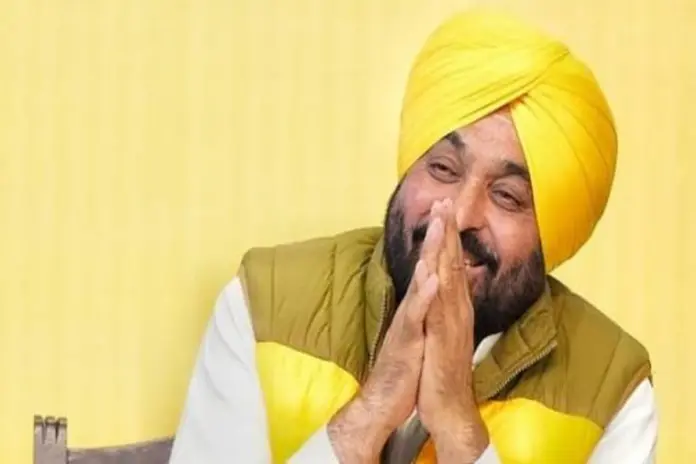
Punjab has been unlawfully deprived of its capital since Independence; Chandigarh is & will remain ours: CM Bhagwant Singh Mann

Bhagwant Mann

Unfurling the national Tricolour in Hoshiarpur on Republic Day, Chief Minister Bhagwant Singh Mann coupled the ceremonial occasion with a firm assertion of Punjab’s constitutional rights and a detailed account of his government’s governance record. Recalling Punjab’s unmatched sacrifices in India’s freedom struggle and its continuing role as the country’s Food Bowl and Sword Arm, the Chief Minister said the state has been unjustly denied its rightful capital and a separate High Court since Independence, and made it clear that attempts to undermine Punjab’s claim over Chandigarh, Panjab University and its water rights would not succeed. He underlined that Punjab would continue to pursue legal and constitutional remedies every day to protect its interests.

Linking governance with heritage and faith, CM Bhagwant Singh Mann recalled the historic commemoration of the 350th Shaheedi Diwas of Sri Guru Teg Bahadur Ji, the declaration of Sri Amritsar Sahib, Sri Anandpur Sahib and Talwandi Sabo as holy cities, and announced that the 650th Parkash Parv of Sri Guru Ravidas Ji would be celebrated on similar lines through state-level programmes from February 1 this year to February 20, 2027.

Highlighting the direction of governance, the Chief Minister pointed to decisive action against drugs, gangsters and narco-drones under ‘Yudh Nashean Virudh’ and ‘Gangsteraan Te Vaar’, universal healthcare coverage of up to ₹10 lakh, more than 63,000 government jobs provided without bribes, and a sharp reduction in road accident fatalities through the Sadak Surakhiya Force. He also expressed concern over changes to MGNREGA affecting Scheduled Caste and landless families, cited record investments of ₹1.5 lakh crore generating 5.2 lakh jobs, and announced the Punjab Investment Summit from March 13 to 15.

Addressing the gathering, CM Bhagwant Singh Mann stated, “Despite the tremendous contribution towards the country and its people, Punjab does not have its own capital. Since Independence, Punjab has been unlawfully deprived of it. To worsen the situation, conspiracies are hatched daily to deprive the state of its capital, Panjab University, waters and other rights. This will never be allowed. Chandigarh was, is and will always remain an integral part of Punjab and the state government will make all-out efforts to take back its capital.”

Expressing anguish over the absence of a separate High Court, the Punjab Chief Minister said it was unfortunate that Punjab does not have its own High Court whereas small states in the North East have their own capitals. “In the absence of its own High Court, Punjabis have to suffer a lot due to the huge pendency of cases in the Punjab and Haryana High Court,” he said.

Extending heartfelt greetings to all Punjabis and citizens across the country, CM Bhagwant Singh Mann paid homage to thousands of patriotic freedom fighters who sacrificed their lives during India’s freedom struggle.

Saluting the brave soldiers of the Army, Navy and Air Force, the Chief Minister recalled their stellar role in safeguarding the sovereignty, unity and integrity of the country. “On this day in 1950, the Constitution of the country came into force. This is a very special day for all Indians. It is a matter of immense pride and satisfaction that we are proud citizens of the world’s largest democracy,” he said.

On the sacred occasion, CM Bhagwant Singh Mann bowed in reverence to the invaluable contribution of the chief architect of the Indian Constitution, Babasaheb Dr Bhimrao Ambedkar, in framing the Constitution. He said Punjabis take pride in the fact that the maximum sacrifices in the freedom struggle were made by Punjabi warriors. “The inspiration to stand firm against tyranny, injustice and oppression is ingrained in every Punjabi from the teachings of our revered Gurus,” he said.

Recalling historic movements, the Chief Minister said freedom movements such as the Kuka Movement, Babbar Akali Movement, Ghadar Movement, Komagata Maru incident and Pagri Sambhal Jatta were led by Punjabis. “National heroes like Baba Maharaj Singh, Baba Ram Singh, Shaheed Bhagat Singh, Shaheed Sukhdev, Lala Lajpat Rai, Shaheed Udham Singh, Shaheed Kartar Singh Sarabha, Madan Lal Dhingra, Diwan Singh Kalepani and hundreds of others laid down their lives for the freedom of India,” he said.

CM Bhagwant Singh Mann said Punjabis have made an exemplary contribution to the nation’s progress and have always been at the forefront in safeguarding the country and making it self-reliant in food production.

Highlighting the role of farmers, the Chief Minister said Punjab’s farmers are the nation’s food providers whose hard work and resilience ensure that no one sleeps hungry. “Punjab contributes more than 60 percent to the nation’s food reserves. Even during last year’s devastating floods, Punjab’s farmers contributed 156 lakh metric tonnes of paddy to the central pool,” he said, adding that because of the contribution of Punjab’s farmers and soldiers, the state is aptly called the “Food Bowl and Sword Arm of the Nation.”

Paying tribute to those who helped the state recover from floods, CM Bhagwant Singh Mann said he salutes all valiant heroes who put Punjab back on track despite heavy floods. “Despite such a huge natural catastrophe, the state was on its feet within a few hours,” he said.

The Chief Minister said that for the sake of the country, Punjab has sacrificed its fertile land and water resources, which are its only available natural resources. “Despite the greatest sacrifices, Punjab continues to face injustice and discrimination and is being forced to wage legal, legislative and administrative battles to secure its rights,” he said.

Stating that Punjab is being meted out step-motherly treatment, Bhagwant Singh Mann said conspiracies are being hatched to snatch its rights. “An attempt was made to curtail Punjab’s legal rights over BBMB and waters, but the state government did not allow it to succeed,” he said.

Expressing concern over changes in Mahatma Gandhi National Rural Employment Guarantee Act (MGNREGA), the Chief Minister said the Centre has renamed and altered the structure of the scheme, which will snatch livelihoods from Scheduled Caste workers, women and landless families. “Punjab has the highest proportion of Scheduled Caste population in the country. This new law will prove disastrous for the SC community,” he said.

CM Bhagwant Singh Mann said that at present 19.85 lakh families are registered as MGNREGA workers in Punjab, out of which 12.65 lakh belong to the Scheduled Caste community. “The state government is fighting this war against the Centre through legislation and courts,” he said.

He also said that the Centre has withheld Rural Development Fund (RDF) funds meant for rural development despite the clear demarcation of Centre–State rights in the Constitution.

Asserting Punjab’s resolve, the Chief Minister said, “Punjab has to fight every day to get its rights from the Centre. Let me make it very clear that Punjabis have never bowed down, and they never will in the future.”

Warning divisive forces, CM Bhagwant Singh Mann said false propaganda is being spread to divide Punjabis, but the state government will never allow such designs to succeed. He issued a stern warning to gangsters and their sympathisers trying to disturb peace to abandon the path of crime or be ready to face consequences. “A crackdown against gangsters, ‘Gangsteraan Te Vaar’ is underway. Their supporters will also not be spared. No leniency will be shown to lawbreakers. Peace, unity and brotherhood will be maintained at all costs, and the state government is duty-bound to ensure this,” he said.

Listing initiatives taken by the Punjab Government over the last four years, the Chief Minister said the Punjab government is committed to delivering governance that fulfils the dreams of martyrs.

He said an all-out war against drugs has been launched under ‘Yudh Nashean Virudh’, under which drug supply chains were snapped, traffickers jailed, their properties demolished, and victims treated and rehabilitated. “Anti-drone technology has been installed along the 532-kilometre-long international border. So far, 498 drone activities have been detected and 256 drones seized,” he said.

CM Bhagwant Singh Mann said the second phase of the ‘Yudh Nashean Virudh’ has begun and citizens can join it by giving a missed call at 98991-00002. He said village and ward-level defence committees have been formed, recovered addicts are being honoured as heroes, skill training is being provided for rehabilitation, and 3,083 rural sports grounds are being developed. He said to wean youth away from drugs, ‘Khedan Watan Punjab Dian’ have been organised with participation from three generations.

CM Bhagwant Singh Mann noted that the 350th Shaheedi Diwas (martyrdom day) of Sri Guru Teg Bahadur Ji was commemorated in an unprecedented and historic manner across the state. He said that ₹20 crore has been spent on the construction of the Bhai Jaita Ji Memorial at Sri Anandpur Sahib. The Chief Minister said Sri Amritsar Sahib, Sri Anandpur Sahib and Talwandi Sabo have been declared holy cities, while the Mukh Mantri Tirath Yatra Scheme enables devotees to visit religious places free of cost.

CM Bhagwant Singh Mann further announced that, on similar lines, the 650th Parkash Parv (birth anniversary) of Sri Guru Ravidas Ji, falling on February 1, will be celebrated on a grand scale, with programmes and events to be organised from February 1 this year and continuing in a sustained manner up to 2027, ensuring a befitting and comprehensive commemoration of Guru Ravidas Ji’s legacy.

Highlighting healthcare reforms, the Chief Minister said the Mukh Mantri Sehat Yojna provides cashless treatment up to ₹10 lakh for all 65 lakh families. “Income conditions have been removed. Government employees and pensioners have also been included. Punjab has become the first state to provide free healthcare to all citizens,” he said.

CM Bhagwant Singh Mann said 881 Aam Aadmi Clinics are providing free treatment daily and the number will soon touch 1,000.

On employment, he said 63,027 government jobs have been given transparently without bribe or recommendation. He said 90 percent households are receiving free electricity and for the first time in Punjab’s history, more than eight hours of uninterrupted daytime power is being supplied to farm tubewells during the paddy season, allowing farmers to have meals at home.

The Chief Minister said 6,900 kilometres long 18,349 watercourses have been revived, ₹2,300 crore is being spent on the Malwa canal, the first canal constructed after Independence.

On education, the Chief Minister said 118 Schools of Eminence have been established, teachers have been sent for training in Finland, Singapore and Ahmedabad, bus services for girl students are benefitting over 10,000 girls, Punjab topped the National Achievement Survey by surpassing Kerala, and government school students cleared JEE and NEET in large numbers.

CM Bhagwant Singh Mann said investments worth ₹1.5 lakh crore have been attracted since 2022, generating 5.2 lakh jobs. He announced that the Punjab Investment Summit will be held from March 13 to 15.

He said Punjab offers the highest sugarcane price in the country at ₹416 per quintal, stubble burning incidents have reduced by 53 percent, and closure of 21 toll plazas has saved ₹67.7 lakh daily for citizens.

The Chief Minister said the Punjab government provides ₹1 crore honorarium to the families of defence personnel who lost their lives in the line of duty and ₹2 crore honorarium to the families of police personnel in case of losing their lives during duty.

Highlighting the Sadak Surakhiya Force, the Chief Minister said it is the first-of-its-kind initiative in the country. “Since its launch in February last year, road accident fatalities have reduced by more than 48 percent. The force is deployed along 4,200 kilometres of highways and also acts as a deterrent against traffic violations,” he said.

He said village ponds have been cleaned, libraries built, 49,000 kilometres of rural roads upgraded, 1,600 bus permits issued to youth, the Easy Registry scheme introduced, and a Rs 148 crore memorial is being built at Khural Garh associated with Sri Guru Ravidas Ji.

Praising Hoshiarpur district, CM Bhagwant Singh Mann said it is Punjab’s most educated district, tops in gender ratio, excels in athletics and football, and Mahilpur is globally known as a football nursery. He said work on the medical college in Hoshiarpur will begin soon and released posters for the Nature Fest to be held in February.

CM Bhagwant Singh Mann inspects parade, witnesses cultural performances and felicitates achievers at Republic Day celebrations

Earlier, the Chief Minister inspected the parade led by Parade Commander Dhirendra Verma, IPS, and Assistant Parade Commander Ramanpreet Singh Gill, and took salute from contingents of Punjab Police, Punjab Home Guards, PESCO, NCC, Boy Scouts, Police Cadets, Girl Guides and the Punjab Police Brass Band.

Tent pegging by the PAP Jalandhar team and a colourful cultural programme including Bhangra, Giddha, group dance, PT show and group singing by school students were also presented.

The Chief Minister felicitated freedom fighters and their kin, distributed tricycles to the physically challenged and sewing machines to needy women. Tableaux depicting the development of the state and district administration were also showcased.

CM Bhagwant Singh Mann also felicitated officers, officials, participants and citizens from various walks of life for their remarkable contribution to society during the Republic Day celebrations.

Renault Duster: The Icon Strikes Back! Rugged, Strong and Dynamic, Will It Challenge Creta Dominance?

Renault-Duster

The Renault Duster has become an essential part of India’s SUV market because it introduced people to a new way of viewing compact SUVs. The Duster, which features a tough design and strong performance capabilities and dependable presence on roads has returned to the news. 

Renault Duster: A Comeback That Feels Familiar Yet Fresh

The Renault Duster built its reputation on its capability to endure challenges while maintaining dependable performance throughout Indian road conditions. The Duster establishes itself as a genuine SUV because it offers more than other SUVs which cater to urban environments.

A Comeback That Feels Familiar Yet Fresh

One area where the Renault Duster has always stood tall is its build quality and suspension setup. It handles bad roads, potholes, and rough terrain with ease. The solid chassis and well-tuned suspension give it an edge over many soft-roaders in the segment. 

Strong and Reliable Performance

The Duster has never been about fancy numbers It’s about real-world performance. Its engines are known for delivering strong torque, smooth highway cruising, and dependable performance over long-term usage

Duster: Dynamic Driving Experience

Unlike many feature-heavy SUVs, the Duster offers a driver-focused experience. Its steering feedback, planted feel at high speeds, and cornering stability make it enjoyable to drive. This dynamic nature is something driving enthusiasts still appreciate and it’s an area where the Duster can quietly challenge the Creta, which prioritizes ease and convenience.

Can It Really Challenge Creta’s Dominance?

The Hyundai Creta dominates the segment thanks to its features, brand value, and wide appeal. To compete, the Renault Duster doesn’t need to copy the Creta; it needs to stay true to its strengths.

Viral Video: Ban These Reelers? Outcry Grows as Woman Performs Crazy Dance on Railway Platform, Reel Goes Viral

Viral-Video

Viral Video: A popular video of a woman dancing in a dangerous way on a busy train platform has made a lot of people angry on social media. The clip, which was first posted as a short reel, has started a new discussion about making dangerous content, public safety, and whether stricter rules are needed to control the culture of viral reels in public places.

What the Popular Video Displays

The woman can be seen dancing wildly on a railroad platform, which is very close to the tracks and could be dangerous. People nearby look nervous, and trains are said to be coming to the station soon. The reel got a lot of views, shares, and comments very quickly, making it one of the most talked-about videos of the week.

Many users said it was careless and an attempt to get attention, especially in a place where safety risks are high.

Anger and calls for a ban from the public

People online have strong feelings about the video that went viral. Reelers that do this have been getting a lot of attention on Twitter, with people asking railway officials and law enforcement to take action.

Some of the most common worries are:

  • Risk for the act and the people nearby
  • Public order is being broken
  • Getting away with dangerous behaviour for online fame

A lot of people have asked why public places like train platforms are being used for shooting more and more without any problems.

Safety on the rails and legal issues

Railway stations are high-risk public spaces, and breaking the rules about what can and cannot be done there can lead to fines. Experts say that dangerous stunts that go popular can end in terrible accidents.

Authorities have warned people in the past not to film on stations, tracks, or inside moving trains. But enforcement is still not consistent, which means that this kind of stuff keeps showing up.

What’s Really Going on With Reel Culture?

This event brings up a bigger problem: the race to go global. A lot of the time, social media algorithms encourage extreme or strange behaviour, which forces creators to break safety and moral rules. Some people say that platforms should be responsible and stop material that encourages dangerous behaviours.

Samsung Galaxy S26 Ultra 5G: Unmatched Performance! 5 Reasons Beyond AI Why You Can Consider Buying This Beauty, Check Leaks

Samsung-Galaxy-S26-Ultra-5G-DNP
Google

Samsung Galaxy S26 Ultra 5G: Samsung Ultra series has always been about pushing limits, and the Samsung Galaxy S26 Ultra 5G is already creating buzz even before its official launch. While AI features are getting a lot of attention, leaks suggest that this flagship has much more to offer beyond AI.

If you’re someone who values performance, display, camera power, and premium feel, here are five solid reasons why the Galaxy S26 Ultra 5G could be worth considering.

Premium Design That Feels Truly Flagship

Leaks suggest that Samsung may further refine the Ultra-series design, making the S26 Ultra slimmer yet more solid in hand. Expect a premium glass-and-metal build with sharper edges and a more polished finish. 

Powerful Processor for Next-Level Performance

Beyond AI optimizations, the Galaxy S26 Ultra 5G is expected to come with a next-generation Snapdragon flagship processor in select markets. This means:

  • Faster app loading
  • Smooth multitasking
  • Better gaming performance
  • Improved power efficiency

Stunning AMOLED Display Experience

Samsung’s displays are already industry-leading, and leaks hint that the S26 Ultra may take things even further. 

Expect a large Dynamic AMOLED display with:

  • Ultra-smooth refresh rate
  • High brightness for outdoor use
  • Better color accuracy and contrast

Camera Hardware That Goes Beyond Software Tricks

While AI helps with image processing, leaks suggest Samsung may also focus heavily on camera hardware upgrades. 

This could include:

  • Improved main sensor quality
  • Enhanced optical zoom performance
  • Better low-light photography

Battery Life and Charging Improvements

One of the most practical upgrades expected is in battery efficiency and charging speed. With better power management and optimised hardware, the S26 Ultra may offer:

  • Longer screen-on time
  • Faster charging support
  • More consistent battery health over time

India US Trade Deal: Unmasked ! Ted Cruz Blows Off the Lid, Audio Clip Suggests Donald Trump, JD Vance and Navarro Stalled the Process?

india-us-trade-deal

A new audio clip has sparked a new political debate about the long-awaited trade deal between the US and India. Republican Senator Ted Cruz says that former President Donald Trump, Senator JD Vance, and trade expert Peter Navarro purposely slowed down the process. The claims have caused a stir in both the media and the political community, and they have made people wonder how US politics affects trade between countries.

What the video of Ted Cruz says

The recording shows that Cruz said that trade protectionist policies and political policies during the previous administration slowed down progress. He was said to have said that Trump and his advisors put political gains at home ahead of important trade ties, such as with India.

The audio that went viral on social media has made analysts wonder if disagreements within the Republican Party caused the talks to be held up for a long time.

What It Means for India-US Relations

The US-India trade deal has been talked about for years, with tariffs, market access, and sharing technology being the main topics of conversation. Expectations for two-way trade have been harmed by delays, especially in areas like agriculture, IT services, and buying things for the military.

Even though politics in the US may have slowed down decision-making, Indian officials are still optimistic about reaching a deal under the current leadership. People think that the trade deal is very important for job creation, economic growth, and strengthening the strategic ties between the two countries.

Problems with politics in the US

Cruz’s comments add to the growing idea that partisan goals can have a big impact on trade policy. Experts say that the news could lead to debates in Congress about how open and successful past trade talks were.

People who support Trump and his advisors have said that the claims are false and are politically driven. While this is going on, some foreign observers warn that the media’s focus on domestic politics can make it hard to see the finer points of trade agreements.

Next Steps for the Trade Deal: Talks are likely to start up again, and this time the focus will be on settling taxes, opening up markets, and working together on technology. Analysts think that backing from both parties will be very important for quick ratification.

Tina Dabi Viral Video: IAS Topper Creates Social Media Stir After Flag Hoisting on Republic Day 2026, Check Why?

Tina-Dabi-Viral-Video

A video featuring IAS officer Tina Dabi from the Republic Day 2026 celebrations has gone viral, drawing attention across social media platforms. The clip shows Tina Dabi during a flag hoisting ceremony, where netizens claim she saluted in the wrong direction. While some criticised the moment, others defended the officer, calling the outrage unnecessary and exaggerated.

Why the Video Went Viral

Tina Dabi Viral Video: The controversy began when viewers noticed that during the national salute, Tina Dabi appeared to face a different direction than expected. Social media users quickly dissected the visuals, debating protocol compliance. Supporters argue that camera angles and stage positioning can create misleading impressions and that ceremonial variations are common.

Public Reaction: Criticism and Support

As the video spread, reactions were divided. Critics highlighted a perceived protocol lapse, while supporters pointed out Tina Dabi’s impressive administrative record, urging people not to judge civil servants based on short video clips. Many users stressed that excessive scrutiny of officials can discourage public service rather than strengthen accountability.

Why Tina Dabi Is Famous

Tina Dabi Viral Video: Tina Dabi gained national attention in 2015 after securing All India Rank 1 in the UPSC Civil Services Examination. Her academic excellence and determination inspired thousands of aspirants. Since then, she has served in key administrative roles, particularly in Rajasthan, earning recognition for governance, welfare programs, and district administration. Her visibility as a high-profile officer ensures her actions are closely watched.

The Larger Conversation

The incident has reignited discussions about public scrutiny of civil servants. Experts say while accountability is crucial, isolated ceremonial moments should not overshadow years of professional service.