

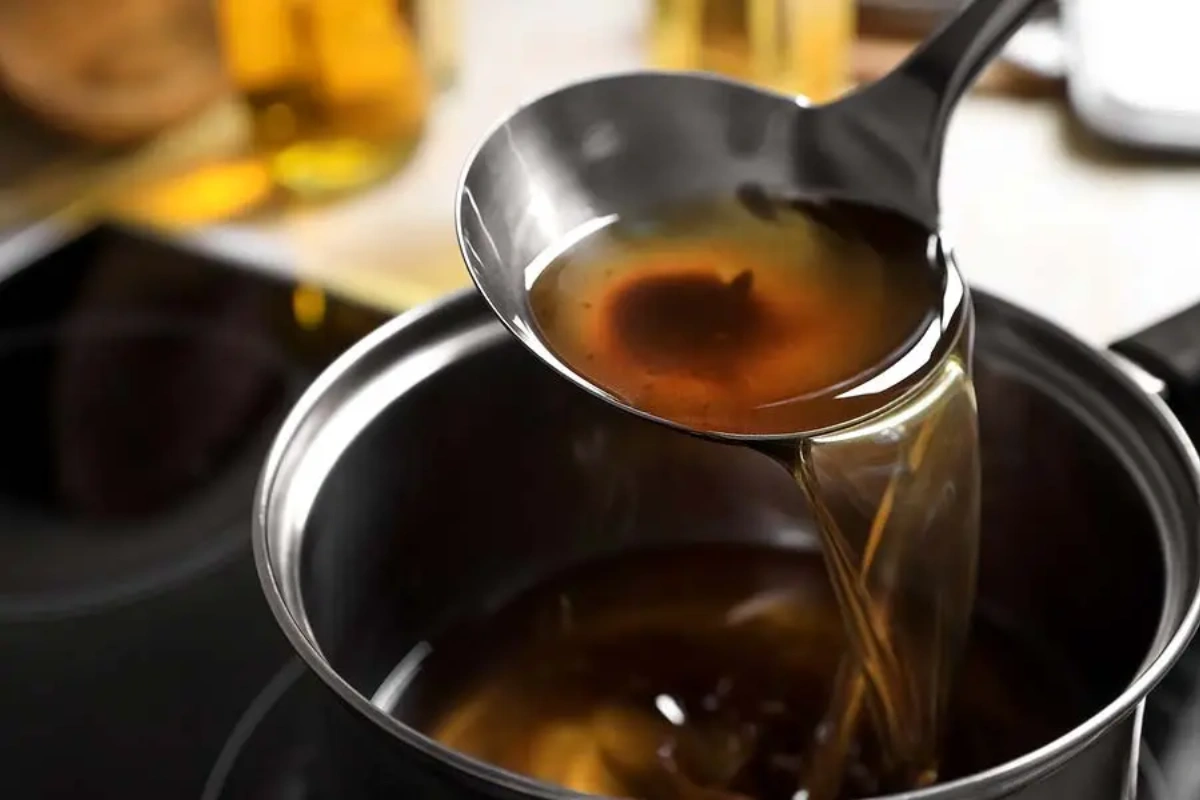

Reheating Cooking Oil: From home-cooked thalis to road-side bhature stalls, reheating and reusing the same cooking oil time and again is a common cost-saving habit. However, this common practice could turn your cooking oil into a toxic brew in absolutely no time.
In a video shared on Instagram, Dr. Priyanka Sehrawat talks about the top reasons why you should never reheat and reuse cooking oil.
Several scientific studies in the past have indicated that repeated heating of the cooking oil degrade flavour while also generating harmful compounds associated with cancer, inflammation and heart disease.
DON'T MISS
How Heat Transforms Oil Into Poison?
Cooking Oils are not stable under intense heat. Oil reaches a temperature of 180–220°C (356–428°F) when you fry pakoras or samosas, triggering hydrolysis, oxidation and polymerization.
Fresh Oil includes beneficial fats such as monounsaturated (e.g., oleic acid in olive oil) and polyunsaturated fatty acids (Polyunsaturated fatty acids or PUFAs like linoleic acid in sunflower oil). However, reheating flips the script entirely and in a 360-degree way.
Double bonds in PUFAs get attacked by oxygen to form peroxides and free radicals. Peroxides could break down into aldehydes like 4-hydroxynonenal (4-HNE) and acrolein that are volatile compounds. Polymerization follows, creating viscous and glue-like polymers to make oil darker and thicker.
Harmful Health Effects
Aldehydes like 4-HNE damage Deoxyribonucleic acid (DNA) promoting mutations. Several studies have demonstrated that the intake of high aldehyde from reused frying oil to an increased risk of developing breast and colorectal cancer. The consumption of fried foods in reused oil could increase the level of Trans fats and oxidized lipids, resulting in LDL (“bad”) cholesterol while lowering HDL (“good”) cholesterol, increasing the levels of fatty acid composition.
Tips And Precautions
Buy high smoke-point fats like refined avocado oil (270°C), ghee or coconut oil. Use cooking oil only once per batch. Store oils in dark, cool places and buy small quantities to avoid pre-oxidation.
Disclaimer: This content, including advice, provides general information only. It is not a substitute for a qualified medical opinion in any way. The methods and claims mentioned in this article should be considered as suggestions only; DNP India neither confirms nor denies them. Always consult a doctor before following any such suggestions/treatments/medications/diets.