

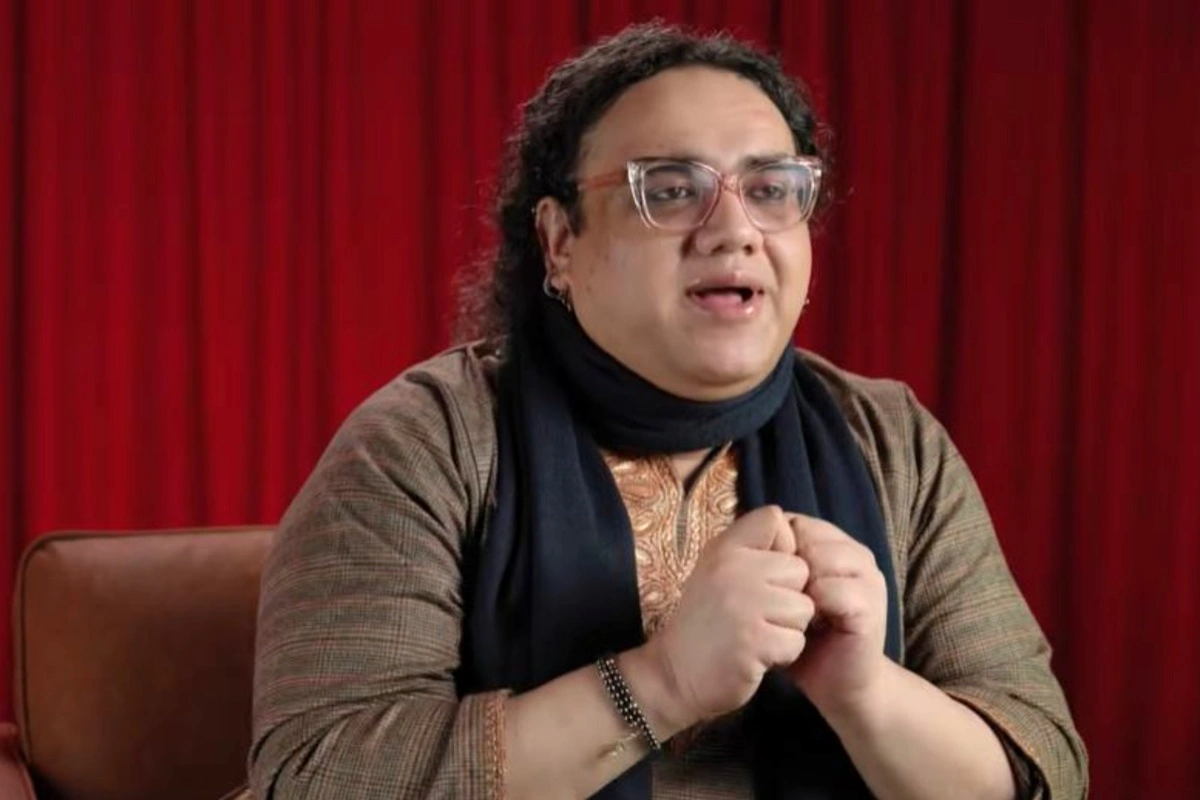
Pakistan Viral Video: A viral video featuring Pakistani transgender activist Hina Baloch is creating a massive buzz online. The clip has quickly spread across social media and triggered strong reactions. Many users are debating her claims, while others are questioning them.
In the interview with the Queer Global YouTube channel, Baloch spoke openly about sexuality in Pakistan. She suggested that many people hide their true identity due to social pressure, religion, and family honour. Her remarks have pushed the topic into the spotlight and started a wider conversation.
Pakistan Viral Video: Hina Baloch’s Shocking Claim About Pakistanis
During the interview, Hina Baloch described sexuality in Pakistan as an open secret. She said, “I believe that more than half of Pakistan is quite gay actually. They don’t want to just say it out loud, but I guess 80% of Pakistan is gay and the remaining 20% are bisexuals, so I don’t think that anybody is straight in Pakistan in terms of their sexuality.”
She also claimed that many people choose to hide or deny their identity because of societal expectations. According to her, cultural and religious beliefs often stop people from expressing themselves openly.
DON'T MISS
Baloch said, “They will deny it, they will bring religion into it, they will bring culture into it, but this is an open secret. Nobody’s straight in Pakistan.”
Pakistan Viral Video
Hina’s Personal Struggles And Activism Journey
Along with her viral statement, Hina Baloch also shared details about her personal life. She explained that her biggest challenge growing up was not sexuality, but expressing her gender identity.
She said, “What I was worried about was how to apply lipstick and not get lots of shit from the family for that. How do I get to dress feminine, wear jewellery and not get the beatings?”
Her experience reflects the reality faced by many in Pakistan’s khawaja sira community. Many people are forced into limited and often exploitative work such as begging, dancing or sex work.
However, Baloch chose a different path. She became active in advocacy and started working for gender and minority rights. She co-founded the Sindh Moorat March and also took part in Pakistan’s Aurat March.
She has also spoken about the risks she faced. Baloch claimed she was targeted after raising a Pride flag at a protest. She said she survived kidnapping and abuse by law enforcement, which eventually forced her to leave Pakistan.
Later, she moved to the United Kingdom. There, she secured a scholarship at SOAS, University of London, and sought refugee status.