Home Blog Page 124

Mohan Yadav Announces Major Relief for Madhya Pradesh Farmers: Wheat Slot Booking Extended to May 23

Mohan -Yadav
Google

Madhya Pradesh: Mohan Yadav Extends Wheat Procurement Slot Booking Date To May 23 2026 – A Big Relief To Farmers. This comes at a time when farmers across the state are grappling with peak harvesting activity, unseasonal weather-induced delays and heavy arrivals at procurement centres. The deadline had already been moved to May 9, but the system is still under pressure, so it has been extended again.

More capacity to speed up procurement

The government has also increased the capacity for daily slot booking to reduce congestion at mandis and procurement centres. The limit per centre has been increased from 1,000 quintals to 2,250 quintals. District collectors have been empowered to further enhance capacity up to 3,000 quintals in high production zones. This is viewed as a way to reduce the waiting time for farmers and to make the operations run more smoothly during the busy season.

Upgrades to Ground Infrastructure

Mohan Yadav: In addition to capacity expansion, there have been some major infrastructure upgrades by the government. Now every procurement centre has to have at least six weighing machines to speed up the process. Procurement is being done six days a week at Minimum Support Price (MSP), and the state is aiming for 100 lakh metric tonnes this season. These steps are aimed at making the system more efficient and farmer-friendly.

Immediate Advantages for Farmers

“The extension enables farmers to plan their sales without rushing into it, which reduces the chances of distress selling. It also helps them in avoiding middlemen and selling at MSP directly. With the increased capacity, farmers can bring in larger quantities in a single trip, helping to reduce transportation costs. Faster weighing and processing is also expected to speed up payments.

Boost to Rural Economy

Mohan Yadav: Timely procurement will improve cash flow to the farmers, making them better equipped to face the upcoming Kharif season.” Overall, the move is the government’s attempt to ease pressure during the harvest while strengthening procurement systems for the long-term stability of agriculture. 

Cervical Cancer Screening: Skipping Could Spell Death! Obstetrician-Gynaecologist Weighs In

Cervical Cancer Screening
Image Credit: Google

Cervical Cancer Screening: Cervical cancer is one of the few cancers where prevention, early detection and timely treatment intersect so effectively that lives can be saved with relatively simple interventions. However, a significant number of women continue to delay or completely skip routine Cervical Cancer Screening. By the time symptoms such as abnormal bleeding, pelvic pain or unusual discharge appear, the condition may already be in an advanced stage.

Why Cervical Cancer Is Often Missed?

One of the most alarming aspects of cervical cancer is its quiet progression. Unlike many other conditions, it does not typically present noticeable symptoms in its early stages. This makes reliance on symptoms a dangerous approach.

Persistent infection with high-risk strains of the Human papillomavirus is the primary cause of cervical cancer. This infection can remain dormant or unnoticed for years while gradually causing changes in cervical cells. Without screening, these changes go undetected, allowing abnormal cells to multiply and potentially develop into cancer.

Cervical Cancer Screening-Who Needs to Be Extra Careful?

While all women with a cervix should undergo regular screening, certain groups require heightened awareness and more frequent monitoring.

Women who fall into these categories need to be extra cautious:

  • Persistent infection with Human papillomavirus (high-risk strains)
  • Early onset of sexual activity
  • Multiple sexual partners
  • Weakened immune system (e.g., HIV, immunosuppressive therapy)
  • Smoking or tobacco use
  • Long-term use of oral contraceptives
  • History of sexually transmitted infections (STIs)
  • Multiple full-term pregnancies
  • Poor genital hygiene
  • Lack of regular cervical cancer screening (e.g., Pap smear)
  • Low socioeconomic status and limited access to healthcare
  • Family history of cervical cancer

For these individuals, proactive and consistent screening is not optional, it is essential.

Why Regular Cervical Cancer Screening Is A Lifesaving Habit?

Regular screening helps identify precancerous lesions, which can be treated before they evolve into invasive cancer. This significantly reduces both the incidence and mortality associated with the disease. In fact, countries with robust screening programs have seen dramatic declines in cervical cancer rates.

Screening also allows healthcare providers to monitor changes over time. Not all abnormalities lead to cancer, but tracking them ensures timely intervention if needed. Additionally, combining a Pap smear with an HPV test improves diagnostic accuracy, especially in women over 30.

Another key advantage is that early-stage cervical cancer, when detected, is highly treatable with less aggressive therapies. This not only improves survival rates but also preserves quality of life, fertility, and overall well-being.

Disclaimer: This content, including advice, provides general information only. It is not a substitute for a qualified medical opinion in any way. The methods and claims mentioned in this article should be considered as suggestions only; DNP India neither confirms nor denies them. Always consult a doctor before following any such suggestions/treatments/medications/diets.

Pala Jalalpuria, Jassa Patti, Pritpal Phagwara and Inderpreet Singh Join AAP, Back CM Bhagwant Mann’s Sports Vision

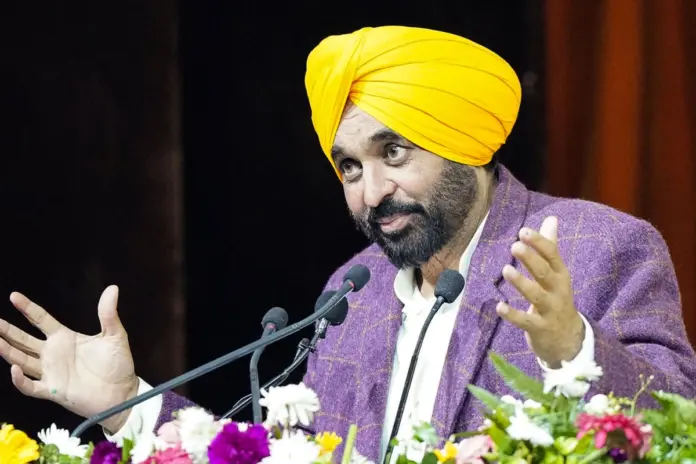
Bhagwant- Mann
Google

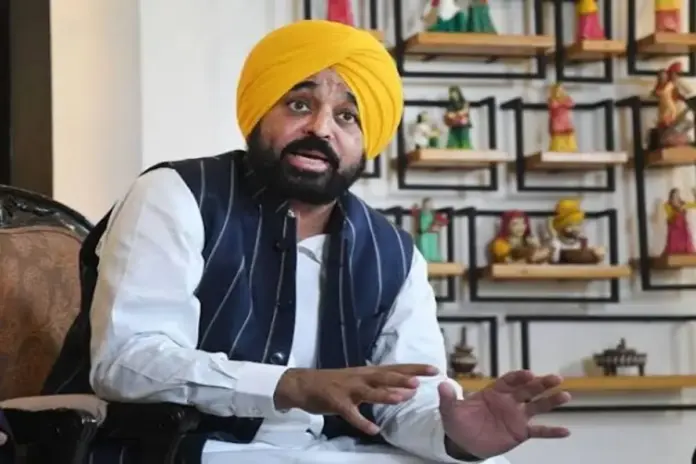
Bhagwant Mann: A new wave of sportspersons have entered Punjab politics with big names like Pala Jalalpuria, Jaskanwar Singh Patti, Pritpal Singh Phagwara and Inderpreet Singh joining the Aam Aadmi Party. Chief Minister Bhagwant Mann was present on the induction and he welcomed the athletes and spoke about their potential to inspire youth.i

Why have these sports icons joined AAP

Each of the athletes has a strong sports background and public influence. Internationally famous kabaddi player Pala Jalalpuria, wrestlers Jassa Patti and Pritpal Phagwara are holders of the prestigious “Rustam-e-Hind” title. India’s Strongest Man, Inderpreet Singh aka “Super Khalsa” has made a name for himself.

They all believe in discipline, involving youth and bringing about social change through sports, Party leaders said they joined AAP because of all these reasons.

Support for Bhagwant Mann’s Sports Drive

The move is being seen as a strong endorsement of Bhagwant Mann’s thrust on sports development. The Punjab government has been promoting athletics to engage young people and keep them away from drug abuse. Officials say that having respected athletes in public life is a way of reinforcing this message at the grassroots.

New Story in Punjab Politics

AAP leaders are calling this development more than just political expansion. They call it a “new wave” of sports and public service combined. The concept is to use the influence of athletes to reach out to rural youth, encourage sports participation and foster a healthier social environment.

Youth Focus & “Rangla Punjab” Vision

Bhagwant Mann: The government says the larger goal is to build a lively and energetic Punjab, popularly called “Rangla Punjab”. The inclusion of these athletes is expected to give a further thrust to the state’s youth-centric initiatives with enhanced investment in sports infrastructure and local training academies. Politics and sports are merging in a unique shift in Punjab, with champions from the field entering public life to shape the next chapter of development. 

PM Surya Ghar Scheme Gains Momentum in UP: CM Yogi Adityanath Govt Achieves Massive Rooftop Solar Expansion

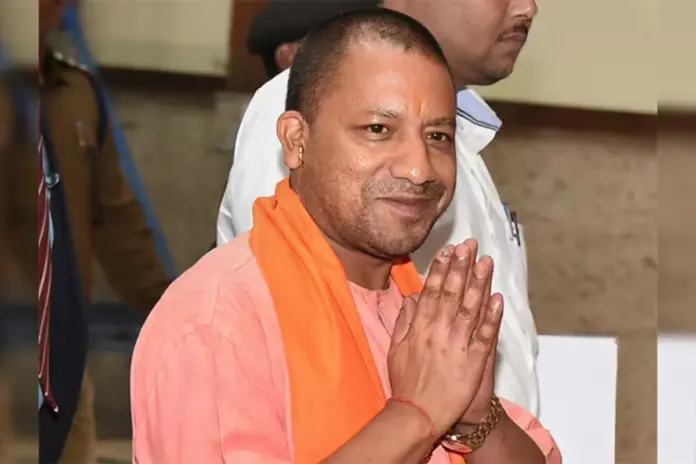
CM -Yogi -Adityanath
Google

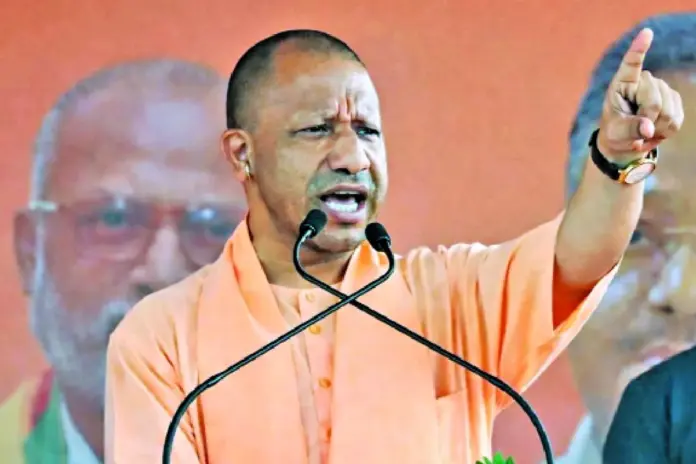
CM Yogi Adityanath: The PM Surya Ghar scheme is gaining strong momentum in Uttar Pradesh with the state government stepping up installation of rooftop solar across urban and semi-urban areas. Under Chief Minister Yogi Adityanath, the initiative is being promoted as both an economic and environmental win for households.

What the Scheme Provides for Households

The PM Surya Ghar Scheme is an initiative to promote rooftop solar installations among households by providing subsidies and simplifying procedures. For many homes this means cheaper electricity bills and reduced dependence on traditional power sources. The scheme is said to be especially good for middle and lower income families wanting to cut monthly costs.

Fast growth and government push

Uttar Pradesh has emerged as one of the front-runners in the implementation of the scheme with thousands of installations already done and many more underway. The government has relaxed approvals and increased awareness drives to ensure more people benefit from the scheme. Local authorities are also working closely with vendors to fast track installation timelines.

Economic & Clean Energy Benefits

The scheme is helping to increase the state’s renewable energy capacity, apart from cost savings. More rooftop solar is taking pressure off traditional power grids and cleaning the air. Experts see such initiatives as vital as India moves towards its long-term sustainability goals.

Step Towards Self Sufficiency in Energy

CM Yogi Adityanath: The push for rooftop solar is also seen as a move towards more household energy independence. The development of Uttar Pradesh under the PM Surya Ghar Scheme, with sustained policy support and rising public interest, reflects the significant contribution of state-level initiatives in India’s broader clean energy transition.

Peeled vs Unpeeled Almonds: Ease Of Consumption Or Maximum Nutrients? Wellness Expert Weighs In Comparative Analysis

Peeled vs Unpeeled Almonds
Image Credit: Google

Peeled vs Unpeeled Almonds: For centuries, almonds have been considered as a nutritional powerhouse, earning a permanent place in kitchens and wellness routines around the world. From traditional soaked almonds consumed first thing in the morning to modern snack packs carried on the go, the versatility and health benefits of this superfood are undeniable. However, one question continues to spark debate among health-conscious individuals: should almonds be consumed peeled or unpeeled?

Why Almonds Deserve a Spot in Your Daily Diet?

Almonds are rich in essential nutrients and bioactive compounds that contribute to overall health.

  • Rich source of healthy monounsaturated fats
  • High in vitamin E (powerful antioxidant)
  • Supports heart health
  • Aids in weight management
  • Helps regulate blood sugar levels
  • Improves brain function
  • Strengthens bones (calcium and magnesium content)
  • Supports skin health and anti-aging
  • Boosts energy levels
  • Enhances digestive health (fibre content)
  • Supports immune function
  • May help reduce inflammation

Peeled Almonds: Gentle on Digestion, Traditional Wisdom

Peeled almonds, typically obtained by soaking overnight and removing the skin, are deeply rooted in traditional wellness practices, particularly in Ayurveda. The primary reasoning behind this method lies in improving digestibility.

Benefits Of Peeled Almonds

  • Easier to digest, especially for individuals with sensitive digestive systems
  • Reduced tannin content, which can inhibit nutrient absorption
  • Softer texture, making them suitable for children and the elderly
  • Better assimilation of nutrients like proteins and healthy fats
  • Traditionally believed to enhance cognitive function when consumed in the morning

Soaking almonds also activates certain enzymes, which may help improve nutrient bioavailability. For individuals experiencing bloating or heaviness after eating nuts, peeled almonds can be a more comfortable option.

Advantages Of Unpeeled Almonds

While peeling almonds improves digestibility, it comes at a cost and that is the loss of the skin, which is nutritionally valuable. Almond skin contains polyphenols, a group of antioxidants known for their role in reducing oxidative stress and inflammation.

Amazing Benefits Of Unpeeled Almonds

  • Higher antioxidant content due to the presence of flavonoids in the skin
  • Greater fibre content, supporting gut health and satiety
  • Better for cardiovascular protection due to combined effects of vitamin E and polyphenols
  • May help in reducing LDL (bad cholesterol) levels
  • Provides a more sustained energy release due to intact structure

From a modern nutritional standpoint, unpeeled almonds offer a more complete nutritional profile. However, they may be slightly harder to digest for some individuals, especially when consumed in large quantities or without proper chewing.

How and When to Consume Almonds for Maximum Benefits?

The way you consume almonds can significantly influence their impact on your health.

  • Morning Consumption: Eating 5–10 soaked and peeled almonds on an empty stomach is ideal for improved digestion and sustained energy throughout the day.
  • Pre-Workout Snack: A small handful of unpeeled almonds can provide a quick energy boost due to their healthy fats and protein content.
  • Evening Moderation: Avoid heavy consumption at night if you have a slow metabolism or digestive issues.
  • Portion Control: Stick to 20–25 almonds per day to avoid excessive calorie intake.
  • Chewing Thoroughly: Whether peeled or unpeeled, proper chewing is crucial for digestion and nutrient absorption.

Who Should Be Cautious or Avoid Almonds?

Despite their many benefits, almonds are not suitable for everyone.

  • Individuals with nut allergies should strictly avoid almonds
  • People with kidney stones (especially oxalate-related) should limit intake
  • Those with sensitive digestion may experience bloating or discomfort
  • Individuals on calorie-restricted diets should monitor portion sizes
  • People with certain gastrointestinal conditions may need to avoid high-fibre foods like almond skin
  • Infants should not be given whole almonds due to choking risk

In such cases, it’s always advisable to consult a healthcare professional before including almonds regularly in the diet.

Disclaimer: This content, including advice, provides general information only. It is not a substitute for a qualified medical opinion in any way. The methods and claims mentioned in this article should be considered as suggestions only; DNP India neither confirms nor denies them. Always consult a doctor before following any such suggestions/treatments/medications/diets.

Anurag Dhanda Highlights BJP vs AAP Contrast, Says UP Workers Face Crackdown, Bhagwant Mann Govt Raises Wages by 15% in Punjab

Anurag- Dhanda
Google

Anurag Dhanda has drawn a clear line between BJP-ruled states and AAP governments, taking recent developments in Uttar Pradesh and Punjab to highlight his party’s stand. Dhanda says, BJP governments are accused of silencing workers’ voices but AAP is trying to posture itself as a transparent, welfare and economic justice party.

UP: Allegations of Crackdown on Workers

Instead of dialogue, workers in Uttar Pradesh are facing police action,” Dhanda said, targeting the BJP-ruled states. He echoed broader claims of opposition that demonstrations and labours movements have been faced with arrests and legal pressures, rather than negotiations. These allegations are part of a larger narrative being propagated by AAP and other opposition voices portraying BJP rule as being insensitive to labour issues.

Punjab wage hike 15% as counter-model

On the other hand, Dhanda cited the decision of the Punjab government to increase minimum wages by 15 per cent on Labour Day 2026. Chief Minister Bhagwant Mann called the decision the first major wage revision in over a decade and a long overdue decision. The hike will be applicable to the workers in both government and private sectors and will benefit a wide section of the workforce.

AAP’s “Pro-Worker” Myth

AAP leaders are using this wage hike to project themselves as a pro-labour party. The Punjab move is being touted as part of a bigger “people-first” governance model along with policies like free electricity, better public education and welfare schemes. “Such steps are indicative of AAP’s commitment to improve the daily lives especially of low-income groups and unorganised workers,” Dhanda said.

Political Messaging Before Future Battles

Anurag Dhanda: The contrasting examples of Uttar Pradesh and Punjab are being used as a political message. AAP is trying to project itself as a strong alternative to the BJP, by showing alleged action in one state and wage hikes in another. Such narratives are likely to be important in shaping public perceptions around governance, labour rights and economic priorities as political competition heats up. 

Jalebi-Rasgulla Binge May Trigger Rare ‘Waking Paralysis’ – Doctor Warns About THIS Hidden Body Reaction

Jalebi-Rasgulla Binge May Trigger Rare 'Waking Paralysis'
Photo Credit: Created with Gemini

A common food indulgence like eating sweets may sound harmless, but doctors say in rare cases it can trigger a frightening body reaction. A neurologist has now explained a condition where a person feels completely conscious but suddenly loses the ability to move their body. This is often misunderstood as paralysis, even though the brain remains fully active.

The discussion started after concerns were raised about people experiencing sudden weakness after heavy carbohydrate intake, especially sweets like jalebi and rasgulla. While food itself is not the direct cause, certain metabolic changes inside the body can lead to a temporary episode that feels like paralysis.

Paralysis: What Doctor Said About This ‘Rare’ Walking Condition

Neurologist Dr Anumeha Mishra explained in an Instagram video that such cases are often misinterpreted.

She said, “I have seen people say they got paralysis after eating rasgulla or jalebi, but that is not true. There is a condition that can happen in some cases, and it has been reported in Hyderabad as well. In this condition, a person suddenly feels like their hands and legs are not working. They are fully conscious but unable to move their body.”

She further explained that the person remains fully aware but cannot respond physically, which creates panic and fear.

In simple terms, this happens after a sudden spike in insulin following heavy carbohydrate intake. This may lead to a drop in potassium levels in the blood. Potassium is essential for muscle movement. When levels fall too low, muscles fail to respond properly, leading to temporary paralysis-like symptoms.

Doctors clarify this is a metabolic issue, not a neurological disease like stroke.

Why This Condition Happens And Who Is At Risk

Medical research shows that this condition is similar to hypokalemic periodic paralysis, a rare disorder linked to sudden potassium shifts in the body.

According to the National Institute of Neurological Disorders and Stroke (NINDS), periodic paralysis disorders are often genetic and can be triggered by:

  1. High carbohydrate meals
  2. Excess sugar intake
  3. Intense insulin release after eating
  4. Electrolyte imbalance, especially low potassium

A 2022 clinical review in Neurology India also notes that such episodes are rare but more likely in individuals with underlying genetic susceptibility.

The good news is that these episodes are usually temporary. Once potassium levels are restored, muscle function returns to normal and the paralysis resolves without long-term damage.

paralysis: When to seek medical help immediately

Doctors strongly advise that sudden inability to move after eating should never be ignored. Even if the episode looks temporary, it requires urgent medical attention.

Warning signs include:

  • Sudden weakness in arms or legs
  • Inability to speak or move
  • Full awareness but no body response

Immediate hospital care is important because untreated electrolyte imbalance can worsen symptoms.

Experts stress that while such paralysis cases are rare, awareness helps prevent panic and ensures timely treatment.

Bhagwant Mann Government’s Strategic Move Guarantees Canal Water Access Before Paddy Sowing Begins

Bhagwant- Mann
Google

Timely water availability is the backbone of successful agriculture, especially during the paddy sowing season in Punjab. Recognizing this critical need, the government led by Bhagwant Mann has taken a strategic step to ensure that canal water reaches farmers’ fields well before sowing begins. 

A Proactive Approach to Irrigation

Instead of reacting to water shortages during the sowing season, the government has adopted a forward-looking strategy. By releasing water in advance through canals, authorities are able to inspect and monitor the entire distribution system, including channels and pipelines. This early action helps identify and fix potential issues such as leakages, blockages, or uneven distribution, ensuring a smooth and uninterrupted water supply when farmers need it the most.

Strengthening the Canal Network

The initiative focuses on improving the efficiency of Punjab’s extensive canal network. Regular inspection and maintenance are being prioritized to make sure that water flows seamlessly from the main canals to the farthest agricultural fields.

Benefits for Farmers

For farmers, this move brings both relief and confidence. Access to timely irrigation allows them to plan their sowing schedules better and reduces dependence on groundwater resources. It also helps in maintaining crop quality and improving overall yield.With assured water supply, farmers can focus more on productivity rather than worrying about irrigation challenges.

Supporting Sustainable Agriculture

Ensuring canal water availability before paddy sowing also contributes to sustainable farming practices. By promoting the use of canal water, the initiative helps reduce excessive groundwater extraction, which has been a growing concern in Punjab

Impact on Rural Economy

Agriculture plays a vital role in Punjab’s economy, and such initiatives have a ripple effect across rural areas. Better crop yields lead to higher incomes for farmers, which in turn support local businesses and strengthen the rural economy.

CM Yogi Adityanath Empowers Women’s Safety With Permanent Deployment of Anti-Romeo Squad in Key Locations

CM- Yogi -Adityanath
Google

CM Yogi Adityanath: Ensuring women’s safety in public spaces has become a central focus of governance in Uttar Pradesh. Under the leadership of Yogi Adityanath, the state has strengthened its commitment by deploying Anti-Romeo Squads permanently at key locations. This initiative aims to create a safer, more secure environment where women can move freely without fear or hesitation.

A Strong Step Toward Safer Public Spaces

The Anti-Romeo Squad was introduced as a targeted measure to prevent harassment and ensure quick action against misconduct in public areas. With permanent deployment, these teams are now consistently present in high-footfall zones such as markets, schools, colleges, bus stands, and railway stations. Their visibility acts as both a deterrent to potential offenders and a reassurance for women, helping build a sense of security in everyday life.

Round-the-Clock Vigilance

One of the key strengths of this initiative is continuous monitoring. The squads operate actively throughout the day, ensuring that safety measures are not limited to specific hours. This round-the-clock vigilance helps address concerns related to harassment during peak travel times as well as quieter hours. By maintaining a constant presence, authorities are able to respond swiftly to incidents and prevent situations from escalating.

Boosting Confidence Among Women

The consistent deployment of Anti-Romeo Squads has contributed to a noticeable rise in confidence among women. Students commuting to educational institutions, working professionals traveling daily, and women visiting public spaces for routine activities are benefiting from this enhanced sense of safety. Feeling secure in public spaces encourages greater participation of women in education, employment, and social life, contributing to overall societal progress.

Strengthening Law Enforcement

The initiative also reflects a broader effort to improve law enforcement mechanisms. The squads work in coordination with local police units, ensuring better monitoring and faster response times. Their presence not only helps in addressing immediate concerns but also strengthens the overall law and order framework. Regular patrolling, strict action against offenders, and awareness efforts are key components of this system.

A Preventive and Proactive Approach

Rather than reacting to incidents after they occur, the Anti-Romeo Squad focuses on prevention. By identifying sensitive areas and maintaining constant vigilance, the initiative reduces the likelihood of harassment and misconduct.

Wider Social Impact

CM Yogi Adityanath: Beyond immediate safety, the initiative contributes to a cultural shift. It sends a strong message about zero tolerance toward harassment and reinforces the importance of respecting women in public spaces. Safer environments also support economic and social development, as more women feel comfortable stepping out for work, education, and other opportunities.

Gut Health: Harvard Doctor Decodes Post-Meal Bloating – 3 Invisible Everyday Triggers Silently Disrupting Your Digestion

Gut Health Harvard Doctor Decodes Post-Meal Bloating - 3 Invisible Everyday Triggers Silently Disrupting Your Digestion
Photo Credit: Created with Gemini

Many people feel uncomfortable after eating, especially when their stomach starts to swell or feel tight. This common issue is often dismissed as normal, but experts say it can be an early sign of imbalance in gut health. A Harvard and Stanford-trained doctor has now explained what really happens inside the body when bloating begins and why certain everyday habits quietly make it worse.

In a video on his YouTube channel, Dr Saurabh Sethi explained that bloating after meals is usually linked to gas produced by gut bacteria. While this process is natural, it can become uncomfortable when certain triggers increase gas production or slow digestion.

He said, “If you feel bloated after meals, your gut may be sending you a signal. Bloating usually comes from gas produced by gut bacteria. When bacteria ferment carbs, they produce gases like hydrogen and methane. This is actually a normal digestive process.”

However, he highlighted that most people ignore the real causes behind repeated bloating episodes, which can silently affect gut health over time.

Gut Health: 3 Everyday Triggers Behind The Post-Meal Bloating

Dr Sethi explained that three common daily habits are often responsible for bloating:

  1. Carbonated drinks like soda and sparkling water
  2. High FODMAP foods such as onions, garlic, beans, and certain dairy products
  3. Eating large meals too quickly without proper chewing

These triggers increase gas formation or make digestion harder, leading to visible stomach bloating after eating.

Experts from the Harvard Health Publishing also support this view, stating that FODMAP-rich foods can ferment rapidly in the gut, producing excess gas and discomfort in sensitive individuals

Why Bloating Is More Common Than You Think

Modern eating habits have made bloating more widespread than ever. According to a 2023 report published in Gastroenterology Clinics of North America, nearly 15–30% of adults regularly experience functional bloating, even without any serious disease. Researchers link this rise to fast eating, processed foods and increased consumption of carbonated beverages.

Dr Sethi also pointed out that people often eat in a rushed manner due to busy schedules. This leads to swallowing excess air, which worsens bloating and affects overall gut health.

He suggests simple changes that can help improve digestion:

  • Eat slowly and chew food properly
  • Reduce intake of fizzy drinks
  • Identify personal trigger foods
  • Keep portion sizes moderate

Gut Health: Small Habits That Make A Big Difference

Maintaining good gut health is not about extreme diets but about awareness. Small daily changes can reduce bloating and improve digestion naturally. Experts agree that listening to your body’s signals is key.

If bloating continues frequently, it may be worth reviewing dietary patterns or consulting a specialist. Healthy digestion starts with understanding how your gut reacts to everyday food choices.

Weather Update May 3 2026: Orange Heavy Rain Alert For Kerala, Himachal Pradesh And Uttarakhand! Would Showers Revisit North India Soon?

Weather Update May 3 2026
Image Credit: Google

Weather Update May 3 2026: The India Meteorological Department (IMD) has predicted that several parts in Kerala, Jammu & Kashmir, Himachal Pradesh, Punjab and Uttarakhand are likely to receive moderate to heavy rainfall, accompanied by hailstorms.

Weather Update May 3 2026-Uttar Pradesh, Punjab and Haryana Weather Update

Kot Shamir, Lehra Mohabbat, Kotha Guru, Chaoke, Mandi Kalan, Balian Wali, Nathana, Tapa, Dhanaula, Bhadaur, Handiaya and Maur are likely to witness pleasant weather throughout the day, with a slight possibility of rainfall during late evening or night hours.

Similar weather conditions are likely in Raman, Talwandi Sabo, Mehraj, Goniana, Bhucho Mandi, Bhai Rupa, Bhagta Bhai Ka, Jaitu, Charkhi Dadri, Mahendragarh, Nuh, Palwal, Panchkula, Rewari, Kaithal, Jhajjar, Fatehabad and Jind.

Uttarakhand, Jammu & Kashmir And Himachal Pradesh Weather Update

Lohaghat, Naukuchiatal, Khirsu, Harsil, Abbott Mount, Manila, Munsiyari, Chaukori, Binsar, Gwaldam, Chopta, Malari and Sari are likely to experience bone-chilling weather conditions. Gusty winds, rain showers and hailstorms are highly likely.

Pangi Valley, Killar, Hudan, Sural, Rohru, Gada Gushaini, Pabbar Valley, Sainj Valley, Janjehli, Karsog, Miyar, Sirmaur and Chalal may witness rainfall. Many parts in Daksum, Kokernag, Verinag, Yusmarg, Doodhpathri, Bangus Valley, Lolab Valley, Athwatoo, Naranag, Pulwama, Gurez and Chatpal are likely to witness similar weather conditions.

Weather Update May 3 2026-Madhya Pradesh and Rajasthan Weather Update

A slight rise in maximum temperature may make the lives of Kuldhara, Kumbhalgarh, Barmer, Karauli, Narlai, Deogarh, Alsisar, Jhalawar, Kuchaman, Jawai, Khuri, Mandawa, Mahansar and Dungarpur residents challenging.

 Scorching heat is also likely in several parts of Dhar, Mandu, Chanderi, Panna, Burhanpur, Shivpuri, Tikamgarh, Bateshwar, Neemuch, Khargone, Khandwa, Barwani, Jhabua, Orchha and Maheshwar.

Disclaimer: This content is based on meteorological interpretation and climatological datasets assessed by the IMD forecasting team and other sources. While we at DNP India strive to maintain scientific accuracy, weather patterns may evolve due to dynamic atmospheric conditions. This assessment is intended for informational purposes and should not be considered an absolute or guaranteed prediction.

Bhagwant Mann Government Highlights Punjab Prison and Correctional Services Bill, Prioritises Rehabilitation and Social Respect for Released Inmates

Bhagwant -Mann
Google

Bhagwant Mann: It is a major move towards the reform of the justice system when the government headed by Bhagwant Mann brings forward the Punjab Prison and Correctional Services Bill. This move shows that there has been an effort to change the punitive approach of the justice system to a more reformative one that focuses on rehabilitating, reintegrating, and respecting those who have served their time.

Reforming the Justice System

While prisons have traditionally focused on the aspect of incarcerating criminals, the new bill aims at providing correctional services that help inmates adapt to post-release life. The main objective here is to make sure that after serving their jail term, these people do not face any stigma from society and can start afresh with pride and respect.

Focus on Rehabilitation and Reintegration

One of the core features of the bill is the emphasis on rehabilitation. It proposes structured programs that help inmates develop skills, gain education, and receive counseling during their time in prison. These efforts are designed to make their transition back into society smoother and more sustainable.

Restoring Dignity and Social Respect

A key highlight of the initiative is its focus on restoring dignity to individuals after they have served their sentence. Social acceptance is often one of the biggest challenges faced by former inmates. The bill acknowledges this issue and seeks to address it through awareness and support mechanisms.

Strengthening the Correctional System

The bill also aims to modernize prison administration and improve overall management. Better infrastructure, trained staff, and improved facilities are expected to enhance the effectiveness of correctional services.

Impact on Society

Bhagwant Mann: The long-term impact of this initiative extends beyond prisons. A well-implemented correctional system can lead to safer communities by reducing crime rates and encouraging positive social behavior. When former inmates are successfully reintegrated, they become contributors to economic and social growth rather than being marginalized.

‘Aisa Laga Zombie…’ Ashish Chanchlani And Others REACT As Nationwide Extremely Severe Alert Sparks Chaos Online

Ashish Chanchlani And Others REACT As Nationwide Extremely Severe Alert Sparks Chaos
Photo Credit: X

Ashish Chanchlani is at the centre of online buzz after a nationwide “Extremely Severe Alert” suddenly reached mobile phones across India. The loud emergency notification triggered confusion, panic-like reactions, and a wave of humorous responses from influencers, actors, and content creators.

The alert (sent on May 2, 2026) was part of a government test for a new emergency warning system. While officials clarified that it was only a drill, the unexpected siren-like sound and message left many users startled, leading to widespread chatter on social media.

Ashish Chanchlani Compares Alert To Zombie Apocalypse

Ashish Chanchlani reacted to the notification on X and asked if others had received the same message. He wrote, “Anyone else got a terrifying broadcast drill message from the govt? Aisa laga zombie apocalypse announce hua hai.”

One user replied, “You people don’t understand what’s to be posted out, national security is nothing for y’all. Hope you understand.” Another said, “It wasn’t that big a deal as much as you guys are making it out to be.”

A third commented, “Zombie apocalypse? Bro, you live in Ulhasnagar, not US.”

Comedian Vir Das also shared a light-hearted video reacting to the alert. He posted, “Everyone on their phone today,” and asked, “Did you get the alert?”

Meanwhile, Archana Puran Singh’s son Ayushmaan Sethi shared a family reaction video where they discussed how the alert felt sudden and confusing. The family questioned the timing and clarity of the message, with Yogita Bihani asking, “Are par karna kya hai? Bhagna kaha hai, kiske yaha jana hai, bata to do.”

What Was The “Extremely Severe Alert”?

The alert was part of a nationwide test of India’s new Cell Broadcast Alert System developed for emergency situations like floods, earthquakes, or other disasters.

Issued by the National Disaster Management Authority (NDMA) in coordination with the Department of Telecommunications (DoT), the system is designed to send instant warnings directly to mobile phones. Officials confirmed that no action was required from the public during this test.

The system is being tested to ensure faster and more reliable communication during real emergencies in the future.

Hyderabad Viral Video: Brave On-Duty RPF Inspector Miraculously Saves Young Boy’s Life! Netizens Hail Quick Reflexes And Selfless Bravery

Hyderabad Viral Video
Image Credit: Google

Hyderabad Viral Video: In an age where viral content floods social media timelines every minute, only a few videos truly leave a lasting impact. One such video from Hyderabad has captured the nation’s attention, not for entertainment, but for its powerful display of courage, alertness and humanity.

The clip shows a Railway Protection Force (RPF) inspector risking his own life to save a young boy from a potentially fatal accident at the Kacheguda railway station in Hyderabad, Telangana.

Hyderabad Viral Video-Turn Of Events

The incident reportedly took place at a busy railway platform, where daily chaos, hurried passengers, and constant movement create an environment that demands vigilance. In the now viral video, a young boy is seen attempting to de-board a moving train.

Within seconds, the situation turns dangerous as the boy loses his balance and slips, coming perilously close to falling into the gap between the train and the platform.

At that exact moment, an on-duty RPF inspector, who had been observing the platform, sprang into action. Without hesitation, he lunged forward, grabbed the boy and pulled him back to safety. The entire sequence unfolded in a few seconds.

Social Media Comments

A user commented, “This is what true heroism looks like in real life. The inspector didn’t think twice before risking his own safety. Such quick reflexes deserve immense respect.” Another said, “Absolutely incredible presence of mind. Saving a life in a split second is no small feat, salute to the bravery of our RPF personnel.”

Another user wrote, “A second’s delay could have changed everything. His alertness and courage made all the difference. Truly inspiring act of selflessness.” A user said, “Not all heroes wear capes, some wear uniforms. The inspector’s quick action saved a precious life. Deep respect for such commitment.” Another wrote, “Such presence of mind is rare and admirable. The way he handled the situation was flawless. Proud of our railway police force.”

Note: This Article has been done on the information provided in this viral video/ post. DNP India doesn’t endorse, subscribe or verify the claims.

War on Drugs Continues! Punjab Police Step Up Operations Under Bhagwant Mann, Focus on De-Addiction and Rehabilitation, Check

Bhagwant -Mann
Google

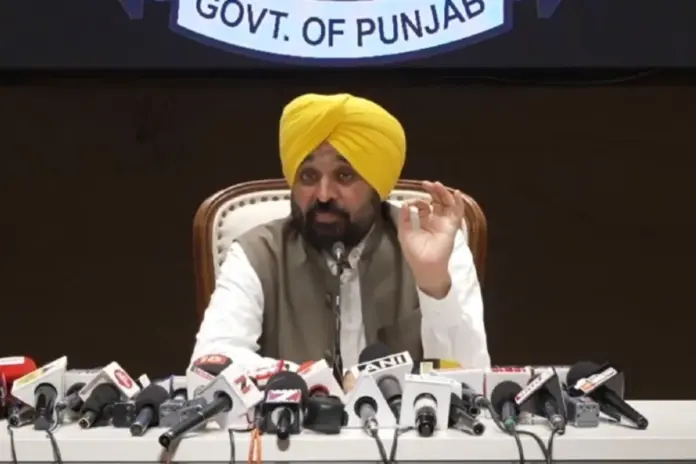
Bhagwant Mann: Punjab CM Bhagwant Mann’s anti-drug campaign isn’t slowing down. The drive was launched in March 2025 as “Yudh Nashian Virudh” and is now in its second year with sustained momentum and aggressive policing. As of early 2026, more than 51,000 drug smugglers have been caught, and operations continue in districts on a daily basis. Police raids have repeatedly resulted in the seizure of heroin, opium, synthetic pills and drug money, showing efforts are being made to break up the supply chains.

Daily Raids, Trustworthy Results

The scale of operations is seen in the latest updates. The police arrested 126 smugglers and seized almost 1 kg of heroin and cash proceeds in one day in April 2026. In other cases, daily arrests have varied from 90 to more than 130 people. Officials say the steady pace of such raids is key to keeping the pressure on trafficking networks and preventing them from regrouping.

Strategy at the Core of De-Addiction

Enforcement is heavy, but the campaign is not just about arrests. The government has increased rehabilitation infrastructure from around 1,500 de-addiction beds to almost 5,000.

New centres have been set up in partnership with community and religious organisations. At the same time, outpatient opioid assisted treatment (OOAT) services have been digitised and expanded to hundreds of sites, increasing the availability of treatment. Police teams are also actively encouraging those with addiction problems to seek help. In multiple instances, dozens have been persuaded to enter rehab in a single day.

Public Support and Tech Help Efforts

Bhagwant Mann: Technology and public participation back the campaign. Anti-drone systems have been put in place in the border areas to check cross-border smuggling, and financial probes have resulted in the freezing of assets worth ₹263 crore linked to the traffickers. Platforms such as SAFE Punjab have allowed citizens to share information, resulting in thousands of FIRs. More than 1.5 lakh village volunteers are also involved in creating awareness at the grassroots level.