Home Blog Page 157

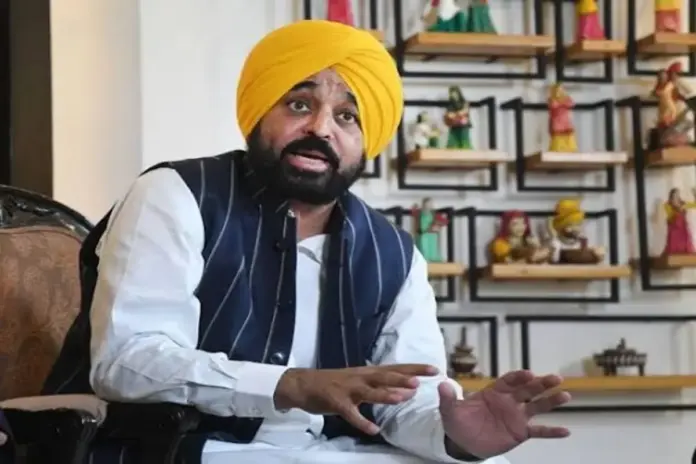
Bhagwant Mann Government Plans to Abolish Canal Water Cess to Support Farmers

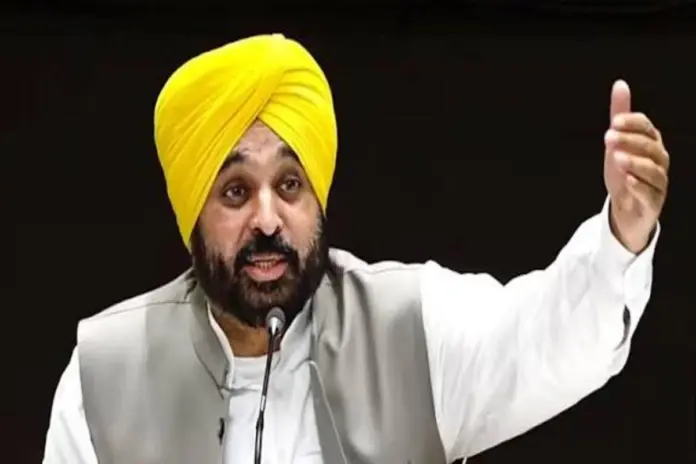
The Bhagwant Mann government has announced plans to abolish the water cess levied on canal irrigation, describing the move as a major relief measure for farmers across the state.

According to the Aam Aadmi Party, Chief Minister Bhagwant Mann’s government has directed the concerned department to prepare a framework for removing the charge imposed on the use of canal water for agricultural purposes. The decision is being projected as part of the government’s efforts to reduce the financial burden on farmers and strengthen the agricultural sector.

Bhagwant Mann Government Plans to Abolish Canal Water Cess to Support Farmers

Party leaders stated that the canal water cess was introduced in 2014 during the previous Shiromani Akali Dal-Bharatiya Janata Party government. The current administration has argued that eliminating the levy would provide direct benefits to farmers and encourage greater use of canal irrigation.

Officials noted that improving access to canal water remains an important component

Officials noted that improving access to canal water remains an important component of the state’s agricultural strategy. Increased reliance on canal irrigation is also expected to help reduce pressure on groundwater resources, which have been under stress in several parts of Punjab due to extensive tube-well usage.

The proposed measure comes amid the government’s broader initiatives aimed at supporting farmers through irrigation improvements, agricultural infrastructure development, and measures intended to reduce cultivation costs. Authorities believe that easing financial obligations related to irrigation can contribute to improving farm incomes and promoting sustainable agricultural practices.

The Punjab government has stated that further details regarding the implementation of the proposal will be announced after the department completes the necessary framework and approval process.

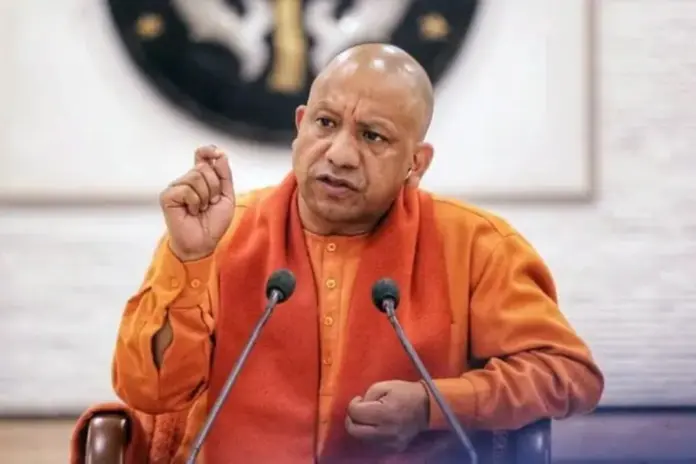
CM Yogi Adityanath: Uttar Pradesh Reaffirms Commitment to Child Rights on World Day Against Child Labour

Lucknow: Uttar Pradesh Chief Minister Yogi Adityanath has reiterated the importance of protecting children’s rights and ensuring access to education, safety, and a dignified childhood on the occasion of World Day Against Child Labour.

CM Yogi Adityanath: Uttar Pradesh Reaffirms Commitment to Child Rights

In a public message, the Chief Minister emphasized that every child has the right to education, a secure environment, and opportunities to pursue their dreams. He stated that providing children with quality education and safeguarding their well-being is both a social responsibility and a national priority.

Adityanath described children as the foundation of a developed India

Highlighting the significance of child welfare in nation-building, Adityanath described children as the foundation of a developed India and a developed Uttar Pradesh. He called upon citizens and institutions to work collectively towards eliminating child labour and creating conditions that enable every child to learn, grow, and thrive.

The Chief Minister also urged society to remain committed to the protection of child rights and to ensure that children are provided with an environment of dignity, security, and equal opportunity. Officials noted that education, social protection measures, and awareness campaigns continue to play a crucial role in preventing child labour and promoting inclusive development.

The message coincides with global efforts to raise awareness about child labour and strengthen initiatives aimed at ensuring that children remain in schools and are protected from exploitation. The state government maintains that investments in education and child welfare are essential for building a skilled, empowered, and prosperous future generation.

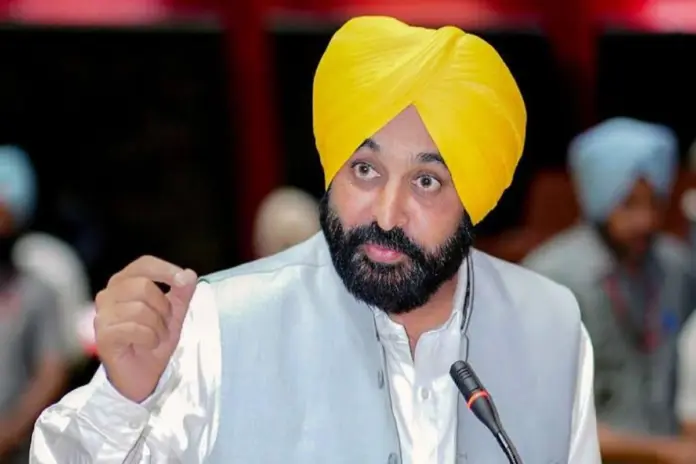
Bhagwant Mann Raises Special State Status and Development Demands at NITI Aayog Meeting

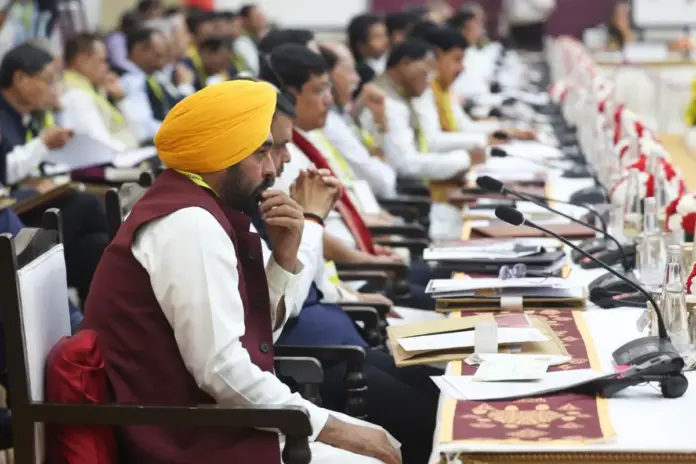
Punjab Chief Minister Bhagwant Mann participated in a meeting of the NITI Aayog in New Delhi, where he presented a series of demands aimed at strengthening the state’s economic development, industrial growth, and fiscal position.

Bhagwant Mann Raises Special State Status and Development Demands at NITI Aayog Meeting

According to the Aam Aadmi Party, the Chief Minister urged the Central Government to consider granting Punjab special state status and sought a 90:10 funding ratio for centrally sponsored schemes. The state government argued that such support would help Punjab address development challenges and accelerate infrastructure and welfare initiatives.

Mann also called for a special border state package for Punjab

During the meeting, Mann also called for a special border state package for Punjab, citing the state’s strategic location along the international border and the unique challenges associated with border management, security, and development.

In addition, the Chief Minister emphasized the need for advanced technology and manufacturing investments in the state. He reportedly urged the Centre to establish a National Integrated Semiconductor Mega Cluster in Mohali, stating that such a project could position Punjab as a major hub for semiconductor manufacturing, electronics production, research, and innovation.

Officials believe that large-scale investments in high-technology industries could generate employment opportunities, attract domestic and international investors, and contribute significantly to the state’s economic growth. The proposal aligns with broader efforts to strengthen India’s semiconductor ecosystem and reduce dependence on imports in critical technology sectors.

The Punjab government stated that the demands raised at the NITI Aayog meeting were aimed at ensuring balanced regional development, enhancing industrial competitiveness, and creating long-term opportunities for the people of the state.

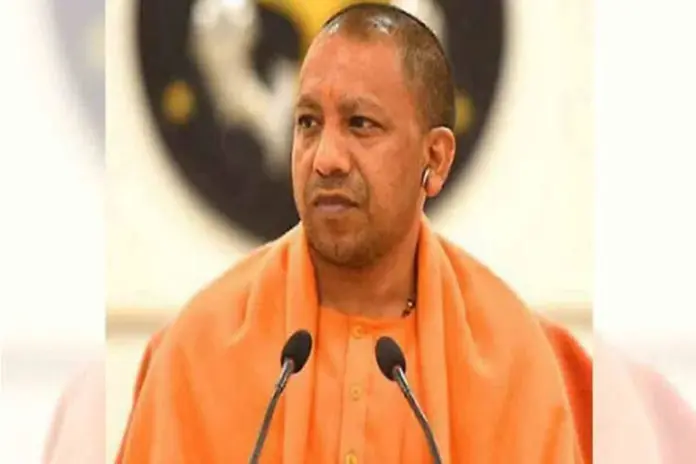
CM Yogi Adityanath: Uttar Pradesh Launches Electric Bus Services to Strengthen Green Public Transport

CM Yogi Adityanath : The Uttar Pradesh government has announced the launch of a major electric public transport initiative in Gautam Buddha Nagar, marking another step toward sustainable urban mobility and environmental conservation.

CM Yogi Adityanath: Uttar Pradesh Launches Electric Bus Services

Under the programme, 45 electric buses operated by the Uttar Pradesh State Road Transport Corporation (UPSRTC) will begin services connecting Noida, Greater Noida, and the Jewar International Airport region. The initiative also includes the inauguration of the Noida Electric Bus Depot, aimed at supporting the operation and maintenance of the growing electric vehicle fleet.

Electric Bus Services to Strengthen Green Public Transport

According to the state government, the fully air-conditioned buses will provide commuters with a safe, comfortable, and environmentally friendly mode of transportation while reducing dependence on conventional fuel-powered vehicles. Officials stated that the project is expected to benefit thousands of daily passengers travelling across the rapidly developing Gautam Buddha Nagar region.

Authorities highlighted that the electric buses produce zero tailpipe emissions, contributing to cleaner air and supporting the state’s broader environmental goals. The development of charging infrastructure and dedicated electric bus depots is also expected to strengthen the region’s green transportation ecosystem.

The government has outlined plans to expand the electric bus network in phases, with the number of buses expected to increase significantly in the future. Officials said the initiative aligns with efforts to promote sustainable urban development, improve connectivity, and reduce carbon emissions.

The launch forms part of Uttar Pradesh’s wider focus on modern infrastructure, smart mobility solutions, and environmentally responsible development. The state government maintains that investments in clean transportation will help create more efficient, accessible, and sustainable cities while supporting long-term economic growth.

Delhi Weather Alert: Rain Respite For Delhiites, But Gusty Winds To Disrupt Life, Check IMD Report

Delhi -Weather- Alert
Google

Delhi Weather Alert: Delhi citizens may breathe out as there will be a lull from the downpour, after having faced cloudy days and rainy weather for a number of days now. But, according to warnings by the IMD, strong and gusty winds can trouble various areas in the national capital.

Rain Activity Will Subside for Now

According to the forecast issued, rainfall activity in the city of Delhi is going to see a reduction when compared to the past few days. Rainfall activity will take place, but may be in brief intervals of time with light rain and clouds in the sky. 

IMD Warns of Strong Winds

Despite the reduction in rainfall, the IMD has issued an alert regarding strong surface winds across Delhi and the surrounding regions. Wind speeds may increase significantly during the day, leading to dust movement, reduced visibility in some locations, and inconvenience for commuters. Residents have been advised to remain cautious, especially near construction sites, trees, and temporary structures that could be affected by powerful gusts.

Impact on Daily Life

The gusty weather conditions may disrupt normal activities across the city. Commuters could face challenges due to flying debris, while outdoor events and construction work may also be impacted. Authorities are monitoring the situation and have urged citizens to follow weather advisories issued by official agencies.

Temperature to Remain Comfortable

The recent rainfall has helped keep temperatures under control, offering relief from the intense summer heat. Even as rainfall decreases, cloudy conditions and winds are expected to prevent a sharp rise in daytime temperatures.

Safety Measures for Residents

  • Stay updated with official IMD weather alerts.
  • Avoid standing under trees during strong winds.
  • Secure loose objects on balconies and rooftops.
  • Exercise caution while driving, especially during dust-laden winds.
  • Plan outdoor activities after checking local weather conditions.

Bhagwant Mann Intensifies Anti-Gangster Campaign, Reports Over 36,000 Arrests

Bhagwant Mann has continued its statewide crackdown on organized crime under its ongoing anti-gangster campaign, carrying out extensive enforcement operations in coordination with the Anti-Gangster Task Force (AGTF).

Bhagwant Mann Intensifies Anti-Gangster Campaign

According to information released by Punjab Police, authorities conducted 593 raids during the latest phase of the operation. The campaign resulted in the arrest of 360 individuals, while six proclaimed offenders were also apprehended. Police teams additionally recovered four weapons during the coordinated action.

Reports Over 36,000 Arrests

Officials stated that the operation is part of a sustained strategy aimed at dismantling criminal networks, tracking associates of gangsters, and strengthening public safety across the state. Law enforcement agencies have been conducting intelligence-based raids at locations linked to organized crime groups and their suspected associates.

Punjab Police reported that since the launch of the anti-gangster campaign, a total of 36,023 arrests have been made. Authorities maintain that continuous enforcement measures are intended to curb criminal activities, disrupt gang operations, and prevent the expansion of organized crime networks.

The police department reiterated its commitment to maintaining law and order through coordinated action involving district police units and specialized task forces. Officials emphasized that intelligence gathering, targeted operations, and inter-agency cooperation remain central to the state’s anti-crime strategy.

Punjab Police has also encouraged citizens to share information regarding criminal activities through dedicated helpline channels, assuring confidentiality for individuals who provide actionable inputs. Authorities stated that public cooperation continues to play an important role in efforts to ensure a safer and more secure environment across Punjab.

One Year After Air India Crash, Pain Outlives the Headlines, Relatives Still Search For Answers

Air -India- Crash
Google

It’s been a year since the tragic Air India crash that took so many lives and shattered so many families. It dominated news cycles in the days after. But for many relatives of the victims, the pain has not lessened with time. Each day is a reminder of the loved ones they have lost. The crash raised questions not only over aviation safety but operational procedures, maintenance standards and accountability. While investigations have continued, many affected families feel that key answers still elude them.

Families Continue Their Search for Closure

It has been a year of grief, uncertainty and frustration for the families of the victims. Many still say they’re waiting for clear answers about what caused the crash and if it could have been avoided. Some families have repeatedly urged authorities and aviation officials to be transparent. They believe that the whole story of what happened has to come out in order to get closure and avoid another tragedy.

Why Accountability Matters

Major aviation accidents take emotional and psychological tolls on families for years to come, experts say. Beyond compensation and official statements, relatives demand accountability and concrete action. The demand for answers is not just of the past. Families say lessons learned from the crash should lead to stronger safety measures, better oversight, and greater protection for future passengers.

A Reminder Beyond the Headlines

As the world turns to new stories, the memories of the departed are still fresh for their families and friends. One year later, the Air India crash is more than a news story; it’s a continuing journey of grief, remembrance and resilience. For families still searching for answers, the anniversary is a grim reminder that while headlines might fade, the effects of tragedy are long-lasting, long after the cameras are gone.

FIR Against Pranit More, ₹370 Biryani Incident That Triggered Workplace Ethics Uproar Draws Reactions, Munawar Faruqui reacts

Pranit- More
Google

A viral clip from comedian Pranit More’s stand-up show has sparked one of the biggest online debates in recent weeks. The controversy started when audience member Himanshu Jangra shared a story about spending ₹370 on biryani during a date. He suggested that he expected something in return from the woman because he had paid for the meal. Many criticized these remarks for promoting entitlement and overlooking the importance of consent. The situation escalated when social media users noted that the comments received laughter during the show. This led many to wonder if such behavior was becoming normalized. 

FIR and Legal Action Intensify the Row

Now the debate has spilled over social media. The Maharashtra Cyber Cell has reportedly filed a FIR against Pranit More, Himanshu Jangra and others over objectionable content related to the incident. Also, the National Commission for Women (NCW) has taken cognisance of the matter and called the people involved for questioning. The viral clip has also had professional ramifications. Jangra was reportedly fired from his job after the video went viral online, while More came under increasing criticism and later issued an apology. 

Munawar Faruqui’s Reaction Goes Viral

Comedian and reality TV winner Munawar Faruqui also weighed in on the controversy. Through a series of sarcastic social media posts, he appeared to mock the incident, with one post jokingly referring to people searching for the “most expensive biryani” to Pranit More. His comments quickly gained attention and added fuel to an already heated discussion.

Why the Debate Matters

More than the controversy itself, the incident has ignited a broader conversation about consent, workplace ethics, and the responsibility of comedians and content creators. To some critics, comedy should not be a cover for what sounds like comments that promote coercion or disrespecting women. To others, the debate is a litmus test of accountability in the digital age. The ₹370 biryani controversy is a powerful reminder of how fast a viral moment can become a national conversation about social values and public responsibility.

From Campus Safety to Political Storm, Check Why UP’s New Conversion Prevention Cells Are Making Headlines?

Conversion- Prevention- Cells
Google

The Uttar Pradesh government has recently set up Conversion Prevention Cells in educational institutions throughout the state. Officials say these units aim to monitor and stop alleged illegal religious conversions, especially among students and young adults. This decision is part of the state’s wider efforts to enforce anti-conversion laws and improve oversight in colleges and universities. Authorities state that the cells will serve as contact points for complaints, awareness campaigns, and investigations related to suspected coercive or fraudulent religious conversions. 

Why Has the Decision Drawn Attention?

Supporters of the initiative say the cells are needed to protect the vulnerable from being pressured, deceived or manipulated into changing their religion. They believe that in schools students should be able to study without outside interference in a safe environment. But critics have expressed concerns about the possible impact on personal freedoms and privacy. Some civil rights groups fear the new system could result in unnecessary scrutiny of interfaith friendships, relationships, and personal religious choices. Others fear that vague allegations could create tension on campuses. 

The Political Debate Intensifies

The announcement has rapidly become a political flashpoint. Supporters view it as a strong step to uphold state laws and social order. Opposition parties and activists say the measures can be misused and may intimidate students. The debate continues, and the issue has spilled out of the schools and into the broader political arena, with leaders on both sides offering starkly different perspectives. 

What This Means for Students and Educational Institutions 

The success and public perception of these Conversion Prevention Cells will largely depend on their implementation. Transparent procedures, clear guidelines, and protections against misuse will be crucial in deciding whether the initiative is viewed as a protective measure or a controversial type of oversight. For now, Uttar Pradesh’s latest move has sparked a nationwide conversation about religious freedom, student rights, campus safety, and the role of government in education. 

US Iran War Fears Recede,Donald Trump Confirms Movement Toward Historic Nuclear Deal Signing, India’s Energy Woes To End?

US- Iran- War
Google

US Iran War: Following several months of increased tension and threats of war in the Middle East, there are indications that a diplomatic breakthrough may come soon in the form of an agreement between the United States and Iran. US President Donald Trump hinted at a possible deal between the two nations that could bring about reduced war threats and reopen crucial international energy lines. 

Donald Trump Hints at Big Iran Agreement Soon

President Donald Trump said that there is a move toward a large deal between the two nations that will lower tensions and prevent Iran from having nuclear arms. It is reported that talks have progressed quite far and only need to iron out some of the few remaining parts of the agreement.

Why the Strait of Hormuz Matters?

One of the most important aspects of the proposed agreement is the expected reopening and stabilization of the Strait of Hormuz, a crucial maritime route through which a significant portion of the world’s oil supply passes. Disruptions in this region have historically caused sharp increases in global oil prices and created uncertainty in energy markets.If the agreement succeeds, it could restore confidence in global energy supplies and reduce fears of supply disruptions that have troubled markets in recent months.

What Could It Mean for India?

India is one of the world’s largest importers of crude oil and is highly sensitive to fluctuations in global energy prices. Any reduction in geopolitical tensions in the Middle East could help stabilize crude oil prices and lower import costs. A smoother flow of oil through the Strait of Hormuz may ease pressure on India’s energy sector, potentially benefiting fuel prices, transportation costs, and inflation. 

Challenges Remain

Despite the optimism, several issues remain unresolved. Reports indicate that questions surrounding sanctions relief, Iran’s nuclear commitments, and the handling of enriched uranium are still under discussion. Analysts caution that negotiations could face setbacks before a final agreement is officially signed. Moreover, Iran has not yet formally confirmed the agreement described by Trump, making it important to treat the current developments as progress toward a deal rather than a completed settlement

Mamata Banerjee at Crossroads? TMC Leaders Ultimate Push, Choose Between Party Veterans and Abhishek Banerjee, Check

Mamata- Banerjee
Google

Mamata Banerjee: The politics of West Bengal are currently experiencing internal politics within the Trinamool Congress (TMC), where doubts are being raised on matters regarding leader dynamics and the future direction of the party. The question revolves around the Chief Minister of West Bengal, Mamata Banerjee, who still holds absolute dominance in leadership within the party, while the need for younger leadership has become increasingly apparent, notably Abhishek Banerjee.

Dynamics Inside TMC Party

The Trinamool Congress party has always been characterized by the dominating leadership of the Chief Minister Mamata Banerjee as well as senior figures in the party who were involved in the formation of the political party from the beginning of the political movement. These figures are the core members of the party, with political experience and grounding that enabled their party to establish itself in West Bengal.

Increasing Influence of Abhishek Banerjee

The increasing influence of Abhishek Banerjee, one of the prominent young leaders in TMC, has raised questions as to whether the party must move towards involving a greater number of decision-making roles for the youth. While supporters of the idea highlight the importance of new blood and new ideas for the sustainability of the party, its opponents believe that abrupt changes might affect the functioning of the party adversely.

Party Veterans vs Young Party Leadership

The discussion on the topic can be presented as a confrontation between two parties – the party veterans and the young party leadership. While party veterans prioritize stability, experience, and ideological consistency, the next-generation leadership is marked by innovations, social media campaigns, and an expanded political agenda.

Political Implications

Mamata Banerjee: For TMC, maintaining unity between these two groups is crucial. Any visible internal divide could impact the party’s public image and electoral strength. As West Bengal remains a politically sensitive state, leadership clarity plays a key role in shaping voter confidence.

Punjab Seeks Special Category Status & Special Package for Border Areas from Centre: CM Bhagwant Singh Mann

Punjab news

Punjab Chief Minister Bhagwant Singh Mann on Thursday strongly raised Punjab’s long-pending concerns before the NITI (National Institution for Transforming India) Aayog Governing Council, seeking a special package for the revitalisation of border areas and demanding that Punjab be accorded Special Category Status (SCS) with 90:10 funding under all Centrally Sponsored Schemes on the lines of hill states, North Eastern states and Jammu & Kashmir. Addressing the meeting, CM Bhagwant Singh Mann highlighted the extraordinary security, economic and social challenges faced by Punjab as a frontline border state and asserted that the state’s aspirations are fully aligned with the national goal of Viksit Bharat 2047.

Punjab Deserves Special Support as a Frontline Border State

Speaking on the unique challenges confronting Punjab, CM Bhagwant Singh Mann said, “Punjab is a frontline state sharing a 553-kilometre border with Pakistan. The state faces a deep and multidimensional crisis that includes persistent cross-border terrorism, drone-based smuggling of heroin and weapons. This has resulted in a drug addiction epidemic among youth, organised crime and daily hardship for farmers cultivating land between the security fence and the international border under BSF escort.”

Highlighting the impact of natural disasters and security-related disruptions, the Chief Minister said, “Punjab also suffered the devastating impact of natural disasters such as the 2025 floods, which damaged more than 2,300 villages and caused losses estimated at ₹12,905 crore. The onslaught that residents of Punjab had to face in the aftermath of Operation Sindoor was visible for the entire country to see.”

CM Bhagwant Singh Mann said that densely populated villages and towns located close to the international border have been deprived of the economic growth witnessed by other parts of the country. He noted that decades of uncertainty and risk have resulted in negligible investment in border districts and, in many cases, led to a flight of capital and the closure or relocation of industries. “Although Punjab acts as a buffer for the country against repeated hostilities from our neighbour, support from the Government of India has been grossly inadequate for the state and its border areas,” he said.

Pointing to the disparity in development initiatives, the Chief Minister said, “Only 107 villages have been covered under the recently launched Vibrant Village-II Programme, whereas more than 2,000 villages and towns are located in very close proximity to the border.”

Centre Must Accept Punjab’s Genuine and Long-Pending Demands

CM Bhagwant Singh Mann said that Punjab has repeatedly urged the Union Government to take urgent measures to strengthen the international border and address the multiple challenges confronting the state. “To secure our international border with Pakistan, make it future-ready and address the multifaceted crisis facing Punjab, we have placed a series of urgent demands before the Central Government on multiple occasions. However, there has been little and unenthusiastic response from the Centre, which is unfortunate and undesirable,” he said.

The Chief Minister reiterated that the demands raised during the 10th meeting of the Governing Council in May 2025, as well as those presented during the current meeting, deserve serious consideration. “The genuine demands of the people of Punjab, raised by me during the 10th meeting of the Governing Council and reiterated today, may kindly be accepted,” he said.

Secure and Prosperous Punjab Essential for Viksit Bharat

Urging the Prime Minister to extend greater support to Punjab, CM Bhagwant Singh Mann said, “Punjab and its people stand resolute in their commitment to protect the country and its borders from a hostile neighbour even at the cost of their own disadvantage.” Expressing hope that Punjab’s concerns would receive a positive response, he added, “I hope that the genuine and legitimate demands of the state are favourably considered and Punjab is given its due recognition and share in the economic development of the country.”

CM Bhagwant Singh Mann assured the Prime Minister that Punjab would continue to work shoulder-to-shoulder with the Union Government to achieve the vision of Viksit Bharat 2047. “Punjab and its people will collaboratively work with the Government of India towards making India Viksit Bharat @ 2047. Only a secure, safe and thriving Punjab can guarantee a Viksit Bharat @ 2047,” he said.

Rangla Punjab Vision Aligned With National Priorities

Presenting Punjab’s development roadmap, CM Bhagwant Singh Mann said, “As the Chief Minister of Punjab, a land of resilience, promise and potential, I am proud to present our collective vision for a Rangla Punjab that is determined to play a pivotal role in shaping a Viksit Bharat by 2047.” He said that as Punjab’s aspirations align with national priorities, discussions centred on human capital development are both timely and crucial.

The Chief Minister envisioned a family-centric development model focused on ensuring the well-being of every child, empowering the working-age population to become productive and innovative, and providing dignity and care to the elderly. “This requires us to harness our inherent strengths, confront challenges head-on with innovative solutions, empower people with cutting-edge skills and create an enabling environment that allows them to become active contributors and beneficiaries of Punjab’s and India’s growth story,” he said.

Mukh Mantri Sehat Yojna Bringing Universal Health Coverage to Every Family

Emphasising the importance of health and nutrition in human capital development, CM Bhagwant Singh Mann said Punjab has adopted a continuum-of-care approach that integrates preventive and curative healthcare services. The Chief Minister said that the Punjab Government has taken a historic step towards Universal Health Coverage through the Mukh Mantri Sehat Yojna. “Under this transformative initiative, every family in Punjab is entitled to cashless health cover of up to ₹10 lakh per family per year for a comprehensive range of 2,356 medical and surgical procedures,” he said.

CM Bhagwant Singh Mann further stated that the scheme is being implemented through an extensive network of nearly 900 government and empanelled private hospitals across Punjab and Chandigarh, ensuring seamless access to quality healthcare services.

Aam Aadmi Clinics Redefining Primary Healthcare Delivery

Highlighting Punjab’s primary healthcare transformation, CM Bhagwant Singh Mann said that the state has established 990 Aam Aadmi Clinics, including 414 in urban areas and 576 in rural areas. “These clinics are built on the pillars of standardisation and provide 107 essential medicines and 47 diagnostic tests completely free of cost. They are supported by IT-enabled real-time reporting systems,” he said.

The Chief Minister said that the response from citizens has been unprecedented. “More than 5.54 crore OPD visits have been recorded till date. Around 84,000 patients are served every single day and more than 90% of patients receive all prescribed medicines free of cost at the clinic itself,” he said.

CM Bhagwant Singh Mann said that the impact of the initiative is reflected in public satisfaction levels. “With 97% of patients expressing satisfaction with the services received, the trust people have reposed in this initiative is clearly visible,” he said. He further announced that 400 additional Aam Aadmi Clinics are in the pipeline, reaffirming the Punjab Government’s commitment to ensuring accessible, dignified and quality healthcare for every citizen.

Yudh Nashean Virudh Strengthening Punjab’s Fight Against Drugs

Highlighting Punjab’s anti-drug campaign, CM Bhagwant Singh Mann said that the Punjab Government has launched Yudh Nashean Virudh as a comprehensive and determined effort to combat drug abuse and trafficking across the state. Under the campaign, he said, 547 Out-Patient Opioid Assisted Treatment (OOAT) Clinics, 183 de-addiction centres and 90 rehabilitation centres are functioning across Punjab to support treatment and long-term recovery. The Chief Minister said that de-addiction services have also been extended to 19 jails to ensure continuity of care for incarcerated individuals.

Complementing these efforts, CM Bhagwant Singh Mann said Punjab has launched ‘School Nashean Virudh’, a first-of-its-kind preventive education initiative. “The programme is reaching nearly eight lakh students across 3,658 government schools. Students are being equipped with the knowledge, critical thinking skills and values needed to resist substance abuse and make informed life choices,” he said.

Sports and Wellness Central to Drug-Free Punjab

CM Bhagwant Singh Mann said that recognising the critical preventive role of sports in human well-being, the Punjab Government has adopted a holistic approach through the historic initiative ‘Khed-da Punjab, Badalda Punjab’. “The battle against drugs will be fought not only through enforcement but also by engaging our youth in constructive, disciplined and competitive pursuits,” he said.

The Chief Minister said that to strengthen grassroots sports infrastructure, promote fitness and nurture talent, the Punjab Government has made a historic allocation of ₹1,763 crore for the sports sector in 2026-27. He added that more than 3,150 village-level playgrounds and 5,000 rural gyms are being developed across Punjab to encourage healthy lifestyles and channel the energy of youth towards constructive nation-building.

Highlighting the success of CM Di Yogshala, CM Bhagwant Singh Mann said the initiative is promoting preventive healthcare and holistic well-being across the state. “It is a matter of immense pride and satisfaction that around three lakh people practise yoga daily under this initiative,” he said.

Punjab Emerges as India’s Top-Performing School Education System

Underscoring the importance of education in human capital development, CM Bhagwant Singh Mann said Punjab has emerged as India’s top-performing school education system in NITI Aayog’s Education Quality Report 2026. He said that Punjab views Early Childhood Care and Education not merely as preparatory schooling but as a long-term investment in human capital, equity and inclusive growth. “Nearly 90% of brain development occurs before the age of six. Keeping this in mind, Punjab has made substantial investments in early childhood and primary education with a strong focus on developmental milestones and learning outcomes,” he said.

The Chief Minister said that the transformation has been driven by an engaging, play-based learning approach involving storytelling, group activities and real-world application of concepts. He highlighted the success of Mission Samrath, launched to ensure foundational literacy and numeracy for all students. “Through structured pedagogy and focused interventions, we have improved learning outcomes on a mass scale,” he said.

CM Bhagwant Singh Mann said that Punjab’s top ranking in PARAKH (Performance Assessment Review, and Analysis of Knowledge for Holistic Development) assessments is the result of sustained and focused efforts. “Punjab’s government school students in Classes 3 to 9 are outperforming the national average by 10 to 15 percentage points across core subjects, reflecting sustained learning gains throughout the schooling journey,” he said.

Hunar Sikhia Schools Connecting Education With Industry

CM Bhagwant Singh Mann said Punjab is redefining school education by linking learning with practical skills, employment opportunities and students’ aspirations. He said that 40 Hunar Sikhia Schools have been established across all 23 districts of Punjab to create meaningful pathways for youth through structured and industry-aligned education. “For the current academic session, nearly 3,500 students are enrolled in Classes 11 and 12 under the Hunar Sikhia School Programme,” he said. The Chief Minister said the uniqueness of Hunar Sikhia Schools lies in the complete integration of vocational education with mainstream senior secondary education.

Alongside foundational subjects focused on communication, technology, career readiness and Punjab’s culture and heritage, students are receiving training in industry-aligned sectors including Healthcare Sciences and Services, Digital Design and Development, Banking, Financial Services and Insurance, and Beauty and Wellness.

He said strategic partnerships have been established with Max Healthcare, IIT Delhi, Labour Net and Orane International. “Our students are gaining hands-on learning through internships, exposure visits, guest lectures, summer projects and industry interactions,” said CM Bhagwant Singh Mann.

The Chief Minister further said that 70 exposure visits across 51 industries have already benefited 1,356 students. “This secondary school curriculum is internship-embedded. From June 1, 2026, students have begun industry internships to gain real workplace exposure and understand professional responsibilities. Stipend support of ₹2,500 for 30-day internships and ₹1,250 for 14-day internships is also being provided,” he added.

Business Blasters Turning Students from Job Seekers into Job Creators

Highlighting Punjab’s focus on entrepreneurship, CM Bhagwant Singh Mann said that the Punjab Government has launched the Punjab Young Entrepreneurs Program (Business Blasters) with the vision of transforming students from job seekers into job creators. “What started as a pilot initiative in a limited number of schools has today evolved into a statewide movement,” he said.

The Chief Minister said that Business Blasters has now been introduced as a mandatory subject for all Class 11 and 12 students in both government and private schools. “In the current academic year alone, the programme has reached nearly 3,800 schools, including 1,931 government schools and 1,849 private schools, benefiting more than 2.68 lakh students across Punjab by providing entrepreneurial education, practical experience and access to seed funding,” said CM Bhagwant Singh Mann.

Mindfulness Programme Strengthening Students’ Emotional Well-Being

Emphasising that academic excellence must be accompanied by emotional well-being and character development, CM Bhagwant Singh Mann said that Punjab has introduced a statewide Mindfulness Programme across government schools.

The Chief Minister said that the programme integrates guided meditation, mindful breathing, positive affirmations and gratitude practices into the daily routine of students. “The programme aims to strengthen concentration, emotional resilience, self-awareness and mental readiness, enabling students to learn with greater focus and confidence,” he said.

Punjab Expanding Skill Development Infrastructure Across the State

CM Bhagwant Singh Mann said that the Punjab Government continues to accord high priority to skill development, recognising that a competitive economy requires a trained and industry-ready workforce. The Chief Minister said that over the past year, seats in Government ITIs have been expanded significantly from 35,000 to 52,000, thereby widening access to vocational education for thousands of young people across Punjab.

He further stated that a state-wide modernisation effort through machinery upgrades is currently underway across all ITIs. “In a pioneering step, Punjab has operationalised ITIs in 11 jails, integrating skill development with social rehabilitation,” he said.

CPYTE Training Youth for Armed Forces and Security Services

Highlighting another major initiative, CM Bhagwant Singh Mann said that the Centre for Training and Employment of Punjab Youth (CPYTE), fully funded by the Punjab Government, has emerged as an important platform for preparing youth for careers in the armed and paramilitary forces.

The Chief Minister said that CPYTE operates through 14 residential campuses across Punjab and trains nearly 10,000 youth every year through a three-month programme focused on academics and physical fitness. “These youth are trained for recruitment into the armed forces as soldiers, as well as for the State Police, State Jails and security agencies across the country,” he said.

CM Bhagwant Singh Mann further informed that 2,500 candidates trained at CPYTE have joined the armed forces as Agniveers this year.

Armed Forces Preparatory Institutes Creating Future Officers

The Chief Minister said that another highly successful initiative of the Punjab Government has been the establishment of state-funded Armed Forces Preparatory Institutes (AFPI), which provide residential training to young men and women for two to three years to prepare them for entry into the armed forces as commissioned officers through NDA and CDS/OTA.

Highlighting the achievements of these institutes, CM Bhagwant Singh Mann said, “The Maharaja Ranjit Singh AFPI for Men has recorded a success rate of 55%, while nearly 196 cadets have been commissioned as officers into the armed forces.” He further stated that 43 women cadets from the Mai Bhago AFPI for Women have joined NDA, OTA, INA and AFA streams and are on the path to being commissioned as officers.

The Chief Minister also informed that Punjab has recently established a new AFPI that provides short-term training ranging from 15 days to three months for men and women aspiring to join the armed and paramilitary forces as commissioned officers. “This programme is also open to professionals such as nurses, doctors, engineers and lawyers,” he added.

Punjab Strengthening Employment Ecosystem Through Technology

CM Bhagwant Singh Mann said that Punjab has operationalised the employment portal www.punjabrozgar.org.in to strengthen connections between employers and job seekers. The Chief Minister said that the portal has helped create greater synergy between employers and potential employees while enabling a data-driven approach towards improving employability across the state.

Technology-Driven Security Initiatives Making Punjab Safer

Highlighting Punjab’s commitment to internal security and public safety, CM Bhagwant Singh Mann said that human capital development can succeed only when supported by safe communities, social resilience and strong institutions. The Chief Minister said that Punjab has adopted a proactive and technology-driven approach towards public safety through initiatives such as the Anti-Gangster Task Force (AGTF), strengthened counter-intelligence mechanisms and deployment of anti-drone systems in border areas.

He further said that citizen-centric interventions through the Sadak Surakhiya Force have significantly improved emergency response systems and road safety outcomes across Punjab.

Punjab Seeks National Knowledge and Education Hub Status for Mohali

Listing Punjab’s aspirations before the NITI Aayog, CM Bhagwant Singh Mann thanked the institution for creating a platform that aligns national priorities with regional aspirations and provides states an opportunity to share their developmental initiatives. The Chief Minister urged the Union Government to recognise Mohali and the area within a 50-kilometre radius as a National Knowledge and Education Hub.

He said that the region possesses a unique concentration of educational institutions, research centres and innovation ecosystems of national importance, along with a large talent pool and a strong industry-academia collaboration framework. “This recognition will strengthen Mohali’s global competitiveness, attract investments and international partnerships, and promote innovation-led growth in support of India’s vision of becoming a leading knowledge-based economy,” said CM Bhagwant Singh Mann.

Proposal for National Knowledge and Innovation Region in Mohali

The Chief Minister further proposed the development of the Mohali region as a National Knowledge and Innovation Region (NKIR) through integrated planning and the creation of world-class infrastructure. CM Bhagwant Singh Mann said that advanced shared research facilities, dedicated funding mechanisms and Centres of Excellence in strategic sectors should be established. “These Centres of Excellence should focus on Artificial Intelligence, Semiconductors, Biotechnology, Pharmaceuticals, Quantum Technologies, Agri-Tech and Advanced Manufacturing,” he said.

The Chief Minister also advocated attracting reputed foreign universities to establish campuses and collaborative academic centres in Mohali. “This will strengthen India’s internationalisation agenda while enhancing global academic engagement,” he added.

Strengthening Global Connectivity Through Shaheed Bhagat Singh International Airport

CM Bhagwant Singh Mann also called for the expansion of domestic and international air connectivity through Shaheed Bhagat Singh International Airport. He advocated direct air links to major global centres of education, research and innovation in Europe, the United Kingdom, Singapore, South Korea, Japan and other strategically important destinations.

Punjab Seeks Integrated Semiconductor Mega-Cluster for Mohali

Making a strong case for Punjab’s role in India’s semiconductor future, CM Bhagwant Singh Mann urged the Union Government to establish an all-in-one Integrated Semiconductor Mega-Cluster (ISMC) in Mohali under the Semiconductor Mission. The Chief Minister said that the NITI Frontier Tech Hub roadmap lays out a clear vision for India’s semiconductor future and Punjab is uniquely positioned to contribute significantly to that vision.

Mohali Has Unique Advantages in Semiconductor Manufacturing

CM Bhagwant Singh Mann said that while India’s semiconductor strategy has successfully extended incentives to standalone front-end fabrication units in Gujarat and back-end OSAT facilities in Assam and Sanand, vulnerabilities remain due to fragmentation in the global semiconductor supply chain.

The Chief Minister said that Mohali, home to the Semi-Conductor Laboratory (SCL), the country’s only fully integrated device manufacturer, is ideally placed to host a comprehensive end-to-end semiconductor manufacturing, assembly and packaging ecosystem. “Unlike many regions that are beginning from greenfield sites, Mohali possesses a strong brownfield foundation, legacy institutional knowledge and four decades of experience in handling Class 10 and Class 100 cleanrooms, hazardous chemicals and high-precision metrology,” he said.

₹4,500 Crore SCL Modernisation Can Transform Mohali into India’s Semiconductor Hub

CM Bhagwant Singh Mann reminded the gathering that the Government of India has already committed ₹4,500 crore towards the modernisation of SCL Mohali. The Chief Minister said that the investment is aimed at increasing wafer production capacity by nearly 100 times while integrating advanced commercial pipelines.

Urging the Prime Minister to maximise the benefits of this investment, CM Bhagwant Singh Mann said, “The ₹4,500 crore modernisation programme should be leveraged to transform Mohali into an all-in-one Integrated Semiconductor Mega-Cluster.” He said that integrating design, fabrication and advanced packaging facilities (ATMP/OSAT) within a single 50-kilometre radius would significantly reduce domestic lead times, strengthen strategic sovereignty and create a globally competitive destination for commercial foundries.

Mohali Can Become India’s Semiconductor Growth Engine

The Chief Minister said that Mohali possesses several strategic and logistical advantages that make it the ideal location for an Integrated Semiconductor Mega-Cluster. “Ready availability of trained manpower, proximity to defence and strategic consumers, requisite infrastructure and an existing private-sector footprint in the field are already available in Mohali,” he said. CM Bhagwant Singh Mann asserted that establishing the cluster would position Punjab as a frontrunner in one of the world’s most strategic and high-growth sectors, while accelerating economic growth and innovation in the state.


In His Statement to SIT Former Jathedar Giani Raghbir Singh Confirms Sukhbir Badal Admitted Responsibility For Behbal Kalan Shooting: Baltej Pannu

Pannu

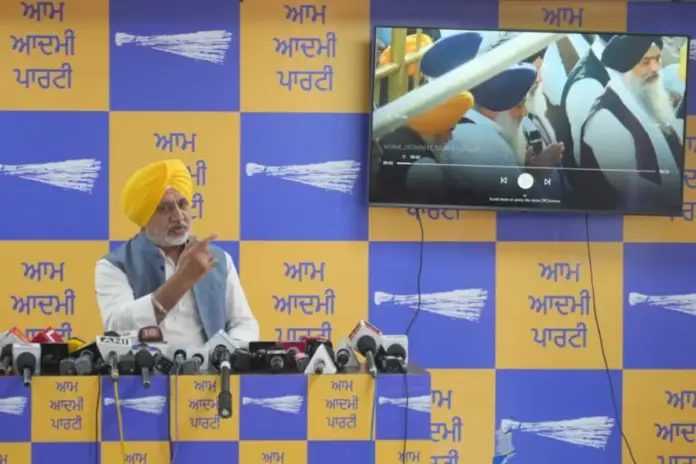
Aam Aadmi Party (AAP) Punjab Media In-Charge Baltej Pannu on Thursday said fresh revelations in the Behbal Kalan firing case have once again exposed the Shiromani Akali Dal (SAD) leadership’s attempts to evade accountability for the sacrilege incidents and subsequent police firing on peaceful protesters. Citing the statement of former Akal Takht Jathedar Giani Raghbir Singh before the SIT (Special Investigation Team), Baltej Pannu said that Sukhbir Singh Badal had accepted responsibility for the Behbal Kalan firing before Sri Akal Takht Sahib and sought forgiveness, making his current denial a direct contradiction of his own admission.

The AAP Punjab Media In-charge said that Punjab has not forgotten the Behbal Kalan and Kotkapura firing incidents, the beadbi cases, or the role played by the then Akali-BJP government, and asserted that those responsible must answer before the people and the law. Stating that a video record of Sukhbir Singh Badal’s admission is preserved with Sri Akal Takht Sahib, Baltej Pannu said that confessing before the highest temporal seat of the Sikhs and then denying it in public is an affront to the sanctity of the institution and an attempt to mislead Punjabis who have been waiting for justice for over a decade.

Addressing a press conference, AAP Punjab Media In-charge Baltej Pannu said that whenever incidents related to the desecration of Sri Guru Granth Sahib took place in Punjab, the Akali-BJP governments were in power. “Instead of ensuring justice, those governments indulged in cover-ups and protected those responsible,” he added.

Recalling the 1986 Nakodar firing incident, Baltej Pannu said, “Four Sikh youths were martyred when police opened fire on peaceful protesters demonstrating against the desecration of Sri Guru Granth Sahib. A significant portion of the Justice Gurnam Singh Commission report mysteriously disappeared during the Akali regime to prevent the truth from coming out. Officers who held key positions during that period were later rewarded with senior posts and political positions by the Akali Dal.”

Drawing parallels with the events of 2015, Baltej Pannu said, “The same pattern of suppressing the truth resurfaced when a bir of Sri Guru Granth Sahib was stolen from Burj Jawahar Singh Wala and provocative posters were put up, deeply hurting Sikh sentiments. Despite widespread public outrage, the then Akali-BJP government failed to act decisively.”

He further stated, “When people came out on the streets in peaceful protest against the beadbi incidents, the government responded with force instead of justice. Peaceful demonstrators at Kotkapura were subjected to water cannons, tear gas and firing, while at Behbal Kalan, police bullets claimed the lives of two innocent Sikhs. The government attempted to shield the real culprits and falsely implicated Sikh youths in the beadbi cases, subjecting them to severe torture before public pressure forced their release.”

Taking direct aim at Sukhbir Singh Badal, Baltej Pannu said that the former Deputy Chief Minister and then Home Minister cannot escape accountability for what happened under his watch. Referring to the chargesheet filed by the Special Investigation Team (SIT) in the Kotkapura firing case, he noted that courts had also made serious observations regarding the handling of the incident.

Baltej Pannu said, “The most significant development is the statement recorded by former Akal Takht Jathedar Giani Raghbir Singh before the SIT. The former Jathedar confirmed that during his appearance before Sri Akal Takht Sahib, Sukhbir Singh Badal accepted responsibility for the events linked to the Behbal Kalan firing incident. This admission was made publicly before Sri Akal Takht Sahib and was video recorded. The recording is still preserved in the records of Sri Akal Takht Sahib.”

Questioning the SAD president’s stand, Baltej Pannu said, “If Sukhbir Singh Badal accepted responsibility before Sri Akal Takht Sahib, how can he now deny it before the people of Punjab? If he truly considers Sri Akal Takht Sahib supreme, then why is he contradicting his own confession?”

He further stated, “You cannot seek forgiveness before Sri Akal Takht Sahib and then walk out and claim nothing happened. This is not merely a political contradiction; it is an insult to the sanctity of the institution before which the confession was made.”

Highlighting the AAP Government’s approach, Baltej Pannu said, “The Bhagwant Mann Government has allowed the SITs investigating the beadbi and firing cases to function independently without any political interference. Unlike previous governments, the AAP government has not attempted to influence investigations and is committed to ensuring that the truth reaches the people.”

Baltej Pannu asserted, “The people of Punjab have waited for justice for far too long. Those responsible for beadbi incidents, the firing on peaceful protesters and the subsequent cover-ups must be held accountable, irrespective of their political stature.”

Finance Minister Harpal Singh Cheema holds talks with employee unions across departments to find solutions to pending issues

Cheema

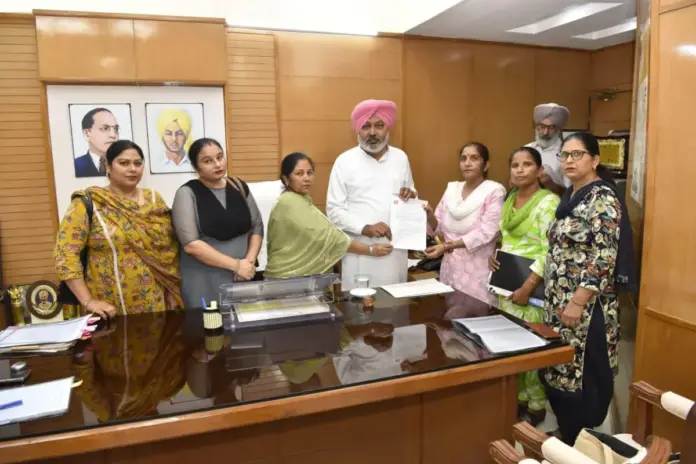
Punjab Finance Minister Harpal Singh Cheema on Thursday chaired a series of meetings with employee unions of various departments to discuss their grievances and find amicable solutions to their ongoing issues. The meetings saw active participation of delegations from the Veterinary Pharmacist Action Committee, the Overage Berozgar Union, the Adarsh School Teaching and Non-Teaching Association, the Punjab AIDS Control Employees Welfare Association, and the ASHA (Accredited Social Health Activist) Worker and ASHA Facilitator Union.

Assuring the unions of the Punjab Government’s employee-friendly approach, Finance Minister Harpal Singh Cheema said, “The CM Bhagwant Singh Mann-led Punjab Government is committed to addressing the genuine concerns of employees in a constructive manner. All legitimate demands will be examined on priority and the resolution process will be expedited.”

During a meeting with representatives of the ASHA Worker and ASHA Facilitator Union, the minister also directed the Health and Family Welfare Department to prepare a comprehensive framework for providing health and life insurance coverage to ASHA workers, aimed at strengthening their social security and well-being.

Reviewing the memorandums submitted by the employee unions, Harpal Singh Cheema heard concerns related to the regularisation of long-serving contractual and temporary employees, age relaxation for upcoming Master Cadre recruitments, salary revisions, transparent transfer and service policies, and the restoration of welfare benefits. Following detailed discussions, he directed the respective administrative departments to resolve all legitimate demands at the earliest.

Davinderpal Singh Lasoi, Jaswinder Kumar, Manpreet Singh Dhillon and Harbhajan Singh from the Veterinary Pharmacist Action Committee, Raman Kumar Malout and Lalita from the Overage Beruzgar Union, Saleem Mohammad, Amarjot Joshi, Amandeep Shastri and Balwinder Singh from the Adarsh School Teaching and Non-Teaching Association, Jasmail Singh Deol, Gurjant Singh and Rupinder Kaur from the Punjab AIDS Control Employees Welfare Association, and Saroj Bala and Surjinder Kaur from the ASHA Worker and ASHA Facilitator Union presented their case during the meetings.

Bhagwant Mann Government Boosts Women Safety, Punjab Police Launches 93 Electric Scooters for Mahila Mitra Teams

Bhagwant- Mann
Google

Bhagwant Mann: The Bhagwant Mann-led government in Punjab has taken a significant step toward strengthening women’s safety by empowering the state police force with modern mobility tools. In a recent initiative, the Punjab Police have introduced 93 electric scooters dedicated to Mahila Mitra Teams, aiming to improve rapid response and outreach in urban and semi-urban areas.

Focus on Faster Response and Better Reach

The newly launched electric scooters are designed to help women police personnel move quickly through crowded streets, narrow lanes, and sensitive localities where regular patrol vehicles often face limitations .By adopting eco-friendly electric vehicles, the initiative also reflects a dual focus on safety and sustainability, reducing fuel dependency while improving operational readiness.

Strengthening Mahila Mitra Teams

The Mahila Mitra Teams, specially trained units within the Punjab Police, are tasked with addressing crimes against women, assisting in emergencies, and spreading awareness about safety rights. With the addition of these 93 electric scooters, the teams will now be able to respond more quickly to distress calls and increase their presence in public spaces.

Government’s Women-Centric Approach

Under the leadership of Bhagwant Mann, the state government has repeatedly emphasized improving law enforcement infrastructure and prioritizing women’s safety. The latest step aligns with this broader policy direction, where technology and mobility upgrades are being integrated into policing strategies.

Public Safety and Community Impact

Bhagwant Mann: With Mahila Mitra Teams now equipped with electric scooters, authorities expect quicker intervention in harassment cases, improved patrolling in sensitive zones, and stronger community engagement. The visible presence of women officers on scooters is also likely to act as a deterrent against crimes targeting women.