

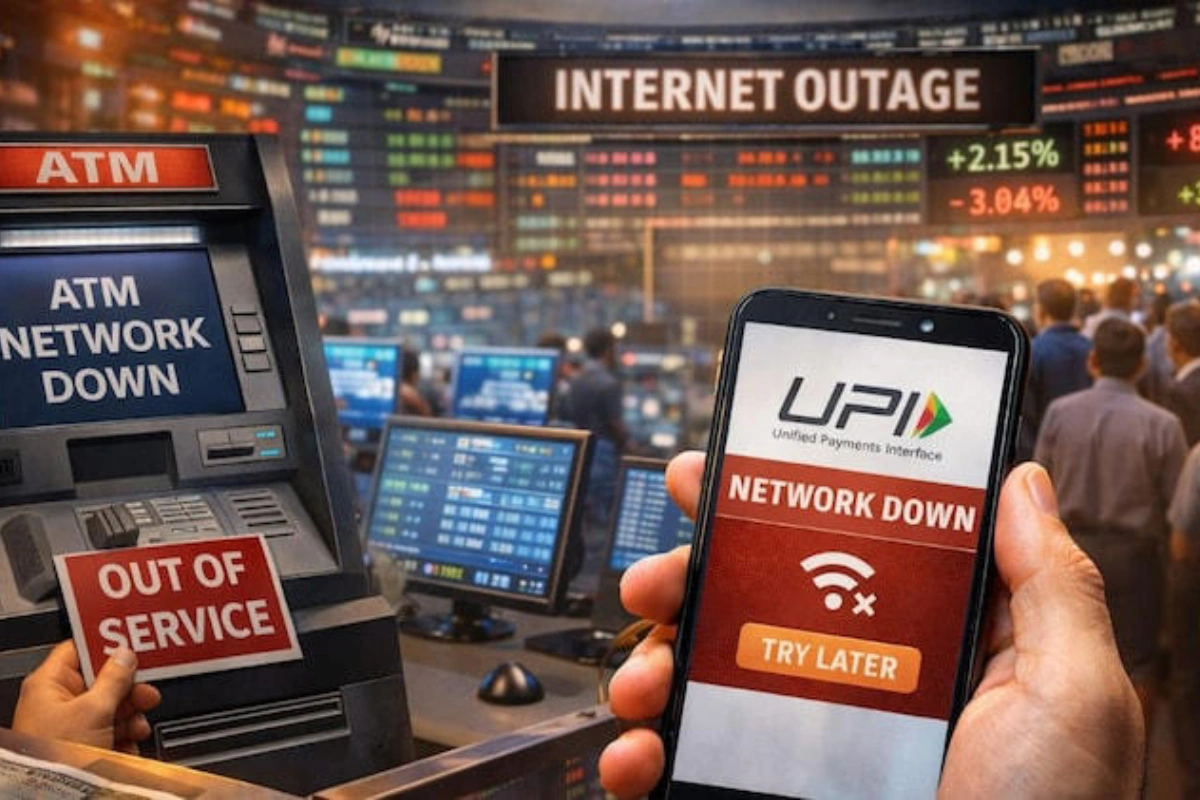
Strait Of Hormuz Crisis: Iran-based Tasnim News Agency has issued a stringent warning about the vulnerability of undersea data cables in the strategic Strait of Hormuz. The news agency warned that any form of internet connectivity disruption could likely hit connectivity across the Middle East region. Surprisingly, any damage to undersea data cables may even impact countries as far as India.
Strait Of Hormuz Crisis-Warning Issued
The report concluded that simultaneous damage to several major internet connectivity cables whether via deliberate actions or accidents could possibly trigger severe outages across the Persian Gulf. What makes this threat alarming is not just the threat itself, but the feasibility as these cables are physically exposed and difficult to repair, especially in conflict zones.
DON'T MISS
A New Kind Of Warfare
The idea of targeting undersea cables is not new, but it is increasingly central to modern conflict. Analysts describe this as “hybrid warfare” where digital infrastructure becomes a strategic target alongside ports, pipelines, and power grids.
Would Global Markets Collapse?
Financial markets today are deeply dependent on real-time data. High-frequency trading, cross-border payments and currency exchanges all rely on ultra-fast connectivity. A major disruption in the Hormuz corridor would not necessarily “crash” markets overnight but it would introduce friction, delays and volatility.
Digital Chokepoint
A vital artery for global energy supplies, the strategic Strait of Hormuz is important for digital infrastructure.
A wide range of important submarine cable systems including FALCON, AAE-1, TGN-Gulf and SEA-ME-WE pass via or closer to the narrow stretch of water. These cables are responsible for carrying out a significant majority of internet traffic that powers cloud services, communications and banking solutions across Gulf countries.
Impact On India
India’s digital infrastructure has multiple redundancies. For instance, UPI systems are largely domestic and can function within India even if international connectivity slows. In contrast, Banking networks have backup routes and offline protocols for critical operations while hospitals and emergency systems typically operate on local networks, not solely on international cables.