Home Blog Page 143

Walkout, Disagreement, Chaos, Yet US Iran Talks On Track, Several Agreements Reached

US- Iran -Talks
Google

US Iran Talks: Despite a dramatic start marked by disagreements, a brief walkout, and rising tensions, the latest round of high-level talks between the United States and Iran ended with signs of progress. Mediators from Pakistan and Qatar helped keep negotiations alive, resulting in several key agreements that could pave the way for a broader peace deal in the coming weeks.

Tensions Flare During Negotiations

The talks faced an early setback after sharp rhetoric and disagreements triggered a temporary walkout by the Iranian delegation. The tense atmosphere raised concerns that the negotiations could collapse before meaningful discussions took place. However, diplomatic efforts behind the scenes helped bring both sides back to the table.

Key Agreements Reached

Despite the rocky start, negotiators managed to reach agreements on several important issues. Both sides agreed to establish a direct communication channel aimed at preventing incidents in the Strait of Hormuz. A high-level oversight committee and specialized working groups were also created to address sanctions, nuclear issues, and regional security concerns.

Focus On Regional Stability

Another significant outcome was the creation of a “de-confliction” mechanism designed to reduce tensions linked to the ongoing conflict in Lebanon. Officials described the discussions as constructive and confirmed that technical-level talks would continue in the coming days.

Road Ahead Remains Challenging

While several agreements have been reached, major differences remain over sanctions relief, Iran’s nuclear program, and broader regional security issues. Both sides have acknowledged that the next phase of negotiations will be critical in determining whether a final agreement can be achieved within the proposed 60-day framework.

From Vetri And Naalaiya Theerpu To CM Of Tamil Nadu, Vijay Thalapathy’s Inspiring Journey Decoded

Vijay-Thalapathy
Google

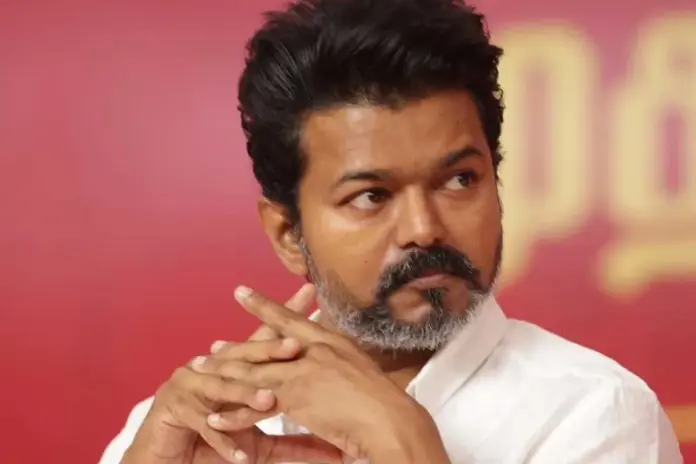
Vijay Thalapathy: The success story of Vijay Thalapathy is a fascinating narrative of tenacity, change, and ambition. From his days in Tamil movies such as Vetri and Naalaiya Theerpu to becoming one of the most significant figures in Tamil Nadu, Vijay has been growing throughout while keeping strong ties with his audience.

Beginning of A Star

Vijay started his acting career as a young man thanks to his father, the film director S. A. Chandrasekhar. Even though Vetri and Naalaiya Theerpu allowed him to become known, his path towards success was not smooth. Vijay had to face criticism, disbelief, and a number of other difficulties that come with being a part of such an ambitious and competitive world.

Becoming Thalapathy

Over the years, Vijay delivered a string of successful films that transformed him into one of Tamil cinema’s biggest superstars. Known for his mass appeal, energetic performances, and relatable on-screen characters, he earned the title “Thalapathy.” His films consistently resonated with audiences, helping him build a loyal fan base across generations.

Beyond The Silver Screen

As his popularity grew, Vijay increasingly became involved in social initiatives and public welfare activities. His fan clubs participated in various charitable efforts, strengthening his image as a people’s icon. This connection with the public laid the foundation for a larger role beyond entertainment.

The Political Leap

Vijay’s entry into politics marked a new chapter in his career. With the launch of his political movement, he signaled his intention to contribute directly to Tamil Nadu’s future. His speeches, public engagements, and growing political presence have fueled discussions about his potential as a future leader of the state.

Last Straw? Two Uddhav Thackeray Shiv Sena Faction MPs Formally Announce Defection, Rest To Follow Suit Today?

Uddhav- Thackeray
Google

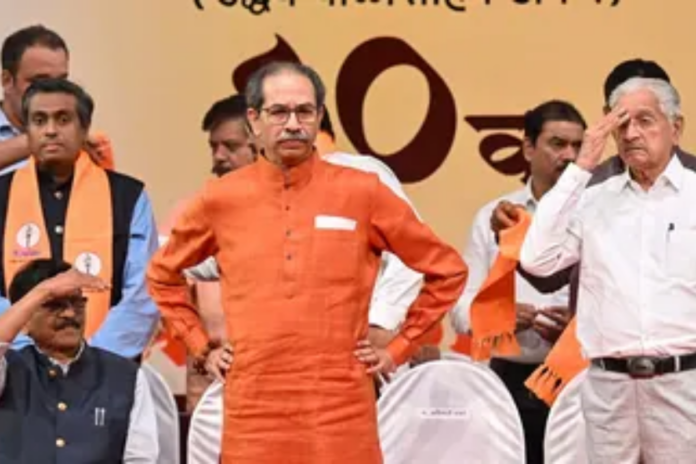
Uddhav Thackeray: Uddhav Thackeray’s Shiv Sena (UBT) is confronting one of the most serious political crises in its recent history after a coordinated rebellion among its Lok Sabha MPs threatened to dramatically shrink the faction’s parliamentary strength.

Two MPs Make It Official

Dharashiv MP Omraje Nimbalkar and Hingoli MP Nagesh Patil Ashtikar have formally announced their decision to join the Eknath Shinde-led Shiv Sena. The two rebel MPs have reportedly submitted a letter to Lok Sabha Speaker Om Birla seeking recognition of their merger with the Shinde faction a procedural move that marks a point of no return in their break from the Uddhav camp.

“Operation Tiger”, Four More In The Pipeline

The defection is not an isolated act. Four additional MPs, Sanjay Jadhav, Bhausaheb Wakchaure, Sanjay Dina Patil, and Sanjay Deshmukh are expected to formally cross over shortly. The coordinated move has been dubbed “Operation Tiger,” underlining the scale and strategic depth of what appears to be a carefully orchestrated political realignment ahead of future Maharashtra elections.

The Anti-Defection Arithmetic

The numbers carry significant legal and political weight. With six of Shiv Sena (UBT)’s nine Lok Sabha MPs potentially switching allegiance, the Shinde faction could secure the two-thirds threshold required under anti-defection provisions effectively shielding the rebel MPs from disqualification and locking in the split. For Uddhav Thackeray, losing six of nine MPs would leave his parliamentary group dangerously thin and further weaken his claim to the original Sena identity.

Uddhav Holds The Line For Now

Uddhav Thackeray: Despite the mounting pressure, Thackeray has adopted a defiant posture, insisting that only one Shiv Sena exists. Senior loyalists, including Sanjay Raut, Arvind Sawant, and Anil Desai, have stood firm alongside him, publicly accusing rivals of engineering a political buy-off.

Pakistan Feels Water Shortage Pinch, Khawaja Asif Threatens India Of War Over Indus Water Treaty Abeyance

Khawaja- Asif
Google

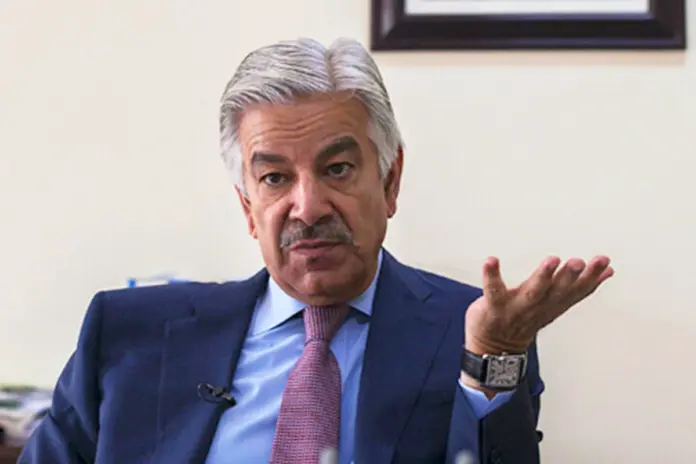
Khawaja Asif: Pakistan is staring down a deepening water crisis as the fallout from India’s suspension of the landmark Indus Waters Treaty (IWT) continues to bite. With nearly one-third of the country’s population now affected, the crisis has driven Islamabad’s leadership to openly rattle the sabre — with Defence Minister Khawaja Asif threatening outright military conflict with India.

“We Will Go To War Against India. Definitely”

Speaking to ARY News on Saturday, Asif directly linked water access to Pakistan’s national security and issued a stark warning. “The moment we feel that our national security, and water is part of our national security, is being threatened, we will go to war against India. Definitely,” he declared.

A Crisis Rooted In Pahalgam

The current standoff traces back to the deadly Pahalgam assault in April 2025, following which India suspended the 1960 Indus Waters Treaty, declaring the pact frozen until Pakistan completely halts its support for cross-border terrorism. The attack claimed 26 lives and fundamentally altered the diplomatic calculus between the two nuclear-armed neighbours.

Shortage Numbers Paint A Grim Picture

The ground reality in Pakistan is alarming. The country is recording a 13.3% year-on-year shortfall from the Indus River System, with an early Kharif season deficit of nearly 21%. Sindh’s irrigation data reveals a crumbling infrastructure — the North West Canal faces a 64.1% deficit, while the Rice and Dadu Canals report shortages of 38% and 82% respectively. Local leaders in the region have warned of an “economic massacre.”

India’s 2028 Deadline Escalates Alarm

A video clip of India’s Jal Shakti Minister CR Patil circulated recently in which he suggested India could completely halt the flow of Indus waters to Pakistan by June 2028 — a potential deadline that has intensified concern in Islamabad and further strained the already volatile relationship.

3 Months’ ‘Maavan Dheeyan Satkar Rashi’ To Be Credited to Every Eligible Woman’s Account on July 1: CM Bhagwant Singh Mann

CM Mann

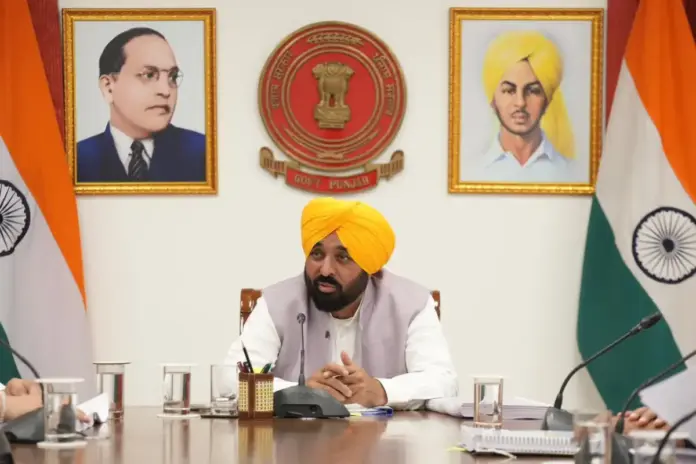
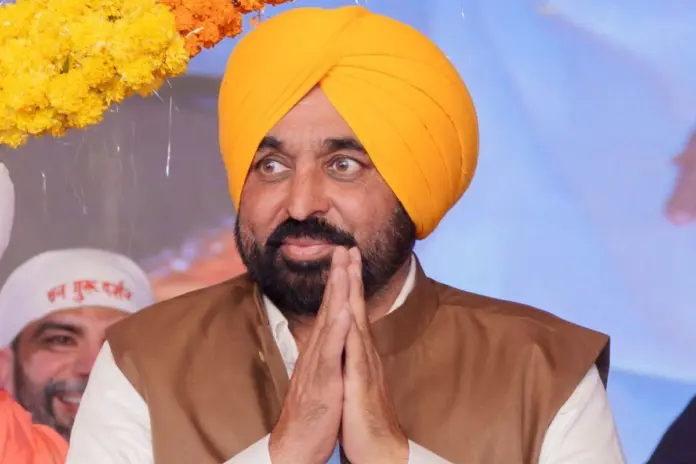
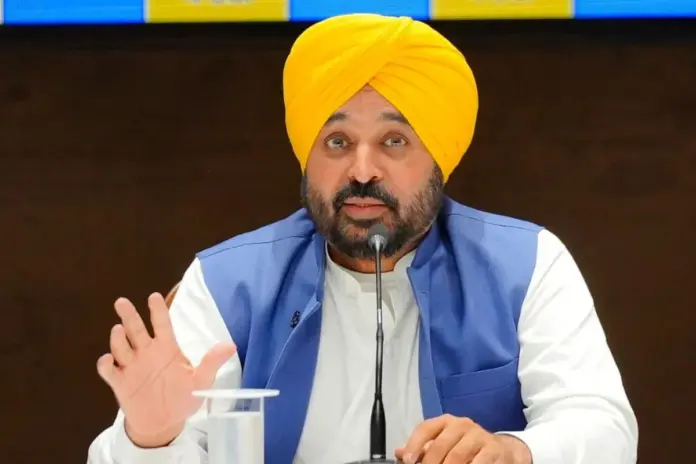
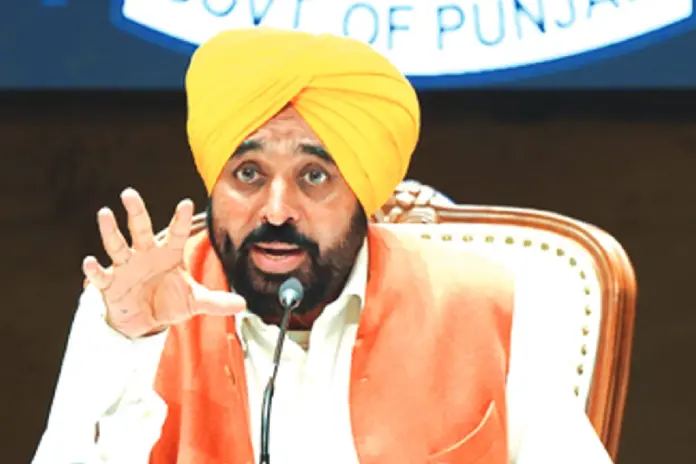
Marking a historic step towards women’s economic empowerment, Chief Minister Bhagwant Singh Mann announced that the countdown for the Maavan Dheeyan Satkar Yojna has begun, with the first installment of three months’ Satkar Rashi set to be credited directly into the bank accounts of eligible women on July 1. Under the scheme, Dalit mothers and sisters will receive ₹4,500, while women from all other categories will get ₹3,000.

During a Lok Milni programme after inaugurating various development works in Village Chanarthal Kalan of Fatehgarh Sahib constituency, CM Bhagwant Singh Mann said the initiative reflects the AAP Government’s commitment to ensuring dignity, financial security, and social empowerment for women, adding that the assistance will continue uninterrupted as long as the AAP Government remains in Punjab.

Addressing the Lok Milni in Fatehgarh Sahib,CM Bhagwant Singh Mann stated, “After nine days, on July 1, women beneficiaries above the age of 18 years will receive notifications on their mobile phones informing them about the financial assistance being credited to their accounts. Women belonging to the general category will receive ₹1,000 per month while Scheduled Caste women will receive ₹1,500 per month. The money will be transferred directly into their bank accounts without any middlemen. Women who are already receiving social security pensions will also be eligible under the scheme. Nearly 97% women in Punjab are expected to benefit from this initiative and the Punjab Government has made a budgetary provision of ₹9,300 crore for it.”

The Chief Minister stated, “This financial assistance may not make women rich, but it will certainly give them dignity, self-respect and confidence. Women deserve the highest respect because they are the source of life itself. The blessings of mothers and sisters help overcome every challenge in the world. Strengthening women’s financial autonomy is essential for improving household welfare, promoting gender equity and enhancing women’s participation in social and economic decision-making. When women become financially empowered, families prosper and society moves forward.”

Speaking on another issue, CM Bhagwant Singh Mann said, “The Punjab Government will not allow any genuine vote to be deleted during the ongoing SIR exercise by the Election Commission of India. I want to caution the people that the BJP may try to misuse the SIR process to delete valid votes, as has happened in other poll-bound states. However, we are fully vigilant and will not allow the nefarious designs of the saffron party to succeed. Every genuine voter in Punjab will be protected.”

The Chief Minister said, “My predecessors never met the common people. They used to come out of their luxurious homes only after checking the temperature. On the other hand, I remain available to the people round the clock. Public service is not an occasional activity for me, it is my responsibility.”

Taking a swipe at previous governments, CM Bhagwant Singh Mann said, “These leaders built huge palaces by amassing enormous wealth through misuse of their official positions. The walls of those palatial residences were high and their gates remained closed to ordinary people. They remained inaccessible to the masses and ultimately the people showed them the door. When leaders stop listening to people, people eventually stop listening to those leaders.”

“The people of Punjab have repeatedly rejected those who looted them turn by turn. These leaders fooled the people for a very long time, but Punjabis are now wise enough not to be swayed by their misleading propaganda. These arrogant politicians always took the people of Punjab for granted and ultimately paid the political price for it. Today, they are baffled because people are not responding to them. Their entire agenda revolves around the welfare of their own families rather than the welfare of the people,” said CM Bhagwant Singh Mann.

Continuing his attack on previous rulers, the Chief Minister said, “These leaders studied in convent schools in the hills and remained completely disconnected from ground realities. They were unaware about the money, properties and even the buses they owned. During their regimes, they exploited people by illegally seeking shares in successful ventures across the state. Such practices pushed Punjab backwards. These leaders ruined the state and their hands were drenched with the blood of Punjab’s youth.”

Highlighting the progress achieved by the present government, CM Bhagwant Singh Mann said, “It is a matter of immense pride and satisfaction that Punjab’s development has been put back on track. The Punjab Government is accelerating the pace of development with every passing day. We have filled a gap of nearly seventy years and are making concerted efforts to build a Rangla Punjab.”

“The AAP Government is perhaps the first government in the country that is implementing the People’s Manifesto in its true spirit. Every genuine demand raised by the people is being translated into action. We do not make promises merely for elections. We fulfil them once entrusted with responsibility,” he added.

Taking on the Akali Dal leadership, CM Bhagwant Singh Mann said, “Sukhbir Singh Badal is not aware of the ground realities of Punjab because throughout his life he has lived in a secure environment surrounded by luxuries and opulence. He wants to attain political power in Punjab, but he is not even aware of the basic topography of the state.”

“Leaving everything aside, the former Deputy Chief Minister cannot even differentiate between the basic crops grown in Punjab. He has very little understanding of the issues concerning ordinary people. Someone who does not understand Punjab cannot provide leadership to Punjab,” said CM Bhagwant Singh Mann.

The Chief Minister further said, “The sins committed by these leaders are unpardonable. The people of Punjab can never forgive them for their long saga of misdeeds. Those memories remain fresh in the minds of the people even today.”

“These are opportunist leaders who change their colours and their stance like a chameleon according to their convenience and political interests. They patronised gangsters in Punjab and infused drugs into the veins of the youth by shielding drug smugglers. The people of Punjab have not forgotten this reality,” said CM Bhagwant Singh Mann.

“The Akali leadership is once again building castles in the air in an attempt to mislead the people of Punjab. However, Punjabis will not be swayed by such propaganda. The people will never forgive the Akalis for their sins and will once again teach them a befitting lesson,” he added.

Referring to the Jaagat Jot Sri Guru Granth Sahib Satkar Amendment Act, 2026, CM Bhagwant Singh Mann said, “I am grateful to the Almighty for blessing me with the opportunity to enact this historic legislation. Whenever incidents of sacrilege of Sri Guru Granth Sahib Ji took place, the psyche of millions of people across the world was deeply hurt.”

“The Almighty blessed me with the wisdom and strength to bring this Bill after extensive consultations with legal experts. We have drafted this law with utmost care so that no future amendment or loophole can weaken it. This legislation will act as a strong deterrent against anti-social elements and ensure that no one dares to commit such a heinous crime in future,” said CM Bhagwant Singh Mann.

“For years, people escaped punishment by claiming that their mind was disturbed or that they were mentally ill. Such arguments were often used to avoid accountability and offenders would walk free. We have taken serious note of this issue while framing the legislation,” he added.

Questioning such claims, CM Bhagwant Singh Mann said, “If someone is genuinely mentally unstable, why does he only target Sri Guru Granth Sahib Ji? Why does he not crash into a train engine or touch live electric wires? The truth is that many such incidents were deliberate and orchestrated.”

“That is why we have incorporated a provision in the law that even if a person is medically declared mentally unstable, his custodians, parents, guardians or caretakers can also face criminal charges. There must be accountability and responsibility. No loophole should be available to anyone seeking to escape punishment,” said the Chief Minister.

Taking another swipe at the Akali leadership, CM Bhagwant Singh Mann said, “When they were in power, they never showed any sincerity in enacting such a law. The truth is that their intentions were flawed. Sacrilege incidents occurred during their tenure and they failed to provide justice. They allowed such incidents to take place because they wanted political gains from them.”

“They admitted their mistakes before Sri Akal Takht Sahib but later denied them publicly. Those who can lie before the Takht can never be loyal to anyone. The people must remain cautious of such leaders whose only objective is to attain power and plunder the state,” he added.

The Chief Minister further said, “The Akalis misused religion for their vested interests. The Jathedars are appointed from the pockets of the Akalis and therefore many of them are indulging in politics. These people have no agenda for Punjab. Their sole objective is to defame me by hook or by crook. However, the people know their true character and will never be swayed by such theatrics.”

Turning his attention towards the Congress, CM Bhagwant Singh Mann said, “The Congress party is on its deathbed and will soon become irrelevant because it has neither a vision for Punjab nor a roadmap for the future. Its only objective is to assume power and plunder the wealth of the state, but that dream will never be fulfilled.”

“The Congress is a divided house. It is collapsing because of its own infighting. The irony is that senior Congress leaders who come to Punjab to unite these squabbling factions are not even aware of how to pronounce the names of the leaders they are trying to reconcile. Such is the condition of the party today,” he added.

Highlighting welfare initiatives of the state government, the Chief Minister said, “Every single penny of the state exchequer is being utilised for the well-being of the people. More than 90% households in Punjab are receiving free electricity. Farmers are receiving power supply during daytime, something that was unprecedented in the past.”

“At a time when public assets across the country are being handed over to a select few corporate friends by the Union Government at throwaway prices, the Punjab Government created history by purchasing a private thermal plant and naming it after Sri Guru Amardass Ji. This reflects our commitment towards protecting public assets and serving the people,” said CM Bhagwant Singh Mann.

Speaking about healthcare reforms, the Chief Minister said, “The Punjab Government has launched Mukh Mantri Sehat Yojna, the first-of-its-kind scheme in the country that provides cashless medical treatment up to ₹10 lakh for every resident family in Punjab.”

“It is a matter of immense pride and satisfaction that Punjab has become the first state in India to offer such comprehensive healthcare coverage. This historic initiative has significantly reduced the financial burden on families while ensuring quality healthcare services for everyone. The scheme is aimed at providing universal healthcare to every family in Punjab and people have already availed free treatment worth more than ₹650 crore under it,” said CM Bhagwant Singh Mann.


From Recovery to Livelihood: Bhagwant Mann Govt’s ‘Yudh Nashean Virudh’ Helps Addiction Survivors Rebuild Lives Through Employment

cm mann'

Punjab’s ‘Yudh Nashean Virudh’ led by Punjab Chief Minister Bhagwant Mann is now being defined by stories of recovery and hope that have come their way through jobs and employment. Former addicts who once struggled to get rid of substance abuse are now busy rebuilding their lives working at hotels, restaurants, shopping malls, many are self-employed, at D-Mart, Blinkit, etc.

Ever since the Yudh Nashean Virudh campaign took off in the state in March 2025, many victims of substance abuse who have completed treatment at various de-addiction facilities across Punjab have found employment, demonstrating how livelihood can give a direction towards long-term recovery.

Among them is Daljinder Singh, name-changed, who joined the D-Mart outlet in February, 2026. He has responded well to the demands of employment and is slowly rebuilding his life little by little. Daljinder says, “Getting a job gave me a reason to wake up every morning. It gave me confidence. Life feels good now…even a cup of tea in the morning brings a smile to my face.”

Praveen Dhall, who secured a job with a quick-commerce delivery service provider of groceries, fruits, vegetables, and other daily essentials, says, “Rehabilitation helped me survive, but a job helped me live again. When I began earning, I stopped seeing myself as an addict trying to recover and started seeing myself as a person with responsibilities and a future. That feeling kept me firmly away from drugs.”

The Yudh Nashean Virudh goes beyond rehabilitation. A case in point is at the Jalandhar De-Addiction Centre where former victims of substance abuse who joined the mainstream are regularly tracked to assess their progress and examine if there are any signs of relapse.

In follow-ups, several recovered individuals were found to be employed, a significant step toward their family and economic reintegration. As more beneficiaries move from treatment centres into jobs and self-employment, the impact of CM Bhagwant Mann’s Yudh Nashean Virudh is increasingly being measured not only in arrests and seizures but also in terms of lives restored and employment opportunities sought.

Counsellors who have been the pivots in helping extricate victims out of drug abuse say the transition from treatment to employment can be one of the strongest indicators of successful rehabilitation.

“Recovery is about much more than giving up drugs,” said Bhavna Sharma, a counsellor at Swami Vivekanand Drug De-addiction Centre, Amritsar Medical College. “We encourage patients to express their emotions, rebuild their lives and set goals for future. When they begin to see a path towards employment and a stable life, they become more committed to staying drug-free.”

Dr Abhay Raj Singh, Nodal Psychiatrist, Jalandhar De-addiction Centre, Yudh Nasehan Virudh said, “Such success stories underline the importance of linking de-addiction treatment with rehabilitation and employment support. Every recovering individual who returns to work represents not just a personal victory, but a stronger family and a safer community.”

As more beneficiaries move from treatment centres into jobs and self-employment, the campaign’s impact is increasingly being measured not only in arrests and seizures, but in lives restored, livelihoods rebuilt and futures reclaimed.

AAP Urges Sri Akal Takht Sahib Jathedar to Investigate Those Behind Fake Video Campaign Against Punjab CM

Baltej Pannu

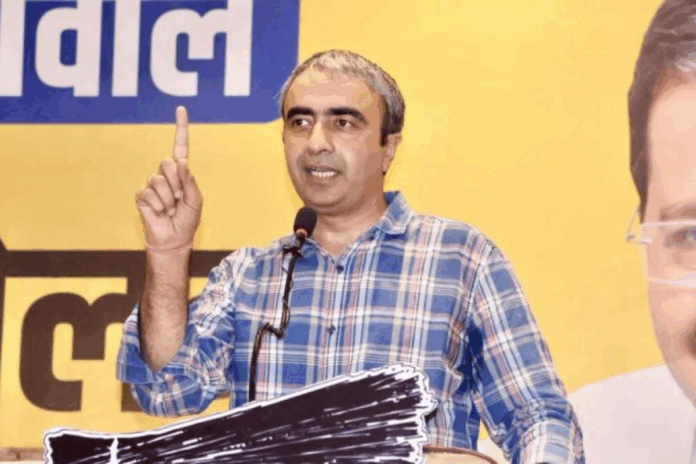
Aam Aadmi Party (AAP) on Sunday urged the Jathedar of Sri Akal Takht Sahib to ensure a thorough investigation into the fake video campaign targeting the Punjab Chief Minister, saying the forensic examination of more than 1,100 frames has conclusively established that the person seen in the video is not the Chief Minister. AAP Punjab Media In-Charge Baltej Pannu said the focus must now shift to identifying the actor featured in the video, those who produced and directed it, and the individuals who financed what he described as a well-planned conspiracy.

The AAP Punjab Media In-charge also called upon the Jathedar Sahib to summon Shiromani Akali Dal president Sukhbir Singh Badal and seek answers on how he appeared to possess information about the video before others, while noting that Punjab AAP President Aman Arora and Finance Minister Harpal Singh Cheema have already submitted relevant evidence to the Director General of Police (DGP) and demanded a comprehensive probe into the entire matter.

In a statement, AAP Punjab State Media In-charge Baltej Pannu said that CM Bhagwant Singh Mann has consistently stated that the video is not genuine and that a detailed forensic examination has already proven that he has no connection whatsoever with it. “The investigation analyzed more than 1,100 frames of the video and clearly established that the person shown in it is not CM Bhagwant Singh Mann. The forensic examination has categorically ruled out any connection of the Chief Minister with the video,” he said.
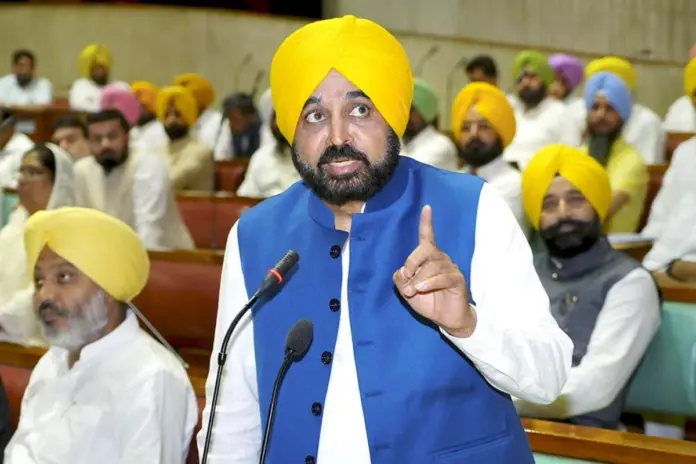
He respectfully appealed to the Jathedar of Sri Akal Takht Sahib to ensure a thorough probe into the matter and identify every individual involved in the production of the video. “Several questions now need answers. Who was the actor featured in the video? Who produced it? Who directed it? And most importantly, who financed this conspiracy? The truth must come out and all those responsible must be identified,” said Baltej Pannu.

He asserted that there is sufficient evidence available to warrant a comprehensive investigation into the entire matter. Baltej Pannu informed that Punjab AAP President Aman Arora and Cabinet Minister Harpal Singh Cheema had recently met the Director General of Police and submitted all relevant information, demanding a proper investigation to uncover every person involved in the conspiracy. “The evidence has already been handed over to the police authorities. We expect a fair and impartial investigation so that every individual associated with the creation, promotion and financing of this fake video campaign is identified,” he added.

Baltej Pannu further appealed to the Jathedar of Sri Akal Takht Sahib to summon Shiromani Akali Dal president Sukhbir Singh Badal and seek clarification from him regarding his statements on the issue. “If Sukhbir Singh Badal was saying that CM Bhagwant Singh Mann had claimed the video was AI-generated, where did this inside information come from and how did he obtain it? These questions must be answered. The source of such information and the circumstances under which it reached him should also be examined,” said Baltej Pannu.

Reiterating the party’s position, Baltej Pannu said that the truth behind the fake video campaign must be fully exposed and that all those responsible for creating, promoting and financing it should be identified through an impartial and comprehensive investigation.

CM Bhagwant Singh Mann Urges Centre to Reconsider Higher Education Bill Over Concerns of Excessive Centralisation & Rising Educational Inequality

CM Mann

Punjab Chief Minister Bhagwant Singh Mann has strongly opposed the proposed ‘Viksit Bharat Shiksha Adhiniyam Bill, 2025’ (Higher Education Bill), warning that the legislation could make higher education more expensive, weaken opportunities for students from ordinary families and diminish the ability of states to address local educational needs. In a detailed letter to Union Education Minister Dharmendra Pradhan, CM Bhagwant Singh Mann urged the Centre to reconsider the Bill and hold wider consultations before implementing reforms that could significantly alter the higher education landscape.

Emphasising that crores of parents across the country pin their hopes and dreams on their children’s education, CM Bhagwant Singh Mann said higher education must remain a pathway of opportunity for the child of a farmer, labourer or shopkeeper, not become a burden on families. He asserted that India’s progress depends on making higher education more accessible, affordable and inclusive through greater investment in universities, infrastructure, faculty and research, rather than measures that could increase costs and centralise decision-making.

In his letter, CM Bhagwant Singh Mann stated that he is writing not merely as the Chief Minister of Punjab but as a representative of crores of parents across India whose biggest hopes are linked to the education of their children. “Every family wants its child to receive quality education, stand on his or her own feet, secure dignified employment and contribute to the progress of the nation. That is why education is not merely an administrative subject; it is a question concerning India’s bright future,” he said.

The Chief Minister said, “I initially hoped the proposed legislation would strengthen the quality, accountability and global competitiveness of higher educational institutions. However, after carefully studying the Bill, I have serious concerns that it seeks to centralise most important decisions relating to higher education, with far-reaching consequences for students, teachers, universities and state governments.”

Raising his first major concern, CM Bhagwant Singh Mann said the Bill appears to focus more on centralisation of power than on improving educational quality. “The success of an education system depends upon how effectively it understands the needs of students, teachers and local communities. In a country as vast and diverse as India, every state faces different social, economic and educational challenges,” he said.

The Chief Minister observed that it was natural to expect legislation on higher education to focus on quality, research, innovation, employability and global competitiveness. However, after studying the Bill, it appeared that its primary objective was to concentrate policy-making powers, standards, regulations, recognition mechanisms and appellate powers in the hands of the Union Government. “Education is a subject in the Concurrent List of the Constitution. Therefore, while minimum national standards may be desirable, states must retain the freedom to develop systems according to their own circumstances and needs. Unfortunately, this Bill appears to disturb that constitutional balance,” he said.

CM Bhagwant Singh Mann further stated that his concern is not merely about the rights of states but also about the future of crores of students. “Every state in India is battling different challenges. Some are dealing with unemployment, others with skill development needs, industrial requirements or migration of talent. Border states like Punjab face even more complex realities,” he said.

The Chief Minister noted that state governments develop courses, skill programmes, industry collaborations and employment-oriented initiatives according to local requirements through universities and colleges. “If most educational decisions are taken by institutions sitting in Delhi, states will gradually lose their ability to understand local realities and design solutions accordingly. As a result, higher education risks becoming centralised and losing its practical relevance,” he said.

Drawing attention to the dangers of excessive centralisation, CM Bhagwant Singh Mann referred to the functioning of central institutions such as the National Testing Agency (NTA). “Recent years have raised serious questions regarding examination management, transparency and credibility. When central institutions themselves are struggling with such challenges, it is legitimate to ask whether further centralisation of higher education is really the right direction,” he said.

The Chief Minister asserted that the better path would be greater cooperation between the Centre and the states. “Successful models developed by different states should be shared across the country. Decision-making should become more participatory and collaborative. Unfortunately, this Bill appears to move in the opposite direction,” he said.

CM Bhagwant Singh Mann also expressed concern that the proposed legislation could make higher education more expensive. “While studying the Bill, an important question emerged before me. If most powers are concentrated with the Union Government, if the role of state governments continues to shrink and if central regulatory control over state universities and colleges increases, where will the financial resources required for the operation and development of these institutions come from?” he asked.

The Chief Minister pointed out that the Bill does not provide a satisfactory answer to this question. “If decision-making powers are centralised while adequate financial support is not guaranteed, universities will inevitably face pressure to raise revenues. This could lead to higher fees, greater dependence on self-financed courses and increased reliance on private investment,” he said.

CM Bhagwant Singh Mann warned that the burden of such a model would fall most heavily on middle-class, lower-middle-class and poor families. “Higher education should be a pathway of opportunity. It should not become a privilege available only to those who can afford it,” he said.

The Chief Minister also raised concerns regarding the gradual privatisation of higher education. “After studying the Bill, it appears that India’s higher education system may slowly be pushed towards a model where public institutions become weaker and dependence on the private sector steadily increases,” he said.

He warned that if policy-making, regulation and control become completely centralized without clear financial responsibility, public universities could increasingly be forced to depend upon private institutions and private capital. “The direct impact of such a shift will be borne by lakhs of students whose parents continue to make tremendous sacrifices to send them to colleges and universities,” he said.

CM Bhagwant Singh Mann stressed that in a country like India, higher education should be strengthened as a right rather than being restricted by economic barriers.

The Chief Minister urged the Union Government to withdraw the Bill in its current form and undertake a comprehensive review. “India does not need legislation that further centralises higher education. What we need is a framework that allows universities and colleges to connect more effectively with the needs of their regions, industries, societies and youth,” he said.

CM Bhagwant Singh Mann observed that most institutions of higher education are established, operated and funded by state governments. Therefore, reforms should move in a direction that grants states greater authority, greater flexibility and greater responsibility. “States must be empowered to develop educational systems according to the aspirations and requirements of their youth. At the same time, the Union Government should focus on increasing investment in higher education rather than expanding regulatory control,” he said.

The Chief Minister referred to the objectives of the National Education Policy, 2020, which sought to raise the Gross Enrolment Ratio in higher education to 50 % by 2035. “To achieve that goal, universities, colleges, research institutions and technical institutes need more resources, stronger infrastructure, modern laboratories, quality faculty and adequate research funding. They do not need additional layers of control,” he said.

CM Bhagwant Singh Mann said that if the Union Government genuinely wishes to make India a developed nation, it should prioritise educational investment over administrative centralisation. “Universities should be given resources, autonomy and opportunities instead of additional controls. This is not merely a question of Centre-State relations. It is a question concerning crores of students, their families and the future of India,” he said.

The Chief Minister said India’s progress depends upon enabling the dreams of ordinary families. “When the son of a farmer becomes an engineer, when the daughter of a labourer becomes a doctor and when the child of a small shopkeeper becomes a scientist, India moves forward. Our education system should make such dreams easier to realise, not more difficult,” he said.

Reiterating his appeal, CM Bhagwant Singh Mann urged the Union Government to withdraw the Bill and replace it with a framework that makes education more accessible, affordable, high-quality and responsive to the needs of states. “Nations do not become great by exercising control over education. Nations become great by investing in education,” he concluded.

Uttarakhand: Tension Continues at Rudraprayag Gurudwara After Dispute Linked to Karnaprayag Clash

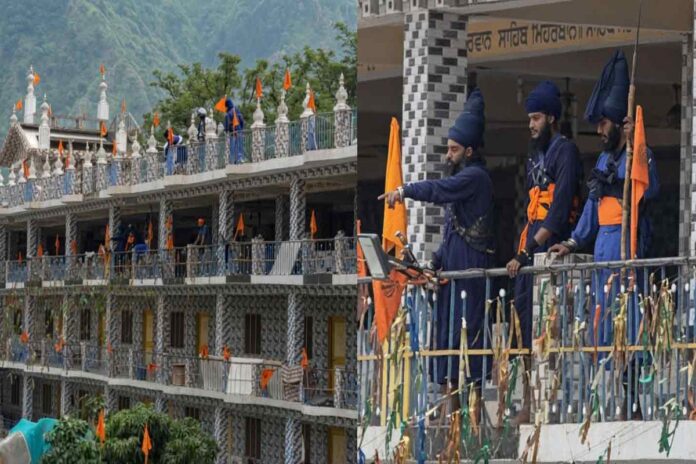
A tense situation prevailed at Gurudwara Damdama Sahib in Nagrasu, Rudraprayag district, after a group of Nihang Sikhs reportedly occupied part of the shrine premises and held a sevadar inside during a dispute connected to the recent Karnaprayag violence case.

Uttarakhand: Tension Continues at Rudraprayag Gurudwara

According to local administration officials, the group arrived at the Gurudwara seeking support regarding the arrest of several Nihang Sikhs in connection with a clash that took place in Karnaprayag earlier this month. The Gurudwara management committee reportedly declined to intervene in the matter, leading to an argument that escalated into a confrontation.

Dispute Linked to Karnaprayag Clash

Authorities said one individual was released after initial discussions, while another remained inside the premises as officials continued efforts to resolve the situation peacefully. Senior district officials, including representatives of the local administration and police, visited the site and appealed for dialogue.

As a precautionary measure, security personnel from multiple agencies were deployed in the area, and internet services were temporarily suspended to prevent the spread of rumours and maintain public order. Restrictions under relevant legal provisions were also imposed in sensitive areas of Rudraprayag and Chamoli districts.

The dispute is linked to an incident in Karnaprayag where a confrontation between a group of Nihang Sikhs and local residents allegedly turned violent following a road accident. Several people were injured in the clash, after which police registered a case and arrested four individuals.

The Nihang group at the Gurudwara has reportedly demanded action against those involved in the Karnaprayag incident from the opposing side and raised objections to the arrests made by the police. Local authorities have stated that the matter remains under investigation and that all legal procedures will be followed.

Officials have appealed to residents to maintain peace and avoid circulating unverified information while efforts continue to normalize the situation.

Delhi Development Authority Extends Karmayogi Awaas Yojana Booking Deadline Till June 30

PM Awas Yojana
Image Credit: Google

The Delhi Development Authority (DDA) has extended the booking period for its Karmayogi Awaas Yojana until June 30, 2026, providing eligible applicants with additional time to avail benefits under the housing scheme.

Delhi Development Authority Extends Karmayogi Awaas Yojana

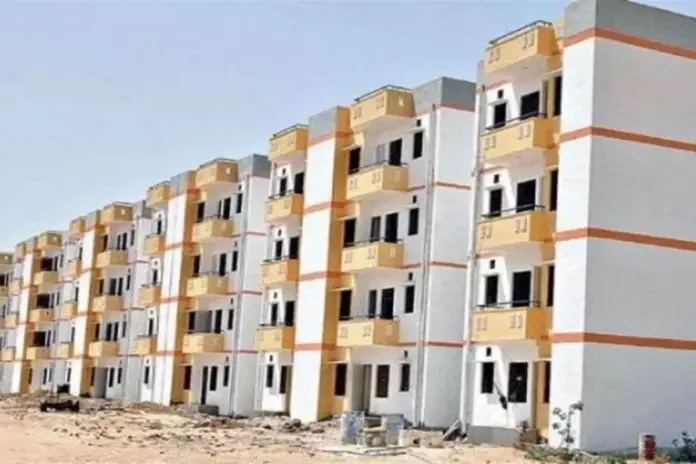
The scheme offers ready-to-move-in residential flats in Narela’s Pocket-6, Pocket-9, and Pocket-13 sectors at a special discount of 25 percent. The housing initiative is exclusively available to serving and retired government employees, including personnel from central and state government departments and other eligible public institutions.

Officials stated that the scheme follows a first-come

According to DDA, demand for the scheme has remained strong, with all 1 BHK flats in Pocket-6 and Pocket-9 already sold out. Interested applicants can still apply for available units in other categories and locations under the project.

Officials stated that the scheme follows a first-come, first-served model, allowing eligible buyers to secure flats through an online application process. The authority has highlighted the project’s ready-to-move-in status as one of its key attractions for prospective homeowners.

The residential complexes are part of DDA’s efforts to expand affordable and accessible housing options for government employees while promoting planned urban development in Narela. The area has witnessed increasing infrastructure development and improved connectivity in recent years.

The extension is expected to provide an opportunity for more eligible applicants to complete the booking process before the revised deadline and benefit from the discounted pricing offered under the scheme.

Anurag Dhanda Extends Wishes to NEET Candidates, Voices Support for Students Protesting Exam Irregularities

Anurag Dhanda
Google

Aam Aadmi Party leader Anurag Dhanda extended his best wishes to students appearing for the National Eligibility-cum-Entrance Test (NEET), while also expressing support for young protesters raising concerns over alleged examination irregularities.

Anurag Dhanda Extends Wishes to NEET Candidates

In a social media post, Dhanda wished success to NEET aspirants appearing for the medical entrance examination and acknowledged students participating in demonstrations at Jantar Mantar against paper leak incidents and examination-related controversies.

Voices Support for Students Protesting Exam Irregularities

The remarks come amid continuing discussions over the integrity of competitive examinations and demands from various student groups for stronger safeguards to prevent question paper leaks and ensure transparency in the examination process.

Student organizations and activists have been raising concerns over examination security, arguing that recurring allegations of irregularities can affect the confidence of candidates preparing for highly competitive tests. Several groups have called for stricter monitoring mechanisms and accountability measures to protect the credibility of national-level examinations.

The issue has attracted political attention from different parties, with leaders expressing varying views on examination reforms and the need to strengthen systems governing recruitment and entrance tests.

As thousands of students continue to pursue opportunities through competitive examinations, education experts have emphasized the importance of maintaining a fair, transparent, and reliable testing environment that safeguards the interests of candidates across the country.

Bhagwant Mann: Merit-Based Government Recruitment Boosts Youth Confidence in Punjab

Bhagwant -Mann
Google

 The Bhagwant Mann government has highlighted its recruitment process as an example of transparency and merit-based selection, stating that government jobs are being provided without recommendations or bribery.

Bhagwant Mann: Merit-Based Government Recruitment Boosts Youth Confidence

According to the Aam Aadmi Party (AAP), the state administration’s recruitment policies have strengthened trust among young job seekers by ensuring that appointments are made through a fair and transparent system. Party leaders claim that this approach has encouraged many qualified candidates to pursue career opportunities within Punjab rather than seeking employment abroad.

The government maintains that transparent recruitment practices

The government maintains that transparent recruitment practices have helped create confidence among the youth, who increasingly view public sector employment as accessible through merit and hard work. Officials believe that such measures contribute to reducing concerns about favoritism and irregularities in hiring processes.

Punjab has witnessed several recruitment drives across different departments in recent years, with the state government emphasizing efficiency, accountability, and equal opportunity in the selection process. Authorities say these efforts are aimed at providing employment opportunities while strengthening public institutions.

Supporters of the initiative argue that fair recruitment policies not only create job opportunities but also help retain skilled and educated youth within the state. They contend that confidence in the system can play an important role in encouraging young people to build their futures in Punjab.

The government has reiterated its commitment to maintaining transparency in appointments and expanding employment opportunities through ongoing recruitment initiatives across various sectors.

Painkillers and Muscle Relaxant Drug Combinations Banned: Centre Cracks Down on Unsafe Medicines

Can Weight Loss Medicines Increase Cancer Risk
Photo Credit: Created with Gemini

In a significant move aimed at safeguarding public health, the Central Government has banned 16 Fixed Dose Combination (FDC) drugs, including certain painkillers and muscle relaxant combinations, after expert reviews found that these medicines lacked sufficient therapeutic justification and posed potential health risks. The ban has come into effect immediately.

Painkillers and Muscle Relaxant Drug Combinations Banned

Fixed Dose Combinations are medicines that contain two or more active ingredients in a single formulation. According to health authorities, the banned combinations were found to offer limited medical benefits while exposing patients to unnecessary risks. The decision follows recommendations from expert committees that assessed the safety, efficacy, and scientific validity of these formulations.

Centre Cracks Down on Unsafe Medicines

The prohibited medicines belong to various therapeutic categories, including pain-relief drugs, muscle relaxants, antibiotic combinations, dermatological preparations, and certain anti-diabetic formulations. The government stated that only medicines that are safe, effective, and scientifically validated should remain available to the public.

Health experts have welcomed the move, noting that irrational drug combinations can increase the risk of adverse effects, inappropriate medication use, and complications for patients. The latest action is part of the government’s ongoing efforts to strengthen drug regulation and promote rational use of medicines across the country.

Patients currently taking any prescription medication are advised not to discontinue treatment without consulting their healthcare provider. Instead, they should seek medical advice regarding suitable alternatives and appropriate treatment options.

International Yoga Day: Bhagwant Mann Government’s CM Di Yogshala Transforming Lives Across Punjab

Bhagwant- Mann
Google

Yoga is much more than a physical exercise—it is a holistic way of life that promotes physical fitness, mental well-being, emotional balance, and inner harmony. Its essence lies not in competition, but in self-improvement, discipline, and personal growth. For centuries, yoga has guided people towards healthier living, helping them achieve balance between body, mind, and spirit.

International Yoga Day: Bhagwant Mann Government’s CM Di Yogshala


In today’s fast-paced world, where stress, anxiety, and lifestyle-related diseases are becoming increasingly common, yoga offers a simple yet powerful solution. Regular practice improves flexibility, strengthens the body, enhances concentration, and contributes to overall well-being. It also helps individuals develop resilience and maintain a positive outlook on life.

CM Di Yogshala Transforming Lives Across Punjab


Recognizing the importance of preventive healthcare and wellness, the government led by Bhagwant Mann launched CM Di Yogshala, a transformative initiative aimed at making yoga accessible to every citizen of Punjab. Through trained instructors and community-based sessions, the program has brought the benefits of yoga directly to neighborhoods, villages, and cities across the state.


Under the leadership of Bhagwant Mann, CM Di Yogshala has emerged as one of Punjab’s most impactful public wellness initiatives. By encouraging people of all ages to incorporate yoga into their daily routines, the government is not only promoting healthier lifestyles but also fostering a culture of preventive healthcare and community well-being.


The overwhelming response to CM Di Yogshala reflects the growing awareness among Punjabis about the importance of physical and mental fitness. Lakhs of citizens have benefited from the initiative, experiencing improvements in their health, energy levels, and quality of life. The program is helping create a healthier Punjab where wellness is not a privilege for a few but a right accessible to all.


On International Yoga Day, CM Di Yogshala stands as a shining example of the Bhagwant Mann government’s commitment to public health and social welfare. As people across the world celebrate the transformative power of yoga, Punjab continues to lead by ensuring that the ancient practice reaches every corner of the state and benefits every section of society.

Lucknow Viral Video: Man Harasses Woman In Broad Daylight, People Just Film The Incident, Netizens Aghast

Lucknow- Viral- Video
Google

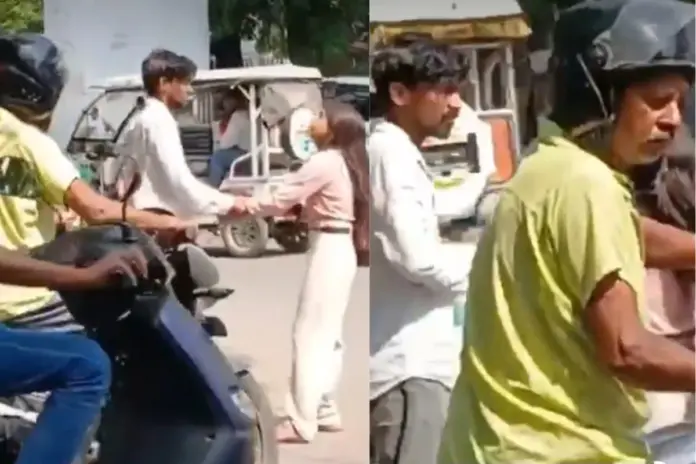
Lucknow Viral Video: A disturbing video from Lucknow’s Nishatganj Bridge area has gone viral on social media, sparking widespread debate about public safety and the role of bystanders during troubling situations. The clip shows a man allegedly grabbing and pulling a woman in public while several people nearby appear to record the incident instead of intervening.

What Happened?

The viral video, shared by the social media account @gharkekalesh, shows a man wearing a white shirt grabbing and pulling the arm of a woman dressed in a pink top near Nishatganj Bridge in Lucknow. The woman can be seen resisting as the interaction unfolds in broad daylight. As the incident takes place, several bystanders on motorcycles and scooters are visible in the background. Rather than stepping in, many appear to be filming the scene on their phones. The clip quickly spread across social media platforms, attracting thousands of views and comments.

Bystander Effect Under the Spotlight

The incident has reignited discussions about the “bystander effect,” a phenomenon where people witnessing an emergency or troubling situation hesitate to intervene, often assuming someone else will act. The viral footage has led many users to question whether society is becoming more focused on recording incidents for social media rather than helping those involved. Others pointed out that uncertainty about the nature of the situation may have influenced the crowd’s response.

People’s Opinion

Social media users were divided in their reactions. Some condemned the bystanders for recording the incident instead of assisting the woman, calling it an example of growing public apathy. Others suggested that the situation may have been a personal dispute or a lovers’ quarrel, arguing that this could explain why people were hesitant to interfere. Despite differing interpretations, many agreed that the video highlights the challenges people face when deciding whether to intervene in unclear public situations.

Note: This Article has been done on the information provided in this viral video/ post. DNP India doesn’t endorse, subscribe or verify the claims.